
-
 Argentina
-
 Australia
-
 Austria
-
 Belgium
-
 Brazil
-
 Canada
-
 China
China
-
 Czech Republic
-
 Denmark
-
 Finland
-
 France
-
 Germany
-
 Greece
-
 Hong Kong
-
 Hungary
-
 Iceland
-
 India
India
-
 Ireland
-
 Israel
-
 Italy
Italy
-
 Japan
Japan
-
 Korea
Korea
-
 Luxembourg
-
 Malaysia
-
 Netherlands
-
 New Zealand
-
 Norway
-
 Poland
-
 Qatar
Qatar
-
 Romania
-
 Saudi Arabia
-
 Singapore
-
 Spain
Spain
-
 Sweden
-
 Switzerland
-
 Taiwan
-
 Turkey
-
 United Kingdom
-
 United States
Apoptosis related Activators
| Cat.No. | Product Name | Information | Product Use Citations | Product Validations |
|---|---|---|---|---|
| S0913 | 4',5,7-Trimethoxyflavone | 4',5,7-Trimethoxyflavone (5,7,4'-Trimethoxyflavone, TMF) is a flavonoid isolated from Kaempferia parviflora (KP) that induces apoptosis. This compound increases sub-G1 phase, DNA fragmentation, annexin-V/PI staining and Bax/Bcl-xL ratio, activates caspase-3 and degrades poly (ADP-ribose) polymerase (PARP) protein. | ||
| S3271 | Caudatin | Caudatin (Cauldatin), one species of C‑21 steroidal from Cynanchum auriculatum (C. auriculatum), effectively inhibits human glioma growth in vitro and in vivo through triggering cell cycle arrest and apoptosis. | ||
| S0931 | Jaceosidin | Jaceosidin, a flavonoid isolated from Artemisia vestita, possesses anti-tumor and anti-proliferative activities in many cancer cells. This compound induces apoptosis, activates Bax and down-regulates Mcl-1 and c-FLIP expression. It also inhibits COX-2 expression and NF-κB activation. | ||
| S3829 | Isoalantolactone | Isoalantolactone, one of the major sesquiterpene lactone compounds, is isolated from the roots of Anula helenium and possesses multiple biological activities including antifungal, anthelmintic, antimicrobial, anti-inflammatory, antitrypanosomal activities and antiproliferative effects on several cancer cell lines, such as colon, melanoma, ovary, prostate, lung, and leukemia. This compound is an apoptosis inducer, which also acts as an alkylating agent. | ||
| S3336 | Heptadecanoic acid |
Heptadecanoic acid (C17:0), an odd chain saturated fatty acid, significantly inhibits cell proliferation, and migration, while promoting apoptosis in PC‑9 and PC‑9/GR cells. This compound is associated with several diseases, including the incidence of coronary heart disease, prediabetes and type 2 diabetes as well as multiple sclerosis. |
||
| S6957 | β-Elemene |
β-Elemene ((-)-β-Elemene, Levo-β-elemene) is a sesquiterpene compound extracted from the herb Curcuma Rhizoma with antitumor activities. β-elemene can inhibit cell proliferation, arrest the cell cycle, and induce cell apoptosis or autophagy. |
||
| S3357 | Elaidic acid |
Elaidic acid is a major trans fatty acid that inhibits cell viability, elevates cell apoptosis by enhancing oxidative stress. This compound can be used as a pharmaceutical solvent. |
||
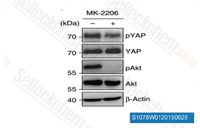
| S1078 | MK-2206 Dihydrochloride | MK-2206 2HCl is a highly selective inhibitor of Akt1/2/3 with IC50 of 8 nM/12 nM/65 nM in cell-free assays, respectively; no inhibitory activities against 250 other protein kinases observed. This compound induces autophagy and apoptosis in cancer cells. Phase 2. |
|
|
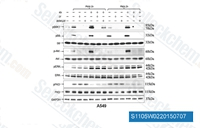
| S1105 | LY294002 | LY294002 (SF 1101, NSC 697286) is the first synthetic molecule known to inhibit PI3Kα/δ/β with IC50 of 0.5 μM/0.57 μM/0.97 μM, respectively; more stable in solution than Wortmannin, and also blocks autophagosome formation. It not only binds to class I PI3Ks and other PI3K-related kinases, but also to novel targets seemingly unrelated to the PI3K family. This compound also inhibits CK2 with IC50 of 98 nM. It is a non-specific DNA-PKcs inhibitor and activates autophagy and apoptosis. |
|
|
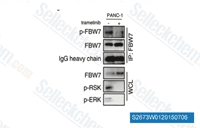
| S2673 | Trametinib (GSK1120212) | Trametinib (GSK1120212, JTP-74057) is a highly specific and potent MEK1/2 inhibitor with IC50 of 0.92 nM/1.8 nM in cell-free assays, and it does not inhibit the kinase activities of c-Raf, B-Raf, ERK1/2. This compound activates autophagy and induces apoptosis. |
|
|
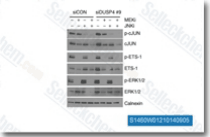
| S1460 | SP600125 | SP600125 (Nsc75890) is a broad-spectrum JNK inhibitor for JNK1, JNK2 and JNK3 with IC50 of 40 nM, 40 nM and 90 nM in cell-free assays, respectively; 10-fold greater selectivity against MKK4, 25-fold greater selectivity against MKK3, MKK6, PKB, and PKCα, and 100-fold selectivity against ERK2, p38, Chk1, EGFR etc. This compound is also a broad‐spectrum inhibitor of serine/threonine kinases including Aurora kinase A,FLT3 and TRKA with of IC50 of 60 nM, 90 nM and 70 nM. It inhibits autophagy and activates apoptosis. |
|
|
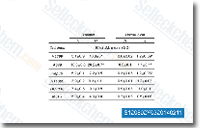
| S1208 | Doxorubicin (Adriamycin) Hydrochloride | Doxorubicin (DOX) HCl is an antibiotic agent that inhibits human DNA topoisomerase II with IC50 of 2.67 μM. Doxorubicin reduces basal phosphorylation of AMPK. Doxorubicin is used in the concomitant treatment of HIV-infected patients but is found to be at high risk of HBV reactivation.This product may precipitate when dissolved in PBS solution. It is recommended to prepare the stock solution in pure water and dilute with either pure water or saline to obtain the working solution.Doxorubicin (Adriamycin) HCl can be used to induce animal models of kidney disease. |
|
|
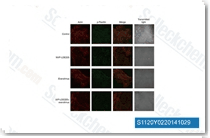
| S1120 | RAD001 (Everolimus) | Everolimus is an mTOR inhibitor of FKBP12 with IC50 of 1.6-2.4 nM in a cell-free assay. Everolimus induces cell apoptosis and autophagy and inhibits tumor cells proliferation. |
|
|
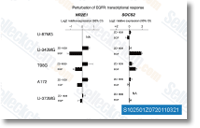
| S1025 | Gefitinib (ZD1839) | Gefitinib is an EGFR inhibitor for Tyr1173, Tyr992, Tyr1173 and Tyr992 in the NR6wtEGFR and NR6W cells with IC50 of 37 nM, 37nM, 26 nM and 57 nM, respectively. This compound promotes autophagy and apoptosis of lung cancer cells via blockade of the PI3K/AKT/mTOR pathway. |
|
|
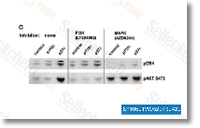
| S1008 | AZD6244 (Selumetinib) | Selumetinib (AZD6244, ARRY-142886) is a potent, highly selective MEK inhibitor with IC50 of 14 nM for MEK1 and Kd value of 530 nM for MEK2. It also inhibits ERK1/2 phosphorylation with IC50 of 10 nM, no inhibition to p38α, MKK6, EGFR, ErbB2, ERK2, B-Raf, etc. Selumetinib suppresses cell proliferation, migration and trigger apoptosis. Phase 3. |
|
|
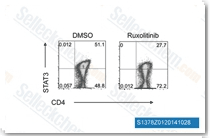
| S1378 | Ruxolitinib (INCB18424) | Ruxolitinib (INCB18424) is the first potent, selective, JAK1/2 inhibitor to enter the clinic with IC50 of 3.3 nM/2.8 nM in cell-free assays, >130-fold selectivity for JAK1/2 versus JAK3. This compound kills tumor cells through toxic mitophagy. It induces autophagy and enhances apoptosis. |
|
|
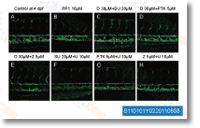
| S1021 | Dasatinib (BMS-354825) | Dasatinib is a novel, potent and multi-targeted inhibitor that targets Abl, Src and c-Kit, with IC50 of <1 nM, 0.8 nM and 79 nM in cell-free assays, respectively. Dasatinib induces autophagy and apoptosis with anti-tumor activity. |
|
|
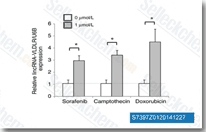
| S7397 | Sorafenib (BAY 43-9006) | Sorafenib is a multikinase inhibitor of Raf-1 and B-Raf with IC50 of 6 nM and 22 nM in cell-free assays, respectively. Sorafenib inhibits VEGFR-2, VEGFR-3, PDGFR-β, Flt-3 and c-KIT with IC50 of 90 nM, 20 nM, 57 nM, 59 nM and 68 nM, respectively. Sorafenib induces autophagy and apoptosis and activates ferroptosis with anti-tumor activity. |
|
|
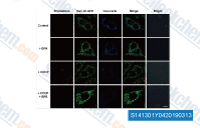
| S1413 | Bafilomycin A1 (Baf-A1) | Bafilomycin A1 (Baf-A1) is a vacuolar H+-ATPase inhibitor with IC50 of 0.44 nM, and it is found to inhibit autophagy while inducing apoptosis. |
|
|
| S1065 | Pictilisib (GDC-0941) | Pictilisib (GDC-0941, RG7321) is a potent inhibitor of PI3Kα/δ with IC50 of 3 nM in cell-free assays, with modest selectivity against p110β (11-fold) and p110γ (25-fold). Pictilisib (GDC-0941) induces autophagy and apoptosis. Phase 2. |
|
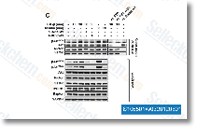
|
| S1030 | Panobinostat (LBH589) | Panobinostat (LBH589, NVP-LBH589) is a novel broad-spectrum HDAC inhibitor with IC50 of 5 nM in a cell-free assay. It induces autophagy and apoptosis, and effectively disrupts HIV latency in vivo. Phase 3. |
|
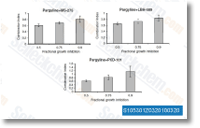
|
| S1053 | Entinostat (MS-275) | Entinostat (MS-275, SNDX-275) strongly inhibits HDAC1 and HDAC3 with IC50 of 0.51 μM and 1.7 μM in cell-free assays, compared with HDACs 4, 6, 8, and 10. This compound induces autophagy and apoptosis. Phase 3. |
|
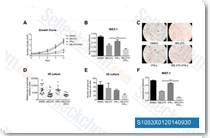
|
| S2215 | DAPT | DAPT is a novel γ-secretase inhibitor, which inhibits Aβ production with IC50 of 20 nM in HEK 293 cells. DAPT enhances the apoptosis of human tongue carcinoma cells and regulates autophagy. |
|
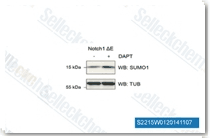
|
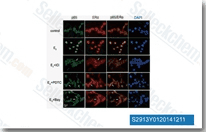
| S2913 | BAY 11-7082 (BAY 11-7821) | BAY 11-7082 (BAY 11-7821) is a NF-κB inhibitor, inhibits TNFα-induced IκBα phosphorylation with IC50 of 10 μM in tumor cells. BAY 11-7082 inhibits ubiquitin-specific protease USP7 and USP21 with IC50 of 0.19 μM and 0.96 μM, respectively. BAY 11-7082 induces apoptosis and S phase arrest in gastric cancer cells. |
|
|
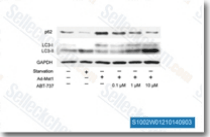
| S1002 | ABT-737 | ABT-737 is a BH3 mimetic inhibitor of Bcl-xL, Bcl-2 and Bcl-w with EC50 of 78.7 nM, 30.3 nM and 197.8 nM in cell-free assays, respectively; no inhibition observed against Mcl-1, Bcl-B or Bfl-1. ABT-737 induces mitochondrial pathway apoptosis and mitophagy. Phase 2. |
|
|
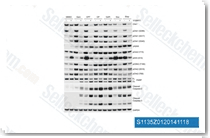
| S1225 | Etoposide | Etoposide is a semisynthetic derivative of podophyllotoxin, which inhibits DNA synthesis via topoisomerase II inhibition activity which enhances double-strand and single-strand cleavage of DNA and reversibly inhibits repair by topoisomerase II binding. Etoposide induces autophagy, mitophagy and apoptosis. |
|
|
| S1133 | Alisertib (MLN8237) | Alisertib (MLN8237) is a selective Aurora A inhibitor with IC50 of 1.2 nM in a cell-free assay, and it has >200-fold higher selectivity for Aurora A than Aurora B. This compound induces cell cycle arrest, apoptosis and autophagy. Phase 3. |
|
-S113303W0120130926.gif)
|
| S1714 | Gemcitabine | Gemcitabine, a nucleic acid synthesis inhibitor, is a very potent and specific deoxycytidine analogue, used as chemotherapy. Gemcitabine induces a potent p53-dependent apoptosis. |
|

|
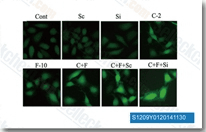
| S1209 | 5-Fluorouracil (5-FU) | 5-FU (5-Fluorouracil) is a DNA/RNA synthesis inhibitor, which interrupts nucleotide synthetic by inhibiting thymidylate synthase (TS) in tumor cells. Fluorouracil induces apoptosis and can be used in the treatment of HIV. |
|
|
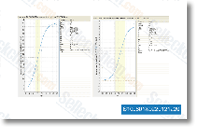
| S1109 | BI 2536 | BI-2536 is a potent Plk1 inhibitor with IC50 of 0.83 nM in a cell-free assay. BI-2536 inhibits Bromodomain 4 (BRD4) with Kd of 37 nM and potently suppresses c-Myc expression. BI-2536 induces apoptosis and attenuates autophagy. Phase 2. |
|
|
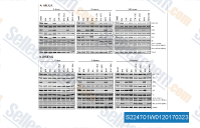
| S2247 | Buparlisib (BKM120) | Buparlisib (BKM120, NVP-BKM120) is a selective PI3K inhibitor of p110α/β/δ/γ with IC50 of 52 nM/166 nM/116 nM/262 nM in cell-free assays, respectively. Reduced potency against VPS34, mTOR, DNAPK, with little activity to PI4Kβ. Buparlisib induces apoptosis. Phase 2. |
|
|
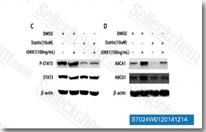
| S7024 | Stattic | Stattic, the first nonpeptidic small molecule, potently inhibits STAT3 activation and nuclear translocation with IC50 of 5.1 μM in cell-free assays, highly selectivity over STAT1. Stattic induces apoptosis. |
|
|
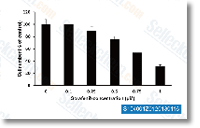
| S1040 | Sorafenib Tosylate (BAY 43-9006) | Sorafenib tosylate is a multikinase inhibitor of Raf-1 and B-Raf with IC50 of 6 nM and 22 nM in cell-free assays, respectively. Sorafenib Tosylate inhibits VEGFR-2, VEGFR-3, PDGFR-β, Flt-3 and c-KIT with IC50 of 90 nM, 20 nM, 57 nM, 59 nM and 68 nM, respectively. Sorafenib Tosylate induces autophagy and apoptosis and activates ferroptosis with anti-tumor activity. |
|
|
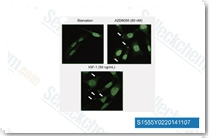
| S1555 | AZD8055 | AZD8055 is a novel ATP-competitive mTOR inhibitor with IC50 of 0.8 nM in MDA-MB-468 cells with excellent selectivity (∼1,000-fold) against PI3K isoforms and ATM/DNA-PK. This compound induces caspase-dependent apoptosis and also induces autophagy. Phase 1. |
|
|
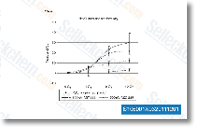
| S1004 | Veliparib (ABT-888) | Veliparib (ABT-888, NSC 737664) is a potent inhibitor of PARP1 and PARP2 with Ki of 5.2 nM and 2.9 nM in cell-free assays, respectively. This compound is inactive to SIRT2 and increases autophagy and apoptosis. Phase 3. |
|
|
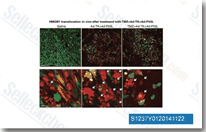
| S1237 | TMZ(Temozolomide) | TMZ(Temozolomide) is a monofunctional SN-1 alkylating agent that can modify nitrogen atoms in the DNA ring and the extracyclic oxygen group, chemically converted to MTIC and degrades to methyldiazonium cation, which transfers methyl groups to DNA at physiologic pH. A DNA damage inducer in L-1210 and L-1210/BCNU cells. Temozolomide induces apoptosis and exhibits antitumor activity. |
|
|
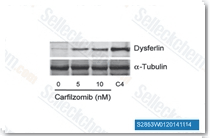
| S2853 | PR-171 (Carfilzomib) | Carfilzomib (PR-171) is an irreversible proteasome inhibitor with IC50 of <5 nM in ANBL-6 cells, displayed preferential in vitro inhibitory potency against the ChT-L activity in the β5 subunit, but little or no effect on the PGPH and T-L activities. Carfilzomib activates prosurvival autophagy and induces cell apoptosis. |
|
|
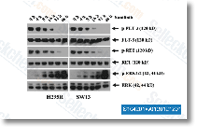
| S7781 | Sunitinib (SU-11248) | Sunitinib is a multi-targeted RTK inhibitor targeting VEGFR2 (Flk-1) and PDGFRβ with IC50 of 80 nM and 2 nM, and also inhibits c-Kit. Sunitinib is also a dose-dependent inhibitor of the autophosphorylation activity of IRE1α. Sunitinib induces autophagy and apoptosis. |
|
|
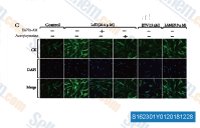
| S1623 | N-Acetylcysteine (NAC chemical, N-Acetyl-L-Cysteine) | Acetylcysteine (N-acetyl-l-cysteine, NAC,N-acetylcysteine) is a ROS(reactive oxygen species) inhibitor that antagonizes the activity of proteasome inhibitors. It is also a tumor necrosis factor production inhibitor. Acetylcysteine(N-acetyl-l-cysteine) suppresses TNF-induced NF-κB activation through inhibition of IκB kinases. Acetylcysteine(N-acetyl-l-cysteine) induces apoptosis via the mitochondria-dependent pathway. Acetylcysteine(N-acetyl-l-cysteine) inhibits ferroptosis and virus replication.Solutions are unstable and should be fresh-prepared. |
|
|
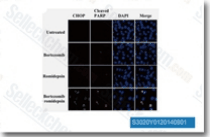
| S3020 | Romidepsin (FK228) | Romidepsin (FK228, Depsipeptide, FR 901228, NSC 630176) is a potent HDAC1 and HDAC2 inhibitor with IC50 of 36 nM and 47 nM in cell-free assays, respectively. This compound controls growth and induces apoptosis in neuroblastoma tumor cells. |
|
|
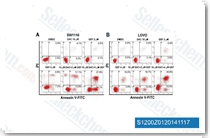
| S1200 | Decitabine | Decitabine is a DNA methyltransferase inhibitor, incorporating into DNA and resulting in hypomethylation of DNA and intra-S-phase arrest of DNA replication. It is used to treat myelodysplastic syndrome (MDS). Decitabine induces cell cycle arrest and apoptosis in various cancer cell lines. |
|
|
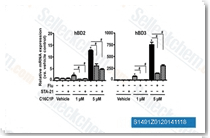
| S1491 | Fludarabine | Fludarabine is a STAT1 activation inhibitor which causes a specific depletion of STAT1 protein (and mRNA) but not of other STATs. Also a DNA synthesis inhibitor in vascular smooth muscle cells. Fludarabine induces apoptosis. |
|
|
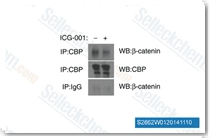
| S2662 | ICG-001 | ICG-001 antagonizes Wnt/β-catenin/TCF-mediated transcription and specifically binds to CREB-binding protein (CBP) with IC50 of 3 μM, but is not the related transcriptional coactivator p300. ICG-001 induces apoptosis. |
|
|
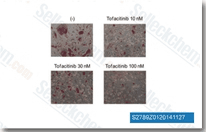
| S2789 | Tofacitinib (CP-690550) | Tofacitinib is a novel inhibitor of JAK3 with IC50 of 1 nM in cell-free assays, 20- to 100-fold less potent against JAK2 and JAK1. This compound inhibits the expression of antiapoptotic BCL-A1 and BCL-XL in human plasmacytoid dendritic cells (PDC) and induced PDC apoptosis. |
|
|
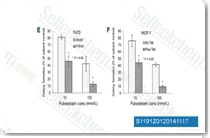
| S1191 | Fulvestrant (ICI-182780) | Fulvestrant is an estrogen receptor (ER) antagonist with IC50 of 0.94 nM in a cell-free assay. Fulvestrant also induces autophagy and apoptosis and has antitumor activity. |
|
|
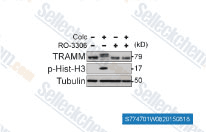
| S7747 | Ro-3306 | RO-3306 is an ATP-competitive, and selective CDK1 inhibitor with Ki of 20 nM, >15-fold selectivity against a diverse panel of human kinases. RO-3306 enhances p53-mediated Bax activation and mitochondrial apoptosis. |
|
|
| S5243 | Ruxolitinib (INCB18424) Phosphate | Ruxolitinib Phosphate (INCB018424, INC424) is the phosphate salt form of Ruxolitinib. Ruxolitinib is the first potent, selective, JAK1/2 inhibitor to enter the clinic with IC50 of 3.3 nM/2.8 nM in cell-free assays, >130-fold selectivity for JAK1/2 versus JAK3. Ruxolitinib kills tumor cells through toxic mitophagy. Ruxolitinib induces autophagy and enhances apoptosis. |
|
|
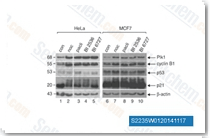
| S2235 | Volasertib (BI6727) | Volasertib is a highly potent Plk1 inhibitor with IC50 of 0.87 nM in a cell-free assay. It shows 6- and 65-fold greater selectivity against Plk2 and Plk3. Volasertib induces cell cycle arrest and apoptosis in various cancer cells. Phase 3. |
|
|
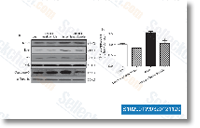
| S1029 | CC-5013 (Lenalidomide) | Lenalidomide is a TNF-α secretion inhibitor with IC50 of 13 nM in PBMCs. Lenalidomide (CC-5013) is a ligand of ubiquitin E3 ligase cereblon (CRBN), and it causes selective ubiquitination and degradation of two lymphoid transcription factors, IKZF1 and IKZF3, by the CRBN-CRL4 ubiquitin ligase. Lenalidomide promotes cleaved caspase-3 expression and inhibit VEGF expression and induces apoptosis. |
|
|
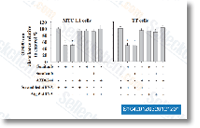
| S1042 | Sunitinib (SU11248) Malate | Sunitinib malate is a multi-targeted RTK inhibitor targeting VEGFR2 (Flk-1) and PDGFRβ with IC50 of 80 nM and 2 nM in cell-free assays, and also inhibits c-Kit. Sunitinib Malate effectively inhibits autophosphorylation of Ire1α. Sunitinib Malate increases both death receptor and mitochondrial-dependent apoptosis. |
|
|
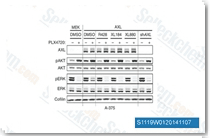
| S1119 | Cabozantinib (XL184) | A potent VEGFR2 inhibitor with IC50 of 0.035 nM, Cabozantinib (XL184) also inhibits c-Met, Ret, Kit, Flt-1/3/4, Tie2, and AXL with IC50 of 1.3 nM, 4 nM, 4.6 nM, 12 nM/11.3 nM/6 nM, 14.3 nM and 7 nM in cell-free assays, respectively. It induces PUMA-dependent apoptosis in colon cancer cells via AKT/GSK-3β/NF-κB signaling pathway. |
|
|
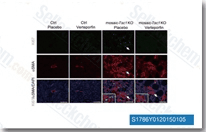
| S1786 | Verteporfin | Verteporfin is a small molecule that inhibits TEAD–YAP association and YAP-induced liver overgrowth. It is also a potent second-generation photosensitizing agent derived from porphyrin. Verteporfin is an autophagy inhibitor. Verteporfin inhibits cell proliferation and induces apoptosis. |
|
|
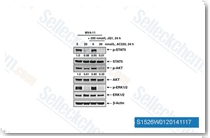
| S1526 | Quizartinib (AC220) | Quizartinib (AC220) is a second-generation FLT3 inhibitor for Flt3(ITD/WT) with IC50 of 1.1 nM/4.2 nM in MV4-11 and RS4;11 cells, respectively, 10-fold more selective for Flt3 than KIT, PDGFRα, PDGFRβ, RET, and CSF-1R. Quizartinib (AC220) induces apoptosis of tumor cells. Phase 3. |
|
|
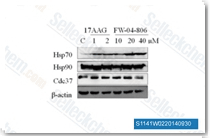
| S1141 | Tanespimycin (17-AAG) | Tanespimycin (17-AAG, CP127374, NSC-330507, KOS 953) is a potent HSP90 inhibitor with IC50 of 5 nM in a cell-free assay, having a 100-fold higher binding affinity for HSP90 derived from tumour cells than HSP90 from normal cells. Tanespimycin (17-AAG) induces apoptosis, necrosis, autophagy and mitophagy. Phase 3. |
|
|
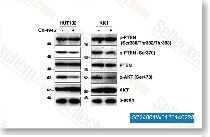
| S2248 | Silmitasertib (CX-4945) | Silmitasertib (CX-4945) is a potent and selective inhibitor of CK2 (casein kinase 2) with IC50 of 1 nM in a cell-free assay, although it is less potent against Flt3, Pim1 and CDK1 (inactive in cell-based assay). This compound induces autophagy and promotes apoptosis. Phase 1/2. |
|
|
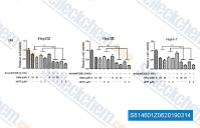
| S8146 | Mitomycin C | Mitomycin C (Ametycine) is an antineoplastic antibiotic by inhibiting DNA synthesis, used to treat different cancers. Mitomycin C induces apoptosis in a caspases-dependent and Fas/CD95-independent manner.This product is a hazardous chemical (acute toxicity/flammable/skin corrosive). Please use it while wearing a protective face mask, gloves, and clothing. |
|
|
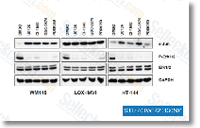
| S1020 | CI-1040 (PD184352) | PD184352 (CI-1040) is an ATP non-competitive MEK1/2 inhibitor with IC50 of 17 nM in cell-based assays, 100-fold more selective for MEK1/2 than MEK5. PD184352 (CI-1040) selectively induces apoptosis. |
|
|
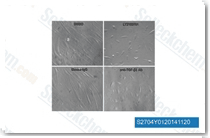
| S2704 | LY2109761 | LY2109761 is a novel selective TGF-β receptor type I/II (TβRI/II) dual inhibitor with Ki of 38 nM and 300 nM in a cell-free assay, respectively; shown to negatively affect the phosphorylation of Smad2. This compound blocks autophagy and induces apoptosis. |
|
|
| S2775 | Nocodazole | Nocodazole is a rapidly-reversible inhibitor of microtubule polymerization, also inhibits Abl, Abl(E255K) and Abl(T315I) with IC50 of 0.21 μM, 0.53 μM and 0.64 μM in cell-free assays, respectively. Nocodazole induces apoptosis. |
|
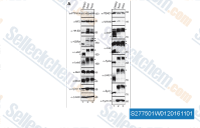
|
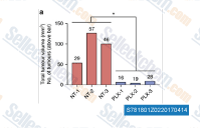
| S7818 | Pexidartinib (PLX3397) | Pexidartinib (PLX3397) is an oral, potent multi-targeted receptor tyrosine kinase inhibitor of CSF-1R, Kit (c-Kit), and FLT3 with IC50 of 20 nM, 10 nM and 160 nM, respectively. This compound induces apoptosis and necrosis with antitumor activity. Phase 3. |
|
|
| S1241 | Vincristine (Leurocristine) Sulfate | Vincristine sulfate is an inhibitor of polymerization of microtubules by binding to tubulin with IC50 of 32 μM in a cell-free assay. Vincristine sulfate induces apoptosis. |
|
|
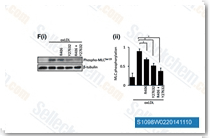
| S2194 | R406 | R406(R406 besylate) is a potent Syk inhibitor with IC50 of 41 nM in cell-free assays, strongly inhibits Syk but not Lyn, 5-fold less potent to Flt3. R406 induces apoptosis. Phase 1. |
|
|
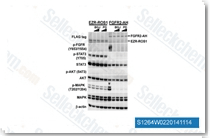
| S1264 | PD173074 | PD173074 is a potent FGFR1 inhibitor with IC50 of ~25 nM and also inhibits VEGFR2 with IC50 of 100-200 nM in cell-free assays, ~1000-fold selective for FGFR1 than PDGFR and c-Src. PD173074 reduces proliferation and promotes apoptosis in gastric cancer cells. |
|
|
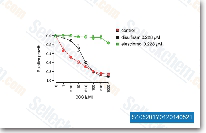
| S1052 | Elesclomol (STA-4783) | Elesclomol (STA-4783) is a novel potent oxidative stress inducer that elicits pro-apoptosis events among tumor cells. Phase 3.Elesclomol specifically binds ferredoxin 1 (FDX1) α2/α3 helices and β5 strand and inhibits FDX1-mediated Fe-S cluster biosynthesis.Elesclomol (STA-4783) is a potent copper ionophore and can be used in the research of copper-dependent cell death (cuproptosis). |
|
|
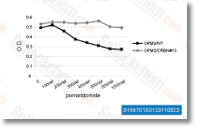
| S1567 | Pomalidomide (CC-4047) | Pomalidomide inhibits LPS-induced TNF-α release with IC50 of 13 nM in PBMCs. Pomalidomide can be utilized in PROTAC as a ligand for targeting E3 ligase and inhibiting the E3 ligase protein cereblon (CRBN). Pomalidomide promotes apoptosis and cell cycle arrest. |
|
|
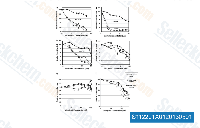
| S1122 | Mocetinostat (MGCD0103) | Mocetinostat (MGCD0103, MG0103) is a potent HDAC inhibitor with most potency for HDAC1 with IC50 of 0.15 μM in a cell-free assay, 2- to 10- fold selectivity against HDAC2, 3, and 11, and no activity to HDAC4, 5, 6, 7, and 8. Mocetinostat (MGCD0103) induces apoptosis and autophagy. Phase 2. |
|
|
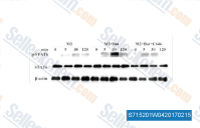
| S7152 | C646 | C646 is an inhibitor for histone acetyltransferase, and inhibits p300 with a Ki of 400 nM in a cell-free assay. Preferentially selective for p300 versus other acetyltransferases. C646 induces cell cycle arrest, apoptosis and autophagy. |
|
|
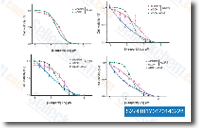
| S2741 | Niraparib (MK-4827) | Niraparib (MK-4827) is a selective inhibitor of PARP1/2 with IC50 of 3.8 nM/2.1 nM, with great activity in cancer cells with mutant BRCA-1 and BRCA-2. It is >330-fold selective against PARP3, V-PARP and Tank1. This compound can form PARP–DNA complexes resulting in DNA damage, apoptosis, and cell death. Phase 3. |
|
|
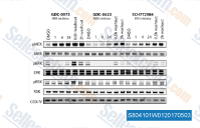
| S8041 | Cobimetinib (GDC-0973) | Cobimetinib (GDC-0973, RG7420) is a potent and highly selective MEK1 inhibitor with IC50 of 4.2 nM, showing no significant inhibition when tested against a panel of more than 100 serine-threonine and tyrosine kinases. This compound induces apoptosis. Phase 3. |
|
|
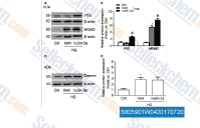
| S8059 | Nutlin-3a | Nutlin-3a ((-)-Nutlin-3), the active enantiomer of Nutlin-3, inhibits the p53/MDM2 interaction with IC50 of 90 nM in a cell-free assay. Nutlin-3a induces autophagy and apoptosis in a p53-dependent manner. |
|
|
| S1046 | Vandetanib (ZD6474) | Vandetanib is a potent inhibitor of VEGFR2 with IC50 of 40 nM in a cell-free assay. It also inhibits VEGFR3 and EGFR with IC50 of 110 nM and 500 nM, respectively. Not sensitive to PDGFRβ, Flt1, Tie-2 and FGFR1 with IC50 of 1.1-3.6 μM. No activity against MEK, CDK2, c-Kit, erbB2, FAK, PDK1, Akt and IGF-1R with IC50 above 10 μM. Vandetanib (ZD6474) increases apoptosis and induces autophagy by increasing the level of reactive oxygen species (ROS). |
|
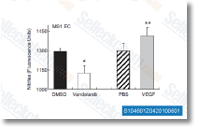
|
| S1648 | Cytarabine | Cytarabine is an antimetabolic agent and DNA synthesis inhibitor with IC50 of 16 nM in wild-type CCRF-CEM cells. Cytarabine induces autophagy and apoptosis. |
|
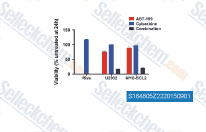
|
| S1069 | Luminespib (NVP-AUY922) | Luminespib (AUY-922, NVP-AUY922, VER-52296) is a highly potent HSP90 inhibitor for HSP90α/β with IC50 of 13 nM /21 nM in cell-free assays, weaker potency against the HSP90 family members GRP94 and TRAP-1, exhibits the tightest binding of any small-molecule HSP90 ligand. Luminespib (AUY-922, NVP-AUY922) effectively downregulates and destabilizes the IGF-1Rβ protein and results in growth inhibition, autophagy and apoptosis. Phase 2. |
|
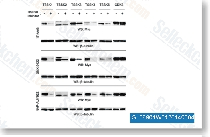
|
| S8049 | Tubastatin A | Tububastatin A is a potent and selective HDAC6 inhibitor with IC50 of 15 nM in a cell-free assay. It is selective against all the other isozymes (1000-fold) except HDAC8 (57-fold). This compound promotes autophagy and increases apoptosis. |
|
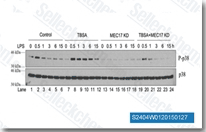
|
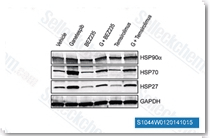
| S1044 | Temsirolimus (CCI-779) | Temsirolimus is a specific mTOR inhibitor with IC50 of 1.76 μM in a cell-free assay. Temsirolimus induces autophagy and apoptosis. |
|
|
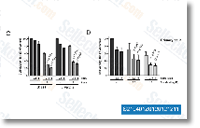
| S1533 | R406 (free base) | R406 (free base) is a potent Syk inhibitor with IC50 of 41 nM in a cell-free assay, strongly inhibits Syk but not Lyn, 5-fold less potent to Flt3. This compound triggers apoptosis. Phase 1. |
|
|
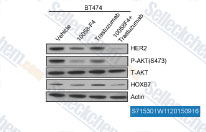
| S7153 | 10058-F4 | 10058-F4 is a c-Myc inhibitor that specificallly inhibits the c-Myc-Max interaction and prevents transactivation of c-Myc target gene expression. 10058-F4 promotes a caspase-3-dependent apoptosis and modulates autophagy. |
|
|
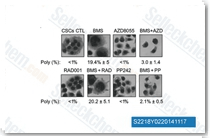
| S2218 | Torkinib (PP242) | Torkinib (PP242) is a selective mTOR inhibitor with IC50 of 8 nM in cell-free assays; this compound targets both mTOR complexes with >10- and 100-fold selectivity for mTOR than PI3Kδ or PI3Kα/β/γ, respectively. It induces mitophagy and apoptosis. |
|
|
| S4001 | Cabozantinib S-malate | Cabozantinib malate (XL184) is the malate of Cabozantinib, a potent VEGFR2 inhibitor with IC50 of 0.035 nM and also inhibits c-Met, Ret (c-Ret), Kit (c-Kit), Flt-1/3/4, Tie2, and AXL with IC50 of 1.3 nM, 4 nM, 4.6 nM, 12 nM/11.3 nM/6 nM, 14.3 nM and 7 nM in cell-free assays, respectively. Cabozantinib malate (XL184) induces apoptosis. |
|
|
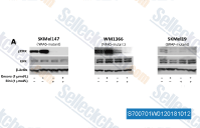
| S7007 | MEK162 (Binimetinib, ARRY-162) | Binimetinib (MEK162, ARRY-162, ARRY-438162) is a potent inhibitor of MEK1/2 with IC50 of 12 nM in a cell-free assay. Binimetinib induces G1 cell cycle arrest and apoptosis in human NSCLC cell lines and induces autophagy. Phase 3. |
|
|
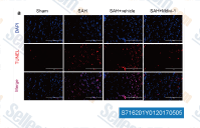
| S7162 | Mdivi-1 | Mdivi-1 (Mitochondrial division inhibitor 1) is a selective cell-permeable inhibitor of mitochondrial division DRP1 (dynamin-related GTPase) and mitochondrial division Dynamin I (Dnm1) with IC50 of 1-10 μM. Mdivi-1 attenuates mitophagy and enhances apoptosis. |
|
|
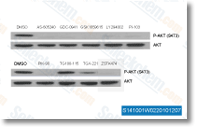
| S1038 | PI-103 | PI-103 is a multi-targeted PI3K inhibitor for p110α/β/δ/γ with IC50 of 2 nM/3 nM/3 nM/15 nM in cell-free assays, less potent to mTOR/DNA-PK with IC50 of 30 nM/23 nM. This compound induces apoptosis in murine T-cell Lymphoma. |
|
|
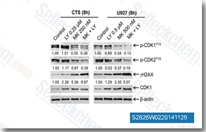
| S2626 | Rabusertib (LY2603618) | Rabusertib (LY2603618, IC-83) is a highly selective Chk1 inhibitor with potential anti-tumor activity in a cell-free assay. IC50=7 nM, showing approximately 100-fold more potent against Chk1 than against any of the other protein kinases evaluated. Rabusertib (LY2603618) induces cell cycle arrest, DNA damage response and autophagy in cancer cells. Rabusertib (LY2603618) induces bak-dependent apoptosis in AML cell lines. |
|
|
| S8075 | GANT 61 (NSC 136476) | GANT61 (NSC 136476) is an inhibitor for GLI1 as well as GLI2-induced transcription, inhibits hedgehog with IC50 of 5 μM in GLI1 expressing HEK293T cell, displays selectivity over other pathways, such as TNF and glucocorticoid receptor gene transactivation. GANT61 induces apoptosis and activates protective autophagy in LX-2 cells. |
|
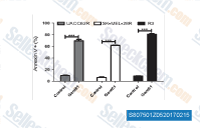
|
| S2736 | Fedratinib (TG101348) | Fedratinib (SAR302503, TG101348) is a selective inhibitor of JAK2 with IC50 of 3 nM in cell-free assays, 35- and 334-fold more selective for JAK2 versus JAK1 and JAK3. Fedratinib also inhibits FMS-like tyrosine kinase 3 (FLT3) and RET (c-RET) with IC50 of 15 nM and 48 nM, respectively. Fedratinib has potential antineoplastic activity. Fedratinib inhibits proliferation and induces apoptosis. Phase 2. |
|
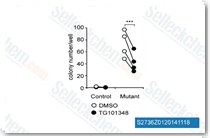
|
| S2013 | PF-573228 | PF-573228 is an ATP-competitive inhibitor of FAK with IC50 of 4 nM in a cell-free assay, ~50- to 250-fold selective for FAK than Pyk2, CDK1/7 and GSK-3β. This compound induces apoptosis. |
|
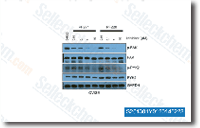
|
| S2727 | Dacomitinib (PF-299804) | Dacomitinib is a potent, irreversible pan-ErbB inhibitor, mostly to EGFR with IC50 of 6 nM in a cell-free assay. Dacomitinib inhibits ERBB2 and ERBB4 with IC50 of 45.7 nM and 73.7 nM, respectively. Dacomitinib is effective against NSCLCs with EGFR or ERBB2 mutations as well as those harboring the EGFR T790M mutation. Dacomitinib inhibits cell growth and induces apoptosis. Phase 2. |
|
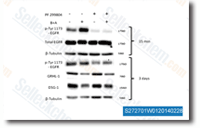
|
| S4701 | 2-DG (2-Deoxy-D-glucose) | 2-DG (2-Deoxy-D-glucose), an analog of glucose, is a glycolytic inhibitor with antiviral activity. 2-Deoxy-D-glucose induces apoptosis and inhibits Herpes Simplex Virus type-1 (HSV-1) receptor expression. |
|
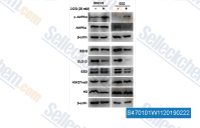
|
| S2783 | Vistusertib (AZD2014) | Vistusertib (AZD2014) is a novel mTOR inhibitor with IC50 of 2.8 nM in a cell-free assay, and is highly selective against multiple PI3K isoforms (α/β/γ/δ). It showed no or weak binding to the majority of kinases when tested at 1 μM. This compound induces proliferation suppression, apoptosis, cell cycle arrest, and autophagy in HCC cells with antitumor activity. |
|
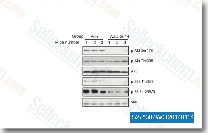
|
| S1233 | 2-Methoxyestradiol (2-MeOE2) | 2-Methoxyestradiol (2-MeOE2, NSC 659853, 2-ME2) depolymerizes microtubules and blocks HIF-1α nuclear accumulation and HIF-transcriptional activity. This compound also induces both autophagy and apoptosis in various carcinogenic cell lines. |
|
-S123306W0220150907.gif)
|
| S7015 | Birinapant (TL32711) | Birinapant is a SMAC mimetic antagonist, mostly to cIAP1 with Kd of <1 nM in a cell-free assay, less potent to XIAP. This compound helps to induce apoptosis in latent HIV-1-infected cells. Phase 2. |
|
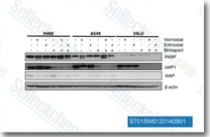
|
| S7612 | PX-478 Dihydrochloride | PX-478 2HCl is an orally active, and selective hypoxia-inducible factor-1α (HIF-1α) inhibitor. PX-478 2HCl induces apoptosis and has anti-tumor activity. Phase 1. |
|
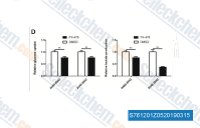
|
| S1108 | TAE684 (NVP-TAE684) | TAE684 (NVP-TAE684) is a potent and selective ALK inhibitor which blocked the growth of ALCL-derived and ALK-dependent cell lines with IC50 values between 2 and 10 nM, 100-fold more sensitive for ALK than InsR. This compound induces cell cycle arrest and apoptosis. |
|
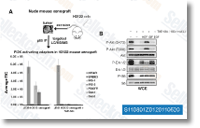
|
| S2788 | Capmatinib (INC280) | Capmatinib is a novel, ATP-competitive inhibitor of c-MET with IC50 of 0.13 nM in a cell-free assay, inactive against RONβ, as well as EGFR and HER-3. Capmatinib (INCB28060) inhibits Wnt/β-catenin and EMT signaling pathways and induces apoptosis in diffuse gastric cancer positive for c-MET amplification. Phase 1. |
|
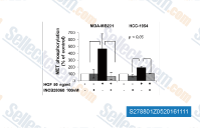
|
| S1396 | Resveratrol (trans-Resveratrol) | Resveratrol has a wide spectrum of targets including cyclooxygenases(i.e. COX, IC50=1.1 μM), lipooxygenases(LOX, IC50=2.7 μM), kinases, sirtuins and other proteins. It has anti-cancer, anti-inflammatory, blood-sugar-lowering and other beneficial cardiovascular effects. Resveratrol induces mitophagy/autophagy and autophagy-dependent apoptosis. |
|
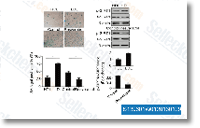
|
| S7536 | Lorlatinib (PF-6463922) | Lorlatinib (PF-6463922) is a potent, dual ALK/ROS1 inhibitor with Ki of <0.02 nM, <0.07 nM, and 0.7 nM for ROS1, ALK (WT), and ALK (L1196M), respectively. PF-06463922 induces apoptosis. Phase 1. |
|
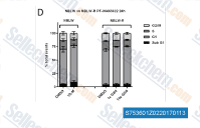
|
| S1159 | Ganetespib (STA-9090) | Ganetespib (STA-9090) is an HSP90 inhibitor with IC50 of 4 nM in OSA 8 cells, induces apoptosis of OSA cells while normal osteoblasts are not affected; active metabolite of STA-1474. Phase 3. |
|
|
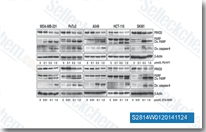
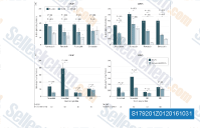
| S1792 | Simvastatin (MK-733) | Simvastatin is a competitive inhibitor of HMG-CoA reductase with Ki of 0.1-0.2 nM in cell-free assays. Simvastatin induces ferroptosis, mitophagy, autophagy and apoptosis. |
|
|
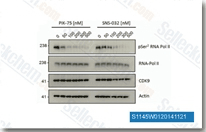
| S1145 | SNS-032 (BMS-387032) | SNS-032 (BMS-387032) has firstly been described as a selective inhibitor of CDK2 with IC50 of 48 nM in cell-free assays and is 10- and 20-fold selective over CDK1/CDK4. It is also found to be sensitive to CDK7/9 with IC50 of 62 nM/4 nM, with little effect on CDK6. This compound induces apoptosis. |
|
|
| S8341 | TAK-243 (MLN7243) | TAK-243 (MLN7243) is a potent, mechanism-based small-molecule inhibitor of the ubiquitin activating enzyme (UAE) with an IC50 of 1 ± 0.2 nM in the UBCH10 E2 thioester assay. It has minimal inhibitory activity in a panel of kinase and receptor assays, as well as on human carbonic anhydrase type I and type II. TAK-243 (MLN7243) induces ER stress, abrogates NFκB pathway activation and promotes apoptosis. |
|
|
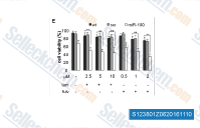
| S1238 | Tamoxifen | Tamoxifen is an orally active, selective estrogen receptor modulator (SERM) which exhibits both estrogenic agonist and antagonist effects. It blocks estrogen action in breast cells and can activate estrogen activity in other cells, such as bone, liver, and uterine cells. Tamoxifen is a potent Hsp90 activator and enhances the Hsp90 molecular chaperone ATPase activity. |
|
|
| S2796 | WP1066 | WP1066 is a novel inhibitor of JAK2 and STAT3 with IC50 of 2.30 μM and 2.43 μM in HEL cells; shows activity to JAK2, STAT3, STAT5, and ERK1/2 not JAK1 and JAK3. WP1066 induces apoptosis. Phase 1. |
|
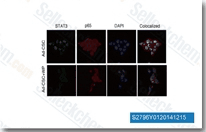
|
| S8001 | Ricolinostat (ACY-1215) | Ricolinostat (ACY-1215, Rocilinostat) is a selective HDAC6 inhibitor with IC50 of 5 nM in a cell-free assay. It is >10-fold more selective for HDAC6 than HDAC1/2/3 (class I HDACs) with slight activity against HDAC8, minimal activity against HDAC4/5/7/9/11, Sirtuin1, and Sirtuin2. Ricolinostat (ACY-1215) suppresses cell proliferation and promotes apoptosis. Phase 2. |
|
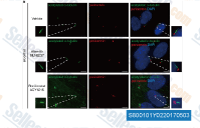
|
| S2824 | TPCA-1 | TPCA-1 (GW683965) is an inhibitor of IKK-2 with IC50 of 17.9 nM in a cell-free assay, inhibits NF-κB pathway, exhibits 22-fold selectivity over IKK-1. TPCA-1 is also an inhibitor of STAT3 and enhances apoptosis. |
|
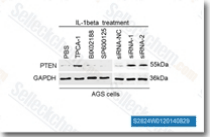
|
| S2285 | Cryptotanshinone (Tanshinone C) | Cryptotanshinone (Tanshinone C) is a STAT3 inhibitor with IC50 of 4.6 μM in a cell-free assay, strongly inhibiting phosphorylation of STAT3 Tyr705 with a small effect on STAT3 Ser727, but none against STAT1 nor STAT5. It also induces ROS-dependent autophagy and mitochondria-mediated apoptosis. |
|
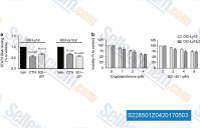
|
| S2893 | NU7026 | NU7026 (LY293646) is a potent DNA-PK inhibitor with IC50 of 0.23 μM in cell-free assays, 60-fold selective for DNA-PK than PI3K and inactive against both ATM and ATR. This compound enhances G2/M cell arrest and apoptosis. |
|
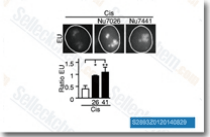
|
| S2817 | Torin 2 | Torin 2 is a potent and selective mTOR inhibitor with IC50 of 0.25 nM in p53−/− MEFs cell line; 800-fold greater selectivity for mTOR than PI3K and improved pharmacokinetic properties. This compound inhibits ATM/ATR/DNA-PK with EC50 of 28 nM/35 nM/118 nM,in PC3 cell lines respectively. It decreases cell viability and induces autophagy and apoptosis. |
|
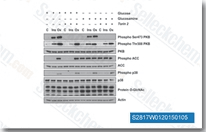
|
| S1080 | SU11274 | SU11274 (PKI-SU11274) is a selective Met (c-Met) inhibitor with IC50 of 10 nM in cell-free assays, no effects on PGDFRβ, EGFR or Tie2. This compound induces autophagy, apoptosis and cell cycle arrest. |
|
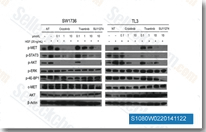
|
| S1231 | Topotecan HCl | Topotecan HCl is a topoisomerase I inhibitor for MCF-7 Luc cells and DU-145 Luc cells with IC50 of 13 nM and 2 nM in cell-free assays, respectively. This compound induces autophagy and apoptosis. |
|
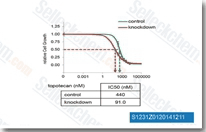
|
| S2485 | Mitoxantrone Dihydrochloride (NSC 301739) | Mitoxantrone 2HCl is a dihydrochloride salt of Mitoxantrone. Mitoxantrone is an inhibitor of type II topoisomerase and protein kinase C (PKC) with IC50 of 8.5 μM for PKC. Mitoxantrone inhibits cell proliferative growth of MCF-7/wt cells with IC50 of 0.42 μM. Mitoxantrone also induces apoptosis. |
|
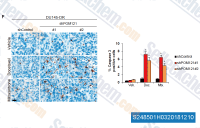
|
| S2012 | PCI-34051 | PCI-34051 is a potent and specific HDAC8 inhibitor with IC50 of 10 nM in a cell-free assay. It has greater than 200-fold selectivity over HDAC1 and 6, more than 1000-fold selectivity over HDAC2, 3, and 10. PCI-34051 induces caspase-dependent apoptosis. |
|
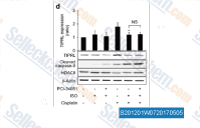
|
| S5958 | Metformin (1,1-Dimethylbiguanide) | Metformin (1,1-Dimethylbiguanide), a widely used drug for treatment of type 2 diabetes, activates AMP-activated protein kinase (AMPK) in hepatocytes. Metformin promotes mitophagy in mononuclear cells. Metformin induces apoptosis of lung cancer cells through activating JNK/p38 MAPK pathway and GADD153. |
|
|
| S1524 | AT7519 | AT7519 is a multi-CDK inhibitor for CDK1, 2, 4, 6 and 9 with IC50 of 10-210 nM. It is less potent to CDK3 and little active to CDK7. This compound also decrease GSK3β phosphorylation. It induces apoptosis. Phase 2. |
|
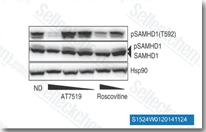
|
| S2391 | Quercetin (Sophoretin) | Quercetin, a natural flavonoid present in vegetables, fruit and wine, is a stimulator of recombinant SIRT1 and also a PI3K inhibitor with IC50 of 2.4-5.4 μM. Quercetin induces mitophagy, apoptosis and protective autophagy. Phase 4. |
|
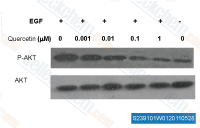
|
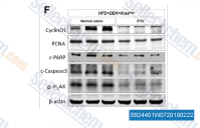
| S8244 | Etomoxir sodium salt | Etomoxir sodium salt ((R)-(+)-Etomoxir sodium salt) is an irreversible inhibitor of carnitine palmitoyltransferase-1 (CPT-1) on the outer face of the inner mitochondrial membrane. Etomoxir enhances palmitate-induced cell apoptosis. |
|
|
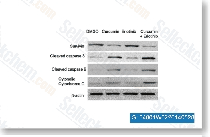
| S1848 | Curcumin (Diferuloylmethane) | Curcumin (Diferuloylmethane, Natural Yellow 3, Turmeric yellow) is the principal curcuminoid of the popular Indian spice turmeric, which is a member of the ginger family (Zingiberaceae). It is an inhibitor of p300 histone acetylatransferase(IC50~25 μM)and Histone deacetylase (HDAC); activates Nrf2 pathway and supresses the activation of NF-κB. Curcumin induces mitophagy, autophagy, apoptosis, and cell cycle arrest with antitumor activity. Curcumin reduces renal damage associated with rhabdomyolysis by decreasing ferroptosis-mediated cell death. Curcumin exhibits anti-infective properties against various human pathogens like the influenza virus, hepatitis C virus, HIV and so on. |
|
|
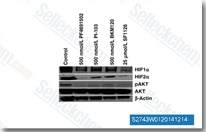
| S2743 | PF-04691502 | PF-04691502 (PF4691502) is an ATP-competitive PI3K(α/β/δ/γ)/mTOR dual inhibitor with Ki of 1.8 nM/2.1 nM/1.6 nM/1.9 nM and 16 nM in cell-free assays, little activity against either Vps34, AKT, PDK1, p70S6K, MEK, ERK, p38, or JNK. This compound induces apoptosis. Phase 2. |
|
|
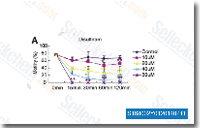
| S1680 | Tetraethylthiuram disulfide (Disulfiram) | Disulfiram is a specific inhibitor of aldehyde-dehydrogenase (ALDH) with IC50 of 0.15 μM and 1.45 μM for hALDH1 and hALDH2, respectively. Disulfiram is used for the treatment of chronic alcoholism by producing an acute sensitivity to alcohol. Disulfiram induces apoptosis. Disulfiram is also an inhibitor of pore formation by gasdermin D (GSDMD). |
|
|
| S8375 | AZD0156 | AZD0156 is a potent and selective inhibitors of ATM kinase, with potential chemo-/radio-sensitizing and antineoplastic activities. AZD0156 prevents DNA damage checkpoint activation, disrupts DNA damage repair, induces tumor cell apoptosis, and leads to cell death of ATM-overexpressing tumor cells. |
|
|
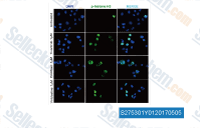
| S2753 | Tivantinib | Tivantinib is the first non-ATP-competitive c-Met inhibitor with Ki of 0.355 μM in a cell-free assay, little activity to Ron, and no inhibition to EGFR, InsR, PDGFRα or FGFR1/4. This compound induces a G2/M arrest and apoptosis. |
|
|
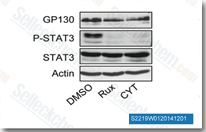
| S2219 | Momelotinib (CYT387) | Momelotinib (CYT387, LM-1149, CYT11387) is an ATP-competitive inhibitor of JAK1/JAK2 with IC50 of 11 nM/18 nM, ~10-fold selectivity versus JAK3. This compound induces apoptosis and autophagy. Phase 3. |
|
|
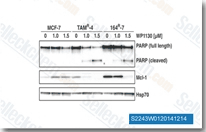
| S2243 | Degrasyn (WP1130) | Degrasyn (WP1130) is a selective deubiquitinase (DUB: USP5, UCH-L1, USP9x, USP14, and UCH37) inhibitor and also suppresses Bcr/Abl, also a JAK2 transducer (without affecting 20S proteasome) and activator of transcription (STAT). This compound induces apoptosis and blocks autophagy. |
|
|
| S1223 | Epirubicin HCl | Epirubicin HCl, a semisynthetic L-arabino derivative of doxorubicin, is an antineoplastic agent by inhibiting Topoisomerase. Epirubicin induces apoptosis. |
|
|
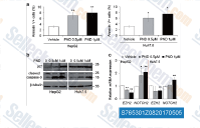
| S7653 | VS-4718 (PND-1186) | VS-4718 (PND-1186) is a reversible and selective FAK inhibitor with IC50 of 1.5 nM, which selectively promotes tumor cell apoptosis. Phase 1. |
|
|
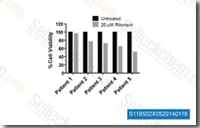
| S1185 | Ritonavir | Ritonavir is a Cytochrome P450 3A and Protease Inhibitor; Also inhibits Cytochrome P450 2D6, P-Glycoprotein and induces Cytochrome P450 2C19, Cytochrome P450 1A2, Cytochrome P450 2C9, Cytochrome P450 2B6 and UDP Glucuronosyltransferases. This compound induces apoptosis. |
|
|
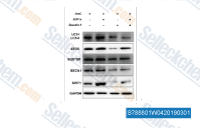
| S7888 | Spautin-1 | Spautin-1 is a potent and specific autophagy inhibitor, and inhibits the deubiquitinating activity of USP10 and USP13 with IC50 of ∼0.6-0.7 μM. This compound enhances apoptosis. |
|
|
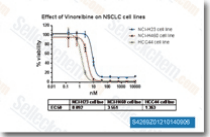
| S4269 | Vinorelbine Ditartrate (KW-2307) | Vinorelbine ditartrate is a semi-synthetic vinca alkaloid, and inhibits mitosis through interaction with tubulin. Vinorelbine Tartrate exhibits anti-tumor activities via inducing the mitotic apoptosis, autophagy and inflammation. |
|
|
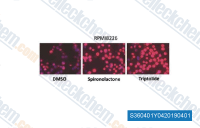
| S3604 | Triptolide | Triptolide is a diterpene triepoxide, immunosuppresive agent extracted from the Chinese herb Tripterygium wilfordii. It functions as a NF-κB inhibitor with dual actions by disruption of p65/CBP interaction and by reduction of p65 protein. Triptolide (PG490) abrogates the transactivation function of heat shock transcription factor 1 (HSF1). Triptolide inhibits MDM2 and induces apoptosis through a p53-independent pathway. |
|
|
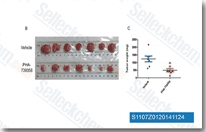
| S1107 | Danusertib (PHA-739358) | Danusertib (PHA-739358) is an Aurora kinase inhibitor for Aurora A/B/C with IC50 of 13 nM/79 nM/61 nM in cell-free assays, modestly potent to Abl, TrkA, c-RET and FGFR1, and less potent to Lck, VEGFR2/3, c-Kit, CDK2, etc. It induces apoptosis, cell cycle arrest, and autophagy. This compound is in Phase 2. |
|
|
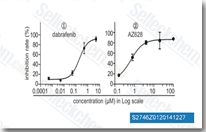
| S2746 | AZ 628 | AZ628 is a new pan-Raf inhibitor for BRAF, BRAFV600E, and c-Raf-1 with IC50 of 105 nM, 34 nM and 29 nM in cell-free assays, also inhibits VEGFR2, DDR2, Lyn, Flt1, FMS, etc. AZ628 induces apoptosis. |
|
|
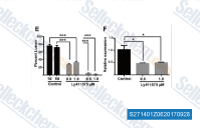
| S2714 | LY411575 | LY411575 is a potent γ-secretase inhibitor with IC50 of 0.078 nM/0.082 nM (membrane/cell-based), also inhibits Notch cleavage with IC50 of 0.39 nM in APP or NΔE expressing HEK293 cells. LY411575 induces apoptosis. |
|
|
| S4505 | Vinblastine sulfate | Vinblastine sulfate inhibits microtubule formation and suppresses nAChR activity with IC50 of 8.9 μM in a cell-free assay, used to treat certain kinds of cancer. This compound induces autophagy and apoptosis. |
|
|
| S7198 | GSK-3 Inhibitor IX (BIO) | BIO (GSK-3 Inhibitor IX, 6-bromoindirubin-3-oxime, 6-Bromoindirubin-3'-oxime, MLS 2052) is a specific inhibitor of GSK-3 with IC50 of 5 nM for GSK-3α/β in a cell-free assay, shows >16-fold selectivity over CDK5, also a pan-JAK inhibitor with IC50 of 30 nM for Tyk2. BIO induces apoptosis in human melanoma cells. |
|
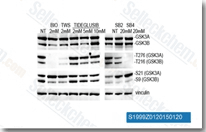
|
| S2198 | SGI-1776 free base | SGI-1776 free base is a novel ATP competitive inhibitor of Pim1 with IC50 of 7 nM in a cell-free assay, 50- and 10-fold selective versus Pim2 and Pim3, also potent to Flt3 and haspin. SGI-1776 induces apoptosis and autophagy. |
|
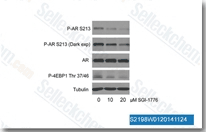
|
| S7625 | Niraparib tosylate | Niraparib tosylate is a selective inhibitor of PARP1/PARP2 with IC50 of 3.8 nM/2.1 nM. Niraparib increases formation of PARP-DNA complexes resulting in DNA damage, apoptosis, and cell death. |
|
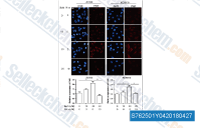
|
| S7104 | AZD1208 | AZD1208 is a potent, and orally available Pim kinase inhibitor with IC50 of 0.4 nM, 5 nM, and 1.9 nM for Pim1, Pim2, and Pim3 in cell-free assays, respectively. This compound induces autophagy, cell cycle arrest and apoptosis. Phase 1. |
|
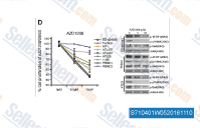
|
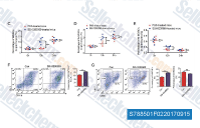
| S7885 | SBI-0206965 | SBI-0206965 is a highly selective autophagy kinase ULK1 inhibitor with IC50 of 108 nM, about 7-fold selectivity over ULK2. SBI-0206965 inhibits autophagy and enhances apoptosis in human glioblastoma and lung cancer cells. |
|
|
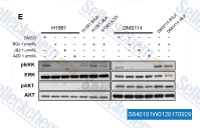
| S8401 | Erdafitinib (JNJ-42756493) | Erdafitinib is a potent and selective orally bioavailable, pan fibroblast growth factor receptor (FGFR) inhibitor with potential antineoplastic activity. This compound also binds to RET (c-RET), CSF-1R, PDGFR-α/PDGFR-β, FLT4, Kit (c-Kit) and VEGFR-2 and induces cellular apoptosis. |
|
|
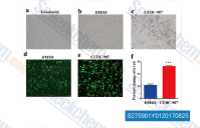
| S2759 | Fimepinostat (CUDC-907) | CUDC-907 is a dual PI3K and HDAC inhibitor for PI3Kα and HDAC1/2/3/10 with IC50 of 19 nM and 1.7 nM/5 nM/1.8 nM/2.8 nM, respectively. CUDC-907 induces cell cycle arrest and apoptosis in breast cancer cells. Phase 1. |
|
|
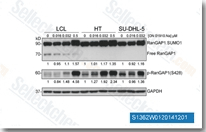
| S1362 | Rigosertib Sodium (ON-01910) | Rigosertib (ON-01910) is a non-ATP-competitive inhibitor of PLK1 with IC50 of 9 nM in a cell-free assay. It shows 30-fold greater selectivity against Plk2 and no activity to Plk3. Rigosertib inhibits PI3K/Akt pathway and activates oxidative stress signals. Rigosertib induces apoptosis in various cancer cells. Phase 3. |
|
|
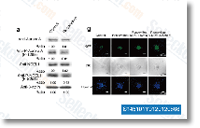
| S1451 | TCS7010 (Aurora A Inhibitor I) | TCS7010 (Aurora A Inhibitor I) is a novel, potent, and selective inhibitor of Aurora A with IC50 of 3.4 nM in a cell-free assay. It is 1000-fold more selective for Aurora A than Aurora B, and triggers apoptosis through the ROS-mediated UPR signaling pathway. |
|
|
| S7895 | Thapsigargin | Thapsigargin is a potent, non-competitive inhibitor of the sarco/endoplasmic reticulum Ca2+ ATPase (SERCA) with IC50 of 0.353 nM or 0.448 nM for the carbachol-evoked [Ca2+]i-transients with or without a KCl-prestimulation. Thapsigargin induces cell apoptosis. Thapsigargin is extracted from a plant, Thapsia garganica. |
|
|
| S7358 | Poziotinib (NOV120101, HM781-36B) | Poziotinib is an irreversible pan-HER inhibitor with IC50 of 3.2 nM, 5.3 nM and 23.5 nM for HER1, HER2, and HER4, respectively. Poziotinib also induces apoptosis and G1 cell cycle arrest. Phase 2. |
|
|
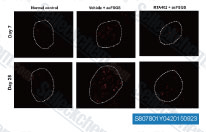
| S8078 | Bardoxolone Methyl (RTA 402) | Bardoxolone Methyl (RTA 402, TP-155, NSC 713200, CDDO Methyl Ester, CDDO-Me) is an IKK inhibitor, showing potent proapoptotic and anti-inflammatory activities; Also a potent Nrf2 activator and nuclear factor-κB (NF-κB) inhibitor. Bardoxolone Methyl abrogates ferroptosis. Bardoxolone methyl induces apoptosis and autophagy in cancer cells. |
|
|
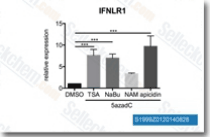
| S1999 | Sodium butyrate | Sodium butyrate (NaB, Butanoic acid sodium salt), sodium salt of butyric acid, is a histone deacetylase inhibitor and competitively binds to the zinc sites of class I and II histone deacetylases (HDACs). This compound inhibits cell cycle progression, promotes differentiation, and induces apoptosis and autophagy in several types of cancer cells. |
|
|
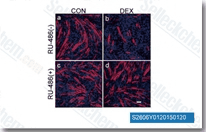
| S2606 | Mifepristone (RU-486) | Mifepristone is a remarkably active antagonist of progesterone receptor and glucocorticoid receptor with IC50 of 0.2 nM and 2.6 nM, respectively. Mifepristone promotes cell autophagy and apoptosis, decreases Bcl-2 level and increases Beclin1 level, accompanied by weakened interaction between Bcl-2 and Beclin1.Mifepristone (RU486) can be used to induce animal models of Spontaneous Abortion. |
|
|
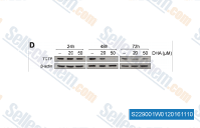
| S2290 | DHA (Dihydroartemisinin) | Dihydroartemisinin (DHA), a semi-synthetic derivative of artemisinin, is isolated from the traditional Chinese herb Artemisia annua. It induces autophagy and apoptosis by suppressing NF-κB activation. |
|
|
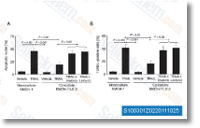
| S1003 | Linifanib (ABT-869) | Linifanib (ABT-869, AL39324, RG3635) is a novel, potent ATP-competitive VEGFR/PDGFR inhibitor for KDR, CSF-1R, Flt-1/3 and PDGFRβ with IC50 of 4 nM, 3 nM, 3 nM/4 nM and 66 nM respectively, mostly effective in mutant kinase-dependent cancer cells (i.e. FLT3). This compound induces autophagy and apoptosis, and is in Phase 3. |
|
|
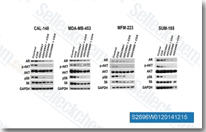
| S2696 | Apitolisib (GDC-0980) | Apitolisib (GDC-0980, RG7422, GNE 390) is a potent, class I PI3K inhibitor for PI3Kα/β/δ/γ with IC50 of 5 nM/27 nM/7 nM/14 nM in cell-free assays, respectively. It also acts as a mTOR inhibitor with Ki of 17 nM in a cell-free assay, and is highly selective versus other PIKK family kinases. This compound activates autophagy and apoptosis simultaneously in pancreatic cancer cells. Phase 2. |
|
|
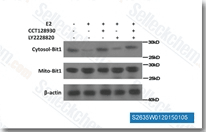
| S2635 | CCT128930 | CCT128930 is a potent, ATP-competitive and selective inhibitor of Akt2 with IC50 of 6 nM in a cell-free assay, 28-fold greater selectivity for Akt2 than the closely related PKA kinase. This compound induces cell cycle arrest, DNA damage, and autophagy independent of Akt inhibition. High dose of this chemical triggers cell apoptosis in HepG2 cells. |
|
|
| S2310 | Honokiol | Honokiol is the active principle of magnolia extract that inhibits Akt-phosphorylation and promotes ERK1/2 phosphorylation. This compound causes G0/G1 phase arrest, induces apoptosis, and autophagy via the ROS/ERK1/2 signaling pathway. It inhibits hepatitis C virus (HCV) infection. Phase 3. |
|
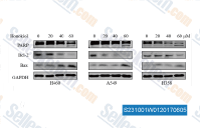
|
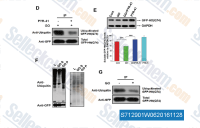
| S7129 | PYR-41 | PYR-41 is the first cell-permeable inhibitor of ubiquitin-activating enzyme E1, with no activity at E2. This compound induces apoptosis. |
|
|
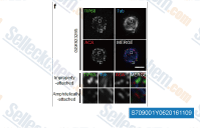
| S7090 | GSK-923295 | GSK923295 is a first-in-class, specific allosteric inhibitor of CENP-E kinesin motor ATPase with Ki of 3.2 nM, and less potent to mutant I182 and T183. GSK923295 induces post-mitotic apoptosis. Phase 1. |
|
|
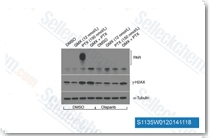
| S7785 | Pemetrexed Disodium Hydrate | Pemetrexed Disodium Hydrate (LY-231514) is a novel antifolate and antimetabolite for TS, DHFR and GARFT with Ki of 1.3 nM, 7.2 nM and 65 nM, respectively. This compound stimulates autophagy and apoptosis. |
|
|
| S1312 | Streptozotocin (STZ) | STZ (Streptozotocin) is a glucosamine-nitrosourea compound derived from Streptomyces achromogenes, which is a DNA-methylating, carcinogenic, antibiotic and diabetes inducing agent. Streptozotocin induces autophagy and apoptosis. Streptozotocin (STZ) can be used to induce animal models of diabetes. Solutions are unstable and should be fresh-prepared. |
|
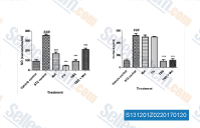
|
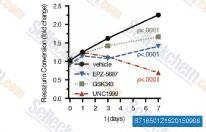
| S7165 | UNC1999 | UNC1999 is a potent, orally bioavailable and selective inhibitor of EZH2 and EZH1 with IC50 of 2 nM and 45 nM in cell-free assays, respectively, showing >1000-fold selectivity over a broad range of epigenetic and non-epigenetic targets. This compound is a potent autophagy inducer. It specifically suppresses H3K27me3/2 and induces a range of anti-leukemia effects including anti-proliferation, differentiation, and apoptosis. |
|
|
| S5971 | Pemetrexed | Pemetrexed (LY231514) is a novel antifolate and antimetabolite for thymidylate synthase (TS), dihydrofolate reductase (DHFR) and glycinamide ribonucleotide formyltransferase (GARFT) with Ki of 1.3 nM, 7.2 nM and 65 nM in cell-free assays, respectively. This compound induces autophagy and apoptosis. |
|
|
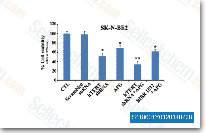
| S1186 | BIBR 1532 | BIBR 1532 is a potent, selective, non-competitive telomerase inhibitor with IC50 of 100 nM in a cell-free assay. No inhibition of DNA and RNA polymerases, including HIV reverse transcriptase are observed at concentrations vastly exceeding the IC50 for telomerase. This compound induces apoptosis in cancer cells. |
|
|
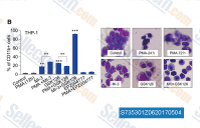
| S7353 | EPZ004777 | EPZ004777 is a potent, selective DOT1L inhibitor with IC50 of 0.4 nM in a cell-free assay and demonstrates >1,200-fold selectivity for DOT1L over all other tested PMTs. EPZ004777 induces apoptosis. |
|
|
| S5248 | Apatinib (YN968D1) | Apatinib (Rivoceranib, YN968D1) is a potent inhibitor of the VEGF signaling pathway with IC50 values of 1 nM, 13 nM, 429 nM and 530 nM for VEGFR-2, Ret (c-Ret), c-Kit and c-Src, respectively. Apatinib induces both autophagy and apoptosis. |
|
|
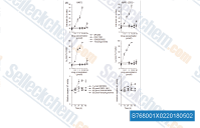
| S7680 | SP2509 | SP2509 (HCI-2509) is a selective histone demethylase LSD1 inhibitor with IC50 of 13 nM, showing no activity against MAO-A, MAO-B, lactate dehydrogenase and glucose oxidase. This compound induces apoptosis and promotes autophagy. |
|
|
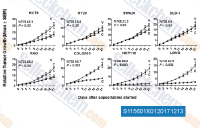
| S1156 | Capecitabine | Capecitabine is a tumor-selective fluoropyrimidine carbamate, which achieves higher intratumoral 5-FU level with lower toxicity than 5-FU. Capecitabine treatment of HCT-15 cells causes condensation of DNA and induces apoptosis. |
|
|
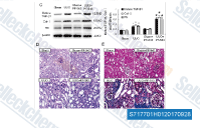
| S7177 | PF-543 hydrochloride | PF-543 hydrochloride, a novel sphingosine-competitive inhibitor of SphK1, inhibits SphK1 with IC50 and Ki of 2.0 nM and 3.6 nM, exhibits >100-fold selectivity over the SphK2 isoform. This compound induces apoptosis, necrosis, and autophagy. |
|
|
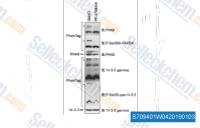
| S7094 | PF-3758309 | PF-03758309 (PF-03758309) is a potent, ATP-competitive, pyrrolopyrazole inhibitor of PAK4 with Kd of 2.7 nM. This compound is antiproliferative and induces apoptosis in a HCT116 tumor model. |
|
|
| S7776 | AKTi-1/2 (AKT Inhibitor VIII) | Akti-1/2 (Akt Inhibitor VIII) is a highly selective Akt1/Akt2 inhibitor with IC50 of 58 nM/210 nM, respectively, about 36-fold selectivity for Akt1 over Akt3. Akti-1/2 induces apoptosis. |
|
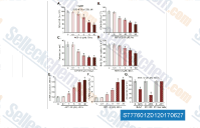
|
| S6871 | Sodium oxamate | Sodium oxamate (SO, Aminooxoacetic acid, Oxamic acid) is an inhibitor of lactate dehydrogenase (LDH) that specificly inhibits LDH‑A. This compound induces G2/M cell cycle arrest via downregulation of the CDK1/cyclin B1 pathway and promotes apoptosis through enhancement of mitochondrial ROS generation. |
|
|
| S1452 | Ispinesib (SB-715992) | Ispinesib (SB-715992, CK0238273) is a potent, specific and reversible inhibitor of kinesin spindle protein (KSP) with Ki app of 1.7 nM in a cell-free assay, showing no inhibition to CENP-E, RabK6, MCAK, MKLP1, KHC or Kif1A. This compound induces mitotic arrest and apoptotic cell death. |
|
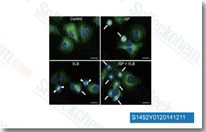
|
| S1759 | Pitavastatin (NK-104) Calcium | Pitavastatin calcium, a novel member of the medication class of statins, is a calcium salt formulation of pitavastatin which is a highly effective HMG-CoA reductase inhibitor. Pitavastatin Calcium attenuates AGEs-induced mitophagy via inhibition of ROS generation. Pitavastatin Calcium induces autophagy and apoptosis. |
|

|
| S7396 | Calpeptin | Calpeptin is a potent, cell-permeable calpain inhibitor with ID50 of 52 nM, 34 nM, 138 nM, and 40 nM for Calpain I (porcine erythrocytes), Calpain II (porcine kidney), Papainb, and Calpain I (human platelets), respectively. This compound attenuates apoptosis and intracellular inflammatory changes in muscle cells. |
|
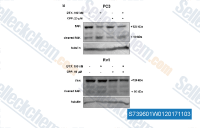
|
| S8141 | Cl-amidine | Cl-amidine is an irreversible pan-peptidylarginine deiminase (PAD) inhibitor with IC50 values of 5.9 ± 0.3 μM, 0.8 ± 0.3 μM, 6.2 ± 1.0 μM for PAD4, PAD1 and PAD3, respectively. Cl-amidine induces apoptosis. |
|
|
| S7369 | 4EGI-1 | 4EGI-1 is a competitive eIF4E/eIF4G interaction inhibitor by binding to eIF4E with KD of 25 μM. 4EGI-1 specifically inhibits the function of mTOR by blocking the activation of 4E-BP1. 4EGI-1 induces apoptosis. |
|
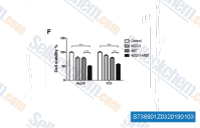
|
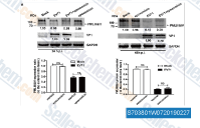
| S7038 | Epoxomicin (BU-4061T) | Epoxomicin (BU-4061T, Aids010837) is a selective proteasome inhibitor with anti-inflammatory activity, which primarily inhibits the CH-L activity of the 20S proteasome, while T-L and PGPH catalytic activities are also inhibited at 100- and 1000-fold reduced rate. This compound promotes apoptosis and can be used to induce animal models of Parkinson's Disease. |
|
|
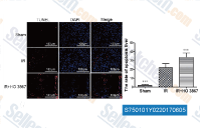
| S7501 | HO-3867 | HO-3867, an analog of curcumin, is a selective STAT3 inhibitor that inhibits its phosphorylation, transcription, and DNA binding without affecting the expression of other active STATs. This compound induces apoptosis. |
|
|
| S8246 | RK-33 | RK-33 is a first-in-class small molecule inhibitor of DDX3 (a RNA helicase) and causes G1 cell cycle arrest, induces apoptosis, and promotes radiation sensitization in DDX3-overexpressing cells. |
|
|
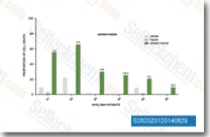
| S2820 | TAE226 (NVP-TAE226) | TAE226 (NVP-TAE226) is a potent FAK inhibitor with IC50 of 5.5 nM and modestly potent to Pyk2, ~10- to 100-fold less potent against InsR, IGF-1R, ALK, and c-Met. This compound induces apoptosis. |
|
|
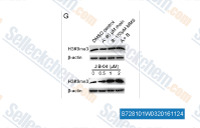
| S7281 | JIB-04 | JIB-04 (NSC 693627) is a pan-selective Jumonji histone demethylase inhibitor with IC50 of 230, 340, 855, 445, 435, 1100, and 290 nM for JARID1A, JMJD2E, JMJD3, JMJD2A, JMJD2B, JMJD2C, and JMJD2D in cell-free assays, respectively. This compound also induces cell apoptosis. |
|
|
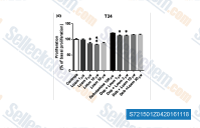
| S7215 | Losmapimod | Losmapimod is a selective, potent, and orally active p38 MAPK inhibitor with pKi of 8.1 and 7.6 for p38α and p38β, respectively. P38 MAPKs are involved in cell differentiation, apoptosis and autophagy. Phase 3. |
|
|
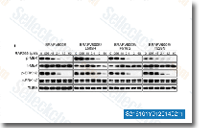
| S2161 | RAF265 (CHIR-265) | RAF265 (CHIR-265) is a potent selective inhibitor of C-Raf/B-Raf/B-Raf V600E with IC50 of 3-60 nM, and exhibits potent inhibition on VEGFR2 phosphorylation with EC50 of 30 nM in cell-free assays. This compound induces cell cycle arrest and apoptosis. Phase 2. |
|
|
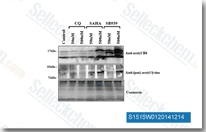
| S1515 | Pracinostat (SB939) | Pracinostat (SB939) is a potent pan-HDAC inhibitor with IC50 of 40-140 nM with exception for HDAC6. It has no activity against the class III isoenzyme SIRT I. This compound induces apoptosis in tumor cells. Phase 2. |
|
|
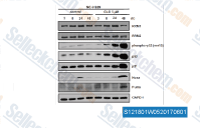
| S1218 | Clofarabine | Clofarabine (Clolar) inhibits the enzymatic activities of ribonucleotide reductase (RNR) (IC50 = 65 nM) and DNA polymerase. Clofarabine induces autophagy and apoptosis. |
|
|
| S8615 | Sodium Dichloroacetate (DCA) | DCA (Sodium dichloroacetate), a specific inhibitor of pyruvate dehydrogenase kinase (PDK) with IC50 values of 183 and 80 μM for PDK2 and PDK4 respectively, has been shown to derepress Na+-K+-2Cl- cotransporter and a mitochondrial potassium-ion channel axis. Sodium dichloroacetate increases reactive oxygen species (ROS) generation, triggers apoptosis in cancer cells, and inhibits tumor growth. |
|
|
| S1972 | Tamoxifen Citrate | Tamoxifen Citrate is a selective estrogen receptor modulator (SERM). Tamoxifen Citrate is also a potent Hsp90 activator and enhances the Hsp90 molecular chaperone ATPase activity. Tamoxifen induces apoptosis and autophagy. |
|
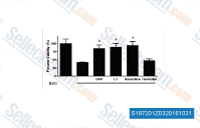
|
| S7076 | T0901317 | T0901317 is a potent and selective agonist for both LXR and FXR, with EC50 of 20nM for LXRα and 5 μM for FXR, respectively. This compound is a dual inverse agonist of RORα and RORγ with Ki of 132 nM and 51 nM, respectively. It significantly suppresses cell proliferation and induces apoptosis. |
|
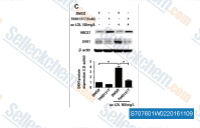
|
| S1244 | Amuvatinib (MP-470) | Amuvatinib (MP-470, HPK 56) is a potent and multi-targeted inhibitor of c-Kit, PDGFRα and Flt3 with IC50 of 10 nM, 40 nM and 81 nM, respectively. It suppresses c-MET and c-RET, and is also active as a DNA repair protein Rad51 inhibitor with antineoplastic activity. Phase 2. |
|
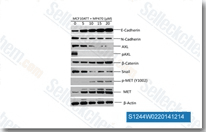
|
| S2729 | SB415286 | SB415286 is a potent GSK3α inhibitor with IC50/Ki of 78 nM/31 nM with equally effective inhibition of GSK-3β. This compound causes MM cell growth arrest and apoptosis. |
|
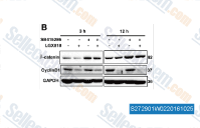
|
| S1692 | Busulfan | Busulfan is a cell cycle non-specific alkylating antineoplastic agent. It causes DNA damage by cross-linking DNAs and DNA and proteins. Busulfan inhibits thioredoxin reductase activity. It also induces apoptosis. It is an immunosuppressive and myeloablative chemotherapeutic agent.Busulfan (NSC-750) can be used to induce animal models of Anemia. |
|
|
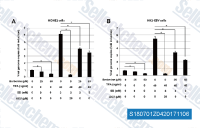
| S1807 | Acyclovir (Aciclovir) | Acyclovir (Aciclovir) is a synthetic nucleoside analogue active against herpesviruses, and it induces cell cycle perturbation and apoptosis in Jurkat leukemia cells. |
|
|
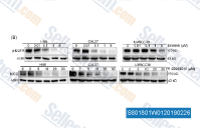
| S8018 | Nirogacestat (PF-03084014) | Nirogacestat (PF-03084014, PF-3084014) is a selective gamma-secretase inhibitor with IC50 of 6.2 nM in a cell-free assay, and it induces apoptosis. Phase 2. |
|
|
| S8523 | GSK2256098 | GSK2256098 is a potent, selective, reversible, and ATP competitive FAK kinase inhibitor with apparent Ki of 0.4 nM. This compound inhibits cancer cell growth and induces apoptosis. |
|
|
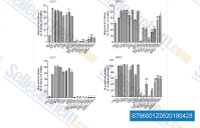
| S7960 | Larotrectinib sulfate | Larotrectinib sulfate is an oral potent and selective ATP-competitive inhibitor of tropomyosin receptor kinases (TRK). Larotrectinib inhibition of TRKs induces cellular apoptosis and G1 cell-cycle arrest. |
|
|
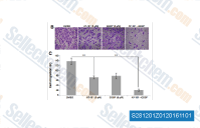
| S2812 | (R)-(-)-Gossypol (AT-101) acetic acid | (R)-(-)-Gossypol (AT-101) acetic acid, the R-(-) enantiomer of Gossypol acetic acid, binds with Bcl-2, Bcl-xL and Mcl-1 with Ki of 0.32 μM, 0.48 μM and 0.18 μM in cell-free assays; does not inhibit BIR3 domain and BID. AT-101 simultaneously triggers apoptosis and a cytoprotective type of autophagy. Phase 2. |
|
|
| S2891 | GW441756 | GW441756 is a potent, selective inhibitor of TrkA with IC50 of 2 nM, with very little activity to c-Raf1 and CDK2. This compound produces a relevant increase of caspase-3 that leads to apoptosis. |
|
|
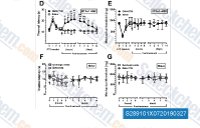
| S7379 | E-64 | E-64 is an irreversible and selective cysteine protease inhibitor, and also inhibits papain, calpain, and cathepsins B and H, but not serine proteases or aspartic proteases. The IC50 for papain is 9 nM. This compound induces oxidative stress and apoptosis in Filarial Parasite. |
|
|
| S1576 | Sulfasalazine | Sulfasalazine is a sulfa derivative of mesalazine, used as an anti-inflammatory agent to treat bowel disease and rheumatoid arthritis. This compound is a potent and specific inhibitor of nuclear factor kappa B (NF-κB), TGF-β and COX-2. It induces ferroptosis, apoptosis and autophagy. |
|
|
| S7724 | Eprenetapopt (APR-246) | Eprenetapopt (APR-246, PRIMA-1MET) is a small organic molecule that has been shown to restore tumour-suppressor function primarily to mutant p53 and also to induce cell death in various cancer types. It induces apoptosis and autophagy. |
|
|
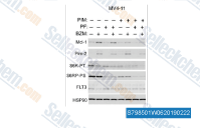
| S7985 | PIM447 (LGH447) Hydrochloride | PIM447 (LGH447) Hydrochloride is a novel pan-PIM kinase inhibitor with Ki values of 6 pM, 18 pM, 9 pM for PIM1, PIM2, PIM3 respectively. It also inhibits GSK3β, PKN1, and PKCτ, but at a significantly lower potency with IC50 between 1 and 5 μM (>105-fold differential relative to the Ki on PIMs). PIM447 induces apoptosis. |
|
|
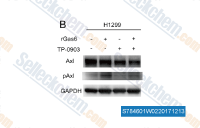
| S7846 | Dubermatinib(TP-0903) | Dubermatinib (TP-0903) is a potent and selective AXL Inhibitor with IC50 of 27 nM, and it is highly effective in inducing apoptosis. |
|
|
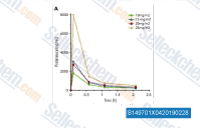
| S1497 | Pralatrexate | Pralatrexate is an antifolate, and structurally a folate analog. Its IC50 is < 300 nM in some cell lines. This compound induces tumor cell apoptosis. |
|
|
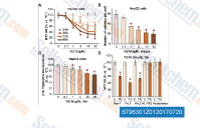
| S7963 | TIC10 (ONC201) | TIC10 (ONC201) inactivates Akt and ERK to induce TNF-related apoptosis-inducing ligand (TRAIL) through Foxo3a, possesses superior drug properties: delivery across the blood-brain barrier, superior stability and improved pharmacokinetics. Phase 1/2. |
|
|
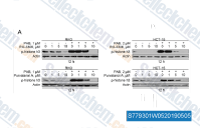
| S7793 | Purvalanol A | Purvalanol A is a potent, and cell-permeable CDK inhibitor with IC50 of 4 nM, 70 nM, 35 nM, and 850 nM for cdc2-cyclin B, cdk2-cyclin A, cdk2-cyclin E, and cdk4-cyclin D1, respectively. This compound induces endoplasmic reticulum stress-mediated apoptosis and autophagy. |
|
|
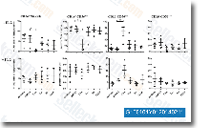
| S1501 | Mycophenolate mofetil | Mycophenolate mofetil is a non-competitive, selective and reversible inhibitor of inosine monophosphate dehydrogenase I/II with IC50 of 39 nM and 27 nM, respectively. This compound induces caspase-dependent apoptosis and cell cycle inhibition in multiple myeloma cells. |
|
|
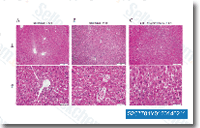
| S2077 | Atorvastatin Calcium (CI-981) | Atorvastatin Calcium is an inhibitor of HMG-CoA reductase used as a cholesterol-lowering medication that blocks the production of cholesterol. Atorvastatin Calcium induces apoptosis and autophagy. |
|
|
| S1629 | Orlistat | Orlistat is a general lipase inhibitor with IC50 of 122 ng/ml for PL from human duodenal juice. This compound treatment reduces proliferation, induces apoptosis and arrests cell cycle. |
|
|
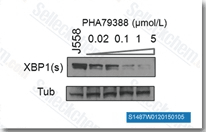
| S1487 | PHA-793887 | PHA-793887 is a novel and potent inhibitor of CDK2, CDK5 and CDK7 with IC50 of 8 nM, 5 nM and 10 nM. It is greater than 6-fold more selective for CDK2, 5, and 7 than CDK1, 4, and 9. This compound induces cell-cycle arrest and apoptosis. Phase 1. |
|
|
| S1299 | Floxuridine (FUDR) | Floxuridine (FUDR), a prodrug that is rapidly catabolized to 5-fluorouracil in vivo, is used to treat various cancers, particularly metastases to the liver. It inhibits Poly(ADP-Ribose) polymerase and induces DNA damage and apoptosis. This compound also has antiviral effects against HSV and CMV. |
|
|
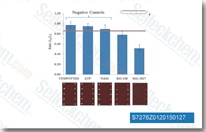
| S7276 | SGI-1027 | SGI-1027 (DNA Methyltransferase Inhibitor II) is a DNMT inhibitor with IC50 of 6, 8, 7.5 μM for DNMT1, DNMT3A, and DNMT3B in cell-free assays, respectively. This compound induces apoptosis. |
|
|
| S8808 | DC661 | DC661 is a potent palmitoyl protein thioesterase 1 (PPT1) inhibitor. DC661 is capable of deacidifying the lysosome and inhibiting autophagy significantly better than HCQ. DC661 induces apoptosis. |
|
|
| S8762 | dBET6 | dBET6 is a highly cell-permeable PROTAC degrader of BET bromodomains with an IC50 of 14 nM for BRD4 binding. dBET6 also induces c-MYC downregulation and apoptosis. |
|
|
| S7255 | Onvansertib (NMS-1286937, NMS-P937) | Onvansertib (NMS-1286937, NMS-P937) is an orally available, selective Polo-like Kinase 1 (PLK1) inhibitor with IC50 of 2 nM, 5000-fold selectivity over PLK2/PLK3. This compound potently causes a mitotic cell-cycle arrest followed by apoptosis in cancer cell lines and inhibits tumor growth. Phase 1. |
|
|
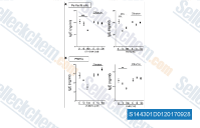
| S1443 | Zileuton | Zileuton is an orally active inhibitor of 5-lipoxygenase, and thus inhibits leukotrienes (LTB4, LTC4, LTD4, and LTE4) formation, used to decrease the symptoms of asthma. This compound induces apoptosis while inhibits ferroptosis. |
|
|
| S7362 | AZD5582 | AZD5582, a novel small-molecule IAP inhibitor, binds potently to the BIR3 domains of cIAP1, cIAP2, and XIAP with IC50 values of 15, 21, and 15 |
|
|
| S9785 | Fatostatin |
Fatostatin (125B11), a diarylthiazole derivative, is a specific inhibitor of Sterol regulatory element binding proteins (SREBPs) activation. This compound binds to SCAP (SREBP cleavage-activating protein), and inhibits the ER-Golgi translocation of SREBPs. It suppresses growth and enhances apoptosis in cancer cells. |
|
|
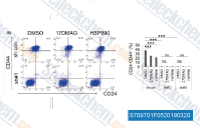
| S7097 | HSP990 (NVP-HSP990) | HSP990 (NVP-HSP990) is a novel, potent and selective HSP90 inhibitor for HSP90α/β with IC50 of 0.6 nM/0.8 nM, and it induces cell cycle arrest and apoptosis. |
|
|
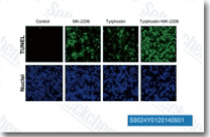
| S8024 | Tyrphostin AG 1296 | Tyrphostin AG 1296 is an inhibitor of PDGFR with IC50 of 0.3-0.5 μM, no activity to EGFR. Tyrphostin AG1296 inhibits FGFR and c-Kit with IC50 of 12.3 μM and 1.8 μM in Swiss 3T3 cells. Tyrphostin AG1296 induces dramatic apoptosis in A375R cells. |
|
|
| S8402 | KRIBB11 | KRIBB11 abolishes the heat shock-induced luciferase activity with an IC50 of 1.2 μM. It is an inhibitor of the transcription factor Heat Shock Factor 1 (HSF1). This compound induces growth arrest and apoptosis. |
|
|
| S8400 | Mivebresib (ABBV-075) | Mivebresib (ABBV-075) is a novel BET family bromodomain inhibitor. It binds bromodomains of BRD2/4/T with similar affinities (Ki of 1-2.2 nM) and highly selective for 18 bromodomain proteins tested (Kd > 1 μM; more than 600-fold selectivity vs. BRD4), but exhibits roughly 10-fold weaker potency towards BRD3 (Ki of 12.2 nM) and has moderate activity towards CREBBP (Kd = 87 μM; 54-fold selectivity vs. BRD4). Mivebresib(ABBV-075) efficiently triggers apoptosis in various tumor cell. |
|
|
| S1181 | ENMD-2076 | ENMD-2076 has selective activity against Aurora A and Flt3 with IC50 of 14 nM and 1.86 nM, 25-fold selective for Aurora A than over Aurora B and less potent to RET, SRC, NTRK1/TRKA, CSF1R/FMS, VEGFR2/KDR, FGFR and PDGFRα. This compound inhibits the growth of a wide range of human solid tumor and hematopoietic cancer cell lines with IC50 from 0.025 to 0.7 μM, which induces apoptosis and G2/M phase arrest. Phase 2. |
|

|
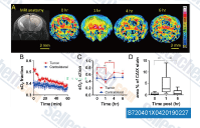
| S7204 | Fosbretabulin (Combretastatin A4 Phosphate) Disodium | Fosbretabulin (Combretastatin A4 Phosphate) Disodium is the water-soluble prodrug of Combretastatin A4 (CA4), which is a microtubule-targeting agent that binds β-tubulin with Kd of 0.4 μM in a cell-free assay. Fosbretabulin Disodium inhibits the polymerization of tubulin with IC50 of 2.4 μM, and also disrupts tumor vasculature. Fosbretabulin disodium induces mitotic arrest and apoptosis in endothelial cells. Phase 3. |
|
|
| S8591 | FX1 | FX1 is a selective BCL6 BTB inhibitor with an IC50 value of 35 μM in reporter assays. This compound shows great selectivity against a panel of 50 different kinases. 10 μM of this chemical fails to significantly inhibit of any of these kinases. It induces apoptosis. |
|
|
| S7652 | OTS514 hydrochloride | OTS514 is a highly potent TOPK(T-LAK cell-originated protein kinase) inhibitor with an IC50 value of 2.6 nM. OTS514 induces cell cycle arrest and apoptosis. |
|
|
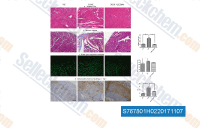
| S7678 | Sacubitril/valsartan (LCZ696) | Sacubitril/valsartan (LCZ696, Sacubitril, Valsartan), consisting of valsartan and sacubitril in 1:1 molar ratio, is an orally bioavailable, dual-acting angiotensin receptor-neprilysin inhibitor (ARNi) for hypertension and heart failure. Phase 3. |
|
|
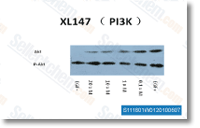
| S1118 | XL147 analogue | XL147 analogue (SAR245408) is a selective and reversible class I PI3K inhibitor for PI3Kα/δ/γ with IC50 of 39 nM/36 nM/23 nM in cell-free assays, less potent to PI3Kβ. This compound induces apoptosis. Phase 1/2. |
|
|
| S8317 | 3BDO | 3BDO, a butyrolactone derivative, could target FKBP1A and activate the mTOR signaling pathway. It inhibits autophagy in HUVECs. This compound inhibits oxLDL-induced apoptosis. |
|
|
| S7889 | Xanthohumol | Xanthohumol, a prenylated chalcone from hop, inhibits COX-1 and COX-2 activity and shows chemopreventive effects. This compound inhibits diacylglycerol acyltransferase 1 (DGAT1) and DGAT2 with both IC50 of 40 μM. It is also a potent antiviral agent against a series of DNA and RNA viruses. This chemical induces growth inhibition and apoptosis in cancer cells. Phase 1. |
|
|
| S4484 | Trametinib DMSO solvate (GSK1120212B) | Trametinib DMSO solvate is a highly specific and potent MEK1/2 inhibitor with IC50 of 0.92 nM/1.8 nM in cell-free assay. Trametinib activates autophagy and induces apoptosis. |
|
|
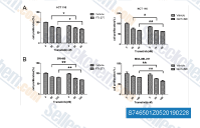
| S7465 | FTI 277 HCl | FTI 277 HCl is a potent and selective farnesyltransferase (FTase) inhibitor with IC50 of 500 pM, about 100-fold selectivity over the closely related GGTase I. This compound inhibits cell growth and induces apoptosis. This chemical is effective in clearing HDV viremia. |
|
|
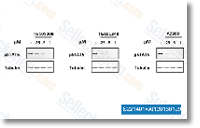
| S2214 | AZ 960 | AZ 960 is a novel ATP competitive JAK2 inhibitor with IC50 and Ki of <3 nM and 0.45 nM, 3-fold selectivity of this compound for JAK2 over JAK3. This chemical induces apoptosis and growth arrest. |
|
|
| S2271 | Berberine chloride | Berberine chloride is a quaternary ammonium salt from the group of isoquinoline alkaloids. This compound activates caspase 3 and caspase 8, cleavage of poly ADP-ribose polymerase (PARP) and the release of cytochrome c. It decreases the expression of c-IAP1, Bcl-2 and Bcl-XL. This chemical induces apoptosis with sustained phosphorylation of JNK and p38 MAPK, as well as generation of the ROS. It is a dual topoisomerase I and II inhibitor. It is also a potential autophagy modulator. |
|
|
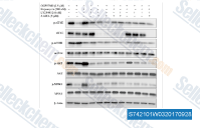
| S7421 | CGP 57380 | CGP 57380 is a potent MNK1 inhibitor with IC50 of 2.2 μM, exhibiting no inhibitory activity on p38, JNK1, ERK1 and -2, PKC, or c-Src-like kinases. This compound upregulates β-catenin and potentiates radiation-induced apoptosis. |
|
|
| S7648 | OTS964 | OTS964 is a potent TOPK inhibitor with high affinity and selectivity and IC50 value is 28 nM. This compound is also a potent inhibitor of the cyclin-dependent kinase CDK11 with Kd of 40 nM. This chemical treatment activates autophagy in glioma cells and induces apoptosis of human lung cancer cells in mouse xenografts. |
|
|
| S9141 | Berbamine | Berbamine (BA), a traditional Chinese medicine extracted from Berberis amurensis (xiaoboan), is a novel inhibitor of bcr/abl fusion gene with potent anti-leukemia activity and also an inhibitor of NF-κB. This compound induces apoptosis in human myeloma cells and inhibits the growth of cancer cells by targeting Ca²⁺/calmodulin-dependent protein kinase II (CaMKII). |
|
|
| S8663 | Takinib (EDHS-206) | Takinib is a potent and selective TAK1 inhibitor with an IC50 of 9.5 nM, more than 1.5 log more potent than the second and third ranked targets, IRAK4 (120 nM) and IRAK1 (390 nM), respectively. Takinib induces apoptosis. |
|
|
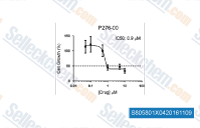
| S8058 | Riviciclib hydrochloride (P276-00) | Riviciclib hydrochloride (P276-00) is a novel CDK1, CDK4 and CDK9 inhibitor with IC50 of 79 nM, 63 nM and 20 nM, respectively. This compound induces apoptosis. Phase 2/3. |
|
|
| S8820 | Unesbulin (PTC596) | Unesbulin (PTC596) is a second-generation BMI-1 inhibitor that accelerates BMI-1 degradation. This compound downregulates MCL-1 and induces p53-independent mitochondrial apoptosis. IC50 values at 72 hours ranged from 68 to 340 nM in mantle cell lymphoma (MCL) cell lines. |
|
|
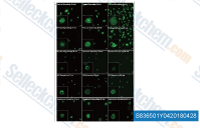
| S8365 | Apoptozole | Apoptozole (Apoptosis Activator VII) is an inhibitor of heat shock protein 70(HSP70) and Hsc70 with dissociation constants Kd of 0.14 μM and 0.21 μM, respectively. It induces caspase-dependent apoptosis. |
|
|
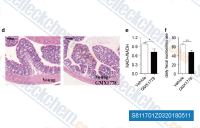
| S8117 | GMX1778 | GMX1778 is a potent and specific inhibitor of nicotinamide phosphoribosyltransferase (NAMPT) with IC50 and Kd of < 25 nM and 120 nM, respectively. This compound induces programmed cell death with apoptotic features. Phase 1. |
|
|
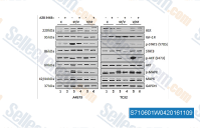
| S7106 | AZD3463 | AZD3463 is a novel orally bioavailable ALK inhibitor with Ki of 0.75 nM, which also inhibits IGF1R with equivalent potency. This compound suppresses cell viability by inducing both cell apoptosis and autophagy. |
|
|
| S8148 | PD0166285 | PD0166285 is a potent Wee1 and Chk1 inhibitor with activity at nanomolar concentrations (IC50=24 nM for Wee1 and 72 nM for Myt1). This compound is also a novel G2 checkpoint abrogator. It induces apoptosis. |
|
|
| S9700 | Tapinarof (Benvitimod, WBI-1001) | Tapinarof (GSK2894512, Benvitimod, WBI 1001, DHPS, DMVT 505) is a natural agonist of aryl hydrocarbon receptor (AhR) and induces nuclear translocation of AhR in immortalized keratinocytes (HaCaT) with EC50 of 0.16 nM. Tapinarof induces cellular apoptosis in CD4+ T cells in a dosedependent manner with IC50 of 5.2 μM. |
|
|
| S5144 | Neferine | Neferine ((R)-1,2-Dimethoxyaporphine), a natural component of Nelumbo nucifera, has antitumor efficiency. It induces apoptosis in renal cancer cells. This compound prevents autophagy through activation of Akt/mTOR pathway and Nrf2 in muscle cells. It strongly inhibits NF-κB activation. It possesses a number of therapeutic effects such as anti-diabetic, anti-aging, anti-microbial, anti-thrombotic, anti-arrhythmic, anti-inflammatory and even anti-HIV. |
|
|
| S9631 | Puromycin aminonucleoside | Puromycin aminonucleoside (NSC 3056, PAN, Stylomycin aminonucleoside, ARDMA, SAN), the aminonucleoside portion of the antibiotic puromycin, is a reversible inhibitor of dipeptidyl-peptidase II and cytosol alanyl aminopeptidase that induces apoptosis in mesangial cells (MCs) accompanied by declined cell viability and enhanced inflammatory response.This compound can be used to induce animal models of Kidney Disease. |
|
|
| S8156 | ARS-853 | ARS-853 is a selective, covalent KRAS(G12C) inhibitor that inhibits mutant KRAS-driven signaling by binding to the GDP-bound oncoprotein and preventing activation. This compound also induces apoptosis. |
|
|
| S6877 | EOAI3402143 | EOAI3402143 is a dose-dependent inhibitor of Usp9x, Usp24 and Usp5 that increases tumor cell apoptosis, and fully blocks or regresses myeloma tumors in mice. |
|
|
| S6852 | Gossypol | Gossypol (BL 193) is an orally-active polyphenol isolated from cotton seeds and roots. This compound is a potent inhibitor of 5α-reductase 1 and 3α-hydroxysteroid dehydrogenase with IC50 of 3.33 μM and 0.52 μM in cell-free assay, respectively. It also inhibits the binding of BH3 peptide to Bcl protein with IC50 of 0.4 μM and 10 μM for Bcl-XL and Bcl-2, respectively. This chemical induces apoptosis and cell growth inhibition in various cancer cells. |
|
|
| S8149 | NSC348884 | NSC348884, as a nucleophosmin inhibitor, inhibit cell proliferation and induce apoptosis in various cancer cell lines with IC50 values ranging from 1.4-4 µM. |
|
|
| S0709 | Tubastatin A TFA | Tubastatin A TFA (Tubastatin A trifluoroacetate salt) is a potent and selective HDAC6 inhibitor with IC50 of 15 nM in a cell-free assay. It is selective against all the other isozymes (1000-fold) except HDAC8 (57-fold). Tubastatin A promotes autophagy and increases apoptosis. |
|
|
| S8543 | ARN-3236 | ARN-3236 is a potent, orally available and selective inhibitor of salt-inducible kinase 2 (SIK2) with IC50 of <1 nM, 21.63 nM and 6.63 nM for SIK2, SIK1 and SIK3, respectively. This compound induces apoptosis in cancer cells. |
|
|
| S8405 | RRx-001 | RRx-001 is a novel epigenetic modulator with potential radiosensitizing activity. It inhibits glucose 6-phosphate dehydrogenase(G6PD) in human tumor cells, binds hemoglobin and drives RBC-mediated redox reactions under hypoxia. This compound triggers apoptosis and exhibits anticancer activity. It is also a downregulator of the CD47- SIRPα checkpoint pathway. |
|
|
| S4513 | RGD peptide (GRGDNP) | RGD peptide (GRGDNP) is an inhibitor of binding of integrins to the extracellular matrixs. This compound induces apoptosis presumably through direct activation of caspase-3. |
|
|
| S8432 | Troglitazone (CS-045) | Troglitazone is a potent agonist for the peroxisome proliferator-activated receptor-(PPAR) that is a ligand activated transcription factor regulating cell differentiation and growth. Troglitazone induces autophagy, apoptosis and necroptosis in bladder cancer cells. Troglitazone prevents RSL3-induced ferroptosis and lipid peroxidation in Pfa1 cells. |
|
|
| S8495 | WT161 | WT161 is a potent, selective, and bioavailable HDAC6 inhibitor with IC50 values of 0.4 nM, 8.35 nM and 15.4 nM for HDAC6, HDAC1 and HDAC2, respectively; shown to have >100-fold selectivity over other HDACs. This compound induces apoptosis. |
|
|
| S9190 | Oroxin B | Oroxin B (Hypocretin-2), one of flavonoids isolated from traditional Chinese herbal medicine Oroxylum indicum (L.) Vent, selectively induces tumor-suppressive ER stress in malignant lymphoma cells and has antioxidant activity. This compound significantly inhibits proliferation and induce apoptosis, which may be strongly associated with the inhibiting COX-2/VEGF and PTEN/PI3K/AKT signaling pathway in SMMC-7721 cells, it potentially be used as a novel therapeutic agent for liver cancer.COX-2, VEGF, PI3K, and p-AKT expression levels are downregulated, while PTEN is upregulated after this chemical treatment. |
|
|
| S8722 | Samuraciclib (ICEC0942) hydrochloride | Samuraciclib (ICEC0942) hydrochloride is a new, orally bioavailable CDK7 inhibitor with an IC50 of 40nM. The IC50 values for CDK1, CDK2, CDK5 and CDK9 were 45-, 15-, 230- and 30-fold higher. ICEC0942 (CT7001) promotes cell cycle arrest and apoptosis. |
|
|
| S9724 | SZL P1-41 | SZL P1-41 (compound #25) is a specific inhibitor of S-phase kinase-associated protein 2 (Skp2) that indeed binds to Skp2, prevents Skp2-Skp1 interaction and inhibits Skp2 SCF E3 ligase activity, which consequently suppresses survival of cancer cells and cancer stem cells. This compound causes higher apoptosis rates in cancer cells. |
|
|
| S8988 | Rhosin hydrochloride | Rhosin (G04) hydrochloride (HCl) is a potent, specific inhibitor of RhoA subfamily Rho GTPases with Kd of ~ 0.4 uM. Rhosin hydrochloride induces cell apoptosis. |
|
|
| S9721 | Farudodstat |
Farudodstat(LAS 186323,ASLAN003) is a potent and orally active inhibitor of DHODH (Dihydroorotate dehydrogenase) with IC50 of 35 nM for human DHODH enzyme activity. ASLAN003 impairs protein synthesis and induces the differentiation and apoptosis transcriptional program in acute myeloid leukemia (AML) cells via activation of AP-1 transcription factors. |
|
|
| S6721 | JG98 | JG-98 is an allosteric inhibitor of Hsp70 that binds tightly to a deep pocket that is conserved in members of the Hsp70 family. JG-98 induces classical apoptosis features, including morphological changes consistent with programmed cell death and positive annexin staining. JG-98 exhibits anticancer activity. |
|
|
| S3238 | Resibufogenin | Resibufogenin (Bufogenin, Recibufogenin), a component of huachansu with anticancer effect, triggers necroptosis through upregulating receptor-interacting protein kinase 3 (RIP3) and phosphorylating mixed lineage kinase domain-like protein at Ser358. This compound exerts cytotoxic effect by inducing reactive oxygen species (ROS) accumulation. It induces apoptosis and caspase-3 and caspase-8 activity. This chemical increases Bax/Bcl-2 expression, and suppresses cyclin D1, cyclin E, PI3K, p-AKT, p-GSK3β and β-catenin protein expression. |
|
|
| S0278 | SU5614 | SU5614 (Chloro-SU5416, Chloro-Semaxanib) is a small molecule receptor tyrosine kinases (RTK) inhibitor of VEGFR-2, c-kit, and both wild-type and mutant FLT3. This compound reduces cell proliferation and induces apoptosis. |
|
|
| S0765 | MAZ51 | MAZ51 is a potent and selective inhibitor of vascular endothelial growth factor receptor (VEGFR)-3 (Flt-4) tyrosine kinase. MAZ51 induces cell rounding and G2/M cell cycle arrest in glioma cells through phosphorylation of Akt/GSK3β and activation of RhoA. MAZ51 inhibits the proliferation and induces the apoptosis of a variety of non-VEGFR-3-expressing tumor cell lines. |
|
|
| S6962 | TPEN |
TPEN (TPEDA) is a specific cell-permeable heavy metal chelator that induces apoptosis in NB4 cells via negatively regulating intracellular NO and Zn2+ signaling. This compound may be a potential therapeutic strategy for APL (acute promyelocytic leukemia). It induces DNA damage and increases intracellular ROS production and also inhibits cell proliferation. |
|
|
| S0149 | C-DIM5 | C-DIM5 (DIM-C-pPhOCH3) is an agonist of Nur77 (Nerve growth factor-induced Bα (NGFI-Bα)/nuclear receptor 4A1 (NR4A1)) which is an orphan nuclear receptor. This compound decreases survival and induces apoptosis in RKO colon cancer cells. |
|
|
| S6894 | BCH | BCH (2-Aminobicyclo-(2,2,1)-heptane-2-carboxylic acid, LAT1-IN-1) is a selective and competitive inhibitor of system L amino acid transporter 1 (LAT1). This compound induces apoptosis in cancer cells. |
|
|
| S3984 | Nordihydroguaiaretic acid (NDGA) | Nordihydroguaiaretic acid (NDGA) is a phenolic antioxidant found in the leaves and twigs of the evergreen desert shrub, Larrea tridentata (Sesse and Moc. ex DC) Coville (creosote bush). It is a recognized inhibitor of lipoxygenase (LOX) and has antioxidant and free radical scavenging properties. Nordihydroguaiaretic acid (NDGA) is a cytotoxic insulin-like growth factor-I receptor (IGF-1R)/HER2 inhibitor and induces apoptosis. |
|
|
| S6963 | APTO-253 |
APTO-253 (LOR-253, LT-253) inhibits c-Myc expression and selectively induces CDKN1A (p21), promotes G0-G1 cell-cycle arrest, and triggers apoptosis in acute myeloid leukemia (AML) cells. This compound is also an inducer of KLF4 (Krüppel-like factor 4). |
|
|
| S0444 | Indibulin | Indibulin (ZIO 301, D 24851, Zybulin) is an orally applied inhibitor of tubulin assembly with potent anticancer activity. This compound induces mitotic arrest and apoptosis. |
|
|
| S1242 | CPTH2 | CPTH2 is a potent histone acetyltransferase (HAT) inhibitor modulating Gcn5p network. This compound induces apoptosis and decreases the invasiveness of a ccRCC cell line through the inhibition of KAT3B. |
|
|
| S7867 | Oleuropein | Oleuropein is an antioxidant polyphenol isolated from olive leaf. It exerts antioxidant, anti-inflammatory and anti-atherogenic effects and suppresses the adipocyte differentiation in vitro. This compound inhibits PPARγ activity. It exerts anti-adipogenic effect through direct inhibition of PPARγ transcriptional activity. This chemical also inhibits aromatase. It induces apoptosis. Phase 2. |
|
|
| S9805 | WM-3835 | WM-3835 is a novel and high-specific small molecule Lysine Acetyltransferase 7 (KAT7, MYST2, HBO1) inhibitor, able to potently suppressed OS cell proliferation and migration, and leads to apoptosis activation. |
|
|
| S6899 | Licochalcone D | Licochalcone D (Lico D, LCD, LD), a flavonoid isolated from a Chinese medicinal plant Glycyrrhiza inflata, has antioxidant, anti-inflammatory and anti-cancer properties. This compound inhibits phosphorylation of NF-κB p65 in LPS signaling pathway. It inhibits JAK2, EGFR and Met (c-Met) activities and induces ROS-dependent apoptosis. This chemical also induces caspases activation and poly (ADP-ribose) polymerase (PARP) cleavage. |
|
|
| S3224 | Cinobufagin | Cinobufagin (Cinobufagine), an active ingredient of Venenum Bufonis, inhibits tumor development. This compound increases ATM and Chk2 and decreases CDC25C, CDK1, and cyclin B. It inhibits PI3K, AKT and Bcl-2 while increases levels of cleaved caspase-9 and caspase-3. Thus, this chemical induces cell cycle arrest at the G2/M phase and apoptosis. |
|
|
| S3296 | Hispidulin | Hispidulin (Dinatin), an active natrual ingredient in a number of traditional Chinese medicinal herbs, exhibits inhibitory activity against the oncogenic protein kinase Pim-1 with IC50 of 2.71 μM. This compound induces apoptosis through mitochondrial dysfunction and inhibition of P13k/Akt signalling pathway in HepG2 cancer cells. It exerts anti-osteoporotic and bone resorption attenuating effects via activating the AMPK signaling pathway. |
|
|
| S3300 | Desoxyrhaponticin | Desoxyrhaponticin (DC, DES), a stilbene glycoside from Rheum tanguticum Maxim. ex Balf. (rhubarb) which is a traditional Chinese nutritional food, is a fatty acid synthase (FAS/FASN) inhibitor. This compound is also a competitive inhibitor of glucose uptake with IC50 of 148.3 μM and 30.9 μM in rabbit intestinal membrane vesicles and in rat everted gut sleeves, respectively. It has apoptotic effect on human cancer cells. |
|
|
| S5554 | Lanatoside C | Lanatoside C is a cardiac glycoside with antiviral and anti-tumor activity. This compound induces G2/M cell cycle arrest and induces autophagy and apoptosis via attenuating MAPK, Wnt, JAK-STAT, and PI3K/AKT/mTOR signaling pathways. |
|
|
| S0949 | Cucurbitacin IIb | Cucurbitacin IIb (CuIIb, Dihydrocucurbitacin F, 25-deacetyl hemslecin A) inhibits phosphorylation of STAT3, JNK and Erk1/2, enhances the phosphorylation of IκB and NF-κB, blocks nuclear translocation of NF-κB and decreases mRNA levels of IκBα and TNF-α. This compound exhibits anti-inflammatory activity and induces apoptosis. It is isolated from Hemsleya amabilis. |
|
|
| S0817 | SKI-V | SKI V is a noncompetitive and potent inhibitor of non-lipid sphingosine kinase with IC50 of 2 μM for GST-hSK. This compound also inhibits PI3K with IC50 of 6 μM for hPI3k. It decreases formation of the mitogenic second messenger sphingosine-1-phosphate (S1P) and induces apoptosis with antitumor activity. |
|
|
| S3168 | cis-Resveratrol | cis-Resveratrol (cis-RESV, cRes, (Z)-Resveratrol) is the Cis isomer of Resveratrol. Resveratrol is a natural phenolic compound with anti-oxidant, anti-inflammatory, cardioprotective, and anti-cancer properties. Resveratrol is an inhibitor of pregnane X receptor (PXR) and an activator of Nrf2 and SIRT1 and may induce apoptosis. Resveratrol also inhibits a wide spectrum of targets including 5-lipoxygenase (LOX), cyclooxygenase (COX), IKKβ, DNA polymerases α and δ with IC50 of 2.7 μM, <1 μM, 1 μM, 3.3 μM and 5 μM, respectively. |
|
|
| S6919 | Brevilin A | Brevilin A (6-O-Angeloylplenolina), a sesquiterpene lactone isolated from Centipeda minima, is a selective inhibitor of STAT3 and attenuates the JAKs activity by blocking the JAKs tyrosine kinase domain JH1. This compound induces apoptosis and autophagy of colon adenocarcinoma cell CT26 via mitochondrial pathway and PI3K/AKT/mTOR inactivation. |
|
|
| S0354 | Alsterpaullone | Alsterpaullone (Alp, 9-Nitropaullone, NSC 705701) is a potent inhibitor of CDK with IC50 of 35 nM, 15 nM, 200 nM and 40 nM for CDK1/cyclin B, CDK2/cyclin A, CDK2/cyclin E and CDK5/p35, respectively. This compound also acts as a potent inhibitor of glycogen synthase kinase-3 (GSK-3) with IC50 of both 4 nM for GSK-3α and GSK-3β. It induces apoptosis by activation of caspase-9. This chemical has antitumor activity and possesses potential for the treatment of neurodegenerative and proliferative disorders. |
|
|
| S6882 | HI-TOPK-032 | HI-TOPK-032 is a potent and specific inhibitor of TOPK. This compound also reduces ERK-RSK phosphorylation, regulates of the abundance of p53, cleaved caspase-7, and cleaved PARP, and induces apoptosis in cancer cells. |
|
|
| S6885 | Ailanthone | Ailanthone (AIL, Δ13-Dehydrochaparrinone), a natural anti-hepatocellular carcinoma (HCC) component in Ailanthus altissima, induces G0/G1-phase cell cycle arrest by decreasing expression of cyclins and CDKs and increases expression of p21 and p27. This compound triggers DNA damage characterized by activation of the ATM/ATR pathway. It induces apoptosis which is mitochondrion-mediated and involves the PI3K/AKT signaling pathway in Huh7 cells. This chemical is also a potent inhibitor of both full-length Androgen Receptor (AR-FL) and constitutively active truncated AR splice variants (AR-Vs, AR1-651) with IC50 of 69 nM and 309 nM, respectively. |
|
|
| S9665 | Motixafortide (BL-8040, BKT140) | Motixafortide (BL-8040, BKT140, TF 14016, 4-fluorobenzoyl, 4F-benzoyl-TN14003, T140) is an antagonist of CXCR4 with IC50 of ~1 nM. BL-8040 induces the apoptosis of AML blasts by down-regulating ERK, BCL-2, MCL-1 and cyclin-D1 via altered miR-15a/16-1 expression. |
|
|
| S9604 | Lixumistat (IM156) | Lixumistat (IM156) is a potent activator of AMPK that increases AMPK phosphorylation. It blocks oxidative phosphorylation (OXPHOS) through the inhibition of complex I and increases apoptosis. This compound ameliorates various types of fibrosis and inhibits tumors. |
|
|
| S9634 | Phenoxodiol (Haginin E) | Phenoxodiol (Haginin E, Idronoxil, Dehydroequol, NV 06, PXD) is an isoflavone analog with antineoplastic activity. It activates the caspase system, inhibits XIAP (X-linked inhibitor of apoptosis), and disrupts FLICE inhibitory protein (FLIP) expression, resulting in tumor cell apoptosis. This compound also inhibits DNA topoisomerase II. |
|
|
| S4423 | Emamectin Benzoate | Emamectin Benzoate (EMB, MK-244) activates gamma-amino butyric acid (GABA) transporter. This compound induces of reactive oxygen species (ROS)-mediated DNA damage and apoptosis. |
|
|
| S3287 | Rosamultin | Rosamultin is a 19 α-hydroxyursane-type triterpenoid isolated from Potentilla anserina L. that inhibits HIV-1 protease. This compound has protective effects on H2O2-induced oxidative damage and apoptosis. | ||
| S0918 | Ginkgolic acid C17:1 | Ginkgolic acid C17:1 (GAC 17:1) inhibits constitutive activation of STAT3 through the abrogation of upstream JAK2 and Src. This compound can induce the substantial expression of PTEN and SHP-1. It induces apoptosis of tumor cells. | ||
| S3289 | Daphnoretin | Daphnoretin (Dephnoretin, Thymelol), a biologically active compound isolated from Wikstroemia indica C.A. Mey., is a protein kinase C (PKC) activator. This compound inhibits the proliferation, invasion, and migration of tumor cells and promote its apoptosis by regulating the activity of Akt signal pathway. | ||
| S8961 | Alobresib (GS-5829) | Alobresib (GS-5829) is a novel BET inhibitor that represents a highly effective therapeutics agent against recurrent/chemotherapy-resistant USC-overexpressing c-Myc. This compound inhibits CLL cell proliferation and induces leukemia cell apoptosis through deregulation of key signaling pathways, such as BLK, AKT, ERK1/2, and MYC. It also inhibits NF-κB signaling. | ||
| S3245 | Nodakenetin | Nodakenetin (NANI), a plant-derived coumarin isolated from Angelica decursiva, inhibits α-glucosidase, PTP1B, rat lens aldose reductase (RLAR), AChE, BChE, and β-site amyloid precursor protein cleaving enzyme 1 (BACE1). This compound alters the protein expression of Bax and Bcl-2, and prompts mitochondrial apoptosis. It exhibits anti-tumor activity. | ||
| S0056 | (E/Z)-BCI | (E/Z)-BCI (BCI, NSC 150117) is an inhibitor of dual specific phosphatase 1/6 (DUSP1/DUSP6) and mitogen-activated protein kinase with EC50 of 13.3 μM and 8.0 μM for DUSP6 and DUSP1 in cells, respectively. (E)-BCI induces apoptosis via generation of reactive oxygen species (ROS) and activation of intrinsic mitochondrial pathway in H1299 lung cancer cells. | ||
| S9698 | Ezatiostat | Ezatiostat, a tripeptide analog of glutathione, is a peptidomimetic inhibitor of Glutathione S-transferase P1-1 (GSTP1-1). This compound activates c-Jun NH2 terminal kinase (JNK1) and ERK1/ERK2 and induces apoptosis. | ||
| S6615 | ATB 346 | ATB 346, a novel hydrogen sulphide-releasing derivative of naproxen with remarkably reduced toxicity, inhibits COX activity. This compound is an anti-inflammatory agent that induces apoptosis of human melanoma cells. | ||
| S0103 | ML327 | ML327 is an isoxazole compound that blocks MYC expression and tumor formation in neuroblastoma. This compound also restores E-cadherin expression with In-Cell Western EC50 of 1.0 μM. It induces apoptosis. | ||
| S9054 | Pectolinarin | Pectolinarin is a major compound in Cirsium setidens with anti-inflammatory activity. This compound inhibits secretion of IL-6 and IL-8, as well as the production of PGE2 and NO. It also induces apoptosis via inactivation of the PI3K/Akt pathway. | ||
| S3576 | TVB-3166 | TVB-3166 is an orally-available, reversible, potent and selective inhibitor of fatty acid synthase (FASN) with IC50 of 0.042 μM in an in vitro biochemical assay. This compound induces apoptosis, and inhibits in-vivo xenograft tumor growth. | ||
| S8965 | BO-264 | BO-264 is a potent and orally active inhibitor of transforming acidic coiled-coil 3 (TACC3) with IC50 of 188 nM and Kd of 1.5 nM. This compound specifically blocks the function of FGFR3-TACC3 fusion protein. It induces SAC-dependent mitotic arrest, apoptosis and DNA damage with antitumor activities. | ||
| S0407 | XCT790 | XCT-790 (Compound 12) is a potent and selective inverse agonist for estrogen-related receptor α (ERRα) with IC50 of 0.37 μM. XCT-790 (Compound 12) is inactive against ERRγ and the estrogen receptors ERα and ERβ. XCT-790 (Compound 12) significantly inhibits in vivo tumor growth and angiogenesis, and induces apoptosis. | ||
| S2942 | EB-3D | EB-3D is a potent and selective inhibitor of choline kinase α (ChoKα) with IC50 of 1 μM for ChoKα1. This compound induces deregulation of the AMPK-mTOR pathway and apoptosis in leukemia T-cells. | ||
| S9602 | Elraglusib | Elraglusib(9-ING-41) is a potent inhibitor of glycogen synthase kinase-3 (GSK-3) with antitumor activity. 9-ING-41 induces apoptosis and cell cycle arrest at prophase by targeting centrosomes and microtubule-bound GSK3β. | ||
| S5584 | Citronellol | Citronellol (Dihydrogeraniol, (±)-β-Citronellol), a constituent of rose and geranium oils, is used in perfumes and insect repellents. This compound can cause necrotic apoptosis of NCI-H1299 cells by up-regulating TNF-α, RIP1 / RIP3 activities, and down-regulating caspase-3 / caspase-8 activities. It also results in a biphasic increase in ROS production at 1 h and at 12 h in NCI-H1299 cells. | ||
| S4476 | PCNA-I1 | PCNA-I1 is a selective inhibitor of proliferating cell nuclear antigen (PCNA, a potential anticancer target). This compound selectively binds to PCNA trimers with Kd of ~0.2 to 0.4 μM. It inhibits the growth of tumor cells of various tissue types with IC50 of ~0.2 μM. This chemical induces DNA damage and apoptosis in both LNCaP and PC-3 cells. It also induces autophagy in PC-3 cells. | ||
| S0445 | SC-43 | SC-43, a sorafenib derivative, is an agonist of Src-homology protein tyrosine phosphatase-1 (SHP-1/PTPN6) and reduces liver fibrosis. This compound reduces p-STAT3 and induces apoptosis with anti-tumor activity. | ||
| S0884 | RA-9 | RA-9 is a cell-permeable, potent and selective inhibitor of proteasome-associated deubiquitinating enzymes (DUBs) with favorable toxicity profile and anticancer activity. This compound selectively induces apoptosis in ovarian cancer cell lines. | ||
| S1273 | Amarogentin |
Amarogentin (AG), a secoiridoid glycoside mainly extracted from Swertia and Gentiana roots, exhibits anti-oxidative, anti-tumour, and anti-diabetic activities. This compound is an agonist for the bitter taste receptor TAS2R1 and inhibits in LAD-2 cells substance P-induced production of newly synthesized TNF-α. It induces apoptosis in human gastric cancer cells (SNU-16) through G2/M cell cycle arrest and PI3K/Akt signalling pathway. This chemical interacts with the α2 subunit of AMP-activated protein kinase (AMPK) and activates the trimeric kinase with EC50 of 277 pM. |
||
| S3256 | Tectochrysin | Tectochrysin (Techtochrysin, NSC 80687) is one of the major flavonoids of Alpinia oxyphylla Miquel. This compound significantly increases the expression of DR3, DR4 and Fas and inhibits activity of NF-κB. It induces apoptotic cell death. | ||

Products are for research use only. Not for human use. We do not sell to patients.
©Copyright 2013 Selleck Chemicals. All Rights Reserved.