
-
 Argentina
-
 Australia
-
 Austria
-
 Belgium
-
 Brazil
-
 Canada
-
 China
China
-
 Czech Republic
-
 Denmark
-
 Finland
-
 France
-
 Germany
-
 Greece
-
 Hong Kong
-
 Hungary
-
 Iceland
-
 India
India
-
 Ireland
-
 Israel
-
 Italy
Italy
-
 Japan
Japan
-
 Korea
Korea
-
 Luxembourg
-
 Malaysia
-
 Netherlands
-
 New Zealand
-
 Norway
-
 Poland
-
 Portugal
-
 Qatar
Qatar
-
 Romania
-
 Saudi Arabia
-
 Singapore
-
 Spain
Spain
-
 Sweden
-
 Switzerland
-
 Taiwan
-
 Turkey
-
 United Kingdom
-
 United States
Autophagy Inhibitors
- Featured Inhibitors
- Inhibitors (68)
- Modulators (16)
- Chemicals (2)
- Agonists (3)
- Activators (209)
- Antagonist (1)
| Cat.No. | Product Name | Information | Product Use Citations | Product Validations |
|---|---|---|---|---|
| S6999 | Chloroquine | Chloroquine is an antimalarial drug and autophagy/lysosome inhibitor. Chloroquine also suppresses Toll-like receptor-9 (TLR9) protein expression. Chloroquine is highly effective agianst SARS-CoV-2 (COVID-19) infection with EC50 of 1.13 μM in Vero E6 cells. Chloroquine has anti-HIV-1 activity. |
|
|
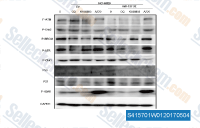
| S4157 | Chloroquine diphosphate | Chloroquine diphosphate is a 4-aminoquinoline anti-malarial and anti-rheumatoid agent, also acting as an ATM activator. Chloroquine is also an inhibitor of toll-like receptors (TLRs). |
|
|
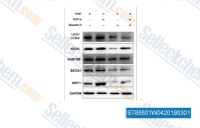
| S7888 | Spautin-1 | Spautin-1 is a potent and specific autophagy inhibitor, and inhibits the deubiquitinating activity of USP10 and USP13 with IC50 of ∼0.6-0.7 μM. This compound enhances apoptosis. |
|
|
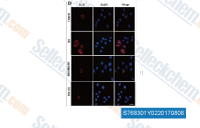
| S7683 | PIK-III | PIK-III (VPS34-IN2), which is a selective inhibitor of VPS34 enzymatic activity, inhibits autophagy and de novo lipidation of LC3 and leads to the stabilization of autophagy substrates. The IC50 values for VPS34 and PI(3)Kδ are 0.018 μM and 1.2 μM respectively. |
|
|
| S8369 | Lys05 Trihydrochloride | Lys05 is a new lysosomal autophagy inhibitor which potently accumulates within and deacidifies the lysosome of both cells and tumors, resulting in sustained inhibition of autophagy and tumor growth. |
|
|
| S8808 | DC661 | DC661 is a potent palmitoyl protein thioesterase 1 (PPT1) inhibitor. DC661 is capable of deacidifying the lysosome and inhibiting autophagy significantly better than HCQ. DC661 induces apoptosis. |
|
|
| E4824 | Hydroxychloroquine | Hydroxychloroquine (HCQ) is an antimalarial drug that inhibits autophagy and is used to treat systemic lupus erythematosus (SLE) and rheumatoid arthritis (RA). It exhibits immunomodulatory, antithrombotic, and antiplatelet properties. It inhibits the release endothelin-1, a potent vasoconstrictor, and restores impaired angiogenesis in TNF-α-treated endothelial cells in vitro. It also reduces the production of inflammatory cytokines such as TNF-α, IFN-γ, and IL-6 from peripheral blood mononuclear cells, upregulates IL-10 and decreases platelet aggregation. |
|
|
| S8596 | Autophinib | Autophinib is a potent autophagy inhibitor with a novel chemotype with IC50 values of 90 and 40 nM for autophagy in starvation induced autophagy assay and rapamycin induced autophagy assay. The IC50 value for Vps34 is 19 nM in vitro. |
|
|
| S3569 | Spermidine | Spermidine is a natural polyamine that stimulates cytoprotective macroautophagy/autophagy. |
|
|
| S8240 | SMER28 | SMER28 is a small-molecule enhancer (SMER) of autophagy, inducing autophagy independently of rapamycin in mammalian cells. |
|
|
| S6797 | QX77 | QX77 is a novel activator of chaperone-mediated autophagy (CMA). This compound induces the up-regulation of Rab11 expression and up-regulates LAMP2A expression. |
|
|
| S6650 | EN6 | EN6 is a novel covalent autophagy activator and targets cysteine 277 in the ATP6V1A subunit of the lysosomal v-ATPase with an IC50 of 1.7 μM for recombinant human ATP6V1A protein. |
|
|
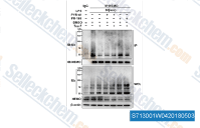
| S6716 | NSC 185058 | NSC185058 inhibits ATG4B, the lipidation of LC3B, and autophagy without affecting the MTOR or PtdIns3K pathways. |
|
|
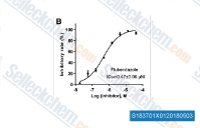
| S1837 | Flubendazole | Flubendazole (Flumoxanal, NSC 313680) is an autophagy inducer by targeting Atg4B, used to treat internal parasite and worm infection. |
|
|
| S3698 | Nortriptyline hydrochloride | Nortriptyline hydrochloride (Desitriptyline, ELF-101, EN-7048, Desmethylamitriptyline) is the hydrochloride salt form of nortriptyline, a tricyclic antidepressant agent used for short-term treatment of various forms of depression. |
|
|
| S8527 | ROC-325 | ROC-325 is an orally available novel inhibitor of lysosomal-mediated autophagy which diminishes AML cell viability with the IC50 range of 0.7-2.2 μM. |
|
|
| S6395 | CA77.1 | CA77.1 (CA) is a potent, brain-penetrant and orally active activator of chaperone-mediated autophagy (CMA) for the treament of Alzheimer's disease (AD). |
|
|
| S6301 | MPP+ iodide | MPP+ iodide (N-Methyl-4-Phenylpyridinium Iodide), the metabolite of a neurotoxin MPTP, causes symptom of Parkinson's disease (PD) in animal models by selectively destroying dopaminergic neurons in substantia nigra. MPP+ induces autophagic cell death in SH-SY5Y cells. MPP+ induces dopamine transporter (DAT) externalization in dopaminergic (DA) neurons, but internalization of serotonin transporter (SERT) in serotonergic (5-HT) neurons. |
|
|
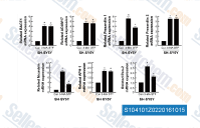
| S1041 | STF-62247 | STF-62247 is a molecule targeting VHL-deficient renal cell carcinoma that induces autophagy. This compound shows selective toxicity and growth inhibition of renal cells lacking VHL; 25-fold greater sensitivity observed for cells with VHL deficiency compared to wild-type (VHL+). |
|
|
| S8576 | EAD1 | EAD1 is a potent autophagy inhibitor with an IC50 of 5.8 μM in the BxPC3 cells. It has antiproliferative activities in lung and pancreatic cancer cells. |
|
|
| S5920 | CA-5f | CA-5f is a potent late-stage macroautophagy/autophagy inhibitor via inhibiting autophagosome-lysosome fusion. |
|
|
| S9150 | Daurisoline | Daurisoline, a bis-benzylisoquinoline alkaloid isolated from the rhizomes of Menispermum dauricum, is a potent autophagy blockers with antiarrhythmic effects. |
|
|
| S8764 | IITZ-01 | IITZ-01 is a potent autophagy inhibitor, enhancing autophagosome accumulation but inhibiting autophagosomal degradation by impairing lysosomal function. |
|
|
| S9424 | Liensinine diperchlorate | Liensinine, a major isoquinoline alkaloid, inhibits late-stage autophagy/mitophagy through blocking autophagosome-lysosome fusion. It is a novel autophagy/mitophagy inhibitor. |
|
|
| S6471 | Lucanthone | Lucanthone is a novel autophagic inhibitor and also an orally available thioxanthone-based DNA intercalator and inhibitor of the DNA repair enzyme apurinic-apyrimidinic endonuclease 1. |
|
|
| S3890 | Leonurine | Leonurine, an active alkaloid extracted from Traditional Chinese Medicine Herba leonuri, exerts several biological effects, such as antidiabetic, cardiovascular, and bovine mastitis protection. |
|
|
| E4809 | Piperaquine tetraphosphate tetrahydrate | Piperaquine tetraphosphate tetrahydrate is an inhibitor of autophagy . It is a bisquinoline antimalarial agent effective against Plasmodium falciparum. This compound is useful in antimalarial research. | ||
| E8307 | Chloroquine dihydrochloride | Chloroquine dihydrochloride acts as an inhibitor of autophagy and toll-like receptors (TLRs). Chloroquine dihydrochloride is an antimalarial and anti-inflammatory agent widely used to treat malaria and rheumatoid arthritis. | ||
| S4750 | Sulfacetamide sodium salt hydrate | Sulfacetamide is a sulfonamide antibiotic that blocks the synthesis of dihydrofolic acid by inhibiting the enzyme dihydropteroate synthase(DHPS) with IC50 of 9.5 μM. Sulfacetamide is a competitive inhibitor of bacterial para-aminobenzoic acid (PABA), which is required for bacterial synthesis of folic acid. | ||
| S9027 | Corynoxine | Corynoxine, a natural oxindole alkaloid, is a new autophagy enhancer. | ||
| E6578New | AS1708727 | AS1708727 is an orally bioavailable Foxo1 inhibitor that exhibits EC50 values of 0.33 μM against G6Pase and 0.59 μM against PEPCK. | ||
| E3586 | Myristica fragrans Extract | Myristica Fragrans Extract is extracted from Myristica Fragrans, which has autophagy modulating activity. | ||
| S8744 | PHY34 | PHY34 is a late-stage autophagy inhibitor with nanomolar potency and significant antitumor efficacy as a single agent against HGSOC in vivo. | ||
| E3141 | Codonopsis Pilosula Extract | Codonopsis Pilosula Extract is obtained from Codonopsis pilosula, exhibits not only an anti-melanogenic effect in normal melanocytes, but also a cytoprotective effect in melanocytes subjected to oxidative stress by inducing autophagy and microphthalmia-associated transcription factor (MITF) expression. | ||
| S4546 | Xylitol | Xylitol (Adonitol, Ribitol, Xylite, D-Xylitol, Adonite) is a sugar alcohol derived from XYLOSE by reduction of the carbonyl group. It is as sweet as sucrose and used as a noncariogenic sweetener. | ||
| S9310 | Isorhychophylline | Isorhynchophylline (IsoRhy, 7-Isorhyncophylline) is a major tetracyclic oxindole alkaloid isolated from the Chinese herbal medicine Uncaria rhynchophylla (Miq.)Jacks (Gouteng in Chinese). It acts as a neuronal autophagy inducer with therapeutic potential for cardiovascular and central nervous system diseases. | ||
| E4692 | THZ-P1-2 | THZ-P1-2 is an inhibitor of PI5P4K, which covalently binds to cysteines on a disordered loop in PI5P4Kα/β/γ. It inhibits PI5P4Kα kinase activity with an IC50 of 190 nM and disrupts autophagy by impairing autophagosome clearance and increasing TFEB nuclear localization. | ||
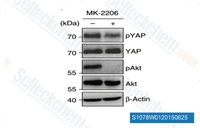
| S1078 | MK-2206 Dihydrochloride | MK-2206 2HCl is a highly selective inhibitor of Akt1/2/3 with IC50 of 8 nM/12 nM/65 nM in cell-free assays, respectively; no inhibitory activities against 250 other protein kinases observed. This compound induces autophagy and apoptosis in cancer cells. Phase 2. |
|
|
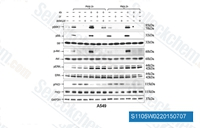
| S1105 | LY294002 | LY294002 (SF 1101, NSC 697286) is the first synthetic molecule known to inhibit PI3Kα/δ/β with IC50 of 0.5 μM/0.57 μM/0.97 μM, respectively; more stable in solution than Wortmannin, and also blocks autophagosome formation. It not only binds to class I PI3Ks and other PI3K-related kinases, but also to novel targets seemingly unrelated to the PI3K family. This compound also inhibits CK2 with IC50 of 98 nM. It is a non-specific DNA-PKcs inhibitor and activates autophagy and apoptosis. |
|
|
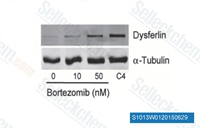
| S1013 | Bortezomib | Bortezomib is a potent 20S proteasome inhibitor with Ki of 0.6 nM. It exhibits favorable selectivity towards tumor cells over normal cells. This compound inhibits NF-κB and induces ERK phosphorylation to suppress cathepsin B and inhibit the catalytic process of autophagy in ovarian cancer and other solid tumors. |
|
|
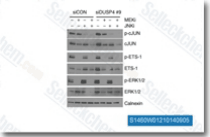
| S1460 | SP600125 | SP600125 (Nsc75890) is a broad-spectrum JNK inhibitor for JNK1, JNK2 and JNK3 with IC50 of 40 nM, 40 nM and 90 nM in cell-free assays, respectively; 10-fold greater selectivity against MKK4, 25-fold greater selectivity against MKK3, MKK6, PKB, and PKCα, and 100-fold selectivity against ERK2, p38, Chk1, EGFR etc. This compound is also a broad‐spectrum inhibitor of serine/threonine kinases including Aurora kinase A,FLT3 and TRKA with of IC50 of 60 nM, 90 nM and 70 nM. It inhibits autophagy and activates apoptosis. |
|
|
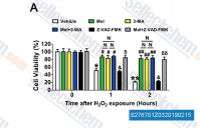
| S2767 | 3-Methyladenine (3-MA) | 3-Methyladenine (3-MA) is a selective PI3K inhibitor for Vps34 and PI3Kγ with IC50 of 25 μM and 60 μM in HeLa cells. It blocks class I PI3K consistently, whereas suppression of class III PI3K is transient, and also inhibits autophagosome formation. Solutions are unstable and should be fresh-prepared. |
|
|
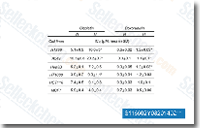
| S1166 | Cisplatin | Cisplatin is an inorganic platinum complex, which is able to inhibit DNA synthesis by conforming DNA adducts in tumor cells. Cisplatin activates ferroptosis and induces autophagy.Solutions are unstable and should be fresh-prepared.DMSO is not recommended to dissolve platinum-based drugs, which can easily lead to drug inactivation. |
|
|
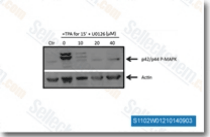
| S1102 | U0126-EtOH | U0126-EtOH is a highly selective inhibitor of MEK1/2 with IC50 of 0.07 μM/0.06 μM in cell-free assays, 100-fold higher affinity for ΔN3-S218E/S222D MEK than PD98059. U0126 inhibits autophagy and mitophagy with antiviral activity. |
|
|
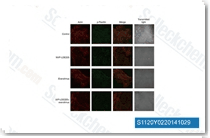
| S1120 | RAD001 (Everolimus) | Everolimus is an mTOR inhibitor of FKBP12 with IC50 of 1.6-2.4 nM in a cell-free assay. Everolimus induces cell apoptosis and autophagy and inhibits tumor cells proliferation. |
|
|
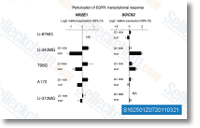
| S1025 | Gefitinib (ZD1839) | Gefitinib is an EGFR inhibitor for Tyr1173, Tyr992, Tyr1173 and Tyr992 in the NR6wtEGFR and NR6W cells with IC50 of 37 nM, 37nM, 26 nM and 57 nM, respectively. This compound promotes autophagy and apoptosis of lung cancer cells via blockade of the PI3K/AKT/mTOR pathway. |
|
|
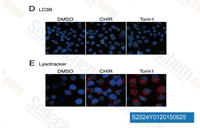
| S2924 | Laduviglusib (CHIR-99021) Hydrochloride | Laduviglusib (CHIR-99021; CT99021) HCl is hydrochloride of CHIR-99021, which is a GSK-3α/β inhibitor with IC50 of 10 nM/6.7 nM; CHIR-99021 shows greater than 500-fold selectivity for GSK-3 versus its closest homologs Cdc2 and ERK2. CHIR-99021 is a potent pharmacological activators of the Wnt/beta-catenin signaling pathway. CHIR-99021 significantly rescues light-induced autophagy and augments GR, RORα and autophagy-related proteins. |
|
|
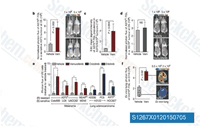
| S1267 | PLX4032 (Vemurafenib) | Vemurafenib (PLX4032, RG7204, RO5185426) is a novel and potent inhibitor of B-RafV600E with IC50 of 31 nM in cell-free assay. 10-fold selective for B-RafV600E over wild-type B-Raf in enzymatic assays and the cellular selectivity can exceed 100-fold. Vemurafenib (PLX4032, RG7204) induces autophagy. |
|
|
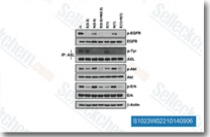
| S7786 | Erlotinib (CP-358774) | Erlotinib is an EGFR inhibitor with IC50 of 2 nM, >1000-fold more sensitive for EGFR than human c-Src or v-Abl. Erlotinib induces autophagy. |
|
|
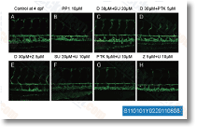
| S1021 | Dasatinib (BMS-354825) | Dasatinib is a novel, potent and multi-targeted inhibitor that targets Abl, Src and c-Kit, with IC50 of <1 nM, 0.8 nM and 79 nM in cell-free assays, respectively. Dasatinib induces autophagy and apoptosis with anti-tumor activity. |
|
|
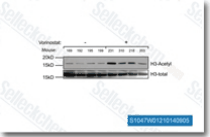
| S1047 | Vorinostat (SAHA) | Vorinostat (SAHA) is an HDAC inhibitor with IC50 of ~10 nM in a cell-free assay and abrogates productive HPV-18 DNA amplification. |
|
|
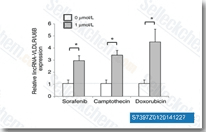
| S7397 | Sorafenib (BAY 43-9006) | Sorafenib is a multikinase inhibitor of Raf-1 and B-Raf with IC50 of 6 nM and 22 nM in cell-free assays, respectively. Sorafenib inhibits VEGFR-2, VEGFR-3, PDGFR-β, Flt-3 and c-KIT with IC50 of 90 nM, 20 nM, 57 nM, 59 nM and 68 nM, respectively. Sorafenib induces autophagy and apoptosis and activates ferroptosis with anti-tumor activity. |
|
|
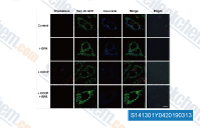
| S1413 | Bafilomycin A1 (Baf-A1) | Bafilomycin A1 (Baf-A1) is a vacuolar H+-ATPase inhibitor with IC50 of 0.44 nM, and it is found to inhibit autophagy while inducing apoptosis. |
|
|
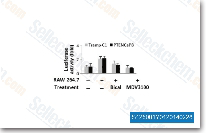
| S1250 | MDV3100 (Enzalutamide) | Enzalutamide is an androgen-receptor (AR) antagonist with IC50 of 36 nM in LNCaP cells. Enzalutamide is shown to increase autophagy. |
|
|
| S1023 | Erlotinib (CP-358774) Hydrochloride | Erlotinib HCl is an EGFR inhibitor with IC50 of 2 nM in cell-free assays, >1000-fold more sensitive for EGFR than human c-Src or v-Abl. |
|
|
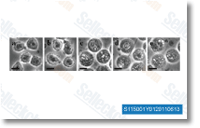
| S1150 | Paclitaxel | Paclitaxel is a microtubule polymer stabilizer with IC50 of 0.1 pM in human endothelial cells.Paclitaxel can cause both mitotic arrest and apoptotic cell death. Paclitaxel also induces autophagy. |
|
|
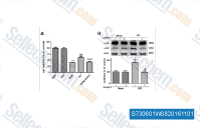
| S7306 | Dorsomorphin Dihydrochloride | Dorsomorphin 2HCl is a potent, reversible, selective AMPK inhibitor with Ki of 109 nM in cell-free assays, exhibiting no significant inhibition of several structurally related kinases including ZAPK, SYK, PKCθ, PKA, and JAK3. Also inhibits type Ⅰ BMP receptor activity. Dorsomorphin induces autophagy in cancer cell line. |
|
|
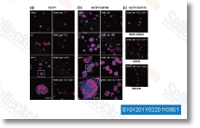
| S1009 | Dactolisib (BEZ235) | Dactolisib (BEZ235, NVP-BEZ235) is a dual ATP-competitive PI3K and mTOR inhibitor for p110α/γ/δ/β and mTOR(p70S6K) with IC50 of 4 nM /5 nM /7 nM /75 nM /6 nM in cell-free assays, respectively. It inhibits ATR with IC50 of 21 nM in 3T3TopBP1-ER cell, induces autophagy, and suppresses HIV-1 replication. Phase 2. |
|
|
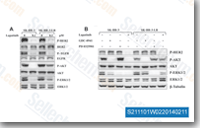
| S2111 | Lapatinib (GW572016) | Lapatinib is a potent EGFR and ErbB2 inhibitor with IC50 of 10.8 and 9.2 nM in cell-free assays, respectively. Lapatinib induces ferroptosis and autophagic cell death. |
|
|
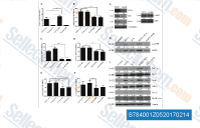
| S7840 | Dorsomorphin (Compound C) | Dorsomorphin is a potent, reversible, selective AMPK inhibitor with Ki of 109 nM in cell-free assays, exhibiting no significant inhibition of several structurally related kinases including ZAPK, SYK, PKCθ, PKA, and JAK3. Dorsomorphin selectively inhibits the BMP type I receptors ALK2, ALK3 and ALK6. Dorsomorphin is used in promoting specific cell differentiation and inducing cancer cell line autophagy. For cell testing, the water-soluble S7306 Dorsomorphin (Compound C) 2HCl is recommended. |
|
|
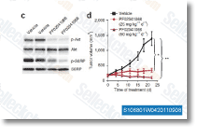
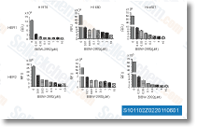
| S1068 | PF-02341066 (Crizotinib) | Crizotinib is a potent inhibitor of c-Met and ALK with IC50 of 11 nM and 24 nM in cell-based assays, respectively. It is also a potent ROS1 inhibitor with Ki value less than 0.025 nM. Crizotinib induces autophagy through inhibition of the STAT3 pathway in multiple lung cancer cell lines. |
|
|
| S1011 | Afatinib (BIBW2992) | Afatinib inhibits EGFR/ErbB irreversibly in vitro with IC50 of 0.5, 0.4, 10, 14, 1 nM for EGFRwt, EGFR L858R , EGFR L858R/T790M ErbB2 (HER2) and ErbB4 (HER4), respectively. This compound induces autophagy. |
|
|
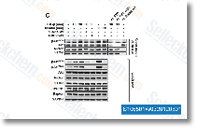
| S1065 | Pictilisib (GDC-0941) | Pictilisib (GDC-0941, RG7321) is a potent inhibitor of PI3Kα/δ with IC50 of 3 nM in cell-free assays, with modest selectivity against p110β (11-fold) and p110γ (25-fold). Pictilisib (GDC-0941) induces autophagy and apoptosis. Phase 2. |
|
|
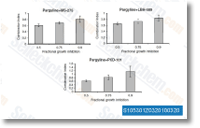
| S1030 | Panobinostat (LBH589) | Panobinostat (LBH589, NVP-LBH589) is a novel broad-spectrum HDAC inhibitor with IC50 of 5 nM in a cell-free assay. It induces autophagy and apoptosis, and effectively disrupts HIV latency in vivo. Phase 3. |
|
|
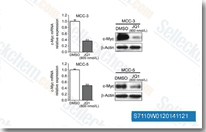
| S7110 | (+)-JQ1 | (+)-JQ1 is a BET bromodomain inhibitor, with IC50 of 77 nM/33 nM for BRD4(1/2) in cell-free assays, binding to all bromodomains of the BET family, but not to bromodomains outside the BET family. (+)-JQ1 suppresses cell proliferation via inducing autophagy. (+)-JQ1 inhibits the expression of Nuclear receptor binding SET domain protein 3 (NSD3) target genes. |
|
|
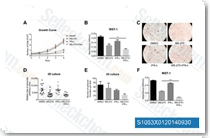
| S1053 | Entinostat (MS-275) | Entinostat (MS-275, SNDX-275) strongly inhibits HDAC1 and HDAC3 with IC50 of 0.51 μM and 1.7 μM in cell-free assays, compared with HDACs 4, 6, 8, and 10. This compound induces autophagy and apoptosis. Phase 3. |
|
|
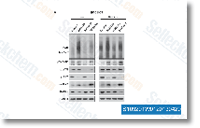
| S1092 | KU-55933 | KU-55933 is a potent and specific ATM inhibitor with IC50/Ki of 12.9 nM/2.2 nM in cell-free assays, and is highly selective for ATM as compared to DNA-PK, PI3K/PI4K, ATR and mTOR. KU‑55933 (ATM Kinase Inhibitor) inhibits the activation of autophagy‑initiating kinase ULK1 and results in a significant decrease of autophagy. |
|
|
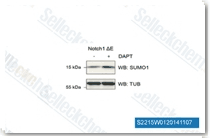
| S2215 | DAPT | DAPT is a novel γ-secretase inhibitor, which inhibits Aβ production with IC50 of 20 nM in HEK 293 cells. DAPT enhances the apoptosis of human tongue carcinoma cells and regulates autophagy. |
|
|
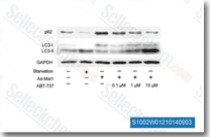
| S1002 | ABT-737 | ABT-737 is a BH3 mimetic inhibitor of Bcl-xL, Bcl-2 and Bcl-w with EC50 of 78.7 nM, 30.3 nM and 197.8 nM in cell-free assays, respectively; no inhibition observed against Mcl-1, Bcl-B or Bfl-1. ABT-737 induces mitochondrial pathway apoptosis and mitophagy. Phase 2. |
|
|
| S1225 | Etoposide | Etoposide is a semisynthetic derivative of podophyllotoxin, which inhibits DNA synthesis via topoisomerase II inhibition activity which enhances double-strand and single-strand cleavage of DNA and reversibly inhibits repair by topoisomerase II binding. Etoposide induces autophagy, mitophagy and apoptosis. |
|
|
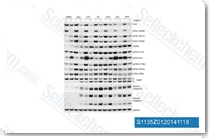
| S1133 | Alisertib (MLN8237) | Alisertib (MLN8237) is a selective Aurora A inhibitor with IC50 of 1.2 nM in a cell-free assay, and it has >200-fold higher selectivity for Aurora A than Aurora B. This compound induces cell cycle arrest, apoptosis and autophagy. Phase 3. |
|
-S113303W0120130926.gif)
|
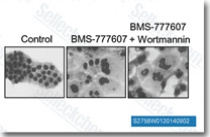
| S2758 | Wortmannin (SL-2052) | Wortmannin is the first described PI3K inhibitor with IC50 of 3 nM in a cell-free assay, with little selectivity within the PI3K family. Wortmannin blocks autophagosome formation and potently inhibits DNA-PK/ATM with IC50 of 16 nM and 150 nM in cell-free assays. Wortmannin also inhibits PLK1 activity. |
|
|
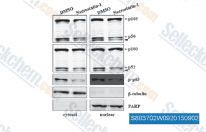
| S8037 | Necrostatin-1 (Nec-1) | Necrostatin-1 (Nec-1) is a specific RIP1 (RIPK1) inhibitor and inhibits TNF-α-induced necroptosis with EC50 of 490 nM in 293T cells. Necrostatin-1 also blocks IDO and suppresses autophagy and apoptosis. |
|
|
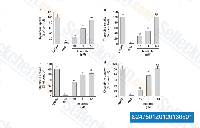
| S2475 | Imatinib (STI571) | Imatinib is a multi-target inhibitor of tyrosine kinase with inhibition for v-Abl, c-Kit and PDGFR, IC50 values are 0.6 μM, 0.1 μM and 0.1 μM in cell-free or cell-based assays, respectively. Imatinib (STI571) induces autophagy. |
|
|
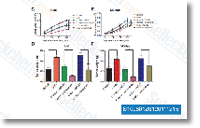
| S1006 | Saracatinib (AZD0530) | Saracatinib (AZD0530) is a potent Src inhibitor with IC50 of 2.7 nM in cell-free assays, and is potent to c-Yes, Fyn, Lyn, Blk, Fgr and Lck; less active for Abl and EGFR (L858R and L861Q). It induces autophagy and is in Phase 2/3. |
|
|
| S1714 | Gemcitabine | Gemcitabine, a nucleic acid synthesis inhibitor, is a very potent and specific deoxycytidine analogue, used as chemotherapy. Gemcitabine induces a potent p53-dependent apoptosis. |
|

|
| S1109 | BI 2536 | BI-2536 is a potent Plk1 inhibitor with IC50 of 0.83 nM in a cell-free assay. BI-2536 inhibits Bromodomain 4 (BRD4) with Kd of 37 nM and potently suppresses c-Myc expression. BI-2536 induces apoptosis and attenuates autophagy. Phase 2. |
|

|
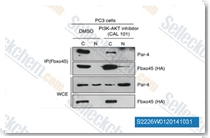
| S2226 | CAL-101 (Idelalisib) | Idelalisib (CAL-101) is a selective p110δ inhibitor with IC50 of 2.5 nM in cell-free assays; shown to have 40- to 300-fold greater selectivity for p110δ than p110α/β/γ, and 400- to 4000-fold more selectivity to p110δ than C2β, hVPS34, DNA-PK and mTOR. Idelalisib also stimulates autophagy. |
|
|
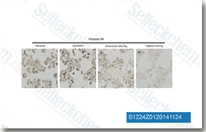
| S1224 | Oxaliplatin | Oxaliplatin is a DNA alkylating agent that activates autophagy. Oxaliplatin inhibits DNA synthesis by conforming DNA adducts in RT4, TCCSUP, A2780, HT-29, U-373MG, U-87MG, SK-MEL-2, and HT-144 cells.Solutions are unstable and should be fresh-prepared.DMSO is not recommended to dissolve platinum-based drugs, which can easily lead to drug inactivation. |
|
|
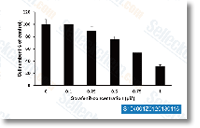
| S1040 | Sorafenib Tosylate (BAY 43-9006) | Sorafenib tosylate is a multikinase inhibitor of Raf-1 and B-Raf with IC50 of 6 nM and 22 nM in cell-free assays, respectively. Sorafenib Tosylate inhibits VEGFR-2, VEGFR-3, PDGFR-β, Flt-3 and c-KIT with IC50 of 90 nM, 20 nM, 57 nM, 59 nM and 68 nM, respectively. Sorafenib Tosylate induces autophagy and apoptosis and activates ferroptosis with anti-tumor activity. |
|
|
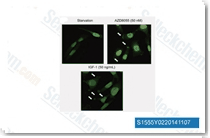
| S1555 | AZD8055 | AZD8055 is a novel ATP-competitive mTOR inhibitor with IC50 of 0.8 nM in MDA-MB-468 cells with excellent selectivity (∼1,000-fold) against PI3K isoforms and ATM/DNA-PK. This compound induces caspase-dependent apoptosis and also induces autophagy. Phase 1. |
|
|
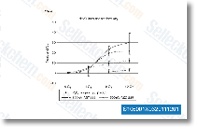
| S1004 | Veliparib (ABT-888) | Veliparib (ABT-888, NSC 737664) is a potent inhibitor of PARP1 and PARP2 with Ki of 5.2 nM and 2.9 nM in cell-free assays, respectively. This compound is inactive to SIRT2 and increases autophagy and apoptosis. Phase 3. |
|
|
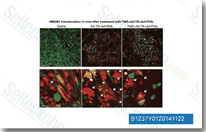
| S1237 | TMZ(Temozolomide) | TMZ(Temozolomide) is a monofunctional SN-1 alkylating agent that can modify nitrogen atoms in the DNA ring and the extracyclic oxygen group, chemically converted to MTIC and degrades to methyldiazonium cation, which transfers methyl groups to DNA at physiologic pH. A DNA damage inducer in L-1210 and L-1210/BCNU cells. Temozolomide induces apoptosis and exhibits antitumor activity. |
|
|
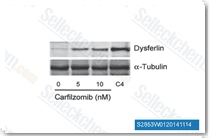
| S2853 | PR-171 (Carfilzomib) | Carfilzomib (PR-171) is an irreversible proteasome inhibitor with IC50 of <5 nM in ANBL-6 cells, displayed preferential in vitro inhibitory potency against the ChT-L activity in the β5 subunit, but little or no effect on the PGPH and T-L activities. Carfilzomib activates prosurvival autophagy and induces cell apoptosis. |
|
|
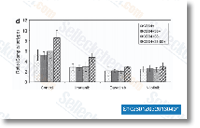
| S1026 | Imatinib (STI571) Mesylate | Imatinib Mesylate is an orally bioavailability mesylate salt of Imatinib, which is a multi-target inhibitor of v-Abl, c-Kit and PDGFR with IC50 of 0.6 μM, 0.1 μM and 0.1 μM in cell-free or cell-based assays, respectively. Imatinib Mesylate (STI571) induces autophagy. |
|
|
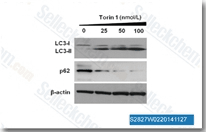
| S2827 | Torin 1 | Torin 1 is a potent inhibitor of mTORC1/2 with IC50 of 2 nM/10 nM in cell-free assays; exhibits 1000-fold selectivity for mTOR than PI3K. |
|
|
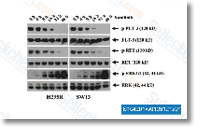
| S7781 | Sunitinib (SU-11248) | Sunitinib is a multi-targeted RTK inhibitor targeting VEGFR2 (Flk-1) and PDGFRβ with IC50 of 80 nM and 2 nM, and also inhibits c-Kit. Sunitinib is also a dose-dependent inhibitor of the autophosphorylation activity of IRE1α. Sunitinib induces autophagy and apoptosis. |
|
|
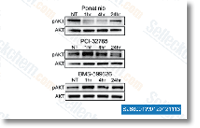
| S1490 | Ponatinib (AP24534) | Ponatinib is a novel, potent multi-target inhibitor of Abl, PDGFRα, VEGFR2, FGFR1 and Src with IC50 of 0.37 nM, 1.1 nM, 1.5 nM, 2.2 nM and 5.4 nM in cell-free assays, respectively. Ponatinib (AP24534) inhibits autophagy. |
|
|
| S1178 | Regorafenib (BAY 73-4506) | Regorafenib is a multi-target inhibitor for VEGFR1, VEGFR2, VEGFR3, PDGFRβ, Kit (c-Kit), RET (c-RET) and Raf-1 with IC50 of 13 nM/4.2 nM/46 nM, 22 nM, 7 nM, 1.5 nM and 2.5 nM in cell-free assays, respectively. Regorafenib induces autophagy. |
|
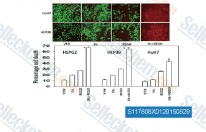
|
| S1077 | SB202190 | SB202190 is a potent p38 MAPK inhibitor targeting p38α/β with IC50 of 50 nM/100 nM in cell-free assays, sometimes used instead of SB 203580 to investigate potential roles for SAPK2a/p38 in vivo. This compound inhibits endothelial cell apoptosis via induction of autophagy and heme oxygenase-1. It significantly suppresses Erastin‐dependent ferroptosis. |
|

|
| S2449 | Forskolin (Colforsin) | Forskolin (Colforsin) is a ubiquitous activator of eukaryotic adenylyl cyclase (AC) in a wide variety of cell types, commonly used to raise levels of cAMP in the study and research of cell physiology. Forskolin also activates PXR and FXR activity. Forskolin stimulates autophagy. |
|
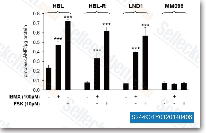
|
| S1582 | H-89 Dihydrochloride | H 89 2HCl is a potent PKA inhibitor with Ki of 48 nM in a cell-free assay, 10-fold selective for PKA than PKG,500-fold greater selectivity than PKC, MLCK, calmodulin kinase II and casein kinase I/II. H 89 2HCl induces autophagy. |
|
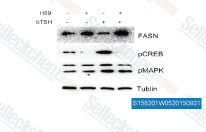
|
| S1149 | Gemcitabine Hydrochloride | Gemcitabine is a pyrimidine nucleoside analog antitumor drug that can inhibit DNA synthesis and repair, leading to cell autophagy and apoptosis. It is mainly used to treat various solid tumors such as pancreatic cancer and non-small cell lung cancer, and is often combined with chemotherapy to enhance efficacy. |
|
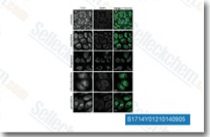
|
| S1129 | SRT 1720 Hydrochloride | SRT1720 HCl is a selective SIRT1 activator with EC50 of 0.16 μM in a cell-free assay, but is >230-fold less potent for SIRT2 and SIRT3. SRT1720 induces autophagy. |
|
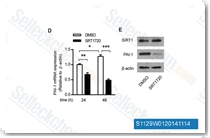
|
| S1191 | Fulvestrant (ICI-182780) | Fulvestrant is an estrogen receptor (ER) antagonist with IC50 of 0.94 nM in a cell-free assay. Fulvestrant also induces autophagy and apoptosis and has antitumor activity. |
|
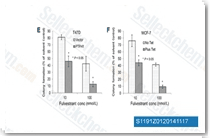
|
| S5243 | Ruxolitinib (INCB18424) Phosphate | Ruxolitinib Phosphate (INCB018424, INC424) is the phosphate salt form of Ruxolitinib. Ruxolitinib is the first potent, selective, JAK1/2 inhibitor to enter the clinic with IC50 of 3.3 nM/2.8 nM in cell-free assays, >130-fold selectivity for JAK1/2 versus JAK3. Ruxolitinib kills tumor cells through toxic mitophagy. Ruxolitinib induces autophagy and enhances apoptosis. |
|
|
| S1130 | Sepantronium Bromide (YM155) | Sepantronium Bromide (YM155) is a potent survivin suppressant by inhibiting Survivin promoter activity with IC50 of 0.54 nM in HeLa-SURP-luc and CHO-SV40-luc cells. It does not significantly inhibit SV40 promoter activity, but is observed to slightly inhibit the interaction of Survivin with XIAP. This compound down-regulates survivin and XIAP, modulates autophagy and induces autophagy-dependent DNA damage in breast cancer cells. Phase 2. |
|
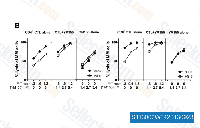
|
| S7810 | Afatinib Dimaleate | Afatinib Dimaleate irreversibly inhibits EGFR/HER2 including EGFR(wt), EGFR(L858R), EGFR(L858R/T790M) and HER2 with IC50 of 0.5 nM, 0.4 nM, 10 nM and 14 nM, respectively; 100-fold more active against Gefitinib-resistant L858R-T790M EGFR mutant. Afatinib (BIBW2992) Dimaleate induces autophagy. |
|
|
| S1786 | Verteporfin | Verteporfin is a small molecule that inhibits TEAD–YAP association and YAP-induced liver overgrowth. It is also a potent second-generation photosensitizing agent derived from porphyrin. Verteporfin is an autophagy inhibitor. Verteporfin inhibits cell proliferation and induces apoptosis. |
|
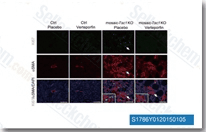
|
| S8964 | Actinomycin D (Dactinomycin) | Actinomycin D (Dactinomycin, Act D, RASP-101) is a significant polypeptide antibiotic isolated from soil bacteria of the genus Streptomyces. Actinomycin D (Dactinomycin) inhibits DNA repair and rests the cell cycle at G1 phase with IC50 of 0.42 μM and 0.4 nM, respectively. Actinomycin D is an RNA and protein synthesis inhibitor that can suppress bacterial protein synthesis. Actinomycin D is an autophagy activator, induces p53-independent cell death and prolongs survival in high-risk chronic lymphocytic leukemia.This product is a hazardous chemical (acute toxicity/flammable/skin corrosive). Please use it while wearing a protective face mask, gloves, and clothing. |
|
|
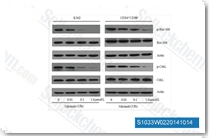
| S1033 | Nilotinib (AMN-107) | Nilotinib is a selective Bcr-Abl inhibitor with IC50 less than 30 nM in Murine myeloid progenitor cells. Nilotinib induces autophagy through AMPK activition. |
|
|
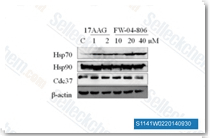
| S1141 | Tanespimycin (17-AAG) | Tanespimycin (17-AAG, CP127374, NSC-330507, KOS 953) is a potent HSP90 inhibitor with IC50 of 5 nM in a cell-free assay, having a 100-fold higher binding affinity for HSP90 derived from tumour cells than HSP90 from normal cells. Tanespimycin (17-AAG) induces apoptosis, necrosis, autophagy and mitophagy. Phase 3. |
|
|
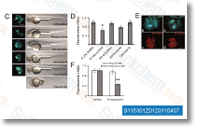
| S1230 | Flavopiridol (Alvocidib, HMR-1275) | Flavopiridol (Alvocidib) competes with ATP to inhibit CDKs including CDK1, CDK2, CDK4, CDK6, and CDK9 with IC50 values in the 20-100 nM range. It is more selective for CDK1, 2, 4, 6, 9 versus CDK7. Flavopiridol is initially found to inhibit EGFR and PKA. Flavopiridol induces autophagy and ER stress. Flavopiridol blocks HIV-1 replication. Phase 1/2. |
|
|
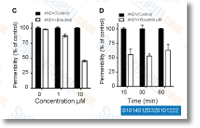
| S1014 | SKI-606 (Bosutinib) | Bosutinib is a novel, dual Src/Abl inhibitor with IC50 of 1.2 nM and 1 nM in cell-free assays, respectively. Bosutinib also effectively decreases the activity of PI3K/AKT/mTOR, MAPK/ERK and JAK/STAT3 signaling pathways by blocking the phosphorylation levels of p-ERK, p-S6, and p-STAT3. Bosutinib promotes autophagy. |
|
|
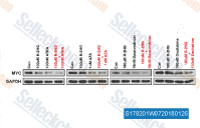
| S1782 | 5-Azacytidine (5-Aza, Azacitidine) | Azacitidine (5-Azacytidine, 5-AzaC, Ladakamycin, AZA, 5-Aza, CC-486,NSC 102816) is a nucleoside analogue of cytidine that specifically inhibits DNA methylation by trapping DNA methyltransferases. Azacitidine induces mitochondrial apoptosis and autophagy. |
|
|
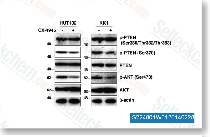
| S2248 | Silmitasertib (CX-4945) | Silmitasertib (CX-4945) is a potent and selective inhibitor of CK2 (casein kinase 2) with IC50 of 1 nM in a cell-free assay, although it is less potent against Flt3, Pim1 and CDK1 (inactive in cell-based assay). This compound induces autophagy and promotes apoptosis. Phase 1/2. |
|
|
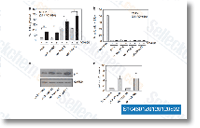
| S1048 | Tozasertib (VX-680, MK-0457) | Tozasertib (VX-680) is a pan-Aurora inhibitor, mostly against Aurora A with Kiapp of 0.6 nM in a cell-free assay, less potent towards Aurora B/Aurora C and 100-fold more selective for Aurora A than 55 other kinases. The only exceptions are Fms-related tyrosine kinase-3 (FLT-3) and BCR-ABL tyrosine kinase, which are inhibited by the Tozasertib with both Ki of 30 nM. Tozasertib induces apoptosis and autophagy. Phase 2. |
|
|
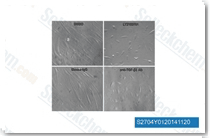
| S2704 | LY2109761 | LY2109761 is a novel selective TGF-β receptor type I/II (TβRI/II) dual inhibitor with Ki of 38 nM and 300 nM in a cell-free assay, respectively; shown to negatively affect the phosphorylation of Smad2. This compound blocks autophagy and induces apoptosis. |
|
|
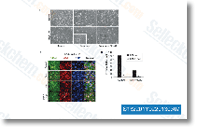
| S1322 | Dexamethasone | Dexamethasone is a potent synthetic member of the glucocorticoid class of steroid drugs, and an interleukin receptor modulator that has anti-inflammatory and immunosuppressant effects. Dexamethasone induces autophagy and mitophagy. Dexamethasone is tested in hospitalized patients with COVID-19 and is found to have benefits for critically ill patients. |
|
|
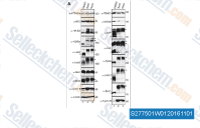
| S2775 | Nocodazole | Nocodazole is a rapidly-reversible inhibitor of microtubule polymerization, also inhibits Abl, Abl(E255K) and Abl(T315I) with IC50 of 0.21 μM, 0.53 μM and 0.64 μM in cell-free assays, respectively. Nocodazole induces apoptosis. |
|
|
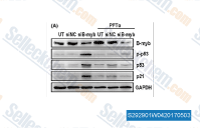
| S2929 | Pifithrin-α (PFTα) Hhydrobromide | Pifithrin-α is an inhibitor of p53, inhibiting p53-dependent transactivation of p53-responsive genes. Pifithrin-α is also a potent agonist of the aryl hydrocarbon receptor (AhR). |
|
|
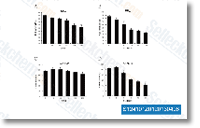
| S1241 | Vincristine (Leurocristine) Sulfate | Vincristine sulfate is an inhibitor of polymerization of microtubules by binding to tubulin with IC50 of 32 μM in a cell-free assay. Vincristine sulfate induces apoptosis. |
|
|
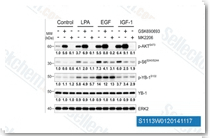
| S1113 | GSK690693 | GSK690693 is a pan-Akt inhibitor targeting Akt1/2/3 with IC50 of 2 nM/13 nM/9 nM in cell-free assays, also sensitive to the AGC kinase family: PKA, PrkX and PKC isozymes. GSK690693 also potently inhibits AMPK and DAPK3 from the CAMK family with IC50 of 50 nM and 81 nM, respectively. GSK690693 affects Unc-51-like autophagy activating kinase 1 (ULK1) activity, robustly inhibits STING-dependent IRF3 activation. Phase 1. |
|
|
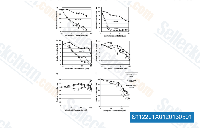
| S1122 | Mocetinostat (MGCD0103) | Mocetinostat (MGCD0103, MG0103) is a potent HDAC inhibitor with most potency for HDAC1 with IC50 of 0.15 μM in a cell-free assay, 2- to 10- fold selectivity against HDAC2, 3, and 11, and no activity to HDAC4, 5, 6, 7, and 8. Mocetinostat (MGCD0103) induces apoptosis and autophagy. Phase 2. |
|
|
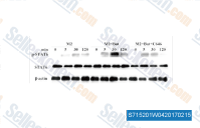
| S7152 | C646 | C646 is an inhibitor for histone acetyltransferase, and inhibits p300 with a Ki of 400 nM in a cell-free assay. Preferentially selective for p300 versus other acetyltransferases. C646 induces cell cycle arrest, apoptosis and autophagy. |
|
|
| S5742 | Deferoxamine mesylate | Deferoxamine mesylate is the mesylate salt of Deferoxamine, which forms iron complexes and is used as a chelating agent. Deferoxamine is a ferroptosis inhibitor that stabilizes HIF-1α expression and improves HIF-1α transactivity in hypoxic and hyperglycemic states in vitro. Deferoxamine decreases beta-amyloid (Aβ) deposition and induces autophagy.Please do not prepare stock solutions with normal saline or PBS, as precipitation may occur. |
|
|
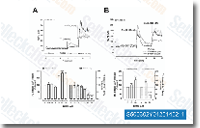
| S5003 | FK506 (Tacrolimus) | Tacrolimus (FK506) is a 23-membered macrolide lactone, it reduces peptidyl-prolyl isomerase activity in T cells by binding to the immunophilin FKBP12 (FK506 binding protein) creating a new complex. Tacrolimus also inhibits the phosphatase activity of calcineurin. Tacrolimus induces vascular endothelial autophagy. |
|
|
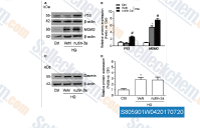
| S8059 | Nutlin-3a | Nutlin-3a ((-)-Nutlin-3), the active enantiomer of Nutlin-3, inhibits the p53/MDM2 interaction with IC50 of 90 nM in a cell-free assay. Nutlin-3a induces autophagy and apoptosis in a p53-dependent manner. |
|
|
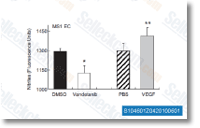
| S1046 | Vandetanib (ZD6474) | Vandetanib is a potent inhibitor of VEGFR2 with IC50 of 40 nM in a cell-free assay. It also inhibits VEGFR3 and EGFR with IC50 of 110 nM and 500 nM, respectively. Not sensitive to PDGFRβ, Flt1, Tie-2 and FGFR1 with IC50 of 1.1-3.6 μM. No activity against MEK, CDK2, c-Kit, erbB2, FAK, PDK1, Akt and IGF-1R with IC50 above 10 μM. Vandetanib (ZD6474) increases apoptosis and induces autophagy by increasing the level of reactive oxygen species (ROS). |
|
|
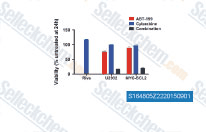
| S1648 | Cytarabine | Cytarabine is an antimetabolic agent and DNA synthesis inhibitor with IC50 of 16 nM in wild-type CCRF-CEM cells. Cytarabine induces autophagy and apoptosis. |
|
|
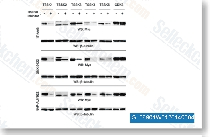
| S1069 | Luminespib (NVP-AUY922) | Luminespib (AUY-922, NVP-AUY922, VER-52296) is a highly potent HSP90 inhibitor for HSP90α/β with IC50 of 13 nM /21 nM in cell-free assays, weaker potency against the HSP90 family members GRP94 and TRAP-1, exhibits the tightest binding of any small-molecule HSP90 ligand. Luminespib (AUY-922, NVP-AUY922) effectively downregulates and destabilizes the IGF-1Rβ protein and results in growth inhibition, autophagy and apoptosis. Phase 2. |
|
|
| S8049 | Tubastatin A | Tububastatin A is a potent and selective HDAC6 inhibitor with IC50 of 15 nM in a cell-free assay. It is selective against all the other isozymes (1000-fold) except HDAC8 (57-fold). This compound promotes autophagy and increases apoptosis. |
|
|
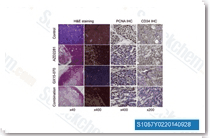
| S1057 | Obatoclax Mesylate (GX15-070) | Obatoclax Mesylate (GX15-070) is an antagonist of Bcl-2 with Ki of 0.22 μM in a cell-free assay, can assist in overcoming MCL-1 mediated resistance to apoptosis. |
|
|
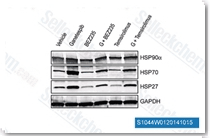
| S1044 | Temsirolimus (CCI-779) | Temsirolimus is a specific mTOR inhibitor with IC50 of 1.76 μM in a cell-free assay. Temsirolimus induces autophagy and apoptosis. |
|
|
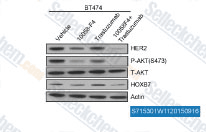
| S7153 | 10058-F4 | 10058-F4 is a c-Myc inhibitor that specificallly inhibits the c-Myc-Max interaction and prevents transactivation of c-Myc target gene expression. 10058-F4 promotes a caspase-3-dependent apoptosis and modulates autophagy. |
|
|
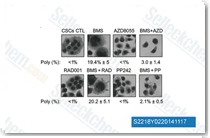
| S2218 | Torkinib (PP242) | Torkinib (PP242) is a selective mTOR inhibitor with IC50 of 8 nM in cell-free assays; this compound targets both mTOR complexes with >10- and 100-fold selectivity for mTOR than PI3Kδ or PI3Kα/β/γ, respectively. It induces mitophagy and apoptosis. |
|
|
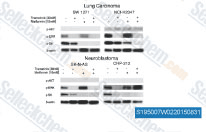
| S1950 | Metformin Hydrochloride | Metformin Hydrochloride (1,1-Dimethylbiguanide Hydrochloride) is a highly effective Antihyperglycemic Agent, which primarily decreases hyperglycemia in hepatocytes by suppressing hepatic gluconeogenesis (glucose production by the liver). It also promotes mitophagy in mononuclear cells and induces apoptosis of lung cancer cells through activating the JNK/p38 MAPK pathway and GADD153. |
|
|
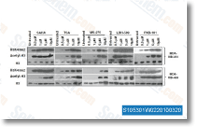
| S1085 | Belinostat (PXD101) | Belinostat is a novel HDAC inhibitor with IC50 of 27 nM in a cell-free assay, with activity demonstrated in cisplatin-resistant tumors. Belinostat (PXD101) induces autophagy. |
|
|
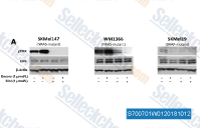
| S7007 | MEK162 (Binimetinib, ARRY-162) | Binimetinib (MEK162, ARRY-162, ARRY-438162) is a potent inhibitor of MEK1/2 with IC50 of 12 nM in a cell-free assay. Binimetinib induces G1 cell cycle arrest and apoptosis in human NSCLC cell lines and induces autophagy. Phase 3. |
|
|
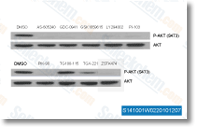
| S1038 | PI-103 | PI-103 is a multi-targeted PI3K inhibitor for p110α/β/δ/γ with IC50 of 2 nM/3 nM/3 nM/15 nM in cell-free assays, less potent to mTOR/DNA-PK with IC50 of 30 nM/23 nM. This compound induces apoptosis in murine T-cell Lymphoma. |
|
|
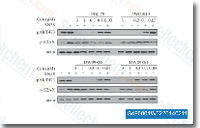
| S4908 | SN-38 | SN-38 (NK012) is an active metabolite of CPT-11, inhibits DNA topoisomerase I, DNA synthesis and causes frequent DNA single-strand breaks. SN-38 induces autophagy. |
|
|
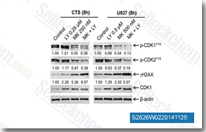
| S2626 | Rabusertib (LY2603618) | Rabusertib (LY2603618, IC-83) is a highly selective Chk1 inhibitor with potential anti-tumor activity in a cell-free assay. IC50=7 nM, showing approximately 100-fold more potent against Chk1 than against any of the other protein kinases evaluated. Rabusertib (LY2603618) induces cell cycle arrest, DNA damage response and autophagy in cancer cells. Rabusertib (LY2603618) induces bak-dependent apoptosis in AML cell lines. |
|
|
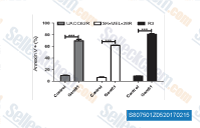
| S8075 | GANT 61 (NSC 136476) | GANT61 (NSC 136476) is an inhibitor for GLI1 as well as GLI2-induced transcription, inhibits hedgehog with IC50 of 5 μM in GLI1 expressing HEK293T cell, displays selectivity over other pathways, such as TNF and glucocorticoid receptor gene transactivation. GANT61 induces apoptosis and activates protective autophagy in LX-2 cells. |
|
|
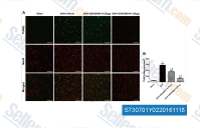
| S7307 | GSK2606414 | GSK2606414 is an orally available, potent, and selective PERK inhibitor with IC50 of 0.4 nM, displaying at least 100-fold selectivity over the other EIF2AKs assayed. This compound impairs GANT-61 induced autophagy in NB cells with MYCN amplification. It exacerbates ER stress-induced apoptosis in HCT116 cells while reduces the apoptosis in SIL1 KD HeLa cells. |
|
|
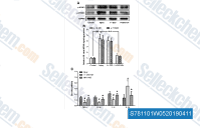
| S7811 | MHY1485 | MHY1485 is a potent, and cell-permeable mTOR activator, and this compound also potently inhibits autophagy. |
|
|
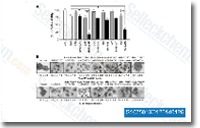
| S1075 | SB216763 | SB216763 is a potent and selective GSK-3 inhibitor with IC50 of 34.3 nM for GSK-3α and equally effective at inhibiting human GSK-3β. This compound activates autophagy. |
|
|
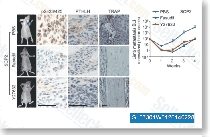
| S1573 | Fasudil (HA-1077) Hydrochloride | Fasudil HCl, a potent and selective inhibitor of Rho kinase, displays less potent inhibiton over PKA, PKG, PKC and MLCK with Ki of 1.6, 1.6, 3.3, and 36 μM in cell-free assays, respectively. Fasudil is also a calcium channel blocker. |
|
|
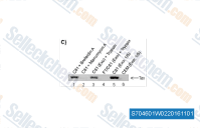
| S7046 | Brefeldin A (BFA chemical) | Brefeldin A (BFA) is a lactone antibiotic and ATPase inhibitor for protein transport with IC50 of 0.2 μM in HCT 116 cells, induces cancer cell differentiation and apoptosis. It could also improve the HDR(homology-directed repair) efficiency and be an enhancer of CRISPR-mediated HDR. Brefeldin A is also an inhibitor of autophagy and mitophagy. |
|
|
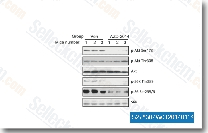
| S2783 | Vistusertib (AZD2014) | Vistusertib (AZD2014) is a novel mTOR inhibitor with IC50 of 2.8 nM in a cell-free assay, and is highly selective against multiple PI3K isoforms (α/β/γ/δ). It showed no or weak binding to the majority of kinases when tested at 1 μM. This compound induces proliferation suppression, apoptosis, cell cycle arrest, and autophagy in HCC cells with antitumor activity. |
|
|
| S1233 | 2-Methoxyestradiol (2-MeOE2) | 2-Methoxyestradiol (2-MeOE2, NSC 659853, 2-ME2) depolymerizes microtubules and blocks HIF-1α nuclear accumulation and HIF-transcriptional activity. This compound also induces both autophagy and apoptosis in various carcinogenic cell lines. |
|
-S123306W0220150907.gif)
|
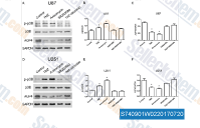
| S7409 | Anisomycin (Flagecidin) | Anisomycin (Flagecidin, Wuningmeisu C) is a bacterial antibiotic isolated from Streptomyces griseolus, which inhibits protein synthesis, and also act as a JNK activator. Anisomycin upregulates autophagy and increases apoptosis. |
|
|
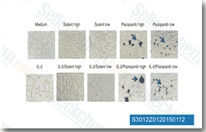
| S3012 | Pazopanib (GW786034) | Pazopanib (GW786034) is a novel multi-target inhibitor of VEGFR1, VEGFR2, VEGFR3, PDGFR, FGFR, c-Kit and c-Fms/CSF1R with IC50 of 10 nM, 30 nM, 47 nM, 84 nM, 74 nM, 140 nM and 146 nM in cell-free assays, respectively. Pazopanib induces cathepsin B activation and autophagy. |
|
|
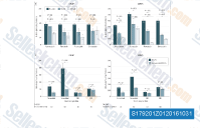
| S1792 | Simvastatin (MK-733) | Simvastatin is a competitive inhibitor of HMG-CoA reductase with Ki of 0.1-0.2 nM in cell-free assays. Simvastatin induces ferroptosis, mitophagy, autophagy and apoptosis. |
|
|
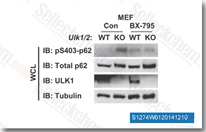
| S1274 | BX-795 | BX-795 is a potent and specific PDK1 inhibitor with IC50 of 6 nM, 140- and 1600-fold more selective for PDK1 than PKA and PKC in cell-free assays, respectively. Meanwhile, in comparison to GSK3β more than 100-fold selectivity observed for PDK1. BX-795 modulates autophagy via inhibiting ULK1. BX-795 also is a potent TBK1 inhibitor that blocks both TBK1 and IKKε with IC 50 values of 6 nM and 41 nM, respectively. |
|
|
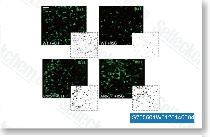
| S2556 | Rosiglitazone (BRL 49653) | Rosiglitazone is a potent antihyperglycemic agent and a potent thiazolidinedione insulin sensitizer with IC50 of 12, 4 and 9 nM for rat, 3T3-L1 and human adipocytes, respectively. Rosiglitazone is a pure ligand of PPAR-gamma, and has no PPAR-alpha-binding action. Rosiglitazone modulates TRP channels and induces autophagy. Rosiglitazone prevents ferroptosis. |
|
|
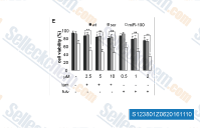
| S1238 | Tamoxifen | Tamoxifen is an orally active, selective estrogen receptor modulator (SERM) which exhibits both estrogenic agonist and antagonist effects. It blocks estrogen action in breast cells and can activate estrogen activity in other cells, such as bone, liver, and uterine cells. Tamoxifen is a potent Hsp90 activator and enhances the Hsp90 molecular chaperone ATPase activity. |
|
|
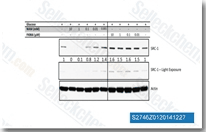
| S2799 | FK866 (Daporinad) | FK866 (Daporinad) effectively inhibits nicotinamide phosphoribosyltransferase (NMPRTase; Nampt) with IC50 of 0.09 nM in a cell-free assay. This compound triggers autophagy. Phase 1/2. |
|
|
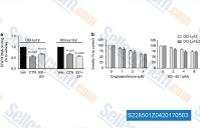
| S2285 | Cryptotanshinone (Tanshinone C) | Cryptotanshinone (Tanshinone C) is a STAT3 inhibitor with IC50 of 4.6 μM in a cell-free assay, strongly inhibiting phosphorylation of STAT3 Tyr705 with a small effect on STAT3 Ser727, but none against STAT1 nor STAT5. It also induces ROS-dependent autophagy and mitochondria-mediated apoptosis. |
|
|
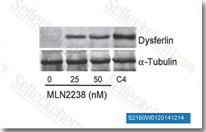
| S2180 | MLN2238 (Ixazomib) | Ixazomib (MLN2238) inhibits the chymotrypsin-like proteolytic (β5) site of the 20S proteasome with IC50 and Ki of 3.4 nM and 0.93 nM in cell-free assays, respectively, also inhibits the caspase-like (β1) and trypsin-like (β2) proteolytic sites, with IC50 of 31 and 3500 nM. Ixazomib (MLN2238) induces autophagy. Phase 3. |
|
|
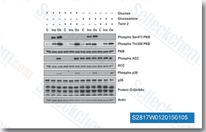
| S2817 | Torin 2 | Torin 2 is a potent and selective mTOR inhibitor with IC50 of 0.25 nM in p53−/− MEFs cell line; 800-fold greater selectivity for mTOR than PI3K and improved pharmacokinetic properties. This compound inhibits ATM/ATR/DNA-PK with EC50 of 28 nM/35 nM/118 nM,in PC3 cell lines respectively. It decreases cell viability and induces autophagy and apoptosis. |
|
|
| S2061 | Lovastatin (Mevinolin, MK-803) | Lovastatin is an inhibitor of HMG-CoA reductase with IC50 of 3.4 nM in a cell-free assay, used for lowering cholesterol (hypolipidemic agent). Lovastatin triggers autophagy. |
|
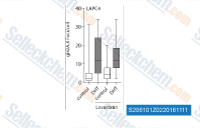
|
| S1017 | Cediranib (AZD2171) | Cediranib (AZD2171, NSC-732208) is a highly potent VEGFR(KDR) inhibitor with IC50 of <1 nM, also inhibits Flt1/4 with IC50 of 5 nM/≤3 nM, and shows similar activity against c-Kit and PDGFRβ. It is 36-, 110-fold and >1000-fold more selective for VEGFR than PDGFR-α, CSF-1R and Flt3 in HUVEC cells. This compound induces autophagic vacuole accumulation and is in Phase 3. |
|
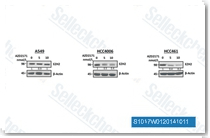
|
| S1080 | SU11274 | SU11274 (PKI-SU11274) is a selective Met (c-Met) inhibitor with IC50 of 10 nM in cell-free assays, no effects on PGDFRβ, EGFR or Tie2. This compound induces autophagy, apoptosis and cell cycle arrest. |
|
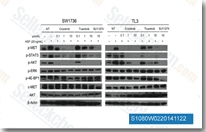
|
| S1190 | Bicalutamide | Bicalutamide is an androgen receptor (AR) antagonist with IC50 of 0.16 μM in LNCaP/AR(cs)cell line. This compound promotes autophagy. |
|
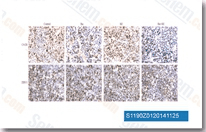
|
| S7130 | PR-619 | PR-619 is a non-selective, reversible inhibitor of the deubiquitinylating enzymes (DUBs) with EC50 of 1-20 μM in a cell-free assay. This compound activates autophagy. |
|
|
| S5190 | Crizotinib hydrochloride | Crizotinib (PF-02341066) hydrochloride (Xalkori) inhibits tyrosine phosphorylation of c-Met and nucleophosmin (NPM)-anaplastic lymphoma kinase (ALK) with IC50 of of 11 nM and 24 nM in cell-based assays, respectively. Crizotinib hydrochloride is also a potent ROS1 inhibitor with Ki less than 0.025 nM. Crizotinib induces autophagy through inhibition of the STAT3 pathway in multiple lung cancer cell lines. |
|
|
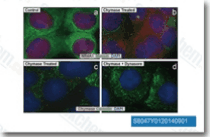
| S8047 | Dynasore | Dynasore is a cell-permeable, reversible non-competitive dynamin inhibitor of GTPase activity of dynamin 1/2, with IC50 of 15 μM in a cell-free assay, also inhibits the mitochondrial dynamin Drp1, with no effect against other small GTPase. Dynasore suppresses mTORC1 activity and induces autophagy. Dynasore inhibits the entry of several viruses, including herpes simplex virus (HSV). |
|
|
| S7455 | Resatorvid (TAK-242) | Resatorvid (TAK-242, CLI-095) is a small-molecule-specific inhibitor of Toll-like receptor (TLR) 4 signaling, blocking LPS-induced production of NO, TNF-α and IL-6 in macrophages with IC50 of 1.8 nM, 1.9 nM and 1.3 nM, respectively. This compound downregulates expression of TLR4 downstream signaling molecules MyD88 and TRIF, and it also inhibits autophagy. |
|
|
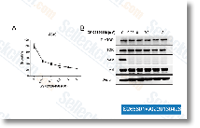
| S2658 | Omipalisib (GSK2126458) | Omipalisib (GSK2126458, GSK458) is a highly selective and potent inhibitor of p110α/β/δ/γ, mTORC1/2 with Ki of 0.019 nM/0.13 nM/0.024 nM/0.06 nM and 0.18 nM/0.3 nM in cell-free assays, respectively. This compound induces autophagy. Phase 1. |
|
|
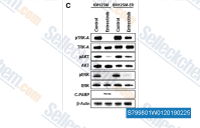
| S7998 | Entrectinib (Rxdx-101) | Entrectinib is an orally bioavailable pan-TrkA/B/C, ROS1 and ALK inhibitor with IC50 ranging between 0.1 and 1.7 nM. Entrectinib (RXDX-101) induces autophagy. Phase 2. |
|
|
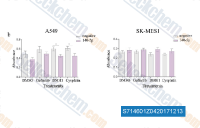
| S7146 | DMH1 | DMH1 is a selective BMP receptor inhibitor with IC50 of 107.9 nM for ALK2, exhibiting no inhibition on AMPK, ALK5, KDR (VEGFR-2) or PDGFR. This compound inhibits autophagy. |
|
|
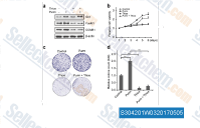
| S3042 | Purmorphamine | Purmorphamine (Shh Signaling Antagonist VI), which directly binds and activates Smoothened, blocks BODIPY-cyclopamine binding to Smo with IC50 of ~ 1.5 μM in HEK293T cell and also is an inducer of osteoblast differentiation with EC50 of 1 μM. Purmorphamine can reduce both basal and induced autophagy. |
|
|
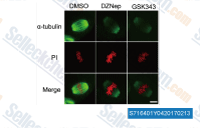
| S7164 | GSK343 | GSK343 is a potent and selective EZH2 inhibitor with IC50 of 4 nM in a cell-free assay, showing 60 fold selectivity against EZH1, and >1000 fold selectivity against other histone methyltransferases. GSK343 induces autophagy. |
|
|
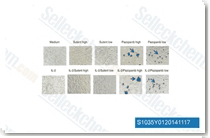
| S1035 | Pazopanib HCl | Pazopanib HCl is a novel multi-target inhibitor of VEGFR1, VEGFR2, VEGFR3, PDGFR, FGFR, c-Kit and c-Fms with IC50 of 10 nM, 30 nM, 47 nM, 84 nM, 74 nM, 140 nM and 146 nM in cell-free assays, respectively. Pazopanib induces autophagic Type II cell death. |
|
|
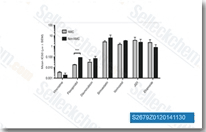
| S2679 | Flavopiridol (Alvocidib) HCl | Flavopiridol (Alvocidib) HCl competes with ATP to inhibit CDKs including CDK1, CDK2, CDK4 and CDK6 with IC50 of ~ 40 nM in cell-free assays. It is 7.5-fold more selective for CDK1/2/4/6 than CDK7. Flavopiridol is initially found to inhibit EGFR and PKA. Flavopiridol HCl induces autophagy and ER stress. Flavopiridol HCl blocks HIV-1 replication. Phase 1/2. |
|
|
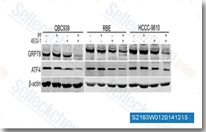
| S2163 | PF-4708671 | PF-4708671 is a cell-permeable inhibitor of p70 ribosomal S6 kinase (S6K1 isoform) with Ki/IC50 of 20 nM/160 nM in cell-free assays, 400-fold greater selectivity for S6K1 than S6K2, and 4- and >20-fold selectivity for S6K1 than MSK1 and RSK1/2, respectively. This compound induces autophagy. It is the first S6K1-specific inhibitor to be reported. |
|
|
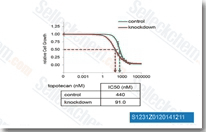
| S1231 | Topotecan HCl | Topotecan HCl is a topoisomerase I inhibitor for MCF-7 Luc cells and DU-145 Luc cells with IC50 of 13 nM and 2 nM in cell-free assays, respectively. This compound induces autophagy and apoptosis. |
|
|
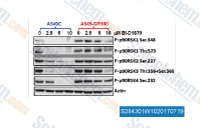
| S2843 | BI-D1870 | BI-D1870 is an ATP-competitive inhibitor of S6 ribosome for RSK1/2/3/4 with IC50 of 31 nM/24 nM/18 nM/15 nM in cell-free assays, respectively; 10- to 100-fold selectivity for RSK than MST2, GSK-3β, MARK3, CK1 and Aurora B. This compound exhibits anticancer attributes including the generation of reactive oxygen species (ROS) and increases in endoplasmic reticulum (ER) stress and autophagy. |
|
|
| S1590 | TWS119 | TWS119 is a GSK-3β inhibitor with IC50 of 30 nM in a cell-free assay; this compound is capable of inducing neuronal differentiation and may be useful to stem cell biology. GSK-3β inhibition by this chemical triggers autophagy. |
|
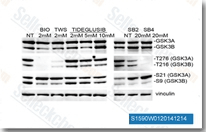
|
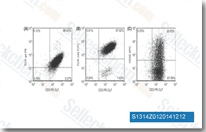
| S1314 | Zoledronic acid (Zoledronate) | Zoledronic acid (Zoledronate), a potent osteoclast inhibitor, induces apoptosis in osteoclasts by inhibiting enzymes of the mevalonate pathway and preventing the isoprenylation of small GTP-binding proteins such as Ras and Rho. Zoledronic acid (ZA) also induces autophagy. |
|
|
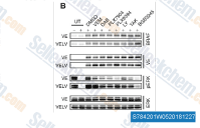
| S7842 | LY3009120 | LY3009120 (DP-4978) is a potent pan-Raf inhibitor with IC50 of 44 nM, 31-47 nM, and 42 nM for A-raf, B-Raf, and C-Raf in A375 cells, respectively. This compound induces autophagy. Phase 1. |
|
|
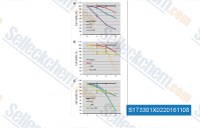
| S1228 | Idarubicin HCl | Idarubicin HCl (4-demethoxydaunorubicin (NSC256439, 4-DMDR) HCl) is a hydrochloride salt form of Idarubicin which is an anthracycline antibiotic and a DNA topoisomerase II (topo II) inhibitor for MCF-7 cells with IC50 of 3.3 ng/mL in a cell-free assay. Idarubicin induces mTOR-dependent cytotoxic autophagy. |
|
|
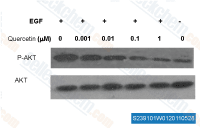
| S2391 | Quercetin (Sophoretin) | Quercetin, a natural flavonoid present in vegetables, fruit and wine, is a stimulator of recombinant SIRT1 and also a PI3K inhibitor with IC50 of 2.4-5.4 μM. Quercetin induces mitophagy, apoptosis and protective autophagy. Phase 4. |
|
|
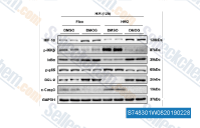
| S7483 | DMOG (Dimethyloxallyl Glycine) | DMOG (Dimethyloxalylglycine) is an antagonist of α-ketoglutarate cofactor and inhibitor for HIF prolylhydroxylase, leading to stabilisation and accumulation of HIF-1α protein in the nucleus. DMOG enhances autophagy.Solutions are unstable and should be fresh-prepared. |
|
|
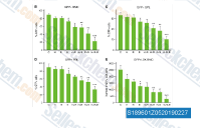
| S1896 | Hydroxyurea | Hydroxyurea is an antineoplastic agent that inhibits DNA synthesis through the inhibition of ribonucleoside diphosphate reductase. Hydroxyurea activates apoptosis and autophagy. Hydroxyurea is used to treat HIV infection. |
|
|
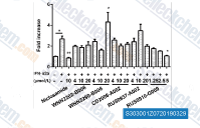
| S3030 | Niclosamide | Niclosamide can inhibit DNA replication and inhibit STAT3 with IC50 of 0.7 μM in a cell-free assay. This compound selectively inhibited the phosphorylation of STAT3 and had no obvious inhibition against the activation of other homologues (e.g., STAT1 and STAT5). |
|
|
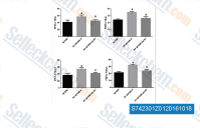
| S7423 | KN-93 Phosphate | KN-93 Phosphate is a potent and specific inhibitor of Ca2+/calmodulin-dependent protein kinase II (CaMKII) with Ki of 0.37 μM, no remarkable inhibitory effects on APK, PKC, MLCK or Ca2+-PDE activities. KN-93 attenuates CaMKII-induced autophagy.This product is not soluble in saline. Please do not dissolve it in saline for administration.Solutions are unstable and should be fresh-prepared. |
|
|
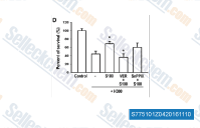
| S7751 | VER-155008 | VER155008 is a potent Hsp70 family inhibitor with IC50 of 0.5 μM, 2.6 μM, and 2.6 μM in cell-free assays for HSP70, HSC70, and GRP78 (HSPA5, Bip), respectively, >100-fold selectivity over HSP90. VER155008 inhibits autophagy and causes reduced levels of HSP90 client proteins. |
|
|
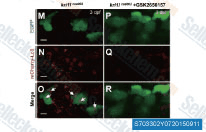
| S7033 | GSK2656157 | GSK2656157 is an ATP-competitive and highly selective inhibitor of PERK with IC50 of 0.9 nM in a cell-free assay, 500-fold greater against a panel of 300 kinases. This compound decreases apoptosis and inhibits excessive autophagy. |
|
|
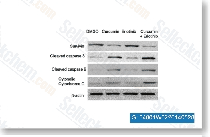
| S1848 | Curcumin (Diferuloylmethane) | Curcumin (Diferuloylmethane, Natural Yellow 3, Turmeric yellow) is the principal curcuminoid of the popular Indian spice turmeric, which is a member of the ginger family (Zingiberaceae). It is an inhibitor of p300 histone acetylatransferase(IC50~25 μM)and Histone deacetylase (HDAC); activates Nrf2 pathway and supresses the activation of NF-κB. Curcumin induces mitophagy, autophagy, apoptosis, and cell cycle arrest with antitumor activity. Curcumin reduces renal damage associated with rhabdomyolysis by decreasing ferroptosis-mediated cell death. Curcumin exhibits anti-infective properties against various human pathogens like the influenza virus, hepatitis C virus, HIV and so on. |
|
|
| S2219 | Momelotinib (CYT387) | Momelotinib (CYT387, LM-1149, CYT11387) is an ATP-competitive inhibitor of JAK1/JAK2 with IC50 of 11 nM/18 nM, ~10-fold selectivity versus JAK3. This compound induces apoptosis and autophagy. Phase 3. |
|
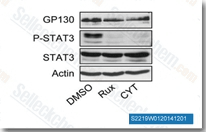
|
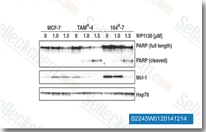
| S2243 | Degrasyn (WP1130) | Degrasyn (WP1130) is a selective deubiquitinase (DUB: USP5, UCH-L1, USP9x, USP14, and UCH37) inhibitor and also suppresses Bcr/Abl, also a JAK2 transducer (without affecting 20S proteasome) and activator of transcription (STAT). This compound induces apoptosis and blocks autophagy. |
|
|
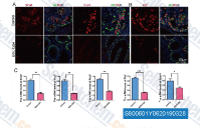
| S8006 | BIX-01294 Trihydrochloride | BIX-01294 trihydrochloride is an inhibitor of G9a histone methyltransferase with IC50 of 2.7 μM in a cell-free assay, reduces H3K9me2 of bulk histones, also weakly inhibits GLP (primarily H3K9me3), no significant activity observed at other histone methyltransferases. BIX01294 induces autophagy. BIX01294 also inhibits H3K36 methylation by oncoproteins NSD1, NSD2 and NSD3. |
|
|
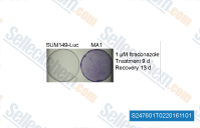
| S2476 | Itraconazole | Itraconazole is a relatively potent inhibitor of CYP3A4 with IC50 of 6.1 nM, used as a triazole antifungal agent. This compound is a potent antagonist of the Hedgehog (Hh) signaling pathway. It also suppresses the growth of glioblastoma through induction of autophagy. |
|
|
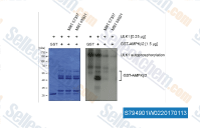
| S7949 | MRT68921 Hydrochloride | MRT68921 is a potent and dual autophagy kinase ULK1/2 inhibitor with IC50 of 2.9 nM and 1.1 nM, respectively. |
|
|
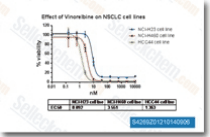
| S4269 | Vinorelbine Ditartrate (KW-2307) | Vinorelbine ditartrate is a semi-synthetic vinca alkaloid, and inhibits mitosis through interaction with tubulin. Vinorelbine Tartrate exhibits anti-tumor activities via inducing the mitotic apoptosis, autophagy and inflammation. |
|
|
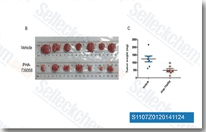
| S1107 | Danusertib (PHA-739358) | Danusertib (PHA-739358) is an Aurora kinase inhibitor for Aurora A/B/C with IC50 of 13 nM/79 nM/61 nM in cell-free assays, modestly potent to Abl, TrkA, c-RET and FGFR1, and less potent to Lck, VEGFR2/3, c-Kit, CDK2, etc. It induces apoptosis, cell cycle arrest, and autophagy. This compound is in Phase 2. |
|
|
| S3944 | VPA (Valproic acid) | Valproic acid (VPA) is a fatty acid with anticonvulsant properties used in the treatment of epilepsy. It is also a histone deacetylase (HDAC) inhibitor and is under investigation for treatment of HIV and various cancers. This compound induces autophagy and mitophagy by upregulation of BNIP3 and mitochondrial biogenesis by upregulating PGC-1α. Additionally, it activates Notch-1 signaling. |
|
|
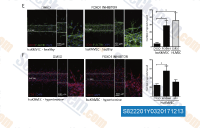
| S8222 | AS1842856 | AS1842856 is a cell-permeable inhibitor that blocks the transcription activity of Foxo1 with IC50 of 33 nM. It could directly bind to the active Foxo1, but not the Ser256-phosphorylated form. AS1842856 suppresses autophagy. |
|
|
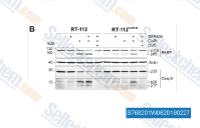
| S7682 | SAR405 | SAR405 is a low-molecular-mass kinase inhibitor of PIK3C3/Vps34 (KD 1.5 nM) showing high selectivity and not be active up to 10 μM on class I and class II PI3Ks as well as on mTOR. SAR405 prevents autophagy and synergizes with MTOR (mechanistic target of rapamycin) inhibition in tumor cells. |
|
|
| S4505 | Vinblastine sulfate | Vinblastine sulfate inhibits microtubule formation and suppresses nAChR activity with IC50 of 8.9 μM in a cell-free assay, used to treat certain kinds of cancer. This compound induces autophagy and apoptosis. |
|
|
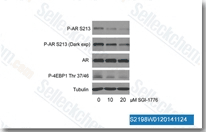
| S2198 | SGI-1776 free base | SGI-1776 free base is a novel ATP competitive inhibitor of Pim1 with IC50 of 7 nM in a cell-free assay, 50- and 10-fold selective versus Pim2 and Pim3, also potent to Flt3 and haspin. SGI-1776 induces apoptosis and autophagy. |
|
|
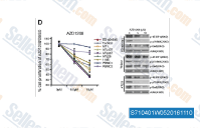
| S7104 | AZD1208 | AZD1208 is a potent, and orally available Pim kinase inhibitor with IC50 of 0.4 nM, 5 nM, and 1.9 nM for Pim1, Pim2, and Pim3 in cell-free assays, respectively. This compound induces autophagy, cell cycle arrest and apoptosis. Phase 1. |
|
|
| S7381 | Pepstatin A | Pepstatin A (Pepstatin) is a potent aspartic protease inhibitor, and also inhibits HIV replication. Pepstatin A is also an inhibitor of cathepsins D and cathepsins E. Pepstatin A inhibits autophagy by suppressing lysosomal proteases. |
|
|
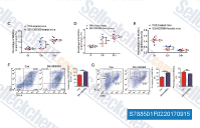
| S7885 | SBI-0206965 | SBI-0206965 is a highly selective autophagy kinase ULK1 inhibitor with IC50 of 108 nM, about 7-fold selectivity over ULK2. SBI-0206965 inhibits autophagy and enhances apoptosis in human glioblastoma and lung cancer cells. |
|
|
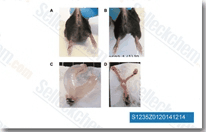
| S1235 | Letrozole | Letrozole is a third generation inhibitor of aromatase with IC50 of 0.07-20 nM in cell-free assays. It has no effect on the plasma levels of 17α-OH progesterone, thyroid-stimulating hormone (TSH), luteinizing hormone (LH), follicle-stimulating hormone (FSH), or androstenedione and does not affect normal urine electrolyte excretion or thyroid function in clinical studies. This compound induces autophagy. |
|
|
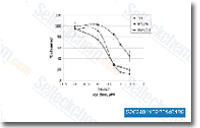
| S2624 | OSI-027 | OSI-027 (ASP4786, CERC 006, AEVI-006) is a selective and potent dual inhibitor of mTORC1 and mTORC2 with IC50 of 22 nM and 65 nM in cell-free assays, and more than 100-fold selectivity observed for mTOR than PI3Kα, PI3Kβ, PI3Kγ or DNA-PK. This compound induces autophagy in cancer cells. |
|
|
| S2770 | MK-5108 | MK-5108 (VX-689) is a highly selective Aurora A inhibitor with IC50 of 0.064 nM in a cell-free assay and is 220- and 190-fold more selective for Aurora A than Aurora B/C, while it inhibits TrkA with less than 100-fold selectivity. This compound induces autophagy. Phase 1. |
|
-S277001W0220130927.gif)
|
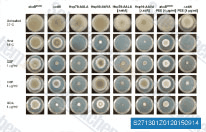
| S2713 | Geldanamycin (NSC 122750) | Geldanamycin is a natural existing HSP90 inhibitor with Kd of 1.2 μM, specifically disrupts glucocorticoid receptor (GR)/HSP association. Geldanamycin attenuates virus infection-induced ALI (acute lung injury)/ARDS (acute respiratory distress syndrome) by reducing the host's inflammatory responses. |
|
|
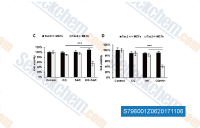
| S7980 | VPS34-IN1 | Vps34-IN1 is a potent and highly selective Vps34 inhibitor with IC50 of 25 nM invitro,which does not significantly inhibit the isoforms of class I as well as class II PI3Ks. Vps34-IN1 modulates autophagy. |
|
|
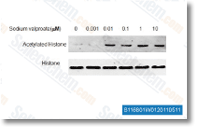
| S1168 | Sodium Valproate (Valproic acid sodium) | Valproic Acid sodium is a HDAC inhibitor by selectively inducing proteasomal degradation of HDAC2, used in the treatment of epilepsy, bipolar disorder and prevention of migraine headaches. Valproic acid induces Notch1 signaling in small cell lung cancer (SCLC) cells. Valproic acid is under investigation for treatment of HIV and various cancers. Valproic acid (VPA) induces autophagy and mitophagy by upregulation of BNIP3 and mitochondrial biogenesis by upregulating PGC-1α. |
|
|
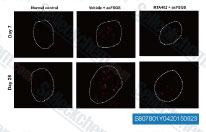
| S8078 | Bardoxolone Methyl (RTA 402) | Bardoxolone Methyl (RTA 402, TP-155, NSC 713200, CDDO Methyl Ester, CDDO-Me) is an IKK inhibitor, showing potent proapoptotic and anti-inflammatory activities; Also a potent Nrf2 activator and nuclear factor-κB (NF-κB) inhibitor. Bardoxolone Methyl abrogates ferroptosis. Bardoxolone methyl induces apoptosis and autophagy in cancer cells. |
|
|
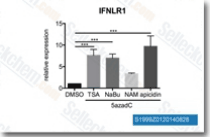
| S1999 | Sodium butyrate | Sodium butyrate (NaB, Butanoic acid sodium salt), sodium salt of butyric acid, is a histone deacetylase inhibitor and competitively binds to the zinc sites of class I and II histone deacetylases (HDACs). This compound inhibits cell cycle progression, promotes differentiation, and induces apoptosis and autophagy in several types of cancer cells. |
|
|
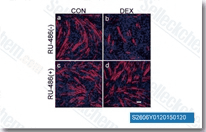
| S2606 | Mifepristone (RU-486) | Mifepristone is a remarkably active antagonist of progesterone receptor and glucocorticoid receptor with IC50 of 0.2 nM and 2.6 nM, respectively. Mifepristone promotes cell autophagy and apoptosis, decreases Bcl-2 level and increases Beclin1 level, accompanied by weakened interaction between Bcl-2 and Beclin1.Mifepristone (RU486) can be used to induce animal models of Spontaneous Abortion. |
|
|
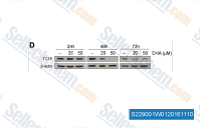
| S2290 | DHA (Dihydroartemisinin) | Dihydroartemisinin (DHA), a semi-synthetic derivative of artemisinin, is isolated from the traditional Chinese herb Artemisia annua. It induces autophagy and apoptosis by suppressing NF-κB activation. |
|
|
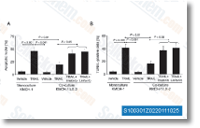
| S1003 | Linifanib (ABT-869) | Linifanib (ABT-869, AL39324, RG3635) is a novel, potent ATP-competitive VEGFR/PDGFR inhibitor for KDR, CSF-1R, Flt-1/3 and PDGFRβ with IC50 of 4 nM, 3 nM, 3 nM/4 nM and 66 nM respectively, mostly effective in mutant kinase-dependent cancer cells (i.e. FLT3). This compound induces autophagy and apoptosis, and is in Phase 3. |
|
|
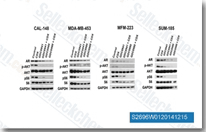
| S2696 | Apitolisib (GDC-0980) | Apitolisib (GDC-0980, RG7422, GNE 390) is a potent, class I PI3K inhibitor for PI3Kα/β/δ/γ with IC50 of 5 nM/27 nM/7 nM/14 nM in cell-free assays, respectively. It also acts as a mTOR inhibitor with Ki of 17 nM in a cell-free assay, and is highly selective versus other PIKK family kinases. This compound activates autophagy and apoptosis simultaneously in pancreatic cancer cells. Phase 2. |
|
|
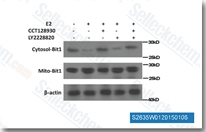
| S2635 | CCT128930 | CCT128930 is a potent, ATP-competitive and selective inhibitor of Akt2 with IC50 of 6 nM in a cell-free assay, 28-fold greater selectivity for Akt2 than the closely related PKA kinase. This compound induces cell cycle arrest, DNA damage, and autophagy independent of Akt inhibition. High dose of this chemical triggers cell apoptosis in HepG2 cells. |
|
|
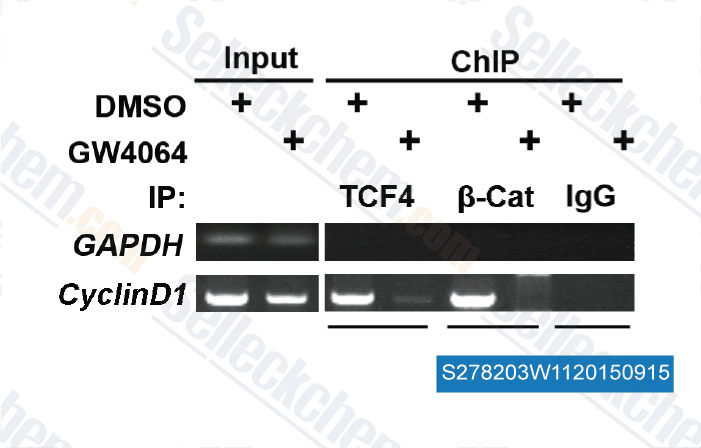
| S2782 | GW4064 | GW4064 is an agonist of farnesoid X receptor (FXR) with EC50 of 65 nM in CV1 cell line and displays no activity at other nuclear receptors at concentrations up to 1 μM. This compound stimulates autophagy in MCF-7 cells. |
|
|
| S2310 | Honokiol | Honokiol is the active principle of magnolia extract that inhibits Akt-phosphorylation and promotes ERK1/2 phosphorylation. This compound causes G0/G1 phase arrest, induces apoptosis, and autophagy via the ROS/ERK1/2 signaling pathway. It inhibits hepatitis C virus (HCV) infection. Phase 3. |
|
|
| S7785 | Pemetrexed Disodium Hydrate | Pemetrexed Disodium Hydrate (LY-231514) is a novel antifolate and antimetabolite for TS, DHFR and GARFT with Ki of 1.3 nM, 7.2 nM and 65 nM, respectively. This compound stimulates autophagy and apoptosis. |
|
|
| S1204 | Melatonin | Melatonin is a MT receptor agonist, used as a dietary supplement. This compound is a selective ATF-6 inhibitor and downregulates COX-2. It enhances mitophagy and regulates the homeostasis of apoptosis and autophagy. |
|
|
| S1312 | Streptozotocin (STZ) | STZ (Streptozotocin) is a glucosamine-nitrosourea compound derived from Streptomyces achromogenes, which is a DNA-methylating, carcinogenic, antibiotic and diabetes inducing agent. Streptozotocin induces autophagy and apoptosis. Streptozotocin (STZ) can be used to induce animal models of diabetes. Solutions are unstable and should be fresh-prepared. |
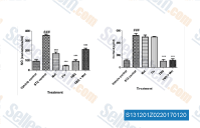
|
|
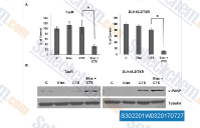
| S3022 | Cabazitaxel | Cabazitaxel is a semi-synthetic derivative of a natural taxoid that kills cancer cells by inhibiting cell division and growth. This compound exerts its effects by inhibiting microtubule growth and assembly, processes that are essential for cells to divide. It induces autophagy via the PI3K/Akt/mTOR pathway. |
|
|
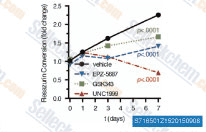
| S7165 | UNC1999 | UNC1999 is a potent, orally bioavailable and selective inhibitor of EZH2 and EZH1 with IC50 of 2 nM and 45 nM in cell-free assays, respectively, showing >1000-fold selectivity over a broad range of epigenetic and non-epigenetic targets. This compound is a potent autophagy inducer. It specifically suppresses H3K27me3/2 and induces a range of anti-leukemia effects including anti-proliferation, differentiation, and apoptosis. |
|
|
| S4028 | Dexamethasone Sodium Phosphate | Dexamethasone (Dexamethasone 21-phosphate disodium salt) is a potent synthetic member of the glucocorticoid class of steroid drugs, and an interleukin receptor modulator that has anti-inflammatory and immunosuppressant effects. |
|
|
| S5971 | Pemetrexed | Pemetrexed (LY231514) is a novel antifolate and antimetabolite for thymidylate synthase (TS), dihydrofolate reductase (DHFR) and glycinamide ribonucleotide formyltransferase (GARFT) with Ki of 1.3 nM, 7.2 nM and 65 nM in cell-free assays, respectively. This compound induces autophagy and apoptosis. |
|
|
| S1346 | Heparin Sodium | Heparin sodium, a sulfated polysaccharide belonging to the family of glycosaminoglycans, has numerous important biological activities associated with its interaction with diverse proteins. Heparin is used as an anticoagulant primarily through its interaction with AT III by enhancing AT-IIImediated inhibition of blood coagulation factors, including thrombin and factor Xa. Heparin prevents the induction of autophagy. |
|
|
| S5715 | Atorvastatin | Atorvastatin is a lipid lowering agent. It is a competitive inhibitor of hydroxymethylglutaryl-coenzyme A (HMG-CoA) reductase, the rate-determining enzyme in cholesterol biosynthesis via the mevalonate pathway. Atorvastatin activates autophagy. |
|
|
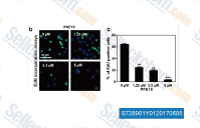
| S7289 | PFK-015 | PFK15 (PFK-015) is a potent and selective 6-phosphofructo-2-kinase (PFKFB3) inhibitor with IC50 of 207 nM. |
|
|
| S5248 | Apatinib (YN968D1) | Apatinib (Rivoceranib, YN968D1) is a potent inhibitor of the VEGF signaling pathway with IC50 values of 1 nM, 13 nM, 429 nM and 530 nM for VEGFR-2, Ret (c-Ret), c-Kit and c-Src, respectively. Apatinib induces both autophagy and apoptosis. |
|
|
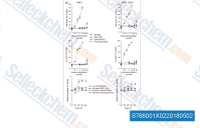
| S7680 | SP2509 | SP2509 (HCI-2509) is a selective histone demethylase LSD1 inhibitor with IC50 of 13 nM, showing no activity against MAO-A, MAO-B, lactate dehydrogenase and glucose oxidase. This compound induces apoptosis and promotes autophagy. |
|
|
| S3017 | Aspirin | Aspirin is a salicylate, and irreversible COX1 and COX2 inhibitor, used as an analgesic to relieve minor aches and pains, as an antipyretic to reduce fever, and as an anti-inflammatory medication. This compound induces autophagy and stimulates mitophagy. |
|
|
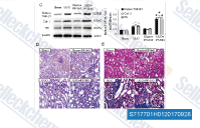
| S7177 | PF-543 hydrochloride | PF-543 hydrochloride, a novel sphingosine-competitive inhibitor of SphK1, inhibits SphK1 with IC50 and Ki of 2.0 nM and 3.6 nM, exhibits >100-fold selectivity over the SphK2 isoform. This compound induces apoptosis, necrosis, and autophagy. |
|
|
| S1759 | Pitavastatin (NK-104) Calcium | Pitavastatin calcium, a novel member of the medication class of statins, is a calcium salt formulation of pitavastatin which is a highly effective HMG-CoA reductase inhibitor. Pitavastatin Calcium attenuates AGEs-induced mitophagy via inhibition of ROS generation. Pitavastatin Calcium induces autophagy and apoptosis. |
|

|
| S1835 | Azithromycin | Azithromycin is an antibiotic by inhibiting protein synthesis, used for the treatment of bacterial infections. |
|
|
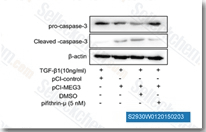
| S2930 | Pifithrin-μ | Pifithrin-μ (NSC 303580, PFTμ, 2-Phenylethynesulfonamide) is a specific p53 inhibitor by reducing its affinity to Bcl-xL and Bcl-2, and this compound also inhibits HSP70 function and autophagy. |
|
|
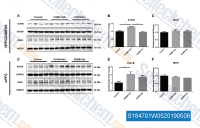
| S1847 | Clemastine (HS-592) Fumarate | Clemastine fumarate is a selective histamine H1 receptor antagonist with IC50 of 3 nM. Clemastine stimulates autophagy via mTOR pathway. |
|
|
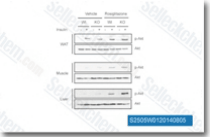
| S2505 | Rosiglitazone maleate | Rosiglitazone maleate, a member of the thiazolidinedione class of antihyperglycaemic agents, is a high-affinity selective agonist of the peroxisome proliferator-activated receptor-γ (PPAR-γ) with IC50 of 42 nM. This compound also modulates TRP channels and induces autophagy. It prevents ferroptosis. |
|
|
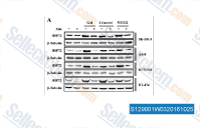
| S1290 | Celastrol (Tripterine) | Celastrol is a potent proteasome inhibitor for the chymotrypsin-like activity of a purified 20S proteasome with IC50 of 2.5 μM. Celastrol induces apoptosis and autophagy via the ROS/JNK signaling pathway. Celastrol inhibits dopaminergic neuronal death of Parkinson's disease through activating mitophagy. |
|
|
| S3592 | 4-PBA (4-Phenylbutyric acid) | 4-PBA (4-Phenylbutyric acid) is a histone deacetylase (HDAC) inhibitor and a key epigenetic inducer of anti-HCV hepatic hepcidin. This compound inhibits LPS-induced inflammation through regulating endoplasmic-reticulum (ER) stress and autophagy in acute lung injury models. |
|
|
| S1351 | Ivermectin | Ivermectin is a glutamate-gated chloride channel (GluCls) activator, used as a broad-spectrum antiparasitic drug. This compound is a specific positive allosteric effector of P2X4 and α7 nicotinic acetylcholine receptors (nAChRs). It is a specific inhibitor of Impα/β1-mediated nuclear import and has potent antiviral activity towards both HIV-1 and dengue virus. This chemical induces autophagy through the AKT/mTOR signaling pathway and mitophagy. |
|
|
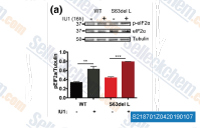
| S7134 | IU1 | IU1 is a cell-permeable, reversible and selective proteasome inhibitor of human USP14 with IC50 of 4.7 μ M, 25-fold selective to IsoT. This compound induces autophagy. |
|
|
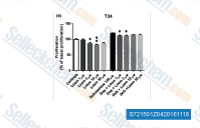
| S7215 | Losmapimod | Losmapimod is a selective, potent, and orally active p38 MAPK inhibitor with pKi of 8.1 and 7.6 for p38α and p38β, respectively. P38 MAPKs are involved in cell differentiation, apoptosis and autophagy. Phase 3. |
|
|
| S1218 | Clofarabine | Clofarabine (Clolar) inhibits the enzymatic activities of ribonucleotide reductase (RNR) (IC50 = 65 nM) and DNA polymerase. Clofarabine induces autophagy and apoptosis. |
|
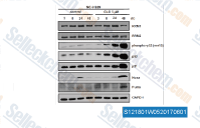
|
| S8274 | STO-609 | STO-609 is a specific inhibitor of the Ca2+/Calmodulin-dependent protein kinase kinase(CaM-KK) that inhibits the activities of recombinant CaM-KKα and CaM-KKβ isoforms, with Ki values of 80 and 15 ng/ml, respectively, and also inhibits their autophosphorylation activities. This compound inhibits AMPKK activity and inhibits autophagy. |
|
|
| S1972 | Tamoxifen Citrate | Tamoxifen Citrate is a selective estrogen receptor modulator (SERM). Tamoxifen Citrate is also a potent Hsp90 activator and enhances the Hsp90 molecular chaperone ATPase activity. Tamoxifen induces apoptosis and autophagy. |
|
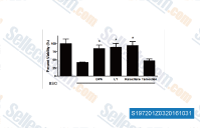
|
| S7067 | Tepotinib (EMD-1214063) | Tepotinib is a potent and selective c-Met inhibitor with IC50 of 4 nM, >200-fold selective for c-Met than IRAK4, TrkA, Axl, IRAK1, and Mer. Tepotinib (EMD 1214063) induces autophagy. Phase 1. |
|
-S706701Z0220150917.gif)
|
| S7660 | Obeticholic Acid (INT-747) | Obeticholic Acid (INT-747) is a potent and selective farnesoid X receptor (FXR) agonist with EC50 of 99 nM, and it inhibits autophagy. This compound is in Phase 3. |
|
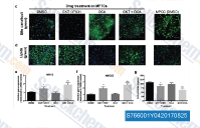
|
| S3031 | Linagliptin | Linagliptin is a highly potent, selective DPP-4 inhibitor with IC50 of 1 nM and exhibits a 10,000-fold higher selectivity for DPP-4 than for other dipeptidyl peptidases such as DPP-2, DPP-8, and DPP-9. Linagliptin activates glomerular autophagy in a model of type 2 diabetes. DPP4 mediates ferroptosis in TP53-deficient CRC cells. |
|
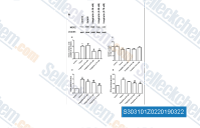
|
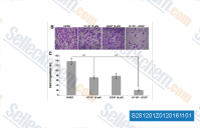
| S2812 | (R)-(-)-Gossypol (AT-101) acetic acid | (R)-(-)-Gossypol (AT-101) acetic acid, the R-(-) enantiomer of Gossypol acetic acid, binds with Bcl-2, Bcl-xL and Mcl-1 with Ki of 0.32 μM, 0.48 μM and 0.18 μM in cell-free assays; does not inhibit BIR3 domain and BID. AT-101 simultaneously triggers apoptosis and a cytoprotective type of autophagy. Phase 2. |
|
|
| S1576 | Sulfasalazine | Sulfasalazine is a sulfa derivative of mesalazine, used as an anti-inflammatory agent to treat bowel disease and rheumatoid arthritis. This compound is a potent and specific inhibitor of nuclear factor kappa B (NF-κB), TGF-β and COX-2. It induces ferroptosis, apoptosis and autophagy. |
|
|
| S7724 | Eprenetapopt (APR-246) | Eprenetapopt (APR-246, PRIMA-1MET) is a small organic molecule that has been shown to restore tumour-suppressor function primarily to mutant p53 and also to induce cell death in various cancer types. It induces apoptosis and autophagy. |
|
|
| S1627 | Nitazoxanide | Nitazoxanide is a synthetic nitrothiazolyl-salicylamide derivative and an antiprotozoal agent(IC50 for canine influenza virus ranges from 0.17 to 0.21 μM). This compound modulates autophagy and inhibits mTORC1 signaling. |
|
|
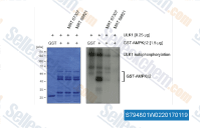
| S7948 | MRT67307 HCl | MRT67307 is a potent and dual IKKϵ and TBK1 inhibitor with IC50 of 160 and 19 nM, respectively. MRT67307 potently inhibits ULK1 and ULK2 and blocks autophagy. |
|
|
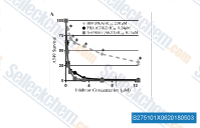
| S2751 | Milciclib | Milciclib is a potent, ATP-competitive CDK inhibitor for CDK2 with IC50 of 45 nM. It is >3-fold more selective for CDK2 than CDK1, 2, 4, 5, and 7, it's also an inhibitor of TRKA with IC50 of 53nM. This compound induces cell death through autophagy. Phase 2. |
|
|
| S4895 | Nilotinib hydrochloride monohydrate | Nilotinib (AMN-107, Tasigna) hydrochloride monohydrate is a selective and orally bioavailable inhibitor of Bcr-Abl with IC50 < 30 nM in Murine myeloid progenitor cells. Nilotinib induces autophagy through AMPK activition. |
|
|
| S7793 | Purvalanol A | Purvalanol A is a potent, and cell-permeable CDK inhibitor with IC50 of 4 nM, 70 nM, 35 nM, and 850 nM for cdc2-cyclin B, cdk2-cyclin A, cdk2-cyclin E, and cdk4-cyclin D1, respectively. This compound induces endoplasmic reticulum stress-mediated apoptosis and autophagy. |
|
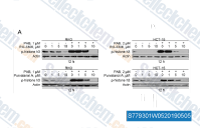
|
| S2077 | Atorvastatin Calcium (CI-981) | Atorvastatin Calcium is an inhibitor of HMG-CoA reductase used as a cholesterol-lowering medication that blocks the production of cholesterol. Atorvastatin Calcium induces apoptosis and autophagy. |
|
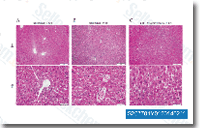
|
| S1219 | YM201636 | YM201636 is a selective PIKfyve inhibitor with IC50 of 33 nM, less potent to p110α and insensitive to Fabl (yeast orthologue). This compound suppresses the growth of liver cancer via the induction of autophagy. |
|
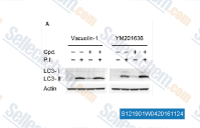
|
| S1794 | Fenofibrate | Fenofibrate is a compound of the fibrate class and fibric acid derivative. This compound is a selective agonist of PPARα with EC50 of 30 μM. It binds to and inhibits cytochrome P450 epoxygenase (CYP)2C with IC50 of 0.2 μM, 0.7 μM and 9.7 μM for CYP2C19, CYP2B6 and CYP2C9, respectively. This chemical induces autophagy. |
|
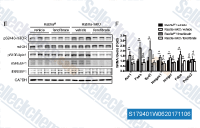
|
| S8793 | ULK-101 | ULK-101 is a potent and selective ULK1 inhibitor with IC50 values of 8.3 nM and 30 nM for ULK1 and ULK2, respectively. |
|
|
| S1403 | Tigecycline | Tigecycline is bacteriostatic and is a protein synthesis inhibitor by binding to the 30S ribosomal subunit of bacteria and thereby blocking entry of Aminoacyl-tRNA into the A site of the ribosome during prokaryotic translation. This compound induces autophagy by downregulating the PI3K-AKT-mTOR pathway. |
|
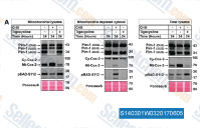
|
| S7343 | URMC-099 | URMC-099 is an orally bioavailable, brain penetrant mixed lineage kinase (MLK) inhibitor with IC50 of 19 nM, 42 nM, 14 nM, and 150 nM, for MLK1, MLK2, MLK3, and DLK, respectively, and also inhibits LRRK2 activity with IC50 of 11 nM. This compound also inhibits ABL1 with IC50 of 6.8 nM. It induces autophagy. |
|
|
| S2181 | Ixazomib Citrate (MLN9708) Analogue | Ixazomib Citrate (MLN9708) Analogue is the analogue of Ixazomib Citrate (MLN9708) from WO2016165677A1. Ixazomib Citrate (MLN9708) immediately hydrolyzed to Ixazomib (MLN2238), the biologically active form, on exposure to aqueous solutions or plasma. Ixazomib (MLN2238) inhibits the chymotrypsin-like proteolytic (β5) site of the 20S proteasome with IC50/Ki of 3.4 nM/0.93 nM in cell-free assays, less potent to β1 and little activity to β2. Ixazomib (MLN2238) induces autophagy. Phase 3. |
|
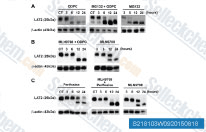
|
| S1389 | Omeprazole | Omeprazole is a proton pump inhibitor that blocks H(+)-K(+)-ATPase, used to treat dyspepsia, peptic ulcer disease, gastroesophageal reflux disease, laryngopharyngeal reflux, and Zollinger–Ellison syndrome. |
|
|
| S8595 | Tat-beclin 1 | Tat-beclin 1 (Tat-BECN1), a peptide known to stimulate autophagy through mobilization of endogenous Beclin 1, induces autophagy in vitro and in vivo and improves clinical outcomes. |
|
|
| S1979 | Amiodarone HCl | Amiodarone HCl is a sodium/potassium-ATPase inhibitor and an autophagy activator, used to treat various types of cardiac dysrhythmias. |
|
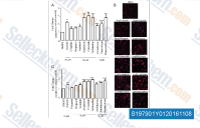
|
| S8317 | 3BDO | 3BDO, a butyrolactone derivative, could target FKBP1A and activate the mTOR signaling pathway. It inhibits autophagy in HUVECs. This compound inhibits oxLDL-induced apoptosis. |
|
|
| S4484 | Trametinib DMSO solvate (GSK1120212B) | Trametinib DMSO solvate is a highly specific and potent MEK1/2 inhibitor with IC50 of 0.92 nM/1.8 nM in cell-free assay. Trametinib activates autophagy and induces apoptosis. |
|
|
| S4211 | Montelukast Sodium | Montelukast Sodium selectively antagonizes leukotriene D4 (LTD4) by binding to it so that block the action of leukotriene D4 on the cysteinyl leukotriene receptor CysLT1. Montelukast improves macroautophagy but not the chaperone-mediated autophagy pathway. Solutions are unstable and should be fresh-prepared. |
|
|
| S2271 | Berberine chloride | Berberine chloride is a quaternary ammonium salt from the group of isoquinoline alkaloids. This compound activates caspase 3 and caspase 8, cleavage of poly ADP-ribose polymerase (PARP) and the release of cytochrome c. It decreases the expression of c-IAP1, Bcl-2 and Bcl-XL. This chemical induces apoptosis with sustained phosphorylation of JNK and p38 MAPK, as well as generation of the ROS. It is a dual topoisomerase I and II inhibitor. It is also a potential autophagy modulator. |
|
|
| S7684 | Salirasib | Salirasib (Farnesylthiosalicylic acid, FTS) is a potent competitive prenylated protein methyltransferase (PPMTase) inhibitor with Ki of 2.6 μM, which inhibits Ras methylation. Salirasib exerts antitumor effects and induces autophagy. Phase 2. |
|
|
| S7648 | OTS964 | OTS964 is a potent TOPK inhibitor with high affinity and selectivity and IC50 value is 28 nM. This compound is also a potent inhibitor of the cyclin-dependent kinase CDK11 with Kd of 40 nM. This chemical treatment activates autophagy in glioma cells and induces apoptosis of human lung cancer cells in mouse xenografts. |
|
|
| S2480 | Loperamide HCl | Loperamide HCl (ADL 2-1294,R-18553 hydrochloride) is a selective μ-opioid receptor agonist opioid with Ki of 3.3 nM, 15-fold and 350-fold selective over the δ subtype and the κ subtype of the opioid receptor, used against diarrhea resulting from gastroenteritis or inflammatory bowel disease. |
|
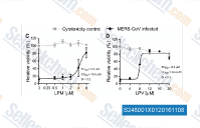
|
| S8807 | PFK158 | PFK158 is a potent and selective inhibitor of PFKFB3. It has improved PK properties and causes ~80% growth inhibition in several mouse models of human-derived tumors. |
|
|
| S7106 | AZD3463 | AZD3463 is a novel orally bioavailable ALK inhibitor with Ki of 0.75 nM, which also inhibits IGF1R with equivalent potency. This compound suppresses cell viability by inducing both cell apoptosis and autophagy. |
|
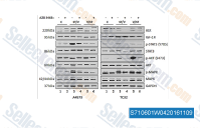
|
| S1693 | Carbamazepine | Carbamazepine (Carbatrol, NSC 169864) is a sodium channel blocker with IC50 of 131 μM in rat brain synaptosomes. |
|
|
| S1733 | Methylprednisolone | Methylprednisolone is a synthetic glucocorticoid receptor agonist, used to achieve prompt suppression of inflammation. This compound activates ACE2 and reduces IL-6 levels, thus improves severe or critical COVID-19. It markedly reduces autophagy and apoptosis. |
|
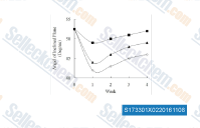
|
| S1747 | Nimodipine | Nimodipine (BAY E 9736) is a dihydropyridine calcium channel blocker and an autophagy inhibitor, used in the treatment of high blood pressure. |
|
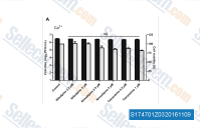
|
| S8597 | LYN-1604 | LYN-1604 is a potential ULK1 agonist with IC50 of 1.66 μM against MDA-MB-231 cells and it binds to wild-type ULK1 with a binding affinity in the nanomole range (Kd=291.4 nM). The ULK1 (Y89A) mutant protein caused a sharp decrease in binding affinity with lower response and Kd than wild-type ULK1, ULK1 (K50A) and ULK1 (L53A) mutants. |
|
|
| S5144 | Neferine | Neferine ((R)-1,2-Dimethoxyaporphine), a natural component of Nelumbo nucifera, has antitumor efficiency. It induces apoptosis in renal cancer cells. This compound prevents autophagy through activation of Akt/mTOR pathway and Nrf2 in muscle cells. It strongly inhibits NF-κB activation. It possesses a number of therapeutic effects such as anti-diabetic, anti-aging, anti-microbial, anti-thrombotic, anti-arrhythmic, anti-inflammatory and even anti-HIV. |
|
|
| S0709 | Tubastatin A TFA | Tubastatin A TFA (Tubastatin A trifluoroacetate salt) is a potent and selective HDAC6 inhibitor with IC50 of 15 nM in a cell-free assay. It is selective against all the other isozymes (1000-fold) except HDAC8 (57-fold). Tubastatin A promotes autophagy and increases apoptosis. |
|
|
| S6912 | Vacuolin-1 | Vacuolin-1 is a potent and cell-permeable inhibitor that blocks the Ca(2+)-dependent exocytosis of lysosomes and prevents the release of lysosomal content without affecting the process of resealing. This compound is also a potent and selective PIKfyve inhibitor, and inhibits autophagy by impairing lysosomal maturation via PIKfyve inhibition. |
|
|
| S8432 | Troglitazone (CS-045) | Troglitazone is a potent agonist for the peroxisome proliferator-activated receptor-(PPAR) that is a ligand activated transcription factor regulating cell differentiation and growth. Troglitazone induces autophagy, apoptosis and necroptosis in bladder cancer cells. Troglitazone prevents RSL3-induced ferroptosis and lipid peroxidation in Pfa1 cells. |
|
|
| S6847 | ML-9 HCl | ML-9 HCl (ML-9 hydrochloride) is a selective and potent inhibitor of Akt kinase, myosin light chain kinase (MLCK) and stromal interaction molecule 1 (STIM1). This compound is also a potent inhibitor of Ca2+-permeable channels. It is a lysosomotropic agent targeting autophagy and cell death. |
|
|
| S6889 | Monomethyl Fumarate | Monomethyl Fumarate (MMF, Monomethylfumarate, Fumaric acid monomethyl ester, Methyl hydrogen fumarate), the active metabolite of the psoriasis drug Fumaderm, is a potent GPR109A agonist. This compound prevents major dysfunctions associated with neurodegenerative diseases: oxidative stress, mitochondrial dysfunction, apoptosis and autophagy. |
|
|
| S2458 | Clonidine HCl | Clonidine HCl(Kapvay) is a direct-acting α2 adrenergic agonist with an ED50 of 0.02±0.01 mg/kg. |
|
|
| S2491 | Nitrendipine | Nitrendipine (Bayotensin) is a dihydropyridine calcium channel blocker with an IC50 of 95 nM. |
|
|
| S3653 | Spermidine trihydrochloride | Spermidine (4-Azaoctamethylenediamine), a natural polyamine produced from putrescine and decarboxylated S-adenosylmethionine (dcSAM) by spermidine synthase, is a novel autophagy inducer and negatively modulates N-methyl-d-aspartate (NMDA). |
|
|
| S3758 | Sinomenine hydrochloride | Sinomenine (SN, Cucoline, Kukoline, Sabianine A), extracted from the Chinese medicinal plant, sinomenium acutum, is a potent anti-inflammatory and neuroprotective agent. |
|
|
| S6078 | ICCB-19 hydrochloride | ICCB-19 hydrochloride is an inhibitor of TNFRSF1A Associated Via Death Domain (TRADD) with IC50 of 1.12 μM and 2.01 μM for protecting Velcade-induced apoptosis in Jurkat cells and protecting RDA in MEFs, respectively. ICCB-19 indirectly inhibits Receptor-interacting serine/threonine-protein kinase 1 (RIPK1). ICCB-19 effectively induces autophagy. |
|
|
| S3984 | Nordihydroguaiaretic acid (NDGA) | Nordihydroguaiaretic acid (NDGA) is a phenolic antioxidant found in the leaves and twigs of the evergreen desert shrub, Larrea tridentata (Sesse and Moc. ex DC) Coville (creosote bush). It is a recognized inhibitor of lipoxygenase (LOX) and has antioxidant and free radical scavenging properties. Nordihydroguaiaretic acid (NDGA) is a cytotoxic insulin-like growth factor-I receptor (IGF-1R)/HER2 inhibitor and induces apoptosis. |
|
|
| S4643 | KB-R7943 mesylate | KB-R7943 mesylate is a widely used inhibitor of the reverse Na+/Ca2+ exchanger (NCX(rev)) with IC50 of 5.7 μM. This compound promotes prostate cancer cell death by activating the JNK pathway and blocking autophagic flux. |
|
|
| S5554 | Lanatoside C | Lanatoside C is a cardiac glycoside with antiviral and anti-tumor activity. This compound induces G2/M cell cycle arrest and induces autophagy and apoptosis via attenuating MAPK, Wnt, JAK-STAT, and PI3K/AKT/mTOR signaling pathways. |
|
|
| S8943 | VLX600 | VLX600 is a novel iron-chelating inhibitor of oxidative phosphorylation (OXPHOS), potentiates the effect of radiation in tumor spheroids in a synergistic manner. This compound shows enhanced cytotoxic activity under conditions of nutrient starvation. It induces autophagy and mitochondrial inhibition with antitumor activity. |
|
|
| S5973 | Methylprednisolone Acetate | Methylprednisolone (NSC-19987, Medrol) acetate is a synthetic glucocorticoid receptor agonist, used to achieve prompt suppression of inflammation. Methylprednisolone activates ACE2 and reduces IL-6 levels, thus improves severe or critical COVID-19. Methylprednisolone markedly reduces autophagy and apoptosis. |
|
|
| S6919 | Brevilin A | Brevilin A (6-O-Angeloylplenolina), a sesquiterpene lactone isolated from Centipeda minima, is a selective inhibitor of STAT3 and attenuates the JAKs activity by blocking the JAKs tyrosine kinase domain JH1. This compound induces apoptosis and autophagy of colon adenocarcinoma cell CT26 via mitochondrial pathway and PI3K/AKT/mTOR inactivation. |
|
|
| S4081 | Sulfacetamide Sodium | Sulfacetamide Sodium is an anti-biotic. |
|
|
| S6756 | Siramesine HCl | Siramesine (Lu 28-179) is a sigma receptor agonist, selective for the σ2 subtype with IC50 values of 0.12 nM and 17 nM for σ2 and σ1 receptors respectively. |
|
|
| S1027 | FL-411 | FL-411 (BRD4-IN-1) is a potent and selective inhibitor of Bromodomain-containing protein 4 (BRD4) with IC50 of 0.43 μM for BRD4(1). This compound induces ATG5-dependent autophagy-associated cell death (ACD) by blocking BRD4-AMPK interaction. | ||
| S6957 | β-Elemene |
β-Elemene ((-)-β-Elemene, Levo-β-elemene) is a sesquiterpene compound extracted from the herb Curcuma Rhizoma with antitumor activities. β-elemene can inhibit cell proliferation, arrest the cell cycle, and induce cell apoptosis or autophagy. |
||
| E5898 | SKLB-D18 | SKLB-D18 is a first-in-class, potent, and selective inhibitor of ERK1/2 and ERK5 with an IC50's of 38.69 nM, 40.12 nM, and 59.72 nM, respectively, that also acts as an agonist of autophagy. It modulates mTOR/p70S6K and NCOA4-mediated ferroptosis, showing strong anti-tumor activity and offering a promising monotherapy strategy to overcome resistance in ERK1/2-targeted therapy for triple-negative breast cancer (TNBC). | ||
| S9860 | BC1618 | BC1618 is an orally active Fbxo48 inhibitor that stimulates adenosine monophosphate (AMP)-activated protein kinase (Ampk)-dependent signaling. This compound promotes mitochondrial fission, facilitates autophagy and improves hepatic insulin sensitivity. | ||
| S9611 | ABTL-0812 | ABTL0812 (α-Hydroxylinoleic acid, LP-10218, SCLN-0812) inhibits Akt/mTOR axis by inducing the overexpression of TRIB3 and activating autophagy in lung squamous carcinoma cell lines. ABTL0812 also induces AMPK activation and ROS accumulation. | ||
| S4476 | PCNA-I1 | PCNA-I1 is a selective inhibitor of proliferating cell nuclear antigen (PCNA, a potential anticancer target). This compound selectively binds to PCNA trimers with Kd of ~0.2 to 0.4 μM. It inhibits the growth of tumor cells of various tissue types with IC50 of ~0.2 μM. This chemical induces DNA damage and apoptosis in both LNCaP and PC-3 cells. It also induces autophagy in PC-3 cells. | ||
| S6851 | RA-190 | RA190, a bis-benzylidine piperidon, is a potent, selective and oral effective inhibitor of proteasome ubiquitin receptor RPN13/ADRM1 with anticancer activity. RA190 triggers ER stress response, p53/p21 signaling axis and autophagy in multiple myeloma cells. | ||
| S0012 | E260 | E260 (Fer and FerT inhibitor E260) is a Fer kinase and FerT inhibitor that selectively evokes metabolic stress in cancer cells by imposing mitochondrial dysfunction and deformation, and onset of energy-consuming autophagy which decreases the cellular ATP level. | ||
| E1232 | Concanavalin A | Concanavalin A is a potential anti-neoplastic agent targeting apoptosis, autophagy and anti-angiogenesis for cancer therapeutics. | ||

Products are for research use only. Not for human use. We do not sell to patients.
©Copyright 2013 Selleck Chemicals. All Rights Reserved.