Akt inhibitors/activators

AKT inhibitors represent a pivotal class of targeted therapeutic agents that have revolutionized the landscape of cancer research and treatment. Derived from extensive studies on signal transduction pathways in malignant cells, these compounds specifically target the AKT serine/threonine kinase family—consisting of AKT1, AKT2, and AKT3—which plays a central role in regulating cell survival, proliferation, metabolism, and angiogenesis. Dysregulation of AKT signaling, often driven by genetic mutations, amplifications, or aberrant upstream pathway activation, is a hallmark of numerous human cancers, including breast, prostate, colorectal, and glioblastoma. As such, AKT inhibitors have emerged as promising tools to disrupt oncogenic signaling cascades, and their development has been accompanied by intensive scientific inquiry into their molecular mechanisms, pathway interactions, and translational potential.

Isoform-selective Products

  • All (80)
  • Akt Inhibitors (66)
  • Akt Activators (7)
  • Akt Modulators (6)
  • New Akt Products
Cat.No. Product Name Information Product Use Citations Product Validations
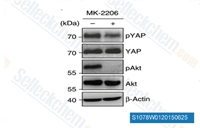
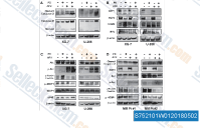
S1078 MK-2206 Dihydrochloride MK-2206 2HCl is a highly selective inhibitor of Akt1/2/3 with IC50 of 8 nM/12 nM/65 nM in cell-free assays, respectively; no inhibitory activities against 250 other protein kinases observed. This compound induces autophagy and apoptosis in cancer cells. Phase 2.
Cell Res, 2025, 10.1038/s41422-025-01110-x
Cell Res, 2025, 10.1038/s41422-025-01085-9
Mol Cancer, 2025, 24(1):272
Verified customer review of MK-2206 Dihydrochloride
S1037 Perifosine Perifosine is a novel Akt inhibitor with IC50 of 4.7 μM in MM.1S cells, targets pleckstrin homology domain of Akt. Phase 3.
J Neuroinflammation, 2025, 22(1):32
Biomol Ther (Seoul), 2025, 33(1):170-181
iScience, 2024, 27(10):110862
Verified customer review of Perifosine
S7863 SC79 SC79 is a brain-penetrable Akt phosphorylation activator and an inhibitor of Akt-PH domain translocation.
Nat Commun, 2025, 16(1):3734
J Immunother Cancer, 2025, 13(9)e010812
Int J Biol Sci, 2025, 21(5):2118-2134
Verified customer review of SC79
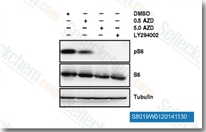
S8019 Capivasertib (AZD5363) Capivasertib (AZD5363) potently inhibits all isoforms of Akt(Akt1/Akt2/Akt3) with IC50 of 3 nM/8 nM/8 nM in cell-free assays, similar to P70S6K/PKA and lower activity towards ROCK1/2. This compound is in Phase 2.
Nat Commun, 2025, 16(1):8409
Cell Rep Med, 2025, 6(7):102192
EBioMedicine, 2025, 118:105828
Verified customer review of Capivasertib (AZD5363)
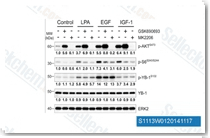
S1113 GSK690693 GSK690693 is a pan-Akt inhibitor targeting Akt1/2/3 with IC50 of 2 nM/13 nM/9 nM in cell-free assays, also sensitive to the AGC kinase family: PKA, PrkX and PKC isozymes. GSK690693 also potently inhibits AMPK and DAPK3 from the CAMK family with IC50 of 50 nM and 81 nM, respectively. GSK690693 affects Unc-51-like autophagy activating kinase 1 (ULK1) activity, robustly inhibits STING-dependent IRF3 activation. Phase 1.
Theranostics, 2025, 15(18):9819-9837
Cell Rep, 2025, 44(7):115947
Front Cell Infect Microbiol, 2025, 15:1543186
Verified customer review of GSK690693
S2808 Ipatasertib (GDC-0068) Ipatasertib (GDC-0068, RG7440) is a highly selective pan-Akt inhibitor targeting Akt1/2/3 with IC50 of 5 nM/18 nM/8 nM in cell-free assays, demonstrating 620-fold selectivity over PKA. This compound is currently in Phase 2.
Oncogene, 2025, 44(44):4324-4337
Int J Mol Sci, 2025, 26(13)6139
Sci Rep, 2025, 15(1):35610
Verified customer review of Ipatasertib (GDC-0068)
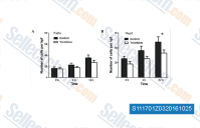
S1117 Triciribine (API-2) Triciribine (API-2) is a DNA synthesis inhibitor that also inhibits Akt in PC3 cell line and HIV-1 in CEM-SS, H9, H9IIIB, U1 cells with IC50 of 130 nM and 20 nM, respectively; it does not inhibit PI3K/PDK1 and is 5000-fold less active in cells lacking adenosine kinase. Phase 1/2.
Mol Psychiatry, 2025, 10.1038/s41380-025-02917-1
Transl Oncol, 2025, 58:102434
J Cell Sci, 2023, 136(4)jcs259788
Verified customer review of Triciribine (API-2)
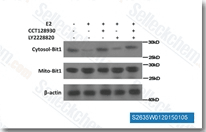
S2635 CCT128930 CCT128930 is a potent, ATP-competitive and selective inhibitor of Akt2 with IC50 of 6 nM in a cell-free assay, 28-fold greater selectivity for Akt2 than the closely related PKA kinase. This compound induces cell cycle arrest, DNA damage, and autophagy independent of Akt inhibition. High dose of this chemical triggers cell apoptosis in HepG2 cells.
Proc Natl Acad Sci U S A, 2025, 122(27):e2504962122
Cell Rep, 2025, 44(5):115625
Nat Commun, 2024, 15(1):6150
Verified customer review of CCT128930
S7521 Afuresertib (GSK2110183) Afuresertib (GSK2110183) is a potent, orally bioavailable Akt inhibitor with Ki values of 0.08 nM, 2 nM, and 2.6 nM for Akt1, Akt2, and Akt3, respectively, and is currently in Phase 2 trials.
Cell Rep, 2024, 43(9):114728
Oncogene, 2024, 43(19):1411-1430
EMBO Rep, 2024, 10.1038/s44319-024-00324-1
Verified customer review of Afuresertib (GSK2110183)
S2670 A-674563 HCl A-674563 HCl is an Akt1 inhibitor with Ki of 11 nM in cell-free assays, modest potent to PKA and >30-fold selective for Akt1 over PKC.
Nat Commun, 2025, 16(1):3012
J Biol Chem, 2024, 300(2):105641
Nat Commun, 2023, 14(1):886
Verified customer review of A-674563 HCl
S1558 AT7867 AT7867 is a potent ATP-competitive inhibitor of Akt1/2/3 and p70S6K/PKA with IC50 of 32 nM/17 nM/47 nM and 85 nM/20 nM in cell-free assays, respectively; this compound shows little activity outside the AGC kinase family.
Exp Gerontol, 2023, 173:112091
Cancers (Basel), 2022, 14(21)5215
Oncoimmunology, 2021, 10(1):1943234
Verified customer review of AT7867
S2335 Oridonin Oridonin, a diterpenoid purified from Rabdosia rubescens, is a traditional agent with antitumor, anti-bacterial and anti-inflammatory effects. This compound inhibits AKT1 and AKT2 kinase activity with IC50 of 8.4 μM and 8.9 μM, respectively.
Biochem Pharmacol, 2025, 242(Pt 2):117310
Invest Ophthalmol Vis Sci, 2025, 66(2):56
PLoS One, 2025, 20(9):e0333127
Verified customer review of Oridonin
S7776 Akti-1/2 Akti-1/2 (Akt Inhibitor VIII) is a highly selective Akt1/Akt2 inhibitor with IC50 of 58 nM/210 nM, respectively, about 36-fold selectivity for Akt1 over Akt3. This compound induces apoptosis.
Nat Commun, 2025, 16(1):1313
Mol Metab, 2025, 100:102229
Life Sci Alliance, 2025, 8(11)e202503206
Verified customer review of Akti-1/2
S1556 PHT-427 PHT-427 (CS-0223) is a dual Akt and PDPK1 inhibitor (high affinity binding for the PH domains of Akt and PDPK1) with Ki of 2.7 μM and 5.2 μM, respectively.
Exp Gerontol, 2023, 173:112091
Cancer Cell, 2022, S1535-6108(22)00312-9
Nucleic Acids Res, 2022, gkac179
Verified customer review of PHT-427
S3056 Miltefosine Miltefosine (Hexadecylphosphocholine) inhibits PI3K/Akt activity with ED50 of 17.2 μM and 8.1 μM in carcinoma cell lines A431 and HeLa, and is the first oral drug for Visceral leishmaniasis, effective against both promastigotes and amastigotes.
Front Pharmacol, 2025, 16:1496511
Biomol Ther (Seoul), 2025, 33(1):170-181
Res Vet Sci, 2025, 182:105467
Verified customer review of Miltefosine
S8339 Miransertib (ARQ 092) HCl Miransertib (ARQ 092) HCl is a novel, orally bioavailable and selective AKT pathway inhibitor exhibiting a manageable safety profile among patients with advanced solid tumors.
World J Oncol, 2024, 15(2):192-208
Chemistry, 2023, e202203959.
Nat Commun, 2022, 13(1):2111
Verified customer review of Miransertib (ARQ 092) HCl
S7563 AT13148 AT13148 is an oral, ATP-competitive, multi-AGC kinase inhibitor with IC50 of 38 nM/402 nM/50 nM, 8 nM, 3 nM, and 6 nM/4 nM for Akt1/2/3, p70S6K, PKA, and ROCKI/II, respectively. Phase 1.
Neoplasia, 2023, 10.1016/j.neo.2023.100948
Cancers (Basel), 2022, 14(23)5943
Br J Cancer, 2021, 10.1038/s41416-021-01442-6
Verified customer review of AT13148
S7492 Uprosertib (GSK2141795) Uprosertib (GSK2141795, GSK795) is a selective, ATP-competitive, and orally bioavailable Akt inhibitor with IC50 of 180 nM, 328 nM, and 38 nM for Akt 1, 2 and 3, respectively. This compound is in Phase 2.
Nat Commun, 2022, 13(1):245
Bone Res, 2022, 10(1):27
Front Oncol, 2022, 12:905665
Verified customer review of Uprosertib (GSK2141795)
S6811 Miransertib (ARQ-092) Miransertib (ARQ-092) is a potent, selective and orally bioavailable allosteric inhibitor of Akt with IC50s of 2.7 nM, 14 nM and 8.1 nM for Akt1, Akt2, Akt3, respectively.
World J Oncol, 2024, 15(3):492-505
World J Oncol, 2024, 15(2):192-208
Commun Biol, 2023, 6(1):916
S5313 SC66 SC66 is an allosteric inhibitor which displays a dual-inhibitory function toward AKT activity with IC50 values of 0.77, 2.85 and 0.47 μg/ml in HepG2, Huh7 and Hep3B cells after 72 h treatment, respectively.
Biomed Pharmacother, 2024, 177:117038
Chem Biol Interact, 2023, 10.1016/j.cbi.2023.110725
J Cell Mol Med, 2021, 10.1111/jcmm.17005
S8132 Deguelin Deguelin, a natural product isolated from plants in the Mundulea sericea family, is an PI3K/AKT Inhibitor.
bioRxiv, 2025, 2025.04.25.650475
Cell, 2023, 186(13):2929-2949.e20
Cell Death Dis, 2020, 11(2):143
S6847 ML-9 HCl ML-9 HCl (ML-9 hydrochloride) is a selective and potent inhibitor of Akt kinase, myosin light chain kinase (MLCK) and stromal interaction molecule 1 (STIM1). This compound is also a potent inhibitor of Ca2+-permeable channels. It is a lysosomotropic agent targeting autophagy and cell death.
Cell Mol Life Sci, 2025, 82(1):201
PLoS Pathog, 2023, 19(3):e1011295
J Mol Endocrinol, 2019, 63(3):199-213
S7127 TIC10 Analogue TIC10 Analogue is an analogue of TIC10, which inactivates Akt and ERK to induce TRAIL through Foxo3a, possesses superior drug properties: delivery across the blood-brain barrier, superior stability and improved pharmacokinetics. Phase 1/2.
Cell Rep, 2025, 44(5):115619
Cancer Med, 2025, 14(14):e71061
PLoS One, 2024, 19(12):e0315037
E2947 Recilisib Recilisib (ON01210, EX-RAD) is a radioprotectant that activates the activity of AKT and PI3K in cells. It has been studied as prophylactic (use prior to radiation exposure) and therapeutic (after exposure to radiation) drug.
S6982New 3CAI 3CAI inhibits AKT1 and AKT2.
S9514 Rotundic acid Rotundic acid (Rutundic acid), a natural compound, exhibit cytotoxic activities toward human hepatocellular carcinoma (HepG2), malignant melanoma (A375), SCLC (NCI-H446), breast cancer (MCF-7), and colon cancer (HT-29) cell lines.RA induces cell cycle arrest, DNA damage, and apoptosis by modulating the AKT/mTOR and MAPK pathways.
S8839 Borussertib Borussertib is a covalent-allosteric inhibitor of protein kinase Akt with an IC50 of 0.8 nM and a Ki of 2.2 nM for WT Akt.
E1125 A-443654 A-443654, a derivative of indazole–pyridine compounds, is a pan Akt (Akt1, 2, & 3 isoforms) inhibitor which binds to the ATP-binding site of Akt. It is an ATP competitive and reversible inhibitor.
S4953 Usnic acid Usnic acid (Usniacin) is a furandione found uniquely in lichen that is used widely in cosmetics, deodorants, toothpaste and medicinal creams as well as some herbal products. It exhibits antiviral, antiprotozoal, antiproliferative, anti-inflammatory and analgesic activity. This compound inhibits breast tumor angiogenesis and growth by suppressing VEGFR2-mediated AKT and ERK1/2 signaling pathways.
E1710 LY2780301 LY2780301 is a highly selective adenosine triphosphate (ATP)-competitive dual inhibitor of p70S6K and Akt. This compound binds to Akt, inhibiting its activity, which consequently blocks the PI3K/Akt signaling pathway which leads to reduced cell proliferation and the initiation of apoptosis in tumor cells.
E3241 Cinnamomi Ramulus Extract Cinnamomi Ramulus Extract is extracted from Cinnamomi Ramulus, which can inhibit the growth of colon cancer cells via Akt/ERK signaling pathways.
E3041 Alpiniae Katsumadai Extract Alpiniae Katsumadai Extract is extracted from Alpiniae Katsumadai, which can induce growth inhibition and autophagy‑related apoptosis by regulating the AMPK and Akt/mTOR/p70S6K signaling pathways in cancer cells.
S9315 Praeruptorin A Praeruptorin A, a naturally existing pyranocumarin, is isolated from the dried root of Peucedanum praeruptorum Dunn. This compound inhibits p38/Akt-c-Fos-NFATc1 signaling and PLCγ-independent Ca2+ oscillation. It can significantly upregulates multidrug resistance-associated protein 2 expression via the constitutive androstane receptor-mediated pathway in vitro, and this should be taken as an herb-drug interaction.
E3365 Weigela Grandiflora Fortune Extract Weigela Grandiflora Fortune Extract is extracted from Weigela Grandiflora Fortune, which decreases the infection-mediated expression of inflammatory mediators by inhibiting the AKT/NF-κB and MAPK signaling pathways.
E4992 Afuresertib hydrochloride Afuresertib hydrochloride (GSK 2110183 hydrochloride, LAE002 hydrochloride) is an orally bioavailable, selective, ATP-competitive and potent inhibitor of pan-Akt kinase with Ki values of 0.08 nM, 2 nM, 2.6 nM for Akt1/Akt2/Akt3 respectively.
E5820 AKT Kinase Inhibitor AKT Kinase Inhibitor is an inhibitor of Akt that reverses the protective effects of Tadalafil (TAD) in LPS-induced RWPE-1 cells by decreasing cell viability, promoting apoptosis, and increasing pro-inflammatory cytokine levels.
S2323 Methyl-Hesperidin Methyl Hesperidin is a flavanone glycoside (flavonoid) (C28H34O15) found abundantly in citrus fruits. Its aglycone form is called hesperetin.
E7359 A-674563 A-674563 is a selective, orally active inhibitor of Akt1 with a Ki of 11 nM. It also inhibits PKA with Ki of 16 nM and CDK2 with Ki of 46 nM. This compound reduces Akt downstream target phosphorylation and inhibits tumor cell proliferation in vitro with an EC50 of 0.4 µM.
S8500 BAY1125976 BAY 1125976 is a selective allosteric AKT1/2 inhibitor, exhibits high efficacy on AKT signaling-dependent tumor growth in mouse models. This compound inhibits the activity of AKT1 (IC50 = 5.2 nM at 10 µM ATP and 44 nM at 2 mM ATP) and AKT2 (IC50 = 18 nM at 10 µM ATP and 36 nM at 2 mM ATP) very potently. Whereas this chemical is almost inactive on AKT3 (IC50 = 427 nM at 10 µM ATP).
S9611 ABTL-0812 ABTL0812 (α-Hydroxylinoleic acid, LP-10218, SCLN-0812) inhibits Akt/mTOR axis by inducing the overexpression of TRIB3 and activating autophagy in lung squamous carcinoma cell lines. ABTL0812 also induces AMPK activation and ROS accumulation.
E5971New ZINC00640089 ZINC00640089 is a selective Lipocalin-2 (LCN2) inhibitor that suppresses cell proliferation, decreases cell viability, and reduces AKT phosphorylation levels in SUM149 cells. This compound shows promising research potential for inflammatory breast cancer (IBC) studies.
S3241 Loureirin A Loureirin A is a flavonoid extracted from the red resin of the herbs of Dracaena cochinchinensis, which is known as Dragon's Blood. This compound inhibits platelet activation by an impairment of PI3K/Akt signaling. It also inhibits Akt phosphorylation.
E1604 Vevorisertib trihydrochloride Vevorisertib trihydrochloride(ARQ 751 trihydrochloride) is a selective, allosteric inhibitor of pan-AKT and AKT1-E17K mutant with Kd values of 1.2 nM and 8.6 nM, respectively. It also has IC50 values of 0.55, 0.81, and 1.3 nM for AKT1, AKT2, and AKT3, respectively and can be used for the research of cancer.
S2743 PF-04691502 PF-04691502 (PF4691502) is an ATP-competitive PI3K(α/β/δ/γ)/mTOR dual inhibitor with Ki of 1.8 nM/2.1 nM/1.6 nM/1.9 nM and 16 nM in cell-free assays, little activity against either Vps34, AKT, PDK1, p70S6K, MEK, ERK, p38, or JNK. This compound induces apoptosis. Phase 2.
Cell Death Discov, 2025, 11(1):266
Exp Gerontol, 2024, 186:112359
iScience, 2023, 26(9):107734
Verified customer review of PF-04691502
S1362 Rigosertib (ON-01910) Rigosertib (ON-01910) is a non-ATP-competitive inhibitor of PLK1 with IC50 of 9 nM in a cell-free assay, showing 30-fold greater selectivity against Plk2 and no activity to Plk3. It inhibits the PI3K/Akt pathway, activates oxidative stress signals, and induces apoptosis in various cancer cells. This compound is in Phase 3.
Drug Resist Updat, 2025, 81:101251
Nat Commun, 2024, 15(1):2089
Verified customer review of Rigosertib (ON-01910)
S2310 Honokiol Honokiol is the active principle of magnolia extract that inhibits Akt-phosphorylation and promotes ERK1/2 phosphorylation. This compound causes G0/G1 phase arrest, induces apoptosis, and autophagy via the ROS/ERK1/2 signaling pathway. It inhibits hepatitis C virus (HCV) infection. Phase 3.
J Adv Res, 2025, S2090-1232(25)00062-1
J Nanobiotechnology, 2025, 23(1):414
Oncol Lett, 2025, 29(4):191
Verified customer review of Honokiol
S5144 Neferine Neferine ((R)-1,2-Dimethoxyaporphine), a natural component of Nelumbo nucifera, has antitumor efficiency. It induces apoptosis in renal cancer cells. This compound prevents autophagy through activation of Akt/mTOR pathway and Nrf2 in muscle cells. It strongly inhibits NF-κB activation. It possesses a number of therapeutic effects such as anti-diabetic, anti-aging, anti-microbial, anti-thrombotic, anti-arrhythmic, anti-inflammatory and even anti-HIV.
J Cosmet Dermatol, 2024, 10.1111/jocd.16587
Bone Res, 2022, 10(1):27
Cell Death Dis, 2022, 13(11):1000
S3901 Astragaloside IV Astragaloside IV (AST-IV, AS-IV) is a bioactive saponin first isolated from the dried plant roots of the genus Astragalus, which is used in traditional Chinese medicine. It has various effect on the cardiovascular, immune, digestive, and nervous systems. AS-IV suppresses activation of p-Akt, p-mTOR, p-NF-κB and p-Erk1/2.
Cell Transplant, 2023, 32:9636897231198167
Cell Cycle, 2022, 1-14
S9190 Oroxin B Oroxin B (Hypocretin-2), one of flavonoids isolated from traditional Chinese herbal medicine Oroxylum indicum (L.) Vent, selectively induces tumor-suppressive ER stress in malignant lymphoma cells and has antioxidant activity. This compound significantly inhibits proliferation and induce apoptosis, which may be strongly associated with the inhibiting COX-2/VEGF and PTEN/PI3K/AKT signaling pathway in SMMC-7721 cells, it potentially be used as a novel therapeutic agent for liver cancer.COX-2, VEGF, PI3K, and p-AKT expression levels are downregulated, while PTEN is upregulated after this chemical treatment.
Environ Pollut, 2023, 323:121306
Theranostics, 2022, 12(2):910-928
J Cancer, 2021, 12(7):2140-2150
S3238 Resibufogenin Resibufogenin (Bufogenin, Recibufogenin), a component of huachansu with anticancer effect, triggers necroptosis through upregulating receptor-interacting protein kinase 3 (RIP3) and phosphorylating mixed lineage kinase domain-like protein at Ser358. This compound exerts cytotoxic effect by inducing reactive oxygen species (ROS) accumulation. It induces apoptosis and caspase-3 and caspase-8 activity. This chemical increases Bax/Bcl-2 expression, and suppresses cyclin D1, cyclin E, PI3K, p-AKT, p-GSK3β and β-catenin protein expression.
bioRxiv, 2025, 2025.07.17.665404
Research Square, 2024, 10.21203/rs.3.rs-3790060/v1
Phytomedicine, 2022, 102:154182
S3296 Hispidulin Hispidulin (Dinatin), an active natrual ingredient in a number of traditional Chinese medicinal herbs, exhibits inhibitory activity against the oncogenic protein kinase Pim-1 with IC50 of 2.71 μM. This compound induces apoptosis through mitochondrial dysfunction and inhibition of P13k/Akt signalling pathway in HepG2 cancer cells. It exerts anti-osteoporotic and bone resorption attenuating effects via activating the AMPK signaling pathway.
Evid Based Complement Alternat Med, 2023, 2023:9428241
E2384 (E)-Akt inhibitor-IV (E)-Akt inhibitor-IV is a PI3K-Akt inhibitor, with potent cytotoxic.
Res Sq, 2025, rs.3.rs-5931887
Eur J Pharmacol, 2022, 931:175186
S3785 Notoginsenoside R1 Notoginsenoside R1 (Sanchinoside R1) is the main ingredient with cardiovascular activity in Panax notoginseng. It inhibits TNF-α-induced PAI-1 overexpression via extracellular signal-related kinases (ERK1/2) and phosphatidylinositol 3-kinase (PI3K)/protein kinase B (PKB) signaling pathways.
Food Sci Nutr, 2023, 11(12):7791-7802
J Ethnopharmacol, 2021, S0378-8741(21)00169-0
S3810 Scutellarin Scutellarin (Breviscapine, Breviscapin, Scutellarein-7-glucuronide), the major active principal flavonoids extracted from the Chinese herbal medicines Scutellaria baicalensis and Erigeron breviscapus (Vant.) Hand-Mazz, has many pharmacological effects, such as antioxidant, antitumor, antiviral, and antiinflammatory activities. This compound can down-regulates the STAT3/Girdin/Akt signaling in HCC cells, and inhibits RANKL-mediated MAPK and NF-κB signaling pathway in osteoclasts.
Biomed Pharmacother, 2022, 155:113781
S3220 Trigonelline Trigonelline (Trigenolline) is a plant alkaloid and a major component of coffee and fenugreek with anti-degranulation, anti-diabetic, antioxidant, anti-inflammatory, and neuroprotective effects. This compound inhibits FcεRI-mediated intracellular signaling pathways, such as phosphorylation of PLCγ1, PI3K, and Akt. It also inhibits the microtubule formation in RBL-2H3 cells.
Int J Med Sci, 2025, 22(5):1194-1207
Biochem Biophys Rep, 2025, 42:102021
Biomed Pharmacother, 2021, 143:112204
S3294 Demethyl-Coclaurine Demethyl-Coclaurine (Higenamine, Norcoclaurine), the key component of the Chinese herb aconite root, is a beta-2 adrenergic receptor (β2-AR) agonist. This compound stimulates AKT phosphorylation and requires PI3K activation for the anti-apoptotic effect in cardiomyocytes.
Signal Transduct Target Ther, 2024, 9(1):243
S4572 Homosalate Homosalate (HMS, Homomenthyl salicylate) is an organic ultraviolet filter used in most sunscreens but has been reported to be toxic to marine organisms. This compound aggravates the invasion of human trophoblast cells as well as regulates intracellular signaling pathways including PI3K/AKT and MAPK pathways.
S3289 Daphnoretin Daphnoretin (Dephnoretin, Thymelol), a biologically active compound isolated from Wikstroemia indica C.A. Mey., is a protein kinase C (PKC) activator. This compound inhibits the proliferation, invasion, and migration of tumor cells and promote its apoptosis by regulating the activity of Akt signal pathway.
S3224 Cinobufagin Cinobufagin (Cinobufagine), an active ingredient of Venenum Bufonis, inhibits tumor development. This compound increases ATM and Chk2 and decreases CDC25C, CDK1, and cyclin B. It inhibits PI3K, AKT and Bcl-2 while increases levels of cleaved caspase-9 and caspase-3. Thus, this chemical induces cell cycle arrest at the G2/M phase and apoptosis.
S8961 Alobresib (GS-5829) Alobresib (GS-5829) is a novel BET inhibitor that represents a highly effective therapeutics agent against recurrent/chemotherapy-resistant USC-overexpressing c-Myc. This compound inhibits CLL cell proliferation and induces leukemia cell apoptosis through deregulation of key signaling pathways, such as BLK, AKT, ERK1/2, and MYC. It also inhibits NF-κB signaling.
S5554 Lanatoside C Lanatoside C is a cardiac glycoside with antiviral and anti-tumor activity. This compound induces G2/M cell cycle arrest and induces autophagy and apoptosis via attenuating MAPK, Wnt, JAK-STAT, and PI3K/AKT/mTOR signaling pathways.
S3243 Zeaxanthin Zeaxanthin, the carotenoid alcohol participates in the xanthophyll cycle, activates the extrinsic apoptosis pathway which induces apoptosis on uveal melanoma cells with IC50 value 40.8 µM.
E3656 Dichroa febrifuga Extract Dichroa Febrifuga Extract is extracted from Dichroa Febrifuga, which can Suppress PI3K/AKT and MAPK Signaling Pathways.
S0765 MAZ51 MAZ51 is a potent and selective inhibitor of vascular endothelial growth factor receptor (VEGFR)-3 (Flt-4) tyrosine kinase. This compound induces cell rounding and G2/M cell cycle arrest in glioma cells through phosphorylation of Akt/GSK3β and activation of RhoA. It inhibits the proliferation and induces the apoptosis of a variety of non-VEGFR-3-expressing tumor cell lines.
Sci Rep, 2025, 15(1):1283
E4864 Pentamidine Pentamidine (MP-601205) is an aromatic diamidine drug, an antagonist of TLR4.It also inhibits PI3K/AKT signaling pathway and reduce the expression of MMP-2 and MMP-9. It exhibits anti- protozoal, anti-inflammatory, and anti-tumor activities and is used as an agent for treating African trypanosomiasis, antimony resistant leishmaniasis and Pneumocystis carinii pneumonia.
E3106 Dioscoreae Nipponicae Rhizoma Extract Dioscoreae Nipponicae Rhizoma Extract is extracted from the rhizome of Dioscorea nipponica, of which the main component decreases the phosphorylation in IGF-1R, which in turn inhibits the phosphorylation and activation of PI3K-AKT and Rap1-MEK signaling pathways, promoting cell apoptosis and Graves’ disease remission.
E0020 Lupenone Lupenone (Lup-20(29)-en-3-one, lupeone) is an isolated compound exhibiting anti-oxidative, anti-inflammation, and anti-diabetic activities. This compound can protect SH-SY5y cells against METH-induced neuronal apoptosis through the PI3K/Akt pathway.
S2298 Fisetin Fisetin (Fustel) is a potent sirtuin activating compound (STAC) and an agent that modulates sirtuins.
Sci Adv, 2025, 11(17):eads1875
Mol Cancer, 2024, 23(1):222
Cell Death Dis, 2024, 15(8):608
Verified customer review of Fisetin
S6760 LM22B-10 LM22B-10 is a small molecule TrkB/TrkC neurotrophin receptor co-activator. This compound selectively activates TrkB, TrkC, AKT and ERK in vivo and in vitro.
Theranostics, 2024, 14(4):1561-1582
Int J Mol Sci, 2024, 25(4)2408
Sci Rep, 2024, 14(1):12090
S3309 Solasodine Solasodine (Purapuridine, Solancarpidine, Solasodin, Salasodine, Salasdine) is a poisonous alkaloid chemical compound that occurs in plants of the Solanaceae family. This compound reduces the mRNA level of matrix metalloproteinase-2 (MMP-2), MMP-9 and extracellular inducer of matrix metalloproteinase (EMMPRIN), but increases the expression of reversion-inducing cysteine-rich protein with kazal motifs (RECK). It downregulates oncogenic microRNA-21 (miR-21), which has been known to target RECK. This chemical also reduces PI3K/Akt signaling pathways and downregulates expression of miR-21.
S9054 Pectolinarin Pectolinarin is a major compound in Cirsium setidens with anti-inflammatory activity. This compound inhibits secretion of IL-6 and IL-8, as well as the production of PGE2 and NO. It also induces apoptosis via inactivation of the PI3K/Akt pathway.
E2391 α-Linolenic acid α-Linolenic acid, an essential fatty acid isolated from seed oils, affects the process of thrombotic through the modulation of PI3K/Akt signaling, and possesses the anti-arrhythmic properties.
E0945 BIA BIA (TMBIM6 antagonist BIA), a potential TMBIM6 antagonist, is an inhibitor of the interaction between TMBIM6 (Transmembrane B cell lymphoma 2-associated X protein (BAX) inhibitor motif-containing 6) and mTORC2, which ultimately blocks AKT activation and cancer progression.
S6885 Ailanthone Ailanthone (AIL, Δ13-Dehydrochaparrinone), a natural anti-hepatocellular carcinoma (HCC) component in Ailanthus altissima, induces G0/G1-phase cell cycle arrest by decreasing expression of cyclins and CDKs and increases expression of p21 and p27. This compound triggers DNA damage characterized by activation of the ATM/ATR pathway. It induces apoptosis which is mitochondrion-mediated and involves the PI3K/AKT signaling pathway in Huh7 cells. This chemical is also a potent inhibitor of both full-length Androgen Receptor (AR-FL) and constitutively active truncated AR splice variants (AR-Vs, AR1-651) with IC50 of 69 nM and 309 nM, respectively.
Theranostics, 2024, 14(4):1371-1389
E2682 RPI-1 RPI-1 inhibits proliferation of human papillary thyroid carcinoma cell line TPC-1 by inducing accumulation of cells at the G2 cell cycle phase, abolishes Ret/Ptc1 tyrosine phosphorylation along with its binding to Shc and phospholipase Cg, also abolishes the activation of JNK2 and AKT.
E2826 Hematein Hematein inhibits casein kinase II activity in a selective, dose-dependent and ATP non-competitive manner in vitro, with IC50 of 0.55 μM in the presence of 10 μM ATP.
E2401 SPP-86 SPP-86, a potent and selective cell permeable inhibitor of rearranged during transfection (RET) tyrosine kinase with an IC50 of 8 nM, inhibits RET-induced phosphatidylinositide 3-kinases (PI3K)/Akt and MAPK signaling, also inhibits RET-induced estrogen receptorα (ERα) phosphorylation in MCF7 cells.
S1321 Urolithin B Urolithin B inhibits NF-κB activity by reducing the phosphorylation and degradation of IκBα. This compound suppresses the phosphorylation of JNK, ERK, and Akt, and enhances the phosphorylation of AMPK. It is also a regulator of skeletal muscle mass.
PLoS Pathog, 2025, 21(8):e1013401
S1273 Amarogentin

Amarogentin (AG), a secoiridoid glycoside mainly extracted from Swertia and Gentiana roots, exhibits anti-oxidative, anti-tumour, and anti-diabetic activities. This compound is an agonist for the bitter taste receptor TAS2R1 and inhibits in LAD-2 cells substance P-induced production of newly synthesized TNF-α. It induces apoptosis in human gastric cancer cells (SNU-16) through G2/M cell cycle arrest and PI3K/Akt signalling pathway. This chemical interacts with the α2 subunit of AMP-activated protein kinase (AMPK) and activates the trimeric kinase with EC50 of 277 pM.

E0785 YS-49 YS-49 is a PI3K/Akt (a downstream target of RhoA) activator, to reduce RhoA/PTEN activation in the 3-methylcholanthrene-treated cells, inhibits angiotensin II (Ang II)-stimulated proliferation of VSMCs via induction of heme oxygenase (HO)-1, also is an isoquinoline compound alkaloid, has a strong positive inotropic action through activation of cardiac β-adrenoceptors.
Cell Signal, 2025, 131:111752
Signal Transduct Target Ther, 2024, 9(1):243
S1078 MK-2206 Dihydrochloride MK-2206 2HCl is a highly selective inhibitor of Akt1/2/3 with IC50 of 8 nM/12 nM/65 nM in cell-free assays, respectively; no inhibitory activities against 250 other protein kinases observed. This compound induces autophagy and apoptosis in cancer cells. Phase 2.
Cell Res, 2025, 10.1038/s41422-025-01110-x
Cell Res, 2025, 10.1038/s41422-025-01085-9
Mol Cancer, 2025, 24(1):272
Verified customer review of MK-2206 Dihydrochloride
S1037 Perifosine Perifosine is a novel Akt inhibitor with IC50 of 4.7 μM in MM.1S cells, targets pleckstrin homology domain of Akt. Phase 3.
J Neuroinflammation, 2025, 22(1):32
Biomol Ther (Seoul), 2025, 33(1):170-181
iScience, 2024, 27(10):110862
Verified customer review of Perifosine
S8019 Capivasertib (AZD5363) Capivasertib (AZD5363) potently inhibits all isoforms of Akt(Akt1/Akt2/Akt3) with IC50 of 3 nM/8 nM/8 nM in cell-free assays, similar to P70S6K/PKA and lower activity towards ROCK1/2. This compound is in Phase 2.
Nat Commun, 2025, 16(1):8409
Cell Rep Med, 2025, 6(7):102192
EBioMedicine, 2025, 118:105828
Verified customer review of Capivasertib (AZD5363)
S1113 GSK690693 GSK690693 is a pan-Akt inhibitor targeting Akt1/2/3 with IC50 of 2 nM/13 nM/9 nM in cell-free assays, also sensitive to the AGC kinase family: PKA, PrkX and PKC isozymes. GSK690693 also potently inhibits AMPK and DAPK3 from the CAMK family with IC50 of 50 nM and 81 nM, respectively. GSK690693 affects Unc-51-like autophagy activating kinase 1 (ULK1) activity, robustly inhibits STING-dependent IRF3 activation. Phase 1.
Theranostics, 2025, 15(18):9819-9837
Cell Rep, 2025, 44(7):115947
Front Cell Infect Microbiol, 2025, 15:1543186
Verified customer review of GSK690693
S2808 Ipatasertib (GDC-0068) Ipatasertib (GDC-0068, RG7440) is a highly selective pan-Akt inhibitor targeting Akt1/2/3 with IC50 of 5 nM/18 nM/8 nM in cell-free assays, demonstrating 620-fold selectivity over PKA. This compound is currently in Phase 2.
Oncogene, 2025, 44(44):4324-4337
Int J Mol Sci, 2025, 26(13)6139
Sci Rep, 2025, 15(1):35610
Verified customer review of Ipatasertib (GDC-0068)
S1117 Triciribine (API-2) Triciribine (API-2) is a DNA synthesis inhibitor that also inhibits Akt in PC3 cell line and HIV-1 in CEM-SS, H9, H9IIIB, U1 cells with IC50 of 130 nM and 20 nM, respectively; it does not inhibit PI3K/PDK1 and is 5000-fold less active in cells lacking adenosine kinase. Phase 1/2.
Mol Psychiatry, 2025, 10.1038/s41380-025-02917-1
Transl Oncol, 2025, 58:102434
J Cell Sci, 2023, 136(4)jcs259788
Verified customer review of Triciribine (API-2)
S2635 CCT128930 CCT128930 is a potent, ATP-competitive and selective inhibitor of Akt2 with IC50 of 6 nM in a cell-free assay, 28-fold greater selectivity for Akt2 than the closely related PKA kinase. This compound induces cell cycle arrest, DNA damage, and autophagy independent of Akt inhibition. High dose of this chemical triggers cell apoptosis in HepG2 cells.
Proc Natl Acad Sci U S A, 2025, 122(27):e2504962122
Cell Rep, 2025, 44(5):115625
Nat Commun, 2024, 15(1):6150
Verified customer review of CCT128930
S7521 Afuresertib (GSK2110183) Afuresertib (GSK2110183) is a potent, orally bioavailable Akt inhibitor with Ki values of 0.08 nM, 2 nM, and 2.6 nM for Akt1, Akt2, and Akt3, respectively, and is currently in Phase 2 trials.
Cell Rep, 2024, 43(9):114728
Oncogene, 2024, 43(19):1411-1430
EMBO Rep, 2024, 10.1038/s44319-024-00324-1
Verified customer review of Afuresertib (GSK2110183)
S2670 A-674563 HCl A-674563 HCl is an Akt1 inhibitor with Ki of 11 nM in cell-free assays, modest potent to PKA and >30-fold selective for Akt1 over PKC.
Nat Commun, 2025, 16(1):3012
J Biol Chem, 2024, 300(2):105641
Nat Commun, 2023, 14(1):886
Verified customer review of A-674563 HCl
S1558 AT7867 AT7867 is a potent ATP-competitive inhibitor of Akt1/2/3 and p70S6K/PKA with IC50 of 32 nM/17 nM/47 nM and 85 nM/20 nM in cell-free assays, respectively; this compound shows little activity outside the AGC kinase family.
Exp Gerontol, 2023, 173:112091
Cancers (Basel), 2022, 14(21)5215
Oncoimmunology, 2021, 10(1):1943234
Verified customer review of AT7867
S2335 Oridonin Oridonin, a diterpenoid purified from Rabdosia rubescens, is a traditional agent with antitumor, anti-bacterial and anti-inflammatory effects. This compound inhibits AKT1 and AKT2 kinase activity with IC50 of 8.4 μM and 8.9 μM, respectively.
Biochem Pharmacol, 2025, 242(Pt 2):117310
Invest Ophthalmol Vis Sci, 2025, 66(2):56
PLoS One, 2025, 20(9):e0333127
Verified customer review of Oridonin
S7776 Akti-1/2 Akti-1/2 (Akt Inhibitor VIII) is a highly selective Akt1/Akt2 inhibitor with IC50 of 58 nM/210 nM, respectively, about 36-fold selectivity for Akt1 over Akt3. This compound induces apoptosis.
Nat Commun, 2025, 16(1):1313
Mol Metab, 2025, 100:102229
Life Sci Alliance, 2025, 8(11)e202503206
Verified customer review of Akti-1/2
S1556 PHT-427 PHT-427 (CS-0223) is a dual Akt and PDPK1 inhibitor (high affinity binding for the PH domains of Akt and PDPK1) with Ki of 2.7 μM and 5.2 μM, respectively.
Exp Gerontol, 2023, 173:112091
Cancer Cell, 2022, S1535-6108(22)00312-9
Nucleic Acids Res, 2022, gkac179
Verified customer review of PHT-427
S3056 Miltefosine Miltefosine (Hexadecylphosphocholine) inhibits PI3K/Akt activity with ED50 of 17.2 μM and 8.1 μM in carcinoma cell lines A431 and HeLa, and is the first oral drug for Visceral leishmaniasis, effective against both promastigotes and amastigotes.
Front Pharmacol, 2025, 16:1496511
Biomol Ther (Seoul), 2025, 33(1):170-181
Res Vet Sci, 2025, 182:105467
Verified customer review of Miltefosine
S8339 Miransertib (ARQ 092) HCl Miransertib (ARQ 092) HCl is a novel, orally bioavailable and selective AKT pathway inhibitor exhibiting a manageable safety profile among patients with advanced solid tumors.
World J Oncol, 2024, 15(2):192-208
Chemistry, 2023, e202203959.
Nat Commun, 2022, 13(1):2111
Verified customer review of Miransertib (ARQ 092) HCl
S7563 AT13148 AT13148 is an oral, ATP-competitive, multi-AGC kinase inhibitor with IC50 of 38 nM/402 nM/50 nM, 8 nM, 3 nM, and 6 nM/4 nM for Akt1/2/3, p70S6K, PKA, and ROCKI/II, respectively. Phase 1.
Neoplasia, 2023, 10.1016/j.neo.2023.100948
Cancers (Basel), 2022, 14(23)5943
Br J Cancer, 2021, 10.1038/s41416-021-01442-6
Verified customer review of AT13148
S7492 Uprosertib (GSK2141795) Uprosertib (GSK2141795, GSK795) is a selective, ATP-competitive, and orally bioavailable Akt inhibitor with IC50 of 180 nM, 328 nM, and 38 nM for Akt 1, 2 and 3, respectively. This compound is in Phase 2.
Nat Commun, 2022, 13(1):245
Bone Res, 2022, 10(1):27
Front Oncol, 2022, 12:905665
Verified customer review of Uprosertib (GSK2141795)
S6811 Miransertib (ARQ-092) Miransertib (ARQ-092) is a potent, selective and orally bioavailable allosteric inhibitor of Akt with IC50s of 2.7 nM, 14 nM and 8.1 nM for Akt1, Akt2, Akt3, respectively.
World J Oncol, 2024, 15(3):492-505
World J Oncol, 2024, 15(2):192-208
Commun Biol, 2023, 6(1):916
S5313 SC66 SC66 is an allosteric inhibitor which displays a dual-inhibitory function toward AKT activity with IC50 values of 0.77, 2.85 and 0.47 μg/ml in HepG2, Huh7 and Hep3B cells after 72 h treatment, respectively.
Biomed Pharmacother, 2024, 177:117038
Chem Biol Interact, 2023, 10.1016/j.cbi.2023.110725
J Cell Mol Med, 2021, 10.1111/jcmm.17005
S8132 Deguelin Deguelin, a natural product isolated from plants in the Mundulea sericea family, is an PI3K/AKT Inhibitor.
bioRxiv, 2025, 2025.04.25.650475
Cell, 2023, 186(13):2929-2949.e20
Cell Death Dis, 2020, 11(2):143
S6847 ML-9 HCl ML-9 HCl (ML-9 hydrochloride) is a selective and potent inhibitor of Akt kinase, myosin light chain kinase (MLCK) and stromal interaction molecule 1 (STIM1). This compound is also a potent inhibitor of Ca2+-permeable channels. It is a lysosomotropic agent targeting autophagy and cell death.
Cell Mol Life Sci, 2025, 82(1):201
PLoS Pathog, 2023, 19(3):e1011295
J Mol Endocrinol, 2019, 63(3):199-213
S7127 TIC10 Analogue TIC10 Analogue is an analogue of TIC10, which inactivates Akt and ERK to induce TRAIL through Foxo3a, possesses superior drug properties: delivery across the blood-brain barrier, superior stability and improved pharmacokinetics. Phase 1/2.
Cell Rep, 2025, 44(5):115619
Cancer Med, 2025, 14(14):e71061
PLoS One, 2024, 19(12):e0315037
S6982New 3CAI 3CAI inhibits AKT1 and AKT2.
S8839 Borussertib Borussertib is a covalent-allosteric inhibitor of protein kinase Akt with an IC50 of 0.8 nM and a Ki of 2.2 nM for WT Akt.
E1125 A-443654 A-443654, a derivative of indazole–pyridine compounds, is a pan Akt (Akt1, 2, & 3 isoforms) inhibitor which binds to the ATP-binding site of Akt. It is an ATP competitive and reversible inhibitor.
S4953 Usnic acid Usnic acid (Usniacin) is a furandione found uniquely in lichen that is used widely in cosmetics, deodorants, toothpaste and medicinal creams as well as some herbal products. It exhibits antiviral, antiprotozoal, antiproliferative, anti-inflammatory and analgesic activity. This compound inhibits breast tumor angiogenesis and growth by suppressing VEGFR2-mediated AKT and ERK1/2 signaling pathways.
E1710 LY2780301 LY2780301 is a highly selective adenosine triphosphate (ATP)-competitive dual inhibitor of p70S6K and Akt. This compound binds to Akt, inhibiting its activity, which consequently blocks the PI3K/Akt signaling pathway which leads to reduced cell proliferation and the initiation of apoptosis in tumor cells.
E3241 Cinnamomi Ramulus Extract Cinnamomi Ramulus Extract is extracted from Cinnamomi Ramulus, which can inhibit the growth of colon cancer cells via Akt/ERK signaling pathways.
E3041 Alpiniae Katsumadai Extract Alpiniae Katsumadai Extract is extracted from Alpiniae Katsumadai, which can induce growth inhibition and autophagy‑related apoptosis by regulating the AMPK and Akt/mTOR/p70S6K signaling pathways in cancer cells.
S9315 Praeruptorin A Praeruptorin A, a naturally existing pyranocumarin, is isolated from the dried root of Peucedanum praeruptorum Dunn. This compound inhibits p38/Akt-c-Fos-NFATc1 signaling and PLCγ-independent Ca2+ oscillation. It can significantly upregulates multidrug resistance-associated protein 2 expression via the constitutive androstane receptor-mediated pathway in vitro, and this should be taken as an herb-drug interaction.
E3365 Weigela Grandiflora Fortune Extract Weigela Grandiflora Fortune Extract is extracted from Weigela Grandiflora Fortune, which decreases the infection-mediated expression of inflammatory mediators by inhibiting the AKT/NF-κB and MAPK signaling pathways.
E4992 Afuresertib hydrochloride Afuresertib hydrochloride (GSK 2110183 hydrochloride, LAE002 hydrochloride) is an orally bioavailable, selective, ATP-competitive and potent inhibitor of pan-Akt kinase with Ki values of 0.08 nM, 2 nM, 2.6 nM for Akt1/Akt2/Akt3 respectively.
E5820 AKT Kinase Inhibitor AKT Kinase Inhibitor is an inhibitor of Akt that reverses the protective effects of Tadalafil (TAD) in LPS-induced RWPE-1 cells by decreasing cell viability, promoting apoptosis, and increasing pro-inflammatory cytokine levels.
E7359 A-674563 A-674563 is a selective, orally active inhibitor of Akt1 with a Ki of 11 nM. It also inhibits PKA with Ki of 16 nM and CDK2 with Ki of 46 nM. This compound reduces Akt downstream target phosphorylation and inhibits tumor cell proliferation in vitro with an EC50 of 0.4 µM.
S8500 BAY1125976 BAY 1125976 is a selective allosteric AKT1/2 inhibitor, exhibits high efficacy on AKT signaling-dependent tumor growth in mouse models. This compound inhibits the activity of AKT1 (IC50 = 5.2 nM at 10 µM ATP and 44 nM at 2 mM ATP) and AKT2 (IC50 = 18 nM at 10 µM ATP and 36 nM at 2 mM ATP) very potently. Whereas this chemical is almost inactive on AKT3 (IC50 = 427 nM at 10 µM ATP).
S9611 ABTL-0812 ABTL0812 (α-Hydroxylinoleic acid, LP-10218, SCLN-0812) inhibits Akt/mTOR axis by inducing the overexpression of TRIB3 and activating autophagy in lung squamous carcinoma cell lines. ABTL0812 also induces AMPK activation and ROS accumulation.
E5971New ZINC00640089 ZINC00640089 is a selective Lipocalin-2 (LCN2) inhibitor that suppresses cell proliferation, decreases cell viability, and reduces AKT phosphorylation levels in SUM149 cells. This compound shows promising research potential for inflammatory breast cancer (IBC) studies.
S3241 Loureirin A Loureirin A is a flavonoid extracted from the red resin of the herbs of Dracaena cochinchinensis, which is known as Dragon's Blood. This compound inhibits platelet activation by an impairment of PI3K/Akt signaling. It also inhibits Akt phosphorylation.
E1604 Vevorisertib trihydrochloride Vevorisertib trihydrochloride(ARQ 751 trihydrochloride) is a selective, allosteric inhibitor of pan-AKT and AKT1-E17K mutant with Kd values of 1.2 nM and 8.6 nM, respectively. It also has IC50 values of 0.55, 0.81, and 1.3 nM for AKT1, AKT2, and AKT3, respectively and can be used for the research of cancer.
S2743 PF-04691502 PF-04691502 (PF4691502) is an ATP-competitive PI3K(α/β/δ/γ)/mTOR dual inhibitor with Ki of 1.8 nM/2.1 nM/1.6 nM/1.9 nM and 16 nM in cell-free assays, little activity against either Vps34, AKT, PDK1, p70S6K, MEK, ERK, p38, or JNK. This compound induces apoptosis. Phase 2.
Cell Death Discov, 2025, 11(1):266
Exp Gerontol, 2024, 186:112359
iScience, 2023, 26(9):107734
Verified customer review of PF-04691502
S1362 Rigosertib (ON-01910) Rigosertib (ON-01910) is a non-ATP-competitive inhibitor of PLK1 with IC50 of 9 nM in a cell-free assay, showing 30-fold greater selectivity against Plk2 and no activity to Plk3. It inhibits the PI3K/Akt pathway, activates oxidative stress signals, and induces apoptosis in various cancer cells. This compound is in Phase 3.
Drug Resist Updat, 2025, 81:101251
Nat Commun, 2024, 15(1):2089
Verified customer review of Rigosertib (ON-01910)
S2310 Honokiol Honokiol is the active principle of magnolia extract that inhibits Akt-phosphorylation and promotes ERK1/2 phosphorylation. This compound causes G0/G1 phase arrest, induces apoptosis, and autophagy via the ROS/ERK1/2 signaling pathway. It inhibits hepatitis C virus (HCV) infection. Phase 3.
J Adv Res, 2025, S2090-1232(25)00062-1
J Nanobiotechnology, 2025, 23(1):414
Oncol Lett, 2025, 29(4):191
Verified customer review of Honokiol
S3901 Astragaloside IV Astragaloside IV (AST-IV, AS-IV) is a bioactive saponin first isolated from the dried plant roots of the genus Astragalus, which is used in traditional Chinese medicine. It has various effect on the cardiovascular, immune, digestive, and nervous systems. AS-IV suppresses activation of p-Akt, p-mTOR, p-NF-κB and p-Erk1/2.
Cell Transplant, 2023, 32:9636897231198167
Cell Cycle, 2022, 1-14
S9190 Oroxin B Oroxin B (Hypocretin-2), one of flavonoids isolated from traditional Chinese herbal medicine Oroxylum indicum (L.) Vent, selectively induces tumor-suppressive ER stress in malignant lymphoma cells and has antioxidant activity. This compound significantly inhibits proliferation and induce apoptosis, which may be strongly associated with the inhibiting COX-2/VEGF and PTEN/PI3K/AKT signaling pathway in SMMC-7721 cells, it potentially be used as a novel therapeutic agent for liver cancer.COX-2, VEGF, PI3K, and p-AKT expression levels are downregulated, while PTEN is upregulated after this chemical treatment.
Environ Pollut, 2023, 323:121306
Theranostics, 2022, 12(2):910-928
J Cancer, 2021, 12(7):2140-2150
S3238 Resibufogenin Resibufogenin (Bufogenin, Recibufogenin), a component of huachansu with anticancer effect, triggers necroptosis through upregulating receptor-interacting protein kinase 3 (RIP3) and phosphorylating mixed lineage kinase domain-like protein at Ser358. This compound exerts cytotoxic effect by inducing reactive oxygen species (ROS) accumulation. It induces apoptosis and caspase-3 and caspase-8 activity. This chemical increases Bax/Bcl-2 expression, and suppresses cyclin D1, cyclin E, PI3K, p-AKT, p-GSK3β and β-catenin protein expression.
bioRxiv, 2025, 2025.07.17.665404
Research Square, 2024, 10.21203/rs.3.rs-3790060/v1
Phytomedicine, 2022, 102:154182
S3296 Hispidulin Hispidulin (Dinatin), an active natrual ingredient in a number of traditional Chinese medicinal herbs, exhibits inhibitory activity against the oncogenic protein kinase Pim-1 with IC50 of 2.71 μM. This compound induces apoptosis through mitochondrial dysfunction and inhibition of P13k/Akt signalling pathway in HepG2 cancer cells. It exerts anti-osteoporotic and bone resorption attenuating effects via activating the AMPK signaling pathway.
Evid Based Complement Alternat Med, 2023, 2023:9428241
E2384 (E)-Akt inhibitor-IV (E)-Akt inhibitor-IV is a PI3K-Akt inhibitor, with potent cytotoxic.
Res Sq, 2025, rs.3.rs-5931887
Eur J Pharmacol, 2022, 931:175186
S3785 Notoginsenoside R1 Notoginsenoside R1 (Sanchinoside R1) is the main ingredient with cardiovascular activity in Panax notoginseng. It inhibits TNF-α-induced PAI-1 overexpression via extracellular signal-related kinases (ERK1/2) and phosphatidylinositol 3-kinase (PI3K)/protein kinase B (PKB) signaling pathways.
Food Sci Nutr, 2023, 11(12):7791-7802
J Ethnopharmacol, 2021, S0378-8741(21)00169-0
S3810 Scutellarin Scutellarin (Breviscapine, Breviscapin, Scutellarein-7-glucuronide), the major active principal flavonoids extracted from the Chinese herbal medicines Scutellaria baicalensis and Erigeron breviscapus (Vant.) Hand-Mazz, has many pharmacological effects, such as antioxidant, antitumor, antiviral, and antiinflammatory activities. This compound can down-regulates the STAT3/Girdin/Akt signaling in HCC cells, and inhibits RANKL-mediated MAPK and NF-κB signaling pathway in osteoclasts.
Biomed Pharmacother, 2022, 155:113781
S3220 Trigonelline Trigonelline (Trigenolline) is a plant alkaloid and a major component of coffee and fenugreek with anti-degranulation, anti-diabetic, antioxidant, anti-inflammatory, and neuroprotective effects. This compound inhibits FcεRI-mediated intracellular signaling pathways, such as phosphorylation of PLCγ1, PI3K, and Akt. It also inhibits the microtubule formation in RBL-2H3 cells.
Int J Med Sci, 2025, 22(5):1194-1207
Biochem Biophys Rep, 2025, 42:102021
Biomed Pharmacother, 2021, 143:112204
S3224 Cinobufagin Cinobufagin (Cinobufagine), an active ingredient of Venenum Bufonis, inhibits tumor development. This compound increases ATM and Chk2 and decreases CDC25C, CDK1, and cyclin B. It inhibits PI3K, AKT and Bcl-2 while increases levels of cleaved caspase-9 and caspase-3. Thus, this chemical induces cell cycle arrest at the G2/M phase and apoptosis.
S5554 Lanatoside C Lanatoside C is a cardiac glycoside with antiviral and anti-tumor activity. This compound induces G2/M cell cycle arrest and induces autophagy and apoptosis via attenuating MAPK, Wnt, JAK-STAT, and PI3K/AKT/mTOR signaling pathways.
S3243 Zeaxanthin Zeaxanthin, the carotenoid alcohol participates in the xanthophyll cycle, activates the extrinsic apoptosis pathway which induces apoptosis on uveal melanoma cells with IC50 value 40.8 µM.
E3656 Dichroa febrifuga Extract Dichroa Febrifuga Extract is extracted from Dichroa Febrifuga, which can Suppress PI3K/AKT and MAPK Signaling Pathways.
E4864 Pentamidine Pentamidine (MP-601205) is an aromatic diamidine drug, an antagonist of TLR4.It also inhibits PI3K/AKT signaling pathway and reduce the expression of MMP-2 and MMP-9. It exhibits anti- protozoal, anti-inflammatory, and anti-tumor activities and is used as an agent for treating African trypanosomiasis, antimony resistant leishmaniasis and Pneumocystis carinii pneumonia.
E3106 Dioscoreae Nipponicae Rhizoma Extract Dioscoreae Nipponicae Rhizoma Extract is extracted from the rhizome of Dioscorea nipponica, of which the main component decreases the phosphorylation in IGF-1R, which in turn inhibits the phosphorylation and activation of PI3K-AKT and Rap1-MEK signaling pathways, promoting cell apoptosis and Graves’ disease remission.
E0020 Lupenone Lupenone (Lup-20(29)-en-3-one, lupeone) is an isolated compound exhibiting anti-oxidative, anti-inflammation, and anti-diabetic activities. This compound can protect SH-SY5y cells against METH-induced neuronal apoptosis through the PI3K/Akt pathway.
S2298 Fisetin Fisetin (Fustel) is a potent sirtuin activating compound (STAC) and an agent that modulates sirtuins.
Sci Adv, 2025, 11(17):eads1875
Mol Cancer, 2024, 23(1):222
Cell Death Dis, 2024, 15(8):608
Verified customer review of Fisetin
S3309 Solasodine Solasodine (Purapuridine, Solancarpidine, Solasodin, Salasodine, Salasdine) is a poisonous alkaloid chemical compound that occurs in plants of the Solanaceae family. This compound reduces the mRNA level of matrix metalloproteinase-2 (MMP-2), MMP-9 and extracellular inducer of matrix metalloproteinase (EMMPRIN), but increases the expression of reversion-inducing cysteine-rich protein with kazal motifs (RECK). It downregulates oncogenic microRNA-21 (miR-21), which has been known to target RECK. This chemical also reduces PI3K/Akt signaling pathways and downregulates expression of miR-21.
S9054 Pectolinarin Pectolinarin is a major compound in Cirsium setidens with anti-inflammatory activity. This compound inhibits secretion of IL-6 and IL-8, as well as the production of PGE2 and NO. It also induces apoptosis via inactivation of the PI3K/Akt pathway.
E0945 BIA BIA (TMBIM6 antagonist BIA), a potential TMBIM6 antagonist, is an inhibitor of the interaction between TMBIM6 (Transmembrane B cell lymphoma 2-associated X protein (BAX) inhibitor motif-containing 6) and mTORC2, which ultimately blocks AKT activation and cancer progression.
E2682 RPI-1 RPI-1 inhibits proliferation of human papillary thyroid carcinoma cell line TPC-1 by inducing accumulation of cells at the G2 cell cycle phase, abolishes Ret/Ptc1 tyrosine phosphorylation along with its binding to Shc and phospholipase Cg, also abolishes the activation of JNK2 and AKT.
E2826 Hematein Hematein inhibits casein kinase II activity in a selective, dose-dependent and ATP non-competitive manner in vitro, with IC50 of 0.55 μM in the presence of 10 μM ATP.
E2401 SPP-86 SPP-86, a potent and selective cell permeable inhibitor of rearranged during transfection (RET) tyrosine kinase with an IC50 of 8 nM, inhibits RET-induced phosphatidylinositide 3-kinases (PI3K)/Akt and MAPK signaling, also inhibits RET-induced estrogen receptorα (ERα) phosphorylation in MCF7 cells.
S1321 Urolithin B Urolithin B inhibits NF-κB activity by reducing the phosphorylation and degradation of IκBα. This compound suppresses the phosphorylation of JNK, ERK, and Akt, and enhances the phosphorylation of AMPK. It is also a regulator of skeletal muscle mass.
PLoS Pathog, 2025, 21(8):e1013401
S1273 Amarogentin

Amarogentin (AG), a secoiridoid glycoside mainly extracted from Swertia and Gentiana roots, exhibits anti-oxidative, anti-tumour, and anti-diabetic activities. This compound is an agonist for the bitter taste receptor TAS2R1 and inhibits in LAD-2 cells substance P-induced production of newly synthesized TNF-α. It induces apoptosis in human gastric cancer cells (SNU-16) through G2/M cell cycle arrest and PI3K/Akt signalling pathway. This chemical interacts with the α2 subunit of AMP-activated protein kinase (AMPK) and activates the trimeric kinase with EC50 of 277 pM.

S7863 SC79 SC79 is a brain-penetrable Akt phosphorylation activator and an inhibitor of Akt-PH domain translocation.
Nat Commun, 2025, 16(1):3734
J Immunother Cancer, 2025, 13(9)e010812
Int J Biol Sci, 2025, 21(5):2118-2134
Verified customer review of SC79
E2947 Recilisib Recilisib (ON01210, EX-RAD) is a radioprotectant that activates the activity of AKT and PI3K in cells. It has been studied as prophylactic (use prior to radiation exposure) and therapeutic (after exposure to radiation) drug.
S5144 Neferine Neferine ((R)-1,2-Dimethoxyaporphine), a natural component of Nelumbo nucifera, has antitumor efficiency. It induces apoptosis in renal cancer cells. This compound prevents autophagy through activation of Akt/mTOR pathway and Nrf2 in muscle cells. It strongly inhibits NF-κB activation. It possesses a number of therapeutic effects such as anti-diabetic, anti-aging, anti-microbial, anti-thrombotic, anti-arrhythmic, anti-inflammatory and even anti-HIV.
J Cosmet Dermatol, 2024, 10.1111/jocd.16587
Bone Res, 2022, 10(1):27
Cell Death Dis, 2022, 13(11):1000
S3294 Demethyl-Coclaurine Demethyl-Coclaurine (Higenamine, Norcoclaurine), the key component of the Chinese herb aconite root, is a beta-2 adrenergic receptor (β2-AR) agonist. This compound stimulates AKT phosphorylation and requires PI3K activation for the anti-apoptotic effect in cardiomyocytes.
Signal Transduct Target Ther, 2024, 9(1):243
S0765 MAZ51 MAZ51 is a potent and selective inhibitor of vascular endothelial growth factor receptor (VEGFR)-3 (Flt-4) tyrosine kinase. This compound induces cell rounding and G2/M cell cycle arrest in glioma cells through phosphorylation of Akt/GSK3β and activation of RhoA. It inhibits the proliferation and induces the apoptosis of a variety of non-VEGFR-3-expressing tumor cell lines.
Sci Rep, 2025, 15(1):1283
S6760 LM22B-10 LM22B-10 is a small molecule TrkB/TrkC neurotrophin receptor co-activator. This compound selectively activates TrkB, TrkC, AKT and ERK in vivo and in vitro.
Theranostics, 2024, 14(4):1561-1582
Int J Mol Sci, 2024, 25(4)2408
Sci Rep, 2024, 14(1):12090
E0785 YS-49 YS-49 is a PI3K/Akt (a downstream target of RhoA) activator, to reduce RhoA/PTEN activation in the 3-methylcholanthrene-treated cells, inhibits angiotensin II (Ang II)-stimulated proliferation of VSMCs via induction of heme oxygenase (HO)-1, also is an isoquinoline compound alkaloid, has a strong positive inotropic action through activation of cardiac β-adrenoceptors.
Cell Signal, 2025, 131:111752
Signal Transduct Target Ther, 2024, 9(1):243
S9514 Rotundic acid Rotundic acid (Rutundic acid), a natural compound, exhibit cytotoxic activities toward human hepatocellular carcinoma (HepG2), malignant melanoma (A375), SCLC (NCI-H446), breast cancer (MCF-7), and colon cancer (HT-29) cell lines.RA induces cell cycle arrest, DNA damage, and apoptosis by modulating the AKT/mTOR and MAPK pathways.
S4572 Homosalate Homosalate (HMS, Homomenthyl salicylate) is an organic ultraviolet filter used in most sunscreens but has been reported to be toxic to marine organisms. This compound aggravates the invasion of human trophoblast cells as well as regulates intracellular signaling pathways including PI3K/AKT and MAPK pathways.
S3289 Daphnoretin Daphnoretin (Dephnoretin, Thymelol), a biologically active compound isolated from Wikstroemia indica C.A. Mey., is a protein kinase C (PKC) activator. This compound inhibits the proliferation, invasion, and migration of tumor cells and promote its apoptosis by regulating the activity of Akt signal pathway.
S8961 Alobresib (GS-5829) Alobresib (GS-5829) is a novel BET inhibitor that represents a highly effective therapeutics agent against recurrent/chemotherapy-resistant USC-overexpressing c-Myc. This compound inhibits CLL cell proliferation and induces leukemia cell apoptosis through deregulation of key signaling pathways, such as BLK, AKT, ERK1/2, and MYC. It also inhibits NF-κB signaling.
E2391 α-Linolenic acid α-Linolenic acid, an essential fatty acid isolated from seed oils, affects the process of thrombotic through the modulation of PI3K/Akt signaling, and possesses the anti-arrhythmic properties.
S6885 Ailanthone Ailanthone (AIL, Δ13-Dehydrochaparrinone), a natural anti-hepatocellular carcinoma (HCC) component in Ailanthus altissima, induces G0/G1-phase cell cycle arrest by decreasing expression of cyclins and CDKs and increases expression of p21 and p27. This compound triggers DNA damage characterized by activation of the ATM/ATR pathway. It induces apoptosis which is mitochondrion-mediated and involves the PI3K/AKT signaling pathway in Huh7 cells. This chemical is also a potent inhibitor of both full-length Androgen Receptor (AR-FL) and constitutively active truncated AR splice variants (AR-Vs, AR1-651) with IC50 of 69 nM and 309 nM, respectively.
Theranostics, 2024, 14(4):1371-1389
S6982New 3CAI 3CAI inhibits AKT1 and AKT2.
E5971New ZINC00640089 ZINC00640089 is a selective Lipocalin-2 (LCN2) inhibitor that suppresses cell proliferation, decreases cell viability, and reduces AKT phosphorylation levels in SUM149 cells. This compound shows promising research potential for inflammatory breast cancer (IBC) studies.

Signaling Pathway Map

The PI3K-AKT-MTOR Pathway: A Central Target for AKT Inhibitors

The PI3K-AKT-MTOR pathway is the primary signaling network modulated by AKT inhibitors, serving as a master regulator of cellular homeostasis and malignant transformation. Understanding the architecture and dysregulation of this pathway is fundamental to optimizing the design and application of AKT-targeted therapies.

Pathway Architecture and Physiological Activation

Under physiological conditions, the PI3K-AKT-MTOR pathway is activated by extracellular signals such as growth factors, cytokines, and integrin-mediated cell adhesion. Ligand binding to receptor tyrosine kinases (RTKs) or G protein-coupled receptors (GPCRs) triggers the recruitment and activation of class I PI3K, which phosphorylates phosphatidylinositol-4,5-bisphosphate (PIP2) to generate phosphatidylinositol-3,4,5-trisphosphate (PIP3)—a lipid second messenger. PIP3 then recruits AKT and phosphoinositide-dependent kinase 1 (PDK1) to the plasma membrane via their pleckstrin homology (PH) domains. PDK1 phosphorylates AKT at threonine 308 (T308), while mammalian target of rapamycin complex 2 (MTORC2) phosphorylates AKT at serine 473 (S473), leading to full activation of AKT. Activated AKT translocates to the cytoplasm and nucleus, where it phosphorylates a diverse array of downstream substrates, orchestrating processes critical for cell survival (e.g., inhibiting BAD and caspase-9), proliferation (e.g., activating cyclin D1), metabolism (e.g., promoting glucose uptake via GLUT4), and angiogenesis (e.g., upregulating VEGF).

Oncogenic Dysregulation of the PI3K-AKT-MTOR Pathway

In cancer cells, the PI3K-AKT-MTOR pathway is frequently dysregulated through multiple mechanisms, driving uncontrolled cell growth and survival. Common alterations include activating mutations in PIK3CA (encoding the p110α catalytic subunit of PI3K), loss-of-function mutations in PTEN (a phosphatase that dephosphorylates PIP3, antagonizing PI3K signaling), amplifications of AKT1/2/3, and overexpression of RTKs (e.g., EGFR, HER2). These aberrations result in constitutive PIP3 accumulation and AKT activation, independent of extracellular signals. For example, PIK3CA mutations are present in ~30% of breast cancers and ~20% of colorectal cancers, leading to hyperactive PI3K signaling and sustained AKT phosphorylation. Similarly, PTEN loss is prevalent in prostate cancer, glioblastoma, and endometrial cancer, removing a key negative regulator of the pathway. Such dysregulation creates a "addiction" of cancer cells to AKT signaling, making them vulnerable to AKT inhibitors.

AKT Inhibitors: Classification, Protein Targeting, and Kinase Selectivity

AKT inhibitors are classified based on their mechanism of action, with distinct classes differing in their ability to target AKT protein conformations, kinase activity, and upstream/downstream signaling components. Achieving selective targeting of AKT kinases while minimizing off-target effects is a key focus of research, as non-specific inhibition can lead to toxicity and reduced therapeutic efficacy.

Classification of AKT Inhibitors by Mechanism

Three main classes of AKT inhibitors have been developed: ATP-competitive inhibitors, allosteric inhibitors, and PH domain inhibitors. ATP-competitive inhibitors bind to the ATP-binding pocket of AKT, preventing ATP hydrolysis and subsequent kinase activity. These inhibitors typically target the active conformation of AKT and may exhibit cross-reactivity with other kinases (e.g., PDK1, SGK family members) due to structural similarities in ATP-binding domains. Examples include capivasertib (AZD5363) and ipatasertib (GDC-0068), which have advanced to late-stage clinical trials for breast and prostate cancer. Allosteric inhibitors, in contrast, bind to a regulatory pocket outside the ATP-binding site, inducing a conformational change that prevents AKT activation. For instance, MK-2206 binds to the PH domain and adjacent regions, blocking AKT recruitment to the plasma membrane and subsequent phosphorylation by PDK1 and MTORC2. Allosteric inhibitors often exhibit higher selectivity for AKT isoforms, reducing off-target kinase inhibition. PH domain inhibitors, a less developed class, directly target the PH domain of AKT, preventing PIP3 binding and membrane localization—an essential step for AKT activation. While promising, these inhibitors face challenges in achieving sufficient potency and bioavailability.

Protein-Protein Interactions and Kinase Selectivity in Inhibitor Design

A major research focus in AKT inhibitor development is optimizing protein targeting and kinase selectivity. AKT isoforms (AKT1, AKT2, AKT3) share high sequence homology in their kinase domains (~80% identity) but exhibit distinct tissue expression patterns and functional roles: AKT1 is widely expressed and critical for cell survival and proliferation; AKT2 is enriched in insulin-responsive tissues (e.g., liver, muscle) and regulates metabolism and cell motility; AKT3 is predominantly expressed in the brain and plays a role in neuronal development. Non-selective AKT inhibitors may disrupt physiological functions of non-oncogenic isoforms, leading to adverse effects such as hyperglycemia (due to AKT2 inhibition) or neurotoxicity (due to AKT3 inhibition). To address this, researchers have pursued isoform-selective inhibitors by leveraging structural differences in the ATP-binding pocket or allosteric sites of AKT isoforms. For example, AKT1-selective inhibitors exploit a unique amino acid residue in the ATP-binding pocket (e.g., alanine at position 230 in AKT1 vs. serine in AKT2/3), enabling selective binding. Additionally, advances in structural biology—including X-ray crystallography and cryo-electron microscopy—have provided detailed insights into AKT protein conformations, facilitating rational drug design.

Functional Impacts of AKT Inhibitors: From Cellular Responses to Preclinical Efficacy

AKT inhibitors exert profound functional effects on cancer cells by disrupting key oncogenic processes, and preclinical research has been instrumental in defining their mechanisms of action, efficacy, and potential resistance pathways. Understanding these functional impacts is critical for translating AKT inhibitors into effective clinical therapies.

Functional Disruption of Oncogenic Processes

AKT inhibitors induce a range of cellular responses in cancer cells, primarily through inhibiting the phosphorylation of AKT substrates. Key functional effects include: (1) Induction of apoptosis: By inhibiting AKT-mediated phosphorylation of BAD (a pro-apoptotic Bcl-2 family member), AKT inhibitors promote BAD dimerization with Bcl-2/Bcl-XL, releasing Bax/Bak to trigger mitochondrial outer membrane permeabilization and caspase activation. (2) Inhibition of cell proliferation: AKT inhibitors block the phosphorylation of p27Kip1 (a cyclin-dependent kinase inhibitor), leading to p27Kip1 accumulation and cell cycle arrest at the G1 phase. They also downregulate cyclin D1 expression, inhibiting progression through the G1-S checkpoint. (3) Suppression of metabolism: AKT inhibitors reduce glucose uptake and glycolysis by inhibiting the translocation of GLUT4 to the plasma membrane and downregulating hexokinase 2 (HK2) and pyruvate kinase M2 (PKM2)—key enzymes in the Warburg effect. (4) Inhibition of angiogenesis: By downregulating VEGF and HIF-1α (hypoxia-inducible factor 1α), AKT inhibitors reduce tumor vascularization, limiting nutrient and oxygen supply to malignant cells. These functional effects are not mutually exclusive; for example, metabolic suppression can enhance apoptotic sensitivity, creating a synergistic anti-tumor response.

Preclinical Efficacy and Combination Therapy Strategies

Preclinical studies using cancer cell lines, patient-derived xenografts (PDXs), and genetically engineered mouse models (GEMMs) have demonstrated the efficacy of AKT inhibitors in multiple cancer types. For instance, capivasertib has shown potent anti-tumor activity in PDX models of triple-negative breast cancer (TNBC) and castration-resistant prostate cancer (CRPC), particularly in tumors with PI3K-AKT pathway alterations. However, monotherapy with AKT inhibitors often leads to the development of resistance, limiting long-term efficacy. Common resistance mechanisms include: (1) Upregulation of alternative survival pathways (e.g., MAPK/ERK, STAT3); (2) Amplification or activation of RTKs (e.g., EGFR, FGFR) that reactivate PI3K-AKT signaling; (3) Mutations in AKT that reduce inhibitor binding (e.g., E17K mutation in AKT1); (4) Activation of MTORC1 via alternative routes (e.g., amino acid signaling). To overcome resistance, researchers have explored combination therapy strategies, such as combining AKT inhibitors with PI3K inhibitors, MTOR inhibitors, RTK inhibitors, or immune checkpoint inhibitors. For example, the combination of capivasertib (AKT inhibitor) and taselisib (PI3K inhibitor) has shown synergistic anti-tumor activity in PIK3CA-mutant breast cancer models, as dual inhibition of PI3K and AKT prevents reactivation of the pathway. Similarly, combining AKT inhibitors with anti-PD-1/PD-L1 antibodies enhances anti-tumor immunity by reducing the expression of immunosuppressive molecules (e.g., PD-L1) on cancer cells and promoting T cell infiltration.

Crosstalk Between AKT Inhibitors and PI3K/MTOR Signaling: Implications for Research and Therapy

The PI3K-AKT-MTOR pathway is characterized by extensive crosstalk and feedback loops, and AKT inhibitors modulate this network in complex ways that impact their therapeutic efficacy. Research into this crosstalk has uncovered critical insights into pathway regulation and identified novel therapeutic opportunities.

PI3K-AKT-MTOR Crosstalk and Feedback Activation

AKT inhibition can trigger feedback activation of upstream components of the PI3K-AKT-MTOR pathway, limiting inhibitor efficacy. For example, AKT phosphorylates and inhibits RTKs (e.g., EGFR) via a negative feedback loop; blocking AKT activity relieves this inhibition, leading to RTK phosphorylation and increased PI3K activation. Similarly, AKT inhibits the adapter protein IRS-1; AKT inhibition enhances IRS-1 stability and PI3K recruitment. Feedback activation can also occur downstream of AKT: AKT phosphorylates and inhibits TSC2 (a negative regulator of MTORC1), so AKT inhibition leads to TSC2 dephosphorylation and reduced MTORC1 activity. However, prolonged MTORC1 inhibition can activate RTK-PI3K signaling via another feedback loop, reactivating AKT. These feedback mechanisms highlight the need for combinatorial targeting of PI3K, AKT, and MTOR to disrupt the pathway comprehensively.

Therapeutic Implications of PI3K/MTOR Co-Targeting

Preclinical and clinical studies have demonstrated that co-targeting PI3K, AKT, and MTOR can overcome feedback activation and improve therapeutic outcomes. For example, combining the PI3K inhibitor alpelisib with the AKT inhibitor capivasertib has shown promising efficacy in PIK3CA-mutant breast cancer, as alpelisib blocks upstream PI3K activation, while capivasertib inhibits AKT, preventing feedback-driven RTK activation. Similarly, combining AKT inhibitors with MTOR inhibitors (e.g., everolimus) targets both AKT and its downstream effector MTORC1, disrupting the pathway at multiple nodes. However, co-targeting can increase toxicity (e.g., hyperglycemia, diarrhea, myelosuppression), so optimizing dosing schedules and patient selection is critical. Biomarker research is also ongoing to identify patients most likely to benefit from PI3K/AKT/MTOR co-targeting, such as those with PIK3CA mutations, PTEN loss, or high AKT phosphorylation levels.