
-
 Argentina
-
 Australia
-
 Austria
-
 Belgium
-
 Brazil
-
 Canada
-
 China
China
-
 Czech Republic
-
 Denmark
-
 Finland
-
 France
-
 Germany
-
 Greece
-
 Hong Kong
-
 Hungary
-
 Iceland
-
 India
India
-
 Ireland
-
 Israel
-
 Italy
Italy
-
 Japan
Japan
-
 Korea
Korea
-
 Luxembourg
-
 Malaysia
-
 Netherlands
-
 New Zealand
-
 Norway
-
 Poland
-
 Portugal
-
 Qatar
Qatar
-
 Romania
-
 Saudi Arabia
-
 Singapore
-
 Spain
Spain
-
 Sweden
-
 Switzerland
-
 Taiwan
-
 Turkey
-
 United Kingdom
-
 United States
NF-κB Inhibitors
| Cat.No. | Product Name | Information | Product Use Citations | Product Validations |
|---|---|---|---|---|
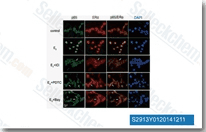
| S2913 | BAY 11-7082 (BAY 11-7821) | BAY 11-7082 (BAY 11-7821) is a NF-κB inhibitor, inhibits TNFα-induced IκBα phosphorylation with IC50 of 10 μM in tumor cells. BAY 11-7082 inhibits ubiquitin-specific protease USP7 and USP21 with IC50 of 0.19 μM and 0.96 μM, respectively. BAY 11-7082 induces apoptosis and S phase arrest in gastric cancer cells. |
|
|
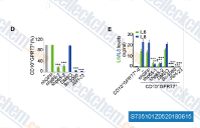
| S7351 | JSH-23 | JSH-23 is an inhibitor of NF-κB transcriptional activity, which inhibits LPS-stimulated nuclear factor (NF)-κB transcriptional activity in RAW 264.7 cells with an IC50 value of 7.1 μM, and interferes with LPS-induced NF-κB nuclear translocation without affecting IκB degradation. |
|
|
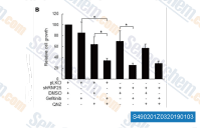
| S4902 | QNZ (EVP4593) | QNZ (EVP4593) shows potent inhibitory activity toward both NF-κB activation and TNF-α production with IC50 of 11 nM and 7 nM in Jurkat T cells, respectively. |
|
|
| S3633 | PDTC (Pyrrolidinedithiocarbamate ammonium) | PDTC (Pyrrolidinedithiocarbamate ammonium) is a potent nuclear factor-κB (NF-κB) inhibitor that inhibits IκB phosphorylation, blocks NF-κB translocation to the nucleus and reduces the expression of downstream cytokines. |
|
|
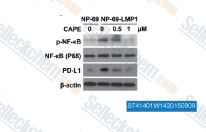
| S7414 | Caffeic Acid Phenethyl Ester | Caffeic acid phenethyl ester (CAPE, Phenylethyl Caffeate) is a potent and specific inhibitor of NF-κB activation, and also displays antioxidant, immunomodulatory and antiinflammatory activities. |
|
|
| S7273 | SC75741 | SC75741 is a potent NF-κB inhibitor with EC50 of 200 nM. This compound efficiently blocks influenza virus propagation. |
|
|
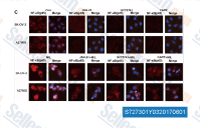
| S2290 | DHA (Dihydroartemisinin) | Dihydroartemisinin (DHA), a semi-synthetic derivative of artemisinin, is isolated from the traditional Chinese herb Artemisia annua. It induces autophagy and apoptosis by suppressing NF-κB activation. |
|
|
| S2261 | Andrographolide | Andrographolide is a labdane diterpenoid that is the main bioactive component of the medicinal plant Andrographis paniculata. |
|
|
| S0507 | CBL0137 | CBL0137 (Curaxin-137) is an inhibitor of the histone chaperone FACT (facilitates chromatin transcription) that simultaneously suppresses NF-κB and activates p53 with EC50 of 0.47 μM and 0.37 μM, respectively. |
|
|
| S8587 | Withaferin A (WFA) | This steroidal lactone, isolated from Withania somnifera, potently inhibits NF-κB activation by preventing the tumor necrosis factor-induced activation of IκB kinase β via a thioalkylation-sensitive redox mechanism. It also binds to the intermediate filament (IF) protein, vimentin, with antitumor and antiangiogenesis activity. |
|
|
| S7672 | Omaveloxolone (RTA-408) | Omaveloxolone (RTA-408) is a synthetic triterpenoid that activates the cytoprotective transcription factor Nrf2 and inhibits NF-κB signaling. Phase 2. |
|
|
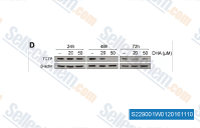
| S2382 | Evodiamine | Evodiamine (Isoevodiamine), an alkaloid extract from the fruit of Evodiae Fructus exhibits antitumor activities against the human tumor cells. It is shown to inhibit NF-κB activation through suppression of IkB kinase activity. |
|
|
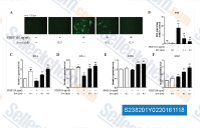
| S2321 | Magnolol | Magnolol (NSC 293099) is a bioactive lignin found in the bark of the Houpu magnolia (Magnolia officinalis) which shows antifungal properties. It can block TNF-α-induced NF-κB activation. |
|
|
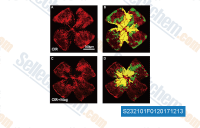
| S5144 | Neferine | Neferine ((R)-1,2-Dimethoxyaporphine), a natural component of Nelumbo nucifera, has antitumor efficiency. It induces apoptosis in renal cancer cells. This compound prevents autophagy through activation of Akt/mTOR pathway and Nrf2 in muscle cells. It strongly inhibits NF-κB activation. It possesses a number of therapeutic effects such as anti-diabetic, anti-aging, anti-microbial, anti-thrombotic, anti-arrhythmic, anti-inflammatory and even anti-HIV. |
|
|
| S6671 | SN50 | SN50 (NF-κB SN50), a cell-permeable NF-κB inhibitory peptide, is composed of the signal peptide of Kaposi fibroblast growth factor. This compound inhibits the activation of NF-κB and attenuates ventilator-induced lung injury. |
|
|
| S5453 | Hyperoside | Hyperoside (Hyperin, Quercetin 3-galactoside), a naturally occuring flavonoid compound, exerts multiple bioactivities, including myocardial protection, anti-redox, and anti-inflammatory activities. This compound can inhibit activation of the NF-κB signaling pathway. |
|
|
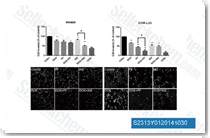
| S2313 | Indole-3-carbinol | Indole-3-carbinol suppresses NF-κB and IκBα kinase activation, and it is also an inhibitor of WWP1 (E3 ubiquitin ligase with WW domain). |
|
|
| S3871 | Muscone | Muscone (3-Methylcyclopentadecanone, Methylexaltone), a flavouring ingredient, is an organic compound that is the primary contributor to the odor of musk and also a potent anti-inflammatory agent. This compound significantly downregulats the levels of LPS-induced inflammatory cytokines and inhibits NF-κB and NLRP3 inflammasome activation in BMDMs. It remarkably decreases the levels of inflammatory cytokines (IL-1β, TNF-α and IL-6). |
|
|
| E0796 | NF-κB-IN-1 | NF-κB-IN-1 is a potent NF-κB signaling pathway inhibitor, which acts by directly inhibiting inhibitory κB kinase (IKK). |
|
|
| S3770 | Sodium Aescinate | Sodium Aescinate (SA, Escin Sodium Salt) is a widely-applied triterpene saponin product derived from horse chestnut seeds, possessing vasoactive and organ-protective activities with oral or injection administration in the clinic. Sodium aescinate is a triterpene saponin derived from Aesculus hippocastanum seeds, with anti-inflammatory and antioxidant activities. Sodium aescinate inhibits hepatocellular carcinoma growth by targeting CARMA3/NF-κB pathway. |
|
|
| S3771 | Stachydrine | Stachydrine (Proline betaine, L-stachydrine, Methyl hygrate betaine) is a quaternary ammonium derivative of proline that occurs widely in Medicago species. It is an osmoprotective compound found in urine. This compound is a major constituent of Chinese herb leonurus heterophyllus sweet used to promote blood circulation and dispel blood stasis. It can inhibit the NF-κB signal pathway. |
|
|
| S2416 | Chondroitin sulfate | Chondroitin sulfate (CS) is a major component of the extracellular matrix (ECM) of many connective tissues, including cartilage, bone, skin, ligaments and tendons. It reduces the IL-1β-induced nuclear factor-kB (NF-κB) translocation in chondrocytes in vitro. |
|
|
| S3874 | Curcumenol | Curcumenol, a sesquiterpene isolated from Curcuma zedoaria, is known to possess a variety of health and medicinal values which includes neuroprotection, anti-inflammatory, anti-tumor and hepatoprotective activities. It inhibits NF-κB activation by suppressing the nuclear translocation of the NF-κB p65 subunit and blocking IκBα phosphorylation and degradation. |
|
|
| S4763 | 4-Hydroxychalcone | 4-Hydroxychalcone (P-Cinnamoylphenol) is a chalcone metabolite with diverse biological activities. It inhibits TNFα-induced NF-κB pathway activation in a dose-dependent manner and also activates BMP signaling. |
|
|
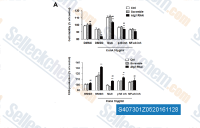
| S4073 | Sodium 4-Aminosalicylate | Sodium 4-Aminosalicylate is an antibiotic used to treat tuberculosis via NF-κB inhibition and free radical scavenging. |
|
|
| S9295 | Dauricine | Dauricine, a plant metabolite isolated from the Asian vine Menispermum dauricum, plays a variety of biological roles in the human body, from inhibiting cancer cell growth to blocking cardiac transmembrane Na+, K+, and Ca2+ ion currents. This compound induces apoptosis, inhibits proliferation and invasion through inhibiting NF‐κB signaling pathway in colon cancer cells. |
|
|
| S9193 | Aristolochic acid A | Aristolochic acid A (Aristolochic Acid I, Aristolochin, Aristolochine, TR 1736) is a carcinogenic, mutagenic, and nephrotoxic agent extracted from the flowering plant family Aristolochiaceae. This compound significantly reduces both activator protein 1 (AP-1) and nuclear factor-κB (NF-κB) activities. |
|
|
| S9170 | Engeletin | Engeletin (Dihydrokaempferol 3-rhamnoside), a bioactive flavonoid, has multiple biological activities such as anti-diabetic and anti-inflammatory effects. engeletin againsts LPS-stimulated endometritis in mice via negative regulation of pro-inflammatory mediators via the TLR4-regulated NF-κB pathway. |
|
|
| S3137 | Sodium salicylate | Sodium salicylate(2-Hydroxybenzoic acid Sodium salt,Salicylic acid Sodium salt) is used in medicine as an analgesic and antipyretic. |
|
|
| S4798 | Benfotiamine | Benfotiamine (S-Benzoylthiamine O-monophosphate) is a synthetic S-acyl derivative of thiamine (vitamin B1) and has been investigated for the treatment and prevention of Diabetic Nephropathy and Diabetes Mellitus, Type 2. This compound suppresses oxidative stress-induced NF-κB activation and prevents the bacterial endotoxin-induced inflammation. |
|
|
| E0212 | Cornuside |
Cornuside is a bisiridoid glucoside compound isolated from the fruit of Cornus officinalis SIEB. et ZUCC. This compound suppresses lipopolysaccharide-induced inflammatory mediators by inhibiting NF-κB activation in RAW 264.7 macrophages. It attenuates apoptosis in rat cortical neurons. |
|
|
| S6899 | Licochalcone D | Licochalcone D (Lico D, LCD, LD), a flavonoid isolated from a Chinese medicinal plant Glycyrrhiza inflata, has antioxidant, anti-inflammatory and anti-cancer properties. This compound inhibits phosphorylation of NF-κB p65 in LPS signaling pathway. It inhibits JAK2, EGFR and Met (c-Met) activities and induces ROS-dependent apoptosis. This chemical also induces caspases activation and poly (ADP-ribose) polymerase (PARP) cleavage. |
|
|
| S3998 | (+)-α-Lipoic acid | (+)-α-Lipoic acid ((R)-(+)-α-Lipoic acid, α-Lipoic acid, Alpha-Lipoic acid), a physiological form of thioctic acid, is a strong antioxidant that relieves diabetic neuropathic symptoms. It shows superior antioxidative effects to its racemate. This compound is an essential cofactor of mitochondrial enzyme complexes. This chemical inhibits NF-κB-dependent HIV-1 LTR activation. |
|
|
| S9208 | Ginsenoside Rb3 | Ginsenoside Rb3, extracted from the plant Panax ginseng, plays important roles in cardiovascular diseases, including myocardial ischemia-reperfusion (I/R) injury. This compound (0.1-10 μM) is tested for inhibition of tumor necrosis factor-α (TNF)-induced nuclear factor kappa-light-chain-enhancer of activated B cells (NF-κB) luciferase reporter activity using a human kidney 293T cell-based assay. It shows the significant activity with an IC50 of 8.2 μM. This chemical also inhibits the induction of cyclooxygenase-2 (COX-2) and inducible nitric oxide synthase (iNOS) messenger Ribonucleic acid (mRNA) in a dose-dependent manner after HepG2 cells have been treated with TNF-α (10 ng/mL). |
|
|
| E4686 | DCZ0415 | DCZ0415 is a potent inhibitor of TRIP13. DCZ0415 impairs nonhomologous end joining repair and inhibits NF-κB activity. It triggers anti-myeloma effects both in vitro, and in vivo, and primary cells obtained from myeloma patients resistant to drugs. |
|
|
| S5640 | Ethyl caffeate | Ethyl caffeate, a naturally occurring compound found in Bidens pilosa, suppresses NF-kappaB activation and its downstream inflammatory mediators, iNOS, COX-2 and PGE2 in vitro. |
|
|
| S4937 | 4'-Hydroxychalcone | 4'-Hydroxychalcone (P-Cinnamoylphenol), found in herbs and spices and tea, is a member of the class of compounds known as retrochalcones. It has diverse biological activities, inhibiting TNFα-induced NF-κB pathway activation in a dose-dependent manner and activating BMP signaling. |
|
|
| S9040 | Maslinic acid | Maslinic Acid (Crategolic Acid, 2α-Hydroxyoleanoic Acid), a Natural Triterpene, exerts a wide range of biological activities, i.e. antitumor, antidiabetic, antioxidant, cardioprotective, neuroprotective, antiparasitic and growth-stimulating. MA significantly suppresses the DNA-binding activity of NF-κB p65 in LPS-induced RAW 264.7 cells. |
|
|
| S5899 | (R)-(-)-Ibuprofen | (R)-(-)-Ibuprofen ((R)-Ibuprofen) inhibits the activation of NF-κB in response to T-cell stimulation with IC50 of 121.8 μM, and exerts anti-inflammatory and antinociceptive effects. |
|
|
| S6679 | C25-140 | C25-140 is a small-molecule inhibitor of TRAF6-Ubc13 interaction. C25-140 directly binds to TRAF6, thereby blocking the interaction of TRAF6 with Ubc13, and as a consequence lowers TRAF6 activity. C25-140 impedes NF-κB activation in various immune and inflammatory signaling pathways also in primary human and murine cells. |
|
|
| S9106 | Eleutheroside E | Eleutheroside E, a principal component of Eleutherococcus senticosus (ES), has anti-inflammatory effects by inhibiting NF-κB and protecting against myocardial infarction. |
|
|
| S3138 | Methylthiouracil | Methylthiouracil (NSC-193526, NSC-9378,MTU) is an antithyroid agent. This compound suppresses the production TNF-α and IL-6, and the activation of NF-κB and ERK1/2. |
|
|
| E2661 | Chitosan oligosaccharide | Chitosan oligosaccharide (COS) is an oligomer of β-(1➔4)-linked d-glucosamine, of which actions involve the modulation of several important pathways including the suppression of nuclear factor kappa B (NF-κB) and mitogen-activated protein kinases (MAPK) and the activation of AMP-activated protein kinase (AMPK). |
|
|
| S1321 | Urolithin B | Urolithin B inhibits NF-κB activity by reducing the phosphorylation and degradation of IκBα. This compound suppresses the phosphorylation of JNK, ERK, and Akt, and enhances the phosphorylation of AMPK. It is also a regulator of skeletal muscle mass. |
|
|
| S3867 | (E)-Cardamonin | (E)-Cardamonin (Alpinetin chalcone, cardamomin) is a naturally occurring chalcone with strong anti-inflammatory activity. It is a novel TRPA1 antagonist with IC50 of 454 nM and also a NF-κB inhibitor. |
|
|
| S3150 | Articaine HCl | Articaine (Ultracaine) is a dental local anesthetic which contains an additional ester group that is metabolized by estearases in blood and tissue. | ||
| S3939 | 4'-Methoxyresveratrol | 4-Methoxyresveratrol is a stibenoid found in the Chinese herb Gnetum cleistostachyum. 4'-Methoxyresveratrol alleviates AGE-induced inflammation through suppressing RAGE-mediated MAPK/NF-κB signaling pathway and NLRP3 inflammasome activation. | ||
| E3034 | Cynanchi Atrati Extract | Cynanchi Atrati Extract is extracted from Cynanchi atrati Radix, has been traditionally used as an anti-inflammatory agent, and has a potential to inhibit IKK-mediated NF-κB activation, which is valuable for modulating inflammatory or cancerous conditions. | ||
| S0915 | Morusin | Morusin (Mulberrochromene) is an inhibitor of NF-κB and STAT3. This compound is a prenylated flavonoid isolated from Marsdenia australis with antitumor, antioxidant, and anti-bacteria properties. | ||
| E7840 | EF24 | EF24, a synthetic analog of curcumin, is a potent antitumor agent that inhibits tumor growth and metastasis by blocking NF-κB-dependent signaling pathways. It also induces cell cycle arrest and apoptosis through a redox-dependent mechanism in MDA-MB-231 human breast cancer cells and DU-145 human prostate cancer cells. | ||
| S8989 | Xanthatin | Xanthatin is a sesquiterpene lactone isolated from Xanthium strumarium leaves, which can inhibit the nuclear factor kappa-B (NF-κB), mitogen-activated protein kinase (MAPK) and signal transducer and activator of transcription (STATs) signaling pathways. | ||
| S9244 | 8-O-acetyl shanzhiside methyl ester | 8-O-acetyl shanzhiside methyl ester (Barlerin, ND01), isolated from the leaves of Lamiophlomis rotata Kudo, promotes angiogenesis, which leads to the improvement of functional outcome after stroke.8-O-Acetyl shanzhiside methyl ester can inhibts NF-κB. | ||
| S3384 | (E/Z)-IT-603 | (E/Z)-IT-603 is a mixture of E-IT-603 and Z-IT-603. IT-603 is a NF-κB family member c-Rel inhibitor with an IC50 of 3 μM in electrophoretic mobility shift assay (EMSA). | ||
| E3654 | Althaea rosea Extract(root) | Extracted from the root of Althaea rosea, this compound can inhibit NF-κB. | ||
| E1575 | EN450 | EN450 is a cysteine-reactive covalent molecular glue degrader targeting NF-κB. It interacts with allosteric C111 in the E2 ubiquitin ligase UBE2D that induces the ternary complex formation between UBE2D and NFKB1. It exhibits anti-proliferative effects through a Cullin E3 ligase and proteasome-dependent mechanism. | ||
| S5343 | Vanillic acid | Vanillic acid (4-hydroxy-3-methoxybenzoic acid) is a flavoring agent which is also an intermediate in the production of vanillin from ferulic acid. This compound inhibits NF-κB activation. It has anti-inflammatory, antibacterial, and chemopreventive effects. | ||
| S3773 | Tyrosol | Tyrosol (4-Hydroxyphenylethanol, 4-Hydroxyphenethyl alcohol, 2-(4-Hydroxyphenyl)ethanol) is an antioxidant that is naturally present in several foods such as wines and green tea and is present most abundantly in olives. This compound is a derivative of phenethyl alcohol. It attenuates pro-inflammatory cytokines from cultured astrocytes and NF-κB activation. Anti-oxidative and anti-inflammatory effects. | ||
| E0657 | Rubiadin 1-methyl ether | Rubiadin-1-methyl ether, a natural anthraquinone compound isolated from the root of Morinda officinalis How, can inhibit osteoclastic bone resorption through blocking NF-κB pathway and may be a promising agent for the prevention and treatment of bone diseases characterized by excessive bone resorption. | ||
| S9388 | (+)-Praeruptorin A | Praeruptorin A is a coumarin compound naturally occurring in the roots of Peucedanum praeruptorum Dunn., a commonly used traditional Chinese medicine for the treatment of certain respiratory diseases and hypertension. Praeruptorin A exerts anti-inflammatory effects in vitro through inhibition of NF-κB activation. (+)-Praeruptorin A is one of enantiomers. | ||
| S1825 | Erdosteine | Erdosteine (KW-9144,RV 144) is a mucolytic which is used in treatment of excessive viscous mucus. This compound inhibits lipopolysaccharide (LPS)-induced NF-κB activation. | ||
| S3880 | Schisantherin A | Schisantherin A (Gomisin C, Schisanwilsonin H, Arisanschinin K) is a dibenzocyclooctadiene that exhibits anti-tussive, sedative, anti-inflammatory, anti-osteoporotic, neuroprotective, cognition enhancing, and cardioprotective activities. This compound inhibits p65-NF-κB translocation into the nucleus by IκBα degradation. | ||
| E0694 | Okanin | Okanin, a chalcone found in the flower tea Coreopsis tinctoria, effectively reduces LPS-induced microglial activation by inhibiting the TLR4/NF-κB signalling pathways. It also reduces LPS-induced nitric oxide (NO) production and iNOS expression by increasing HO-1 expression. It exhibits a potential as a nutritional preventive measure for neurodegenerative disorders. | ||
| E2582 | kamebakaurin | Kamebakaurin is a diterpene isolated from Isodon japonicus, it is a potent inhibitor of NF-kappaB activation by directly targeting DNA-binding activity of p50 and blocks the expression of antiapoptotic NF-κB target genes. It can be used in research of pathological conditions such as inflammation and cancer. | ||
| S8941 | NIK SMI1 | NIK SMI1 is a highly potent and selective NF-κB-inducing kinase (NIK) inhibitor with Ki of 0.23 nM for this compound-catalyzed hydrolysis of ATP to ADP. | ||
| S6714 | INH14 | INH14 is an inhibitor of TLR2-mediated NF-κB activation with IC50 values of 8.975 μM and 3.598 μM for IKKα and IKKβ, respectively. | ||
| E1714 | B022 | B022 is a potent and selective NF-κB-inducing kinase (NIK) inhibitor with a Ki of 4.2 nM. This compound protects liver from toxin-induced inflammation, oxidative stress, and injury. | ||
| S3872 | Guaiacol | Guaiacol (O-methoxyphenol, 2-hydroxyanisole, O-methylcatechol) is a phenolic natural product first isolated from Guaiac resin and the oxidation of lignin. It is a precursor to various flavorants, such as eugenoland vanillin. This compound, a phenolic compound isolated from Guaiac resin, inhibits LPS-stimulated COX-2 expression and NF-κB activation. Anti-inflammatory activity. | ||
| S4712 | Diethylmaleate | Diethylmaleate (Diethyl ester, Maleic acid diethyl ester) is the diethyl ester of maleic acid and a glutathione-depleting compound that inhibits NF-κB. | ||
| E3795 | Commelina Communis Extract | Commelina Communis Extract is drawed from Commelina Communis, which has anti-inflammatory effects related to suppression of the NF-κB pathway and can be used to treat chronic inflammation. | ||
| S3256 | Tectochrysin | Tectochrysin (Techtochrysin, NSC 80687) is one of the major flavonoids of Alpinia oxyphylla Miquel. This compound significantly increases the expression of DR3, DR4 and Fas and inhibits activity of NF-κB. It induces apoptotic cell death. | ||
| E0783 | SM-7368 | SM-7368 is a potent NF-κB inhibitor that targets downstream of MAPK p38 activation, also inhibits TNF-α-induced MMP-9 upregulation. | ||
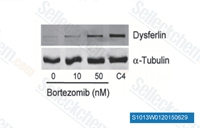
| S1013 | Bortezomib | Bortezomib is a potent 20S proteasome inhibitor with Ki of 0.6 nM. It exhibits favorable selectivity towards tumor cells over normal cells. This compound inhibits NF-κB and induces ERK phosphorylation to suppress cathepsin B and inhibit the catalytic process of autophagy in ovarian cancer and other solid tumors. |
|
|
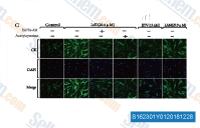
| S1623 | N-Acetylcysteine (NAC chemical, N-Acetyl-L-Cysteine) | Acetylcysteine (N-acetyl-l-cysteine, NAC,N-acetylcysteine) is a ROS(reactive oxygen species) inhibitor that antagonizes the activity of proteasome inhibitors. It is also a tumor necrosis factor production inhibitor. Acetylcysteine(N-acetyl-l-cysteine) suppresses TNF-induced NF-κB activation through inhibition of IκB kinases. Acetylcysteine(N-acetyl-l-cysteine) induces apoptosis via the mitochondria-dependent pathway. Acetylcysteine(N-acetyl-l-cysteine) inhibits ferroptosis and virus replication.Solutions are unstable and should be fresh-prepared. |
|
|
| S8341 | TAK-243 (MLN7243) | TAK-243 (MLN7243) is a potent, mechanism-based small-molecule inhibitor of the ubiquitin activating enzyme (UAE) with an IC50 of 1 ± 0.2 nM in the UBCH10 E2 thioester assay. It has minimal inhibitory activity in a panel of kinase and receptor assays, as well as on human carbonic anhydrase type I and type II. TAK-243 (MLN7243) induces ER stress, abrogates NFκB pathway activation and promotes apoptosis. |
|
|
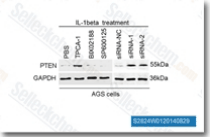
| S2824 | TPCA-1 | TPCA-1 (GW683965) is an inhibitor of IKK-2 with IC50 of 17.9 nM in a cell-free assay, inhibits NF-κB pathway, exhibits 22-fold selectivity over IKK-1. TPCA-1 is also an inhibitor of STAT3 and enhances apoptosis. |
|
|
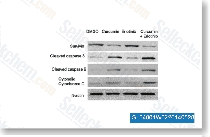
| S1848 | Curcumin (Diferuloylmethane) | Curcumin (Diferuloylmethane, Natural Yellow 3, Turmeric yellow) is the principal curcuminoid of the popular Indian spice turmeric, which is a member of the ginger family (Zingiberaceae). It is an inhibitor of p300 histone acetylatransferase(IC50~25 μM)and Histone deacetylase (HDAC); activates Nrf2 pathway and supresses the activation of NF-κB. Curcumin induces mitophagy, autophagy, apoptosis, and cell cycle arrest with antitumor activity. Curcumin reduces renal damage associated with rhabdomyolysis by decreasing ferroptosis-mediated cell death. Curcumin exhibits anti-infective properties against various human pathogens like the influenza virus, hepatitis C virus, HIV and so on. |
|
|
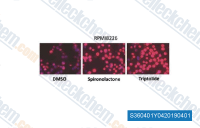
| S3604 | Triptolide | Triptolide is a diterpene triepoxide, immunosuppresive agent extracted from the Chinese herb Tripterygium wilfordii. It functions as a NF-κB inhibitor with dual actions by disruption of p65/CBP interaction and by reduction of p65 protein. Triptolide (PG490) abrogates the transactivation function of heat shock transcription factor 1 (HSF1). Triptolide inhibits MDM2 and induces apoptosis through a p53-independent pathway. |
|
|
| S8279 | (Rac)-Shikonin | (±)-Shikonin, a potent and specific Pyruvate kinase M2 (PKM2) inhibitor, is a major component of zicao (purple gromwell, the dried root of Lithospermum erythrorhizon), a Chinese herbal medicine with various biological activities. It is also an inhibitor of TMEM16A chloride channel activity using cell-based fluorescent-quenching assay. Shikonin exerts an anti-inflammatory effect by inhibiting tumor necrosis factor-α (TNF-α) and prevents activation of nuclear factor-κB (NF-κB) pathway via proteasome inhibition. |
|
|
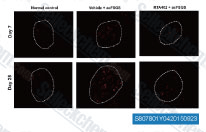
| S8078 | Bardoxolone Methyl (RTA 402) | Bardoxolone Methyl (RTA 402, TP-155, NSC 713200, CDDO Methyl Ester, CDDO-Me) is an IKK inhibitor, showing potent proapoptotic and anti-inflammatory activities; Also a potent Nrf2 activator and nuclear factor-κB (NF-κB) inhibitor. Bardoxolone Methyl abrogates ferroptosis. Bardoxolone methyl induces apoptosis and autophagy in cancer cells. |
|
|
| S2341 | (-)-Parthenolide | (-)-Parthenolide, an inhibitor of the Nuclear Factor-κB Pathway, specifically depletes HDAC1 protein without affecting other class I/II HDACs; Also promotes the ubiquitination of MDM2 and activates p53 cellular functions. |
|
-Parthenolide-S234101W0220161110.gif)
|
| S5771 | Sulforaphane | Sulforaphane is a naturally occurring isothiocyanate derived from the consumption of cruciferous vegetables, such as broccoli, cabbage, and kale. It is an inducer of Nrf2. This compound is also an inhibitor of histone deacetylase (HDAC) and NF-κB. It increases heme oxygenase-1 (HO-1) and reduces the levels of reactive oxygen species (ROS). It induces cell cycle arrest and apoptosis. |
|
|
| S1576 | Sulfasalazine | Sulfasalazine is a sulfa derivative of mesalazine, used as an anti-inflammatory agent to treat bowel disease and rheumatoid arthritis. This compound is a potent and specific inhibitor of nuclear factor kappa B (NF-κB), TGF-β and COX-2. It induces ferroptosis, apoptosis and autophagy. |
|
|
| S3603 | Betulinic acid | Betulinic acid (ALS-357, Lupatic acid, Betulic acid), a pentacyclic triterpenoid from Syzigium claviflorum, is a inhibitor of HIV-1 with EC50 of 1.4 μ M. It's reported that this compound acts as a new inhibitor of NF-κB.Phase 1/2. |
|
|
| S8483 | CBL0137 Hydrochloride | CBL0137 (CBLC137, Curaxin 137) HCl activates p53 and inhibits NF-κB with EC50s of 0.37 μM and 0.47 μM in the cell-based p53 and NF-kB reporter assays, respectively. It also inhibits histone chaperone FACT (facilitates chromatin transcription complex). |
|
|
| S9141 | Berbamine | Berbamine (BA), a traditional Chinese medicine extracted from Berberis amurensis (xiaoboan), is a novel inhibitor of bcr/abl fusion gene with potent anti-leukemia activity and also an inhibitor of NF-κB. This compound induces apoptosis in human myeloma cells and inhibits the growth of cancer cells by targeting Ca²⁺/calmodulin-dependent protein kinase II (CaMKII). |
|
|
| S3923 | Ginsenoside Rg1 | Ginsenoside Rg1 (Ginsenoside A2, Panaxoside A, Panaxoside Rg1, Sanchinoside C1, Sanchinoside Rg1), one of the major active components of ginseng, is identified as a protopanaxatriol-type and has pharmacological actions such as neuroprotective and anti-tumor effects on various cancer types. This compound reduces cerebral Aβ levels and NF-κB nuclear translocation. |
|
|
| S3901 | Astragaloside IV | Astragaloside IV (AST-IV, AS-IV) is a bioactive saponin first isolated from the dried plant roots of the genus Astragalus, which is used in traditional Chinese medicine. It has various effect on the cardiovascular, immune, digestive, and nervous systems. AS-IV suppresses activation of p-Akt, p-mTOR, p-NF-κB and p-Erk1/2. |
|
|
| S7445 | APX-3330 | APX-3330 (E3330) is a potent and selective APE1(Ref-1) inhibitor, which suppressed NF-kappa B DNA-binding activity. |
|
|
| S3931 | Ginsenoside Rd | Ginsenoside Rd (Panaxoside Rd, Sanchinoside Rd), a minor ginseng saponin, has several pharmacological activities such as immunosuppressive activity, anti-inflammatory activity, immunological adjuvant, anti-cancer activity and wound-healing activity. This compound inhibits TNFα-induced NF-κB transcriptional activity with an IC50 of 12.05±0.82 μM in HepG2 cells. It inhibits expression of COX-2 and iNOS mRNA. This chemical also inhibits Ca2+ influx. It inhibits CYP2D6, CYP1A2, CYP3A4, and CYP2C9, with IC50s of 58.0±4.5 μM, 78.4±5.3 μM, 81.7±2.6 μM, and 85.1±9.1 μM, respectively. |
|
|
| S7428 | Rocaglamide | Rocaglamide (Roc-A), isolated from Aglaia species, is a potent inhibitor of heat shock factor 1 (HSF1) activation with IC50 of ~50 nM for HSF1. This compound inhibits the function of the translation initiation factor eIF4A. It also inhibits NF-κB activity. This chemical exhibits anti-tumor activity. |
|
|
| S3924 | Ginsenoside Rb1 | Ginsenoside Rb1 (Gypenoside Ⅲ) is a protopanaxadiol that has diverse in vitro and in vivo effects, including neuroprotective, anti-inflammatory, and anti-obesity actions. This compound, a main constituent of the root of Panax ginseng, inhibits Na+, K+-ATPase activity with IC50 of 6.3±1.0 μM. It also inhibits IRAK-1 activation and phosphorylation of NF-κB p65. This chemical reduces the expressions of TLR3, TLR4 and TRAF-6, and down-regulates the levels of TNF-α, IFN-β and iNOS. |
|
|
| S3609 | Berbamine dihydrochloride | Berbamine (BA, BBM) dihydrochloride, a traditional Chinese medicines extracted from Berberis amurensis (xiaoboan), is a novel inhibitor of bcr/abl fusion gene with potent anti-leukemia activity and also an inhibitor of NF-κB. Berbamine (BA, BBM) dihydrochloride induces apoptosis in human myeloma cells and inhibits the growth of cancer cells by targeting Ca²⁺/calmodulin-dependent protein kinase II (CaMKII). |
|
|
| S3810 | Scutellarin | Scutellarin (Breviscapine, Breviscapin, Scutellarein-7-glucuronide), the major active principal flavonoids extracted from the Chinese herbal medicines Scutellaria baicalensis and Erigeron breviscapus (Vant.) Hand-Mazz, has many pharmacological effects, such as antioxidant, antitumor, antiviral, and antiinflammatory activities. This compound can down-regulates the STAT3/Girdin/Akt signaling in HCC cells, and inhibits RANKL-mediated MAPK and NF-κB signaling pathway in osteoclasts. |
|
|
| S9502 | Madecassic acid | Madecassic acid (Brahmic acid), a natural triterpene first isolated from C. asiatica, has diverse anti-inflammatory and anti-diabetic effects, blocking NF-κB activation in macrophages and causing by iNOS, COX-2, TNF-alpha, IL-1beta and IL-6 inhibition. |
|
|
| E4443 | S-Nitrosoglutathione | S-nitrosoglutathione (GSNO, RVC-588, S-Nitroso-L-glutathione,Nitrosoglutathione) is an amino acid and nitric oxide donor that, under physiological conditions, spontaneously releases nitric oxide. S-nitrosoglutathione (GSNO) selectively inhibits platelet and NF-κB activation. It induces apoptosis in T cells in low concentrations (< 0.6 mM) while protecting T cells from apoptosis in higher concentrations (1-2 mM). |
|
|
| S7637 | DTP3 | DTP3 is a selective GADD45β/MKK7 (growth arrest and DNA-damage-inducible β/mitogen-activated protein kinase kinase 7) inhibitor and is able to restore MKK7/JNK activation. This compound inhibits cancer-selective NF-κB survival pathway. |
|
|
| S3808 | Mangiferin | Mangiferin (Alpizarin, Chinomin, Hedysarid) is a bioactive compound that demonstrates many health perspectives and has been used to prepare medicinal and food supplements. This compound is a Nrf2 activator. It suppresses nuclear translocation of the NF-κB subunits p65 and p50. |
|
|
| E1798 | HOIPIN-8 | HOIPIN-8, is a potent inhibitor of linear ubiquitin chain assembly complex (LUBAC) and NF-κB signaling with an IC50 value of 11 nM. It serves as a powerful tool for investigating the physiological and cellular functions of LUBAC. |
|
|
| S3811 | Ginsenoside Re | Ginsenoside Re (Ginsenoside B2, Panaxoside Re, Sanchinoside Re, Chikusetsusaponin Ivc), an extract from Panax notoginseng, is a major ginsenoside in ginseng and belongs to 20(S)-protopanaxatriol group. It has diverse in vitro and in vivo effects, including vasorelaxant, antioxidant, antihyperlipidemic, and angiogenic actions. This compound decreases the β-amyloid protein (Aβ). It plays a role in antiinflammation through inhibition of JNK and NF-κB. |
|
|
| S0002 | IAXO-102 | IAXO-102 is an antagonist of TLR4 targeting both MD-2 and CD14 co-receptors. This compound inhibits MAPK and p65 NF-κB phosphorylation and downregulates the expression of TLR4 dependent proinflammatory proteins. It inhibits experimental abdominal aortic aneurysm (AAA) development. |
|
|
| S0781 | IQ 3 | IQ 3 is a specific c-Jun N-terminal kinase (JNK) inhibitor with Kd of 66 nM, 240 nM and 290 nM for JNK3, JNK1 and JNK2, respectively. This compound inhibits LPS-induced NF-κB/AP1 transcriptional activity in THP1-Blue cells with IC50 of 1.4 μM. It also inhibits TNF-α and IL-6 production in vitro. |
|
|
| S3293 | Gardenoside | Gardenoside is a natural compound extracted from Gardenia fruits, with hepatoprotective properties. It inhibits TNF-α, IL-1β, IL-6 and NFκB activation. This compound also has an inhibitory effect on free fatty acids (FFA)-induced cellular steatosis. It suppresses the pain in rats model of chronic constriction injury by regulating the P2X3 and P2X7 receptors. |
|
|
| S9374 | 2',5'-Dihydroxyacetophenone | 2',5'-Dihydroxyacetophenone (DHAP, 2-Acetylhydroquinone, Quinacetophenone) is a mixture of dihydroxyacetophenone isomers is used in food flavouring. This compound significantly inhibits NO production via the suppression of iNOS expression. It significantly decreases levels of the pro-inflammatory cytokines TNF-α and IL-6 by blocking the ERK1/2 and NF-κB signaling pathways. |
|
|
| S9417 | Homoplantaginin | Homoplantaginin (Hispidulin-7-glucoside), a main flavonoid from a traditional Chinese medicine Salvia plebeia, has anti-inflammatory and anti-oxidant properties. Homoplantaginin inhibits TNF-α and IL-6 mRNA expression, IKKβ and NF-κB phosphorylation. |
|
|
| S9871 | BTYNB | BTYNB (BTYNB IMP1 Inhibitor, MDK6620) is a potent and selective inhibitor of IMP1 binding to c-Myc mRNA. This compound downregulates β-TrCP1 mRNA and reduces activation of nuclear transcriptional factors-kappa B (NF-κB). It disrupts this enhancer function by impairing IGF2 mRNA-binding protein 1 (IGF2BP1)-RNA association. |
|
|
| S3607 | Sarsasapogenin | Sarsasapogenin (SAR, Parigenin) is a steroidal sapogenin. It can provoke the generation of reactive oxygen species and activate unfolded protein response (UPR) signaling pathways. This compound potently inhibits NF-κB and MAPK activation, as well as IRAK1, TAK1, and IκBα phosphorylation in LPS-stimulated macrophages. |
|
|
| E0526 | sappanone A | Sappanone A, a homoisoflavanone isolated from the heartwood of Caesalpinia sappan (Leguminosae), induces HO-1 expression by activating Nrf2 through the p38 MAPK pathway, suppresses LPS-induced NF-κB activation by suppressing the phosphorylation of RelA/p65 at Ser536, exerting its anti-inflammatory effect. |
|
|
| S0454 | Adjudin | Adjudin (AF-2364), a potent male contraceptive, is a potent blocker of Cl⁻ channels. This compound exhibits anti-inflammatory properties by suppression of NF-κB p65 nuclear translocation and DNA binding activity as well as ERK MAPK phosphorylation. |
|
|
| S3261 | Myrislignan | Myrislignan, a lignan isolated from Myristica fragrans Houtt, possesses anti-inflammatory activities. This compound inhibits interleukin-6 (IL-6) and tumour necrosis factor-α (TNF-α). It significantly inhibits the expressions of inducible NO synthase (iNOS) and cyclooxygenase-2 (COX-2) dose-dependently in LPS-stimulated macrophage cells. It also inhibits the NF-κB signalling pathway activation. |
|
|
| S0911 | Hypaphorine | Hypaphorine which is abundantly found in vaccaria semen, counteracts inflammation via inhibition of ERK or/and NFκB signaling pathways. | ||
| S3223 | L-Quebrachitol | L-Quebrachitol (L-QCT), a natural product isolated from many plants, promotes proliferation and cell DNA synthesis. This compound upregulates bone morphogenetic protein-2 (BMP-2) and runt-related transcription factor-2 (Runx2) and regulatory genes associated with mitogen-activated protein kinase (MAPK) and Wnt/β-catenin signaling pathway, while down-regulating the receptor activator of the nuclear factor-κB(NF-κB) ligand (RANKL) mRNA level. | ||
| S0923 | Isoliquiritin apioside | Isoliquiritin apioside (ISLA, ILA), a component isolated from Glycyrrhizae radix rhizome (GR), significantly decreases PMA-induced increases in matrix metalloproteinase (MMP) activities and suppresses PMA-induced activation of mitogen-activated protein kinase (MAPK) and NF-κB. This compound possesses anti-metastatic and anti-angiogenic abilities in malignant cancer cells and ECs, with no cytotoxicity. | ||
| S8961 | Alobresib (GS-5829) | Alobresib (GS-5829) is a novel BET inhibitor that represents a highly effective therapeutics agent against recurrent/chemotherapy-resistant USC-overexpressing c-Myc. This compound inhibits CLL cell proliferation and induces leukemia cell apoptosis through deregulation of key signaling pathways, such as BLK, AKT, ERK1/2, and MYC. It also inhibits NF-κB signaling. | ||
| S0931 | Jaceosidin | Jaceosidin, a flavonoid isolated from Artemisia vestita, possesses anti-tumor and anti-proliferative activities in many cancer cells. This compound induces apoptosis, activates Bax and down-regulates Mcl-1 and c-FLIP expression. It also inhibits COX-2 expression and NF-κB activation. | ||
| S3243 | Zeaxanthin | Zeaxanthin, the carotenoid alcohol participates in the xanthophyll cycle, activates the extrinsic apoptosis pathway which induces apoptosis on uveal melanoma cells with IC50 value 40.8 µM. | ||
| S3231 | UCB-9260 | UCB-9260 is an orally active inhibitor that inhibits TNF signalling by stabilising an asymmetric form of the trimer. This compound binds TNF with Kd of 13 nM. It also inhibits NF-κB with IC50 of 202 nM after TNF stimulation. | ||
| S3816 | Dehydroevodiamine | Dehydroevodiamine (DHED), a constituent of Evodia rutaecarpa, has various biological effects such as hypotensive, negative chronotropic, ion channel depressant, inhibition of nitric oxide production and cerebral blood flow enhancing activities. This compound inhibits LPS-induced iNOS, COX-2, prostaglandin E2 (PGE2) and nuclear factor-kappa B (NF-κB) expression in murine macrophage cells. | ||
| E3652 | Rehmanniae radix praeparata Extract | Rehmanniae radix praeparata Extract is extracted from Rehmanniae radix praeparata, which can improve diabetes through AMPK-mediated NF-κB/NLRP3 signaling pathway. | ||
| E0022 | Ophiopogonin D | Ophiopogonin D (OJV-VI, Deacetylophiopogonin C) is a steroidal glycoside isolated from Chinese herb Radix ophiopogonis and shows anti-tumor property. This compound could suppress TGF-β1-mediated metastatic behavior of MDA-MB-231 cells by regulating ITGB1/FAK/Src/AKT/β-catenin/MMP-9 signaling axis. It also attenuates PM2.5-induced inflammation via suppressing the AMPK/NF-κB pathway in mouse pulmonary epithelial cells. | ||
| E3365 | Weigela Grandiflora Fortune Extract | Weigela Grandiflora Fortune Extract is extracted from Weigela Grandiflora Fortune, which decreases the infection-mediated expression of inflammatory mediators by inhibiting the AKT/NF-κB and MAPK signaling pathways. | ||
| S9075 | Mulberroside A | Mulberroside A, isolated from the ethanol extract of Morus alba roots, is widely employed as an active ingredient in cosmetic products due to its anti-tyrosinase and anti-oxidant activities. This compound decreases the expressions of TNF-α, IL-1β and IL-6 and inhibits the activation of NALP3, caspase-1 and NF-κB and the phosphorylation of ERK, JNK and p38. | ||
| S4460 | IMM-H007 | IMM-H007, an adenosine derivative, is an activator of AMP-Activated Protein Kinase (AMPK). This compound is a potential drug for treating cardiac dysfunction. It negatively regulates endothelium inflammation through inactivating NF-κB and JNK/AP1 signaling. This chemical inhibits ABCA1 (ATP binding cassette subfamily a member 1) degradation and facilitates its cell-surface localization in macrophages, thereby promotes cholesterol efflux. | ||
| S5579 | Chelidonic acid | Chelidonic acid (Jerva acid, Jervaic acid, γ-Pyrone-2,6-dicarboxyl acid) is a secondary metabolite found in several plants with therapeutic potential in allergic disorders in experimental animals. This compound inhibits IL-6 production by blocking NF-κB and caspase-1 in HMC-1 cells. It is also an inhibitor of glutamate decarboxylase with Ki of 1.2 μM. | ||
| S3899 | Hederagenin | Hederagenin (Caulosapogenin, Hederagenol, Hederagenic acid, Astrantiagenin E) is a highly water insoluble triterpenoid compound that can be found in various plants including Hedera helix and Chenopodium quinoa. It exhibits a variety of biological activities, including potent antitumor properties both in vitro and in vivo. This compound inhibits LPS-stimulated expression of iNOS, COX-2, and NF-κB. | ||
| E3786 | Radix Scrophulariae Extract | Radix Scrophulariae Extract is derived from Radix Scrophulariae, which has anti-apoptotic and anti-inflammatory effects, potentially operating by affecting the mitogen-activated protein kinases (MAPKs) signaling pathway and inhibition of the NF-κB pathway. | ||
| S3298 | Caulophylline (N-Methylcytisine) | Caulophylline (N-Methylcytisine, Caulophyllin, NMC) is a tricyclic quinolizidine alkaloid with anti-inflammatory activities. It binds to nicotinic acetylcholine receptors (nAChR) from squid optical ganglia with Kd of 50 nM. This compound significantly reduces myeloperoxidase (MPO) activity and blocks the activation of NF-κB by inhibiting IκB and IKK phosphorylation. | ||
| S3299 | Demethyleneberberine | Demethyleneberberine (DMB), a component of Cortex Phellodendri Chinensis (CPC), significantly alleviates the weight loss and diminishes myeloperoxidase (MPO) activity, while significantly reduces the production of pro-inflammatory cytokines, such as interleukin (IL)-6 and tumor necrosis factor-α (TNF-α), and inhibits the activation of NF-κB signaling pathway. This compound potentially ameliorates NAFLD (Non-alcoholic fatty liver disease) by activating AMPK pathways. | ||

Products are for research use only. Not for human use. We do not sell to patients.
©Copyright 2013 Selleck Chemicals. All Rights Reserved.