ERK inhibitors/activators

ERK inhibitors are a class of targeted therapeutic agents that specifically modulate the extracellular signal-regulated kinase (ERK) pathway, a core component of the mitogen-activated protein kinase (MAPK) signaling cascade. The ERK pathway is evolutionarily conserved and plays a pivotal role in transducing extracellular signals (e.g., growth factors, cytokines) into intracellular responses, regulating critical cellular processes such as proliferation, differentiation, survival, and migration. Dysregulation of the ERK pathway, often driven by mutations in upstream components, is a hallmark of numerous human diseases, particularly cancers, making ERK inhibitors a central focus of translational research. This article explores the scientific underpinnings of ERK inhibitors, including their mechanism of action, interactions with related signaling molecules such as MEK and AKT, and research progress exemplified by SCH series inhibitors.

Isoform-selective Products

  • All (60)
  • ERK Inhibitors (48)
  • ERK Activators (7)
  • ERK Agonist (1)
  • ERK Modulators (3)
  • New ERK Products
Cat.No. Product Name Information Product Use Citations Product Validations
S7101 SCH772984 SCH772984 is a novel, specific inhibitor of ERK1/2 with IC50 values of 4 nM and 1 nM in cell-free assay, respectively, And show robust efficacy in RAS- or BRAF-mutant cancer cells.
Cancer Cell, 2025, S1535-6108(25)00271-5
Nat Commun, 2025, 16(1):8409
Nat Commun, 2025, 16(1):4201
Verified customer review of SCH772984
S7554 Ravoxertinib (GDC-0994) Ravoxertinib (GDC-0994) is a potent, orally available and highly selective ERK1/2 inhibitor, with IC50 values of 1.1 nM and 0.3 nM, respectively. This compound is currently in Phase 1.
Cell Host Microbe, 2025, 33(4):512-528.e7
Cell Rep Med, 2025, 6(8):102284
J Exp Clin Cancer Res, 2025, 44(1):68
Verified customer review of Ravoxertinib (GDC-0994)
S7854 Ulixertinib (BVD-523) Ulixertinib (BVD-523, VRT752271) is a potent and reversible ERK1/ERK2 inhibitor with IC50 of <0.3 nM for ERK2. This compound is in Phase 1.
Cancer Cell, 2025, S1535-6108(25)00406-4
J Exp Clin Cancer Res, 2025, 44(1):269
EBioMedicine, 2025, 118:105828
Verified customer review of Ulixertinib (BVD-523)
S8534 Temuterkib (LY3214996) Temuterkib (LY3214996) is a selective and novel ERK1/2 inhibitor with IC50 of 5 nM for both enzymes in biochemical assays, and it potently inhibits cellular phospho-RSK1 in BRAF and RAS mutant cancer cell lines.
Fluids Barriers CNS, 2025, 22(1):8
Int Immunopharmacol, 2025, 153:114479
J Mol Cell Cardiol Plus, 2025, 12:100300
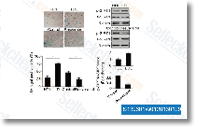
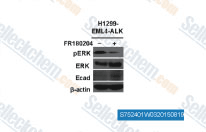
S7524 FR 180204 FR 180204 is an ATP-competitive, selective ERK inhibitor with Ki of 0.31 μM and 0.14 μM for ERK1 And ERK2, respectively. It is 30-fold less potent against the related kinase p38α and failed to inhibit any kinases(MEK1, MKK4, IKKα, PKCα, Src, Syc, and PDGFα) at less than 30 μM.
Cell Res, 2025, 10.1038/s41422-025-01085-9
Biomaterials, 2025, 317:123090
Nat Commun, 2024, 15(1):10170
Verified customer review of FR 180204
S7525 XMD8-92 XMD8-92 is a potent and selective dual inhibitor of big map kinase (BMK1, ERK5) and bromodomain-containing proteins (BRDs, BET) with Kd of 80 nM and 170 nM for ERK5 and BRD4(1), respectively.
Stem Cell Reports, 2024, S2213-6711(24)00216-9
Mol Biol Rep, 2024, 51(1):313
Nat Commun, 2023, 10.1038/s41467-023-43369-x
Verified customer review of XMD8-92
S7709 VX-11e VX-11e (VTX-11e, Vertex-11e) is a potent, selective, and orally bioavailable ERK inhibitor with IC50 of 17 nM (ERK1) and 15 nM (ERK2), over 200-fold selective over other kinases tested.
J Biol Chem, 2025, 301(3):108183
Nat Commun, 2024, 15(1):2581
Nat Commun, 2024, 15(1):7037
S8708 AZD0364 (ATG-017) AZD0364 (ATG-017) is a pre-clinical ERK1/2 inhibitor with an IC50 of 0.6 nM for ERK2.
Nature, 2024, 629(8013):927-936
Elife, 2024, 12RP91507
J Clin Biochem Nutr, 2024, 74(2):97-107
S7334 ERK5-IN-1 ERK5-IN-1 (XMD17-109) is a potent, and selective ERK5 inhibitor with IC50 of 162 nM.
JCI Insight, 2024, 9(10)e164191
Nat Commun, 2023, 14(1):3364
J Med Chem, 2021, 10.1021/acs.jmedchem.1c01096
Verified customer review of ERK5-IN-1
S8701 MK-8353 (SCH900353) An orally bioavailable, selective, and potent ERK inhibitor, MK-8353 (SCH900353) inhibits activated ERK1 and ERK2 in vitro, with IC50 values of 23.0 nM and 8.8 nM, respectively (IMAP kinase assay), and nonactivated ERK2, with an IC50 of 0.5 nM (MEK1-ERK2-coupled assay).
J Exp Clin Cancer Res, 2023, 42(1):75
Life Sci Alliance, 2023, 6(8)e202201685
S7921 DEL-22379 DEL-22379 is a water-soluble ERK dimerization inhibitor with IC50 of ∼0.5 μM.
Cells, 2022, 11(3)425
Front Mol Biosci, 2022, 9:1030725
S3901 Astragaloside IV Astragaloside IV (AST-IV, AS-IV) is a bioactive saponin first isolated from the dried plant roots of the genus Astragalus, which is used in traditional Chinese medicine. It has various effect on the cardiovascular, immune, digestive, and nervous systems. AS-IV suppresses activation of p-Akt, p-mTOR, p-NF-κB and p-Erk1/2.
Cell Transplant, 2023, 32:9636897231198167
Cell Cycle, 2022, 1-14
S8569 KO-947 KO-947 is a potent and selective inhibitor of ERK1/2 kinases. This compound blocks ERK signaling and proliferation of tumor cells exhibiting dysregulation of MAPK pathway signaling at low nanomolar concentrations.
Phytomedicine, 2022, 98:153963
CNS Neurosci Ther, 2022, 10.1111/cns.13945
Front Endocrinol (Lausanne), 2022, 13:896753
S9102 Magnolin Magnolin is a natural compound abundantly found in Magnolia flos targeting ERK1 (IC50=87 nM) and ERK2 (IC50=16.5 nM) and inhibits cell transformation induced by tumor promoters such as epidermal growth factor (EGF).
Cell Rep, 2023, 42(4):112294
Cell Adhesion & Migration, 2023, 17(1)
Connect Tissue Res, 2020, 1-10
S3275 Senkyunolide I Senkyunolide I (SEI, SENI) is an orally active compound isolated from Ligusticum chuanxiong with analgesic, anti-migraine, neuroprotective, anti-oxidation and anti-apoptosis activities. This compound up-regulates the phosphorylation of Erk1/2 and induces Nrf2 nuclear translocation with enhanced HO-1 and NQO1 expressions. It also promotes the ratio of Bcl-2/Bax and inhibits the expressions of cleaved caspase 3 and caspase 9.
Blood Sci, 2025, 7(3):e00246
iScience, 2024, 27(7):110367
World J Emerg Med, 2024, 15(3):206-213
S7752 Pluripotin (SC1) Pluripotin (SC1) is a dual inhibitor of extracellular signal-regulated kinase 1 (ERK1, MAPK3) and RasGAP that maintains embryonic stem cell (ESC) self-renewal. It also inhibits RSK1, RSK2, RSK3 and RSK4 with IC50 of 0.5 µM, 2.5 µM, 3.3 µM and 10.0 µM, respectively.
J Clin Biochem Nutr, 2024, 74(2):97-107
Antiviral Res, 2018, 157:57-67
Reprod Domest Anim, 2018, 53(5):1052-1059
E2203 DMU-212 DMU-212 is a methylated derivative of Resveratrol, with antimitotic, anti-proliferative, antioxidant and apoptosis promoting activities, which can induce mitotic arrest via induction of apoptosis and activation of extracellular-signal-regulated kinase1/2 (ERK1/2) protein.
Blood Sci, 2023, 5(3):160-169
S8801 CC-90003 CC-90003 is an irreversible inhibitor of ERK1/2 with IC50s in the 10-20 nM range and shows good kinase selectivity in a 258-kinase biochemical assay.
Cancer Res Commun, 2024, 10.1158/2767-9764.CRC-24-0221
Cell Death Discov, 2021, 7(1):375
S8896 BAY-885 BAY-885 is a highly potent and selective ERK5 inhibitor.
Bioengineered, 2022, 13(5):12888-12898
S6596 AG-126 AG126 is a tyrosine kinase inhibitor which selectively inhibits the phosphorylation of ERK1 (p44) and ERK2 (p42) at 25-50 μM.
J Immunol, 2019, 203(12):3225-3236
S0911 Hypaphorine Hypaphorine which is abundantly found in vaccaria semen, counteracts inflammation via inhibition of ERK or/and NFκB signaling pathways.
S0726 XMD8-85 (ERK5-IN-1) XMD8-85 (ERK5-IN-1) is a selective and potent inhibitor of ERK5 and LRRK2 with IC50s of 0.162 μM and 0.339 μM, respectively.
S9975 ASN007 ASN007(ERAS 007, ERK-IN-3) is a potent and orally active inhibitor of ERK. ERK-IN-3 inhibits ERK1/2 with 2 nM IC50 values. ERK-IN-3 can be used for the research of cancers driven by RAS mutations.
S0872 ASTX-029 ASTX-029 is an orally bioavailable inhibitor of the extracellular signal-regulated kinases (ERK) 1 and 2, with potential antineoplastic activity. This compound inhibits ERK-dependent tumor cell proliferation and survival.
E1906 AX-15836 AX-15836 is a potent and selective inhibitor of ERK5 with an IC50 of 8 nM. It can be used to study number of biological processes.
E3276 Red Ginseng Extract Red Ginseng Extract is derived from Red Ginseng, which can increase the human body's anti-inflammatory and anticancer immunity.
E5898New SKLB-D18 SKLB-D18 is a first-in-class, potent, and selective inhibitor of ERK1/2 and ERK5 with an IC50's of 38.69 nM, 40.12 nM, and 59.72 nM, respectively, that also acts as an agonist of autophagy. It modulates mTOR/p70S6K and NCOA4-mediated ferroptosis, showing strong anti-tumor activity and offering a promising monotherapy strategy to overcome resistance in ERK1/2-targeted therapy for triple-negative breast cancer (TNBC).
S6177 CP 43 Cp 43 (Compound 43, TAO Kinase inhibitor 1, TAOK inhibitor 43) is a ATP-competitive and selective TAO Kinase inhibitor with IC50s of 11 nM and 15 nM for TAOK1 and TAOK2, respectively.
E7772 Ulixertinib hydrochloride Ulixertinib hydrochloride (BVD-523 hydrochloride, VRT752271 hydrochloride) is a highly selective, ATP-competitive, and reversible covalent inhibitor of ERK1/2 kinases, with an IC50 of <0.3 nM against ERK2. It also reduces A375 cell proliferation with an IC50 of 180 nM and inhibits phosphorylated ERK (pERK) and the downstream kinase RSK (pRSK) in the A375 melanoma cell line, with IC50 values of 4.1 μM and 0.14 μM, respectively.
S9306 Corynoxeine Corynoxeine, which could be isolated from Uncaria rhynchophylla, is a useful and prospective compound in the prevention and treatment for vascular diseases. It is a potent ERK1/2 inhibitor of key PDGF-BB-induced VSMC proliferation.
S6786 ERK5-IN-2 ERK5-IN-2 is an orally active, sub-micromolar, selective ERK5 inhibitor with IC50 of 0.82 μM and 3 μM for ERK5 and ERK5 MEF2D, respectively.
S1013 Bortezomib Bortezomib is a potent 20S proteasome inhibitor with Ki of 0.6 nM. It exhibits favorable selectivity towards tumor cells over normal cells. This compound inhibits NF-κB and induces ERK phosphorylation to suppress cathepsin B and inhibit the catalytic process of autophagy in ovarian cancer and other solid tumors.
J Proteomics, 2026, 322:105536
Signal Transduct Target Ther, 2025, 10(1):81
Cell Host Microbe, 2025, 33(4):512-528.e7
Verified customer review of Bortezomib
S1014 Bosutinib (SKI-606) Bosutinib is a novel, dual Src/Abl inhibitor with IC50 of 1.2 nM and 1 nM in cell-free assays, respectively. Bosutinib also effectively decreases the activity of PI3K/AKT/mTOR, MAPK/ERK and JAK/STAT3 signaling pathways by blocking the phosphorylation levels of p-ERK, p-S6, and p-STAT3. Bosutinib promotes autophagy.
J Exp Clin Cancer Res, 2025, 44(1):290
Blood Adv, 2025, bloodadvances.2024015364
Biochem Pharmacol, 2025, 242(Pt 4):117412
Verified customer review of Bosutinib (SKI-606)
S1531 BIX 02189 BIX02189 is a selective inhibitor of MEK5 with IC50 of 1.5 nM, also inhibits ERK5 catalytic activity with IC50 of 59 nM in cell-free assays, and does not inhibit closely related kinases MEK1, MEK2, ERK2, and JNK2.
PLoS One, 2024, 19(1):e0295629
Nat Commun, 2023, 10.1038/s41467-023-43369-x
Exp Mol Med, 2023, 55(6):1247-1257
Verified customer review of BIX 02189
S1396 Resveratrol (trans-Resveratrol) Resveratrol has a wide spectrum of targets including cyclooxygenases(i.e. COX, IC50=1.1 μM), lipooxygenases(LOX, IC50=2.7 μM), kinases, sirtuins and other proteins. It has anti-cancer, anti-inflammatory, blood-sugar-lowering and other beneficial cardiovascular effects. Resveratrol induces mitophagy/autophagy and autophagy-dependent apoptosis.
Aging Cell, 2025, e70075
Biomed Pharmacother, 2025, 190:118393
Breast Cancer Res, 2025, 27(1):186
Verified customer review of Resveratrol (trans-Resveratrol)
S0881 Mitochonic acid 5 (MA-5) Mitochonic acid 5 (MA-5) reduces mitochondrial apoptosis via upregulation of mitophagy, regulates mitophagy via Bnip3 through the MAPK-ERK-Yap signaling pathway, and modulates mitochondrial ATP synthesis.
Front Cell Dev Biol, 2025, 13:1583951
Animals (Basel), 2024, 14(3):368.
Animals (Basel), 2024, 14(3)368
S3785 Notoginsenoside R1 Notoginsenoside R1 (Sanchinoside R1) is the main ingredient with cardiovascular activity in Panax notoginseng. It inhibits TNF-α-induced PAI-1 overexpression via extracellular signal-related kinases (ERK1/2) and phosphatidylinositol 3-kinase (PI3K)/protein kinase B (PKB) signaling pathways.
Food Sci Nutr, 2023, 11(12):7791-7802
J Ethnopharmacol, 2021, S0378-8741(21)00169-0
S9374 2',5'-Dihydroxyacetophenone 2',5'-Dihydroxyacetophenone (DHAP, 2-Acetylhydroquinone, Quinacetophenone) is a mixture of dihydroxyacetophenone isomers is used in food flavouring. This compound significantly inhibits NO production via the suppression of iNOS expression. It significantly decreases levels of the pro-inflammatory cytokines TNF-α and IL-6 by blocking the ERK1/2 and NF-κB signaling pathways.
Pathol Oncol Res, 2019, 25(1):301-309
S0454 Adjudin Adjudin (AF-2364), a potent male contraceptive, is a potent blocker of Cl⁻ channels. This compound exhibits anti-inflammatory properties by suppression of NF-κB p65 nuclear translocation and DNA binding activity as well as ERK MAPK phosphorylation.
Brain Res Bull, 2022, 182:80-89
S3940 3'-Hydroxypterostilbene 3'-Hydroxypterostilbene (3'-HPT) is one of the active constituents of Sphaerophysa salsula and Pterocarpus marsupium which may be useful in treating different types of haematological malignancies. This compound, a natural pterostilbene analogue, effectively inhibits the growth of human colon cancer cells (IC50s of 9.0, 40.2, and 70.9 µM for COLO 205, HCT-116, and HT-29 cells, respectively) by inducing apoptosis and autophagy. It inhibits the PI3K/Akt/mTOR/p70S6K, and p38MAPK pathways and activates the ERK1/2, JNK1/2 MAPK pathways.
Int J Mol Sci, 2024, 25(18)9990
S8961 Alobresib (GS-5829) Alobresib (GS-5829) is a novel BET inhibitor that represents a highly effective therapeutics agent against recurrent/chemotherapy-resistant USC-overexpressing c-Myc. This compound inhibits CLL cell proliferation and induces leukemia cell apoptosis through deregulation of key signaling pathways, such as BLK, AKT, ERK1/2, and MYC. It also inhibits NF-κB signaling.
S3242 Loureirin B Loureirin B (LB, LrB), a flavonoid extracted from Dracaena cochinchinensis, is an inhibitor of PAI-1 with IC50 of 26.10 μM. This compound downregulates p-ERK and p-JNK in TGF-β1-stimulated fibroblasts. It promotes insulin secretion mainly through increasing Pdx-1, MafA, intracellular ATP level, inhibiting the KATP current, influx of Ca2+ to the intracellular.
S0949 Cucurbitacin IIb Cucurbitacin IIb (CuIIb, Dihydrocucurbitacin F, 25-deacetyl hemslecin A) inhibits phosphorylation of STAT3, JNK and Erk1/2, enhances the phosphorylation of IκB and NF-κB, blocks nuclear translocation of NF-κB and decreases mRNA levels of IκBα and TNF-α. This compound exhibits anti-inflammatory activity and induces apoptosis. It is isolated from Hemsleya amabilis.
S4884 Trans-Zeatin Trans-Zeatin ((E)-Zeatin) is the member of the plant growth hormone family known as cytokinins, which regulate cell division, development, and nutrient processing. This compound inhibits UVB-induced MMP-1 expression, c-Jun activation and phosphorylation of ERK, JNK and p38 MAP kinases (MAPKs) dose-dependently.
S4953 Usnic acid Usnic acid (Usniacin) is a furandione found uniquely in lichen that is used widely in cosmetics, deodorants, toothpaste and medicinal creams as well as some herbal products. It exhibits antiviral, antiprotozoal, antiproliferative, anti-inflammatory and analgesic activity. This compound inhibits breast tumor angiogenesis and growth by suppressing VEGFR2-mediated AKT and ERK1/2 signaling pathways.
S9698 Ezatiostat Ezatiostat, a tripeptide analog of glutathione, is a peptidomimetic inhibitor of Glutathione S-transferase P1-1 (GSTP1-1). This compound activates c-Jun NH2 terminal kinase (JNK1) and ERK1/ERK2 and induces apoptosis.
E1959New RMC-4998 RMC-4998 is a tri-complex inhibitor that selectively targets the GTP-bound state of mutant KRASG12C, with high potency for KRASG12C-CYPA tri-complex formation with an IC50 of 28 nM. It strongly inhibits ERK signaling with an IC50 of 1–10 nM and attenuates AKT/MTOR and RAL pathways, leading to potent suppression of KRASG12C-driven tumor growth and can used in cancer research.
S6920 SEA0400 SEA0400 is a selective and potent inhibitor of the Na+-Ca2+ exchanger (NCX) that inhibits Na+-dependent Ca2+ uptake in cultured neurons, astrocytes, and microglia with IC50 of 33 nM, 5.0 nM and 8.3 nM, respectively. This compound prevents sodium nitroprusside (SNP) from increasing ERK and p38 MAPK phosphorylation and production of reactive oxygen species (ROS) in an extracellular Ca(2+)-dependent manner.
S6760 LM22B-10 LM22B-10 is a small molecule TrkB/TrkC neurotrophin receptor co-activator. This compound selectively activates TrkB, TrkC, AKT and ERK in vivo and in vitro.
Theranostics, 2024, 14(4):1561-1582
Int J Mol Sci, 2024, 25(4)2408
Sci Rep, 2024, 14(1):12090
S6882 HI-TOPK-032 HI-TOPK-032 is a potent and specific inhibitor of TOPK. This compound also reduces ERK-RSK phosphorylation, regulates of the abundance of p53, cleaved caspase-7, and cleaved PARP, and induces apoptosis in cancer cells.
E0102 I-191 I-191 is a potent PAR2 antagonist that inhibits multiple PAR2-induced signaling pathways and functional responses. This compound also inhibits ERK1/2 phosphorylation, RhoA activation, and inhibition of forskolin-stimulated cAMP accumulation induced by micromolar concentrations of biased ligand GB88.
Front Immunol, 2024, 15:1477072
S3292 (3R,8S)-Falcarindiol Falcarindiol (FAD, (3R,8S)-Falcarindiol, FaDOH) is a natural polyacetylene compound found rich in many plants of the Umbelliferae family. Falcarindiol suppresses LPS-stimulated expression of inducible nitric oxide synthase (iNOS), tumor necrosis factor alpha (TNFα), interleukin-6 (IL-6), and interleukin-1 beta (IL-1β). Falcarindiol attenuates the LPS-induced activation of JNK, ERK, STAT1, and STAT3 signaling molecules.
Antioxidants (Basel), 2024, 13(12)1533
Front Cell Infect Microbiol, 2023, 13:1128000
Front Pharmacol, 2021, 12:656697
S0844 NDMC101 NDMC101 inhibits osteoclastogenesis which also ameliorates paw swelling and inflammatory bone destruction, associating with the inhibition of such transcription factors as NF-κB and NFATc1 as well as multiple protein kinases, including p38, ERK, and JNK.
S9075 Mulberroside A Mulberroside A, isolated from the ethanol extract of Morus alba roots, is widely employed as an active ingredient in cosmetic products due to its anti-tyrosinase and anti-oxidant activities. This compound decreases the expressions of TNF-α, IL-1β and IL-6 and inhibits the activation of NALP3, caspase-1 and NF-κB and the phosphorylation of ERK, JNK and p38.
S9665 Motixafortide (BKT140) Motixafortide (BL-8040, BKT140, TF 14016, 4-fluorobenzoyl, 4F-benzoyl-TN14003, T140) is an antagonist of CXCR4 with IC50 of ~1 nM. BL-8040 induces the apoptosis of AML blasts by down-regulating ERK, BCL-2, MCL-1 and cyclin-D1 via altered miR-15a/16-1 expression.
King's College London, 2023,
S3138 Methylthiouracil Methylthiouracil (NSC-193526, NSC-9378,MTU) is an antithyroid agent. This compound suppresses the production TNF-α and IL-6, and the activation of NF-κB and ERK1/2.
S8831 MRTX-1257 MRTX-1257 is a potent, selective, irreversible, covalent and orally active inhibitor of KRAS G12C with IC50 of 900 pM for KRAS dependent ERK phosphorylation in H358 cells.
E2660 Pamoic acid disodium Pamoic acid disodium, a potent GPR35 agonist with an EC50 value of 79 nM, induces GPR35a internalization and activates ERK1/2 with EC50 values of 22 nM and 65 nM, respectively, also potently recruits β-arrestin2 to GPR35 showing an antinociceptive effect.
Poult Sci, 2025, 104(2):104761
S1321 Urolithin B Urolithin B inhibits NF-κB activity by reducing the phosphorylation and degradation of IκBα. This compound suppresses the phosphorylation of JNK, ERK, and Akt, and enhances the phosphorylation of AMPK. It is also a regulator of skeletal muscle mass.
PLoS Pathog, 2025, 21(8):e1013401
S3284 Tracheloside Tracheloside is a lignan glycoside isolated from seeds of Carthamus tinctorius with anti-estrogenic effects. This compound significantly decreases the activity of alkaline phosphatase (AP) (an estrogen-inducible marker enzyme) with IC50 of 0.31 μg/ml. It promotes keratinocyte proliferation through ERK1/2 stimulation.
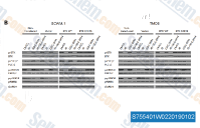
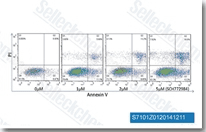
S7101 SCH772984 SCH772984 is a novel, specific inhibitor of ERK1/2 with IC50 values of 4 nM and 1 nM in cell-free assay, respectively, And show robust efficacy in RAS- or BRAF-mutant cancer cells.
Cancer Cell, 2025, S1535-6108(25)00271-5
Nat Commun, 2025, 16(1):8409
Nat Commun, 2025, 16(1):4201
Verified customer review of SCH772984
S7554 Ravoxertinib (GDC-0994) Ravoxertinib (GDC-0994) is a potent, orally available and highly selective ERK1/2 inhibitor, with IC50 values of 1.1 nM and 0.3 nM, respectively. This compound is currently in Phase 1.
Cell Host Microbe, 2025, 33(4):512-528.e7
Cell Rep Med, 2025, 6(8):102284
J Exp Clin Cancer Res, 2025, 44(1):68
Verified customer review of Ravoxertinib (GDC-0994)
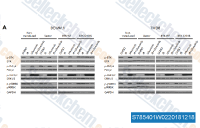
S7854 Ulixertinib (BVD-523) Ulixertinib (BVD-523, VRT752271) is a potent and reversible ERK1/ERK2 inhibitor with IC50 of <0.3 nM for ERK2. This compound is in Phase 1.
Cancer Cell, 2025, S1535-6108(25)00406-4
J Exp Clin Cancer Res, 2025, 44(1):269
EBioMedicine, 2025, 118:105828
Verified customer review of Ulixertinib (BVD-523)
S8534 Temuterkib (LY3214996) Temuterkib (LY3214996) is a selective and novel ERK1/2 inhibitor with IC50 of 5 nM for both enzymes in biochemical assays, and it potently inhibits cellular phospho-RSK1 in BRAF and RAS mutant cancer cell lines.
Fluids Barriers CNS, 2025, 22(1):8
Int Immunopharmacol, 2025, 153:114479
J Mol Cell Cardiol Plus, 2025, 12:100300
S7524 FR 180204 FR 180204 is an ATP-competitive, selective ERK inhibitor with Ki of 0.31 μM and 0.14 μM for ERK1 And ERK2, respectively. It is 30-fold less potent against the related kinase p38α and failed to inhibit any kinases(MEK1, MKK4, IKKα, PKCα, Src, Syc, and PDGFα) at less than 30 μM.
Cell Res, 2025, 10.1038/s41422-025-01085-9
Biomaterials, 2025, 317:123090
Nat Commun, 2024, 15(1):10170
Verified customer review of FR 180204
S7525 XMD8-92 XMD8-92 is a potent and selective dual inhibitor of big map kinase (BMK1, ERK5) and bromodomain-containing proteins (BRDs, BET) with Kd of 80 nM and 170 nM for ERK5 and BRD4(1), respectively.
Stem Cell Reports, 2024, S2213-6711(24)00216-9
Mol Biol Rep, 2024, 51(1):313
Nat Commun, 2023, 10.1038/s41467-023-43369-x
Verified customer review of XMD8-92
S7709 VX-11e VX-11e (VTX-11e, Vertex-11e) is a potent, selective, and orally bioavailable ERK inhibitor with IC50 of 17 nM (ERK1) and 15 nM (ERK2), over 200-fold selective over other kinases tested.
J Biol Chem, 2025, 301(3):108183
Nat Commun, 2024, 15(1):2581
Nat Commun, 2024, 15(1):7037
S8708 AZD0364 (ATG-017) AZD0364 (ATG-017) is a pre-clinical ERK1/2 inhibitor with an IC50 of 0.6 nM for ERK2.
Nature, 2024, 629(8013):927-936
Elife, 2024, 12RP91507
J Clin Biochem Nutr, 2024, 74(2):97-107
S7334 ERK5-IN-1 ERK5-IN-1 (XMD17-109) is a potent, and selective ERK5 inhibitor with IC50 of 162 nM.
JCI Insight, 2024, 9(10)e164191
Nat Commun, 2023, 14(1):3364
J Med Chem, 2021, 10.1021/acs.jmedchem.1c01096
Verified customer review of ERK5-IN-1
S8701 MK-8353 (SCH900353) An orally bioavailable, selective, and potent ERK inhibitor, MK-8353 (SCH900353) inhibits activated ERK1 and ERK2 in vitro, with IC50 values of 23.0 nM and 8.8 nM, respectively (IMAP kinase assay), and nonactivated ERK2, with an IC50 of 0.5 nM (MEK1-ERK2-coupled assay).
J Exp Clin Cancer Res, 2023, 42(1):75
Life Sci Alliance, 2023, 6(8)e202201685
S7921 DEL-22379 DEL-22379 is a water-soluble ERK dimerization inhibitor with IC50 of ∼0.5 μM.
Cells, 2022, 11(3)425
Front Mol Biosci, 2022, 9:1030725
S3901 Astragaloside IV Astragaloside IV (AST-IV, AS-IV) is a bioactive saponin first isolated from the dried plant roots of the genus Astragalus, which is used in traditional Chinese medicine. It has various effect on the cardiovascular, immune, digestive, and nervous systems. AS-IV suppresses activation of p-Akt, p-mTOR, p-NF-κB and p-Erk1/2.
Cell Transplant, 2023, 32:9636897231198167
Cell Cycle, 2022, 1-14
S8569 KO-947 KO-947 is a potent and selective inhibitor of ERK1/2 kinases. This compound blocks ERK signaling and proliferation of tumor cells exhibiting dysregulation of MAPK pathway signaling at low nanomolar concentrations.
Phytomedicine, 2022, 98:153963
CNS Neurosci Ther, 2022, 10.1111/cns.13945
Front Endocrinol (Lausanne), 2022, 13:896753
S9102 Magnolin Magnolin is a natural compound abundantly found in Magnolia flos targeting ERK1 (IC50=87 nM) and ERK2 (IC50=16.5 nM) and inhibits cell transformation induced by tumor promoters such as epidermal growth factor (EGF).
Cell Rep, 2023, 42(4):112294
Cell Adhesion & Migration, 2023, 17(1)
Connect Tissue Res, 2020, 1-10
S7752 Pluripotin (SC1) Pluripotin (SC1) is a dual inhibitor of extracellular signal-regulated kinase 1 (ERK1, MAPK3) and RasGAP that maintains embryonic stem cell (ESC) self-renewal. It also inhibits RSK1, RSK2, RSK3 and RSK4 with IC50 of 0.5 µM, 2.5 µM, 3.3 µM and 10.0 µM, respectively.
J Clin Biochem Nutr, 2024, 74(2):97-107
Antiviral Res, 2018, 157:57-67
Reprod Domest Anim, 2018, 53(5):1052-1059
S8801 CC-90003 CC-90003 is an irreversible inhibitor of ERK1/2 with IC50s in the 10-20 nM range and shows good kinase selectivity in a 258-kinase biochemical assay.
Cancer Res Commun, 2024, 10.1158/2767-9764.CRC-24-0221
Cell Death Discov, 2021, 7(1):375
S8896 BAY-885 BAY-885 is a highly potent and selective ERK5 inhibitor.
Bioengineered, 2022, 13(5):12888-12898
S6596 AG-126 AG126 is a tyrosine kinase inhibitor which selectively inhibits the phosphorylation of ERK1 (p44) and ERK2 (p42) at 25-50 μM.
J Immunol, 2019, 203(12):3225-3236
S0911 Hypaphorine Hypaphorine which is abundantly found in vaccaria semen, counteracts inflammation via inhibition of ERK or/and NFκB signaling pathways.
S0726 XMD8-85 (ERK5-IN-1) XMD8-85 (ERK5-IN-1) is a selective and potent inhibitor of ERK5 and LRRK2 with IC50s of 0.162 μM and 0.339 μM, respectively.
S9975 ASN007 ASN007(ERAS 007, ERK-IN-3) is a potent and orally active inhibitor of ERK. ERK-IN-3 inhibits ERK1/2 with 2 nM IC50 values. ERK-IN-3 can be used for the research of cancers driven by RAS mutations.
S0872 ASTX-029 ASTX-029 is an orally bioavailable inhibitor of the extracellular signal-regulated kinases (ERK) 1 and 2, with potential antineoplastic activity. This compound inhibits ERK-dependent tumor cell proliferation and survival.
E1906 AX-15836 AX-15836 is a potent and selective inhibitor of ERK5 with an IC50 of 8 nM. It can be used to study number of biological processes.
E5898New SKLB-D18 SKLB-D18 is a first-in-class, potent, and selective inhibitor of ERK1/2 and ERK5 with an IC50's of 38.69 nM, 40.12 nM, and 59.72 nM, respectively, that also acts as an agonist of autophagy. It modulates mTOR/p70S6K and NCOA4-mediated ferroptosis, showing strong anti-tumor activity and offering a promising monotherapy strategy to overcome resistance in ERK1/2-targeted therapy for triple-negative breast cancer (TNBC).
S6177 CP 43 Cp 43 (Compound 43, TAO Kinase inhibitor 1, TAOK inhibitor 43) is a ATP-competitive and selective TAO Kinase inhibitor with IC50s of 11 nM and 15 nM for TAOK1 and TAOK2, respectively.
E7772 Ulixertinib hydrochloride Ulixertinib hydrochloride (BVD-523 hydrochloride, VRT752271 hydrochloride) is a highly selective, ATP-competitive, and reversible covalent inhibitor of ERK1/2 kinases, with an IC50 of <0.3 nM against ERK2. It also reduces A375 cell proliferation with an IC50 of 180 nM and inhibits phosphorylated ERK (pERK) and the downstream kinase RSK (pRSK) in the A375 melanoma cell line, with IC50 values of 4.1 μM and 0.14 μM, respectively.
S9306 Corynoxeine Corynoxeine, which could be isolated from Uncaria rhynchophylla, is a useful and prospective compound in the prevention and treatment for vascular diseases. It is a potent ERK1/2 inhibitor of key PDGF-BB-induced VSMC proliferation.
S6786 ERK5-IN-2 ERK5-IN-2 is an orally active, sub-micromolar, selective ERK5 inhibitor with IC50 of 0.82 μM and 3 μM for ERK5 and ERK5 MEF2D, respectively.
S1014 Bosutinib (SKI-606) Bosutinib is a novel, dual Src/Abl inhibitor with IC50 of 1.2 nM and 1 nM in cell-free assays, respectively. Bosutinib also effectively decreases the activity of PI3K/AKT/mTOR, MAPK/ERK and JAK/STAT3 signaling pathways by blocking the phosphorylation levels of p-ERK, p-S6, and p-STAT3. Bosutinib promotes autophagy.
J Exp Clin Cancer Res, 2025, 44(1):290
Blood Adv, 2025, bloodadvances.2024015364
Biochem Pharmacol, 2025, 242(Pt 4):117412
Verified customer review of Bosutinib (SKI-606)
S1531 BIX 02189 BIX02189 is a selective inhibitor of MEK5 with IC50 of 1.5 nM, also inhibits ERK5 catalytic activity with IC50 of 59 nM in cell-free assays, and does not inhibit closely related kinases MEK1, MEK2, ERK2, and JNK2.
PLoS One, 2024, 19(1):e0295629
Nat Commun, 2023, 10.1038/s41467-023-43369-x
Exp Mol Med, 2023, 55(6):1247-1257
Verified customer review of BIX 02189
S1396 Resveratrol (trans-Resveratrol) Resveratrol has a wide spectrum of targets including cyclooxygenases(i.e. COX, IC50=1.1 μM), lipooxygenases(LOX, IC50=2.7 μM), kinases, sirtuins and other proteins. It has anti-cancer, anti-inflammatory, blood-sugar-lowering and other beneficial cardiovascular effects. Resveratrol induces mitophagy/autophagy and autophagy-dependent apoptosis.
Aging Cell, 2025, e70075
Biomed Pharmacother, 2025, 190:118393
Breast Cancer Res, 2025, 27(1):186
Verified customer review of Resveratrol (trans-Resveratrol)
S3785 Notoginsenoside R1 Notoginsenoside R1 (Sanchinoside R1) is the main ingredient with cardiovascular activity in Panax notoginseng. It inhibits TNF-α-induced PAI-1 overexpression via extracellular signal-related kinases (ERK1/2) and phosphatidylinositol 3-kinase (PI3K)/protein kinase B (PKB) signaling pathways.
Food Sci Nutr, 2023, 11(12):7791-7802
J Ethnopharmacol, 2021, S0378-8741(21)00169-0
S9374 2',5'-Dihydroxyacetophenone 2',5'-Dihydroxyacetophenone (DHAP, 2-Acetylhydroquinone, Quinacetophenone) is a mixture of dihydroxyacetophenone isomers is used in food flavouring. This compound significantly inhibits NO production via the suppression of iNOS expression. It significantly decreases levels of the pro-inflammatory cytokines TNF-α and IL-6 by blocking the ERK1/2 and NF-κB signaling pathways.
Pathol Oncol Res, 2019, 25(1):301-309
S0454 Adjudin Adjudin (AF-2364), a potent male contraceptive, is a potent blocker of Cl⁻ channels. This compound exhibits anti-inflammatory properties by suppression of NF-κB p65 nuclear translocation and DNA binding activity as well as ERK MAPK phosphorylation.
Brain Res Bull, 2022, 182:80-89
S3242 Loureirin B Loureirin B (LB, LrB), a flavonoid extracted from Dracaena cochinchinensis, is an inhibitor of PAI-1 with IC50 of 26.10 μM. This compound downregulates p-ERK and p-JNK in TGF-β1-stimulated fibroblasts. It promotes insulin secretion mainly through increasing Pdx-1, MafA, intracellular ATP level, inhibiting the KATP current, influx of Ca2+ to the intracellular.
S0949 Cucurbitacin IIb Cucurbitacin IIb (CuIIb, Dihydrocucurbitacin F, 25-deacetyl hemslecin A) inhibits phosphorylation of STAT3, JNK and Erk1/2, enhances the phosphorylation of IκB and NF-κB, blocks nuclear translocation of NF-κB and decreases mRNA levels of IκBα and TNF-α. This compound exhibits anti-inflammatory activity and induces apoptosis. It is isolated from Hemsleya amabilis.
S4884 Trans-Zeatin Trans-Zeatin ((E)-Zeatin) is the member of the plant growth hormone family known as cytokinins, which regulate cell division, development, and nutrient processing. This compound inhibits UVB-induced MMP-1 expression, c-Jun activation and phosphorylation of ERK, JNK and p38 MAP kinases (MAPKs) dose-dependently.
S4953 Usnic acid Usnic acid (Usniacin) is a furandione found uniquely in lichen that is used widely in cosmetics, deodorants, toothpaste and medicinal creams as well as some herbal products. It exhibits antiviral, antiprotozoal, antiproliferative, anti-inflammatory and analgesic activity. This compound inhibits breast tumor angiogenesis and growth by suppressing VEGFR2-mediated AKT and ERK1/2 signaling pathways.
E1959New RMC-4998 RMC-4998 is a tri-complex inhibitor that selectively targets the GTP-bound state of mutant KRASG12C, with high potency for KRASG12C-CYPA tri-complex formation with an IC50 of 28 nM. It strongly inhibits ERK signaling with an IC50 of 1–10 nM and attenuates AKT/MTOR and RAL pathways, leading to potent suppression of KRASG12C-driven tumor growth and can used in cancer research.
S6920 SEA0400 SEA0400 is a selective and potent inhibitor of the Na+-Ca2+ exchanger (NCX) that inhibits Na+-dependent Ca2+ uptake in cultured neurons, astrocytes, and microglia with IC50 of 33 nM, 5.0 nM and 8.3 nM, respectively. This compound prevents sodium nitroprusside (SNP) from increasing ERK and p38 MAPK phosphorylation and production of reactive oxygen species (ROS) in an extracellular Ca(2+)-dependent manner.
S6882 HI-TOPK-032 HI-TOPK-032 is a potent and specific inhibitor of TOPK. This compound also reduces ERK-RSK phosphorylation, regulates of the abundance of p53, cleaved caspase-7, and cleaved PARP, and induces apoptosis in cancer cells.
E0102 I-191 I-191 is a potent PAR2 antagonist that inhibits multiple PAR2-induced signaling pathways and functional responses. This compound also inhibits ERK1/2 phosphorylation, RhoA activation, and inhibition of forskolin-stimulated cAMP accumulation induced by micromolar concentrations of biased ligand GB88.
Front Immunol, 2024, 15:1477072
S3292 (3R,8S)-Falcarindiol Falcarindiol (FAD, (3R,8S)-Falcarindiol, FaDOH) is a natural polyacetylene compound found rich in many plants of the Umbelliferae family. Falcarindiol suppresses LPS-stimulated expression of inducible nitric oxide synthase (iNOS), tumor necrosis factor alpha (TNFα), interleukin-6 (IL-6), and interleukin-1 beta (IL-1β). Falcarindiol attenuates the LPS-induced activation of JNK, ERK, STAT1, and STAT3 signaling molecules.
Antioxidants (Basel), 2024, 13(12)1533
Front Cell Infect Microbiol, 2023, 13:1128000
Front Pharmacol, 2021, 12:656697
S9075 Mulberroside A Mulberroside A, isolated from the ethanol extract of Morus alba roots, is widely employed as an active ingredient in cosmetic products due to its anti-tyrosinase and anti-oxidant activities. This compound decreases the expressions of TNF-α, IL-1β and IL-6 and inhibits the activation of NALP3, caspase-1 and NF-κB and the phosphorylation of ERK, JNK and p38.
S9665 Motixafortide (BKT140) Motixafortide (BL-8040, BKT140, TF 14016, 4-fluorobenzoyl, 4F-benzoyl-TN14003, T140) is an antagonist of CXCR4 with IC50 of ~1 nM. BL-8040 induces the apoptosis of AML blasts by down-regulating ERK, BCL-2, MCL-1 and cyclin-D1 via altered miR-15a/16-1 expression.
King's College London, 2023,
S3138 Methylthiouracil Methylthiouracil (NSC-193526, NSC-9378,MTU) is an antithyroid agent. This compound suppresses the production TNF-α and IL-6, and the activation of NF-κB and ERK1/2.
S8831 MRTX-1257 MRTX-1257 is a potent, selective, irreversible, covalent and orally active inhibitor of KRAS G12C with IC50 of 900 pM for KRAS dependent ERK phosphorylation in H358 cells.
S1321 Urolithin B Urolithin B inhibits NF-κB activity by reducing the phosphorylation and degradation of IκBα. This compound suppresses the phosphorylation of JNK, ERK, and Akt, and enhances the phosphorylation of AMPK. It is also a regulator of skeletal muscle mass.
PLoS Pathog, 2025, 21(8):e1013401
S3275 Senkyunolide I Senkyunolide I (SEI, SENI) is an orally active compound isolated from Ligusticum chuanxiong with analgesic, anti-migraine, neuroprotective, anti-oxidation and anti-apoptosis activities. This compound up-regulates the phosphorylation of Erk1/2 and induces Nrf2 nuclear translocation with enhanced HO-1 and NQO1 expressions. It also promotes the ratio of Bcl-2/Bax and inhibits the expressions of cleaved caspase 3 and caspase 9.
Blood Sci, 2025, 7(3):e00246
iScience, 2024, 27(7):110367
World J Emerg Med, 2024, 15(3):206-213
E3276 Red Ginseng Extract Red Ginseng Extract is derived from Red Ginseng, which can increase the human body's anti-inflammatory and anticancer immunity.
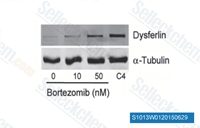
S1013 Bortezomib Bortezomib is a potent 20S proteasome inhibitor with Ki of 0.6 nM. It exhibits favorable selectivity towards tumor cells over normal cells. This compound inhibits NF-κB and induces ERK phosphorylation to suppress cathepsin B and inhibit the catalytic process of autophagy in ovarian cancer and other solid tumors.
J Proteomics, 2026, 322:105536
Signal Transduct Target Ther, 2025, 10(1):81
Cell Host Microbe, 2025, 33(4):512-528.e7
Verified customer review of Bortezomib
S3940 3'-Hydroxypterostilbene 3'-Hydroxypterostilbene (3'-HPT) is one of the active constituents of Sphaerophysa salsula and Pterocarpus marsupium which may be useful in treating different types of haematological malignancies. This compound, a natural pterostilbene analogue, effectively inhibits the growth of human colon cancer cells (IC50s of 9.0, 40.2, and 70.9 µM for COLO 205, HCT-116, and HT-29 cells, respectively) by inducing apoptosis and autophagy. It inhibits the PI3K/Akt/mTOR/p70S6K, and p38MAPK pathways and activates the ERK1/2, JNK1/2 MAPK pathways.
Int J Mol Sci, 2024, 25(18)9990
S9698 Ezatiostat Ezatiostat, a tripeptide analog of glutathione, is a peptidomimetic inhibitor of Glutathione S-transferase P1-1 (GSTP1-1). This compound activates c-Jun NH2 terminal kinase (JNK1) and ERK1/ERK2 and induces apoptosis.
S6760 LM22B-10 LM22B-10 is a small molecule TrkB/TrkC neurotrophin receptor co-activator. This compound selectively activates TrkB, TrkC, AKT and ERK in vivo and in vitro.
Theranostics, 2024, 14(4):1561-1582
Int J Mol Sci, 2024, 25(4)2408
Sci Rep, 2024, 14(1):12090
E2660 Pamoic acid disodium Pamoic acid disodium, a potent GPR35 agonist with an EC50 value of 79 nM, induces GPR35a internalization and activates ERK1/2 with EC50 values of 22 nM and 65 nM, respectively, also potently recruits β-arrestin2 to GPR35 showing an antinociceptive effect.
Poult Sci, 2025, 104(2):104761
E2203 DMU-212 DMU-212 is a methylated derivative of Resveratrol, with antimitotic, anti-proliferative, antioxidant and apoptosis promoting activities, which can induce mitotic arrest via induction of apoptosis and activation of extracellular-signal-regulated kinase1/2 (ERK1/2) protein.
Blood Sci, 2023, 5(3):160-169
S0881 Mitochonic acid 5 (MA-5) Mitochonic acid 5 (MA-5) reduces mitochondrial apoptosis via upregulation of mitophagy, regulates mitophagy via Bnip3 through the MAPK-ERK-Yap signaling pathway, and modulates mitochondrial ATP synthesis.
Front Cell Dev Biol, 2025, 13:1583951
Animals (Basel), 2024, 14(3):368.
Animals (Basel), 2024, 14(3)368
S8961 Alobresib (GS-5829) Alobresib (GS-5829) is a novel BET inhibitor that represents a highly effective therapeutics agent against recurrent/chemotherapy-resistant USC-overexpressing c-Myc. This compound inhibits CLL cell proliferation and induces leukemia cell apoptosis through deregulation of key signaling pathways, such as BLK, AKT, ERK1/2, and MYC. It also inhibits NF-κB signaling.
S3284 Tracheloside Tracheloside is a lignan glycoside isolated from seeds of Carthamus tinctorius with anti-estrogenic effects. This compound significantly decreases the activity of alkaline phosphatase (AP) (an estrogen-inducible marker enzyme) with IC50 of 0.31 μg/ml. It promotes keratinocyte proliferation through ERK1/2 stimulation.
E5898New SKLB-D18 SKLB-D18 is a first-in-class, potent, and selective inhibitor of ERK1/2 and ERK5 with an IC50's of 38.69 nM, 40.12 nM, and 59.72 nM, respectively, that also acts as an agonist of autophagy. It modulates mTOR/p70S6K and NCOA4-mediated ferroptosis, showing strong anti-tumor activity and offering a promising monotherapy strategy to overcome resistance in ERK1/2-targeted therapy for triple-negative breast cancer (TNBC).
E1959New RMC-4998 RMC-4998 is a tri-complex inhibitor that selectively targets the GTP-bound state of mutant KRASG12C, with high potency for KRASG12C-CYPA tri-complex formation with an IC50 of 28 nM. It strongly inhibits ERK signaling with an IC50 of 1–10 nM and attenuates AKT/MTOR and RAL pathways, leading to potent suppression of KRASG12C-driven tumor growth and can used in cancer research.

Signaling Pathway Map

Mechanism of Action: Targeting ERK in the MAPK Pathway

The ERK pathway (also known as the Raf-MEK-ERK pathway) operates through a sequential phosphorylation cascade: upstream signals activate Raf kinases, which phosphorylate and activate MEK (mitogen-activated protein kinase kinase) 1/2, and activated MEK then phosphorylates ERK1/2. Phosphorylated ERK (p-ERK) translocates to the nucleus, where it phosphorylates a variety of transcription factors (e.g., ELK1, c-Myc) and regulatory proteins, ultimately modulating gene expression. ERK inhibitors disrupt this cascade by targeting ERK1/2, the terminal kinase in the pathway, distinguishing them from upstream inhibitors targeting Raf or MEK. This unique targeting position endows ERK inhibitors with distinct advantages, particularly in overcoming resistance to upstream inhibitors.

Direct ERK Inhibition: Competing with ATP and Blocking Phosphorylation

Most clinically advanced ERK inhibitors act as ATP-competitive inhibitors, binding to the ATP-binding pocket of ERK1/2 to prevent MEK-mediated phosphorylation and subsequent activation. Unlike MEK inhibitors, which block ERK activation indirectly, direct ERK inhibitors can also suppress the activity of constitutively active ERK mutants (e.g., ERK2) that emerge as resistance mechanisms to MEK inhibition. Additionally, some ERK inhibitors exhibit "dual-action" properties: in addition to blocking kinase activity, they promote the degradation of activated ERK through ubiquitin-proteasome pathways. Preclinical studies demonstrate that this dual mechanism enhances inhibitory efficacy, as it not only prevents ERK activation but also reduces the pool of active ERK molecules, minimizing the risk of pathway reactivation.

1.2 Indirect ERK Modulation: Targeting Scaffold Proteins and Substrates

A growing area of research focuses on indirect ERK inhibitors that target proteins involved in ERK localization, scaffolding, or substrate interaction, rather than the kinase domain itself. For example, scaffold proteins such as KSR1 (kinase suppressor of Ras) facilitate the assembly of the Raf-MEK-ERK complex, enhancing pathway activation. Inhibitors targeting KSR1 disrupt complex formation, reducing ERK phosphorylation without directly binding to ERK. Another strategy involves targeting ERK-substrate interactions: small molecules that bind to the docking domain of ERK can block its interaction with specific transcription factors, allowing for selective modulation of ERK-dependent gene expression. This indirect approach offers potential for reduced off-target effects, as it targets context-specific ERK functions rather than global kinase activity.

Interactions with MEK and AKT: Synergy and Resistance Modulation

The ERK pathway does not operate in isolation; it crosstalks extensively with other signaling cascades, most notably the PI3K-AKT pathway. Additionally, as MEK is the immediate upstream activator of ERK, the interaction between ERK and MEK inhibitors is critical for therapeutic efficacy. Understanding these interactions is essential for optimizing ERK inhibitor-based therapies and overcoming resistance.

ERK-MEK Feedback Loops and Combination Therapy

A key challenge in targeting the ERK pathway is the presence of negative feedback loops between ERK and MEK. For instance, activated ERK phosphorylates and inhibits Raf, creating a negative feedback that restrains pathway activity. MEK inhibitors disrupt this feedback, leading to paradoxical activation of Raf and subsequent ERK reactivation—a major mechanism of resistance. ERK inhibitors, by contrast, directly suppress ERK activity without disrupting the feedback loop, making them effective in overcoming MEK inhibitor resistance. Preclinical and clinical studies show that combining ERK and MEK inhibitors synergistically suppresses pathway activation, as MEK inhibitors block ERK activation upstream and ERK inhibitors prevent residual or reactivated ERK activity. This combination strategy has shown promise in cancers with BRAF or RAS mutations, such as melanoma and colorectal cancer.

Crosstalk with the AKT Pathway: Implications for Therapy

The ERK and AKT pathways exhibit extensive crosstalk, with mutual activation or inhibition influencing therapeutic response. For example, inhibition of ERK can lead to upregulation of the PI3K-AKT pathway through increased expression of growth factor receptors (e.g., EGFR) or activation of downstream adaptor proteins. This compensatory AKT activation reduces the efficacy of ERK inhibitors, particularly in cancers with coexisting mutations in PI3K pathway components. Conversely, AKT inhibition can enhance ERK inhibitor efficacy by blocking this compensatory pathway. Preclinical models of pancreatic cancer and non-small cell lung cancer (NSCLC) demonstrate that combining ERK inhibitors with AKT inhibitors or PI3K inhibitors significantly reduces tumor growth compared to single-agent therapy. Additionally, biomarkers of AKT pathway activation (e.g., phosphorylated AKT, PTEN loss) may predict response to combination therapy, highlighting the need for personalized approaches.

Common ERK Inhibitors: Preclinical Research and Clinical Progress

A variety of ERK inhibitors have been developed and advanced through preclinical and clinical research, serving as important tools for exploring ERK pathway biology and potential therapeutic agents for pathway-dysregulated diseases. Among these, compounds such as SCH772984, ulixertinib (SCH900353), and KO-947 have been widely studied, providing critical insights into the mechanism of action, efficacy, and resistance of ERK inhibitors, and laying the foundation for the development of subsequent inhibitors.

SCH772984: A Classic Tool Compound for Mechanistic Research

SCH772984 is a potent, selective ATP-competitive inhibitor of ERK1/2 (IC values of 4 nM and 1 nM for ERK1 and ERK2, respectively) that has become a widely used tool compound in preclinical research. Studies using SCH772984 have elucidated key aspects of ERK function, including its role in cell cycle progression, apoptosis, and epithelial-mesenchymal transition (EMT). For example, SCH772984 treatment induces G1 cell cycle arrest and apoptosis in BRAF-mutant melanoma cells, while reducing EMT and metastasis in NSCLC models. Additionally, SCH772984 has been used to identify resistance mechanisms, such as mutations in the ERK ATP-binding pocket (e.g., ERK2) and upregulation of the IGF-1R-AKT pathway. These findings have guided the design of next-generation ERK inhibitors with improved resistance profiles.

Ulixertinib (SCH900353): From Preclinical Efficacy to Clinical Trials

Ulixertinib (SCH900353) is an orally bioavailable ERK inhibitor derived from SCH772984, optimized for clinical use with enhanced pharmacokinetic properties and reduced off-target activity. Preclinical studies show that ulixertinib effectively suppresses ERK phosphorylation in a variety of cancer models, including those resistant to BRAF or MEK inhibitors. Early-phase clinical trials (Phase I/II) in patients with advanced solid tumors (e.g., melanoma, colorectal cancer, NSCLC) harboring RAS or BRAF mutations demonstrated promising efficacy: objective response rates (ORR) of 15-20% and disease control rates (DCR) of 50-60% in heavily pretreated patients. Common adverse events included fatigue, diarrhea, and rash, which were manageable with dose adjustments. However, acquired resistance remains a challenge, with studies identifying mutations in ERK2 and activation of alternative signaling pathways (e.g., MAPKAPK2) as key mechanisms. Ongoing trials are exploring ulixertinib in combination with MEK inhibitors, AKT inhibitors, and immunotherapies to improve outcomes.

KO-947: A Promising ERK Inhibitor with Unique Pharmacological Profiles

KO-947 is another notable ERK inhibitor that has garnered attention in preclinical and early clinical research due to its high selectivity and favorable pharmacokinetic properties. As a potent ATP-competitive inhibitor of ERK1/2, KO-947 exhibits low nanomolar IC values (IC50 for ERK1: ~2 nM; ERK2: ~1 nM), comparable to other leading ERK inhibitors, but with minimal cross-reactivity with other kinase families, which contributes to its improved safety profile in preclinical models. A key feature of KO-947 is its ability to penetrate the blood-brain barrier (BBB), a property rarely observed in first-generation ERK inhibitors. This makes it a particularly promising candidate for the treatment of central nervous system (CNS) metastases, which are common in cancers such as melanoma and NSCLC and often refractory to conventional therapies.
In conclusion, ERK inhibitors have emerged as valuable tools in biomedical research and promising therapeutic agents for diseases driven by ERK pathway dysregulation. Their unique mechanism of action, particularly in overcoming resistance to upstream inhibitors, and synergistic potential with MEK or AKT inhibitors highlight their clinical relevance. Widely studied compounds such as SCH772984, ulixertinib, and KO-947 have been instrumental in advancing our understanding of ERK biology and inhibitor development, with ulixertinib and KO-947 paving the way for clinical application—especially KO-947's potential in treating CNS metastases. Future research will focus on optimizing combination strategies, identifying predictive biomarkers, and developing next-generation inhibitors to overcome resistance, further unlocking the therapeutic potential of ERK targeting.