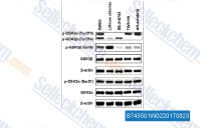
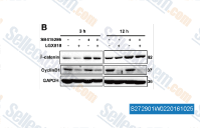
GSK-3 inhibitors

GSK-3 inhibitors have emerged as promising tools in biomedical research, offering profound insights into the complex signaling networks regulated by glycogen synthase kinase (GSK)-3 and holding potential for therapeutic development across a spectrum of diseases, including neurodegenerative disorders, cancer, and type 2 diabetes. Glycogen synthase kinase-3, a serine/threonine kinase, exists in two major isoforms (GSK-3α and GSK-3β) that share high sequence homology but exhibit distinct tissue distribution and functional specificities, with GSK-3β being the more extensively studied isoform in pathological processes. As key regulators of numerous cellular pathways, GSK-3 enzymes modulate processes such as glycogen metabolism, cell cycle progression, apoptosis, and gene transcription by phosphorylating a diverse array of substrates. The development and application of GSK-3 inhibitors have thus become central to deciphering the intricate mechanisms underlying GSK-3-mediated signaling and exploring its therapeutic relevance.

Isoform-selective Products

  • All (39)
  • GSK-3 Inhibitors (37)
  • GSK-3 Activator (1)
  • New GSK-3 Products
Cat.No. Product Name Information Product Use Citations Product Validations
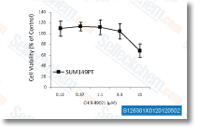
S1263 CHIR-99021 (Laduviglusib) Laduviglusib (CHIR-99021, CT99021) is a GSK-3α and GSK-3β inhibitor with IC50 values of 10 nM and 6.7 nM, respectively. It does not exhibit cross-reactivity against cyclin-dependent kinases (CDKs) and shows a 350-fold selectivity toward GSK-3β compared to CDKs. This compound functions as a Wnt/β-catenin activator and induces autophagy.
Cancer Cell, 2025, 43(4):776-796.e14
Circulation, 2025, 151(20):1436-1448
Verified customer review of CHIR-99021 (Laduviglusib)
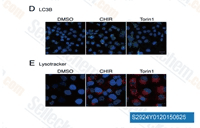
S2924 Laduviglusib (CHIR-99021) Hydrochloride Laduviglusib (CHIR-99021; CT99021) HCl is hydrochloride of CHIR-99021, which is a GSK-3α/β inhibitor with IC50 of 10 nM/6.7 nM; CHIR-99021 shows greater than 500-fold selectivity for GSK-3 versus its closest homologs Cdc2 and ERK2. CHIR-99021 is a potent pharmacological activators of the Wnt/beta-catenin signaling pathway. CHIR-99021 significantly rescues light-induced autophagy and augments GR, RORα and autophagy-related proteins.
Cell, 2025, 188(11):2974-2991.e20
Cell, 2025, S0092-8674(25)00807-4
Protein Cell, 2025, pwaf098
Verified customer review of Laduviglusib (CHIR-99021) Hydrochloride
S1075 SB216763 SB216763 is a potent and selective GSK-3 inhibitor with IC50 of 34.3 nM for GSK-3α and equally effective at inhibiting human GSK-3β. This compound activates autophagy.
iScience, 2025, 28(11):113642
iScience, 2025, 28(8):113117
Oncol Rep, 2025, 54(4)125
Verified customer review of SB216763
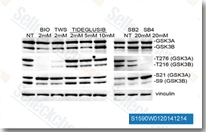
S1590 TWS119 TWS119 is a GSK-3β inhibitor with IC50 of 30 nM in a cell-free assay; this compound is capable of inducing neuronal differentiation and may be useful to stem cell biology. GSK-3β inhibition by this chemical triggers autophagy.
Discov Oncol, 2025, 16(1):364
Nat Commun, 2024, 15(1):2089
Sci Rep, 2024, 14(1):5038
Verified customer review of TWS119
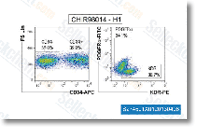
S2745 CHIR-98014 CHIR-98014 (CT98014) is a potent GSK-3α/β inhibitor with IC50 of 0.65 nM/0.58 nM in cell-free assays, with the ability to distinguish GSK-3 from its closest homologs Cdc2 and ERK2.
Med Oncol, 2025, 42(8):333
Stem Cell Res, 2025, 87:103797
Commun Med (Lond), 2025, 5(1):323
Verified customer review of CHIR-98014
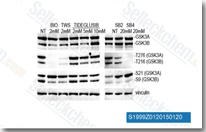
S7198 BIO BIO (GSK-3 Inhibitor IX, 6-bromoindirubin-3-oxime, 6-Bromoindirubin-3'-oxime, MLS 2052) is a specific inhibitor of GSK-3 with IC50 of 5 nM for GSK-3α/β in a cell-free assay, shows >16-fold selectivity over CDK5, also a pan-JAK inhibitor with IC50 of 30 nM for Tyk2. This compound induces apoptosis in human melanoma cells.
Cell Rep, 2025, 44(3):115361
Development, 2025, 152(3)DEV204214
bioRxiv, 2025, 2025.04.11.648340
Verified customer review of BIO
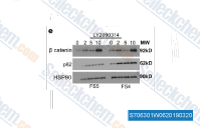
S7063 LY2090314 LY2090314 is a potent GSK-3 inhibitor for GSK-3α/β with IC50 of 1.5 nM/0.9 nM; may improve the efficacy of platinum-based chemotherapy regimens. This compound is highly selective towards GSK3 as demonstrated by its fold selectivity relative to a large panel of kinases.
Cell Mol Gastroenterol Hepatol, 2026, 20(1):101633
Cancer Cell, 2025, 43(4):776-796.e14
Cell Rep, 2025, 44(5):115617
Verified customer review of LY2090314
S2823 Tideglusib Tideglusib is an irreversible, non ATP-competitive GSK-3β inhibitor with IC50 of 60 nM in a cell-free assay; this compound fails to inhibit kinases with a Cys homologous to Cys-199 located in the active site. Phase 2.
Addict Biol, 2025, 30(5):e70044
Cell Rep, 2024, 43(9):114667
SLAS Discov, 2024, S2472-5552(24)00007-8
Verified customer review of Tideglusib
S2729 SB415286 SB415286 is a potent GSK3α inhibitor with IC50/Ki of 78 nM/31 nM with equally effective inhibition of GSK-3β. This compound causes MM cell growth arrest and apoptosis.
bioRxiv, 2025, 2025.03.08.642085
Front Immunol, 2022, 13:880988
Sci Rep, 2022, 12(1):7
Verified customer review of SB415286
S7435 AR-A014418 AR-A014418 (GSK-3β Inhibitor VIII) is an ATP-competitive, and selective GSK3β inhibitor with IC50 and Ki of 104 nM and 38 nM in cell-free assays, without significant inhibition on 26 other kinases tested.
Cancer Med, 2025, 14(5):e70047
NPJ Precis Oncol, 2024, 8(1):264
Commun Biol, 2024, 7(1):1380
Verified customer review of AR-A014418
S7193 1-Azakenpaullone 1-Azakenpaullone (1-Akp) is a potent and selective GSK-3β inhibitor with IC50 of 18 nM, >100-fold selectivity over CDK1/cyclin B and CDK5/p25.
Environ Int, 2025, 204:109820
EMBO Rep, 2024, 25(5):2188-2201
Exp Neurol, 2023, 359:114233
Verified customer review of 1-Azakenpaullone
S7566 IM-12 IM-12 is a selective GSK-3β inhibitor with IC50 of 53 nM, and this compound also enhances canonical Wnt signalling.
Front Pharmacol, 2025, 16:1496511
Discov Oncol, 2025, 16(1):901
Nat Commun, 2024, 15(1):668
Verified customer review of IM-12
S7954 CP21R7 CP21R7 is a potent and selective GSK-3β inhibitor that can potently activate canonical Wnt signalling.
Am J Transl Res, 2025, 17(10):8060-8075
J Nanobiotechnology, 2024, 22(1):373
iScience, 2024, 27(10):110862
S2926 TDZD-8 TDZD-8 (NP 01139) is a non-ATP competitive GSK-3β inhibitor with IC50 of 2 μM; minimal inhibitory effect observed on CDK1, casein kinase II, PKA and PKC.
Chin Med, 2025, 20(1):126
Int J Mol Sci, 2023, 24(17)13593
Verified customer review of TDZD-8
S7253 AZD2858 AZD2858 is a selective GSK-3 inhibitor with an IC50 of 68 nM, activating Wnt signaling, increases bone mass in rats.
Environ Mol Mutagen, 2024, 10.1002/em.22604
Sci Rep, 2022, 12(1):7
J Biol Chem, 2021, S0021-9258(21)00485-3
Verified customer review of AZD2858
S2386 Indirubin (NSC 105327) Indirubin (NSC 105327) is a potent cyclin-dependent kinases and GSK-3β inhibitor with IC50 of about 5 μM and 0.6 μM.
Front Oncol, 2025, 15:1486671
iScience, 2024, 27(10):110862
BMC Complement Med Ther, 2024, 24(1):28
Verified customer review of Indirubin (NSC 105327)
S7145 AZD1080 AZD1080 is a selective, orally active, brain permeable GSK3 inhibitor, inhibits human GSK3α and GSK3β with Ki of 6.9 nM and 31 nM, respectively, shows >14-fold selectivity against CDK2, CDK5, CDK1 and Erk2.
Oncogene, 2020, 39(20):4132-4154
Int J Mol Sci, 2020, 21(18)E6826
Carcinogenesis, 2020, 41(7):993-1004
S7915 BIO-acetoxime BIO-acetoxime (GSK-3 Inhibitor X) is a potent dual GSK3α/β inhibitor with IC50 of 10 nM, >240-fold selectivity over CDK5/p25, CDK2/cyclin A and CDK1/cyclin B.
Antioxidants (Basel), 2024, 13(4)424
Cancer Cell, 2017, 32(6):748-760
J Funct Foods, 2017, 10.1016/j.jff.2017.01.040
Verified customer review of BIO-acetoxime
S7722 Bikinin Bikinin is an ATP-competitive Arabidopsis GSK-3 inhibitor, and acts as a strong activator of brassinosteroid (BR) signaling.
Cell Rep, 2025, 44(4):115569
Cell Rep, 2023, 42(3):112187
Plant Physiol, 2022, kiac015
E3092 Paeoniae Radix Rubra Extract Paeoniae Radix Rubra Extract is obtained from Paeoniae Radix Rubra, prevents deep vein thrombosis by ameliorating inflammation through inhibiting GSK3β activity.
E0381 (E/Z)-GSK-3β inhibitor 1 (E/Z)-GSK-3β inhibitor 1 is a racemic compound of (E)-GSK-3β inhibitor 1 and (Z)-GSK-3β inhibitor 1 isomers, in which GSK-3β inhibitor 1 (compound 3a) is a glycogen synthase kinase 3β (GSK-3β) inhibitor with an IC50 of 4.19 nM.
E2819 PF-04802367 PF-04802367 (PF-367) is a highly selective Glycogen synthase kinase-3 (GSK-3) inhibitor with IC50s of 2.1 nM based on a recombinant human GSK-3β enzyme assay and 1.1 nM based on ADP-Glo assay.
E0072 Indirubin-3′-oxime Indirubin-3′-oxime (IDR3O, I3O) is an indirubin analogue that shows favorable inhibitory activity targeting GSK-3β and CDKs. This compound also inhibits JNKs with IC50s of 0.8 μM, 1.4 μM, and 1.0 μM for JNK1, JNK2, and JNK3, respectively. It activates Wnt/β-catenin signaling and inhibits adipocyte differentiation and obesity.
S5439 5-Bromoindole 5-bromoindole is an important pharmaceutical chemical intermediate and a potential inhibitor of glycogen synthase kinase 3 (GSK-3).
S6085 KY19382 (A3051) KY19382 (A3051) is a Wnt/β-catenin signalling activator through inhibitory effects on both CXXC5–DVL interaction and GSK3β activity with IC50s of 19 nM and 10 nM, respectively.
E4674 Cu(II)GTSM Cu(II)GTSM is a potent cell-permeable inhibitor of GSK3β that also inhibits Aβ oligomers and reduces tau phosphorylation. It shows potential as an anticancer and antimicrobial agent and may restore cognitive function by inhibiting neurotoxic Aβ trimers and phosphorylated tau.
S9602 Elraglusib Elraglusib(9-ING-41) is a potent inhibitor of glycogen synthase kinase-3 (GSK-3) with antitumor activity. 9-ING-41 induces apoptosis and cell cycle arrest at prophase by targeting centrosomes and microtubule-bound GSK3β.
E0798 WAY-119064 WAY-119064 is a potent glycogen synthase kinase-3β (GSK-3β) inhibitor with an IC50 value of 80.5 nM.
S9156 Chonglou Saponin VII Chonglou Saponin VII (Dioscinin, Polyphyllin-VII, Paris saponin-VII), a kind of steroidal saponins from Chonglou (Rhizoma Paridis Chonglou), inhibits EMT and reduces the invasion of ovarian cancer cells via the GSK-3β/β-catenin signaling pathway.
S9638 BRD0705 BRD0705 is a potent, paralog selective and orally active inhibitor of GSK3α (Glycogen synthase kinase 3α) with IC50 of 66 nM and Kd of 4.8 μM. This compound also inhibits GSK3β with IC50 of 515 nM. It can be used for acute myeloid leukemia (AML).
E7201 Ceftriaxone Ceftriaxone is a long-acting, broad-spectrum β-lactam, third-generation semisynthetic cephalosporin with broad-spectrum antibacterial activity against Gram-positive, Gram-negative, and some anaerobic bacteria. It also acts as a covalent inhibitor of GSK3β with an IC50 of 0.78 μM after 60 minutes of preincubation with the enzyme in vitro.
S1524 AT7519 AT7519 is a multi-CDK inhibitor for CDK1, 2, 4, 6 and 9 with IC50 of 10-210 nM. It is less potent to CDK3 and little active to CDK7. This compound also decrease GSK3β phosphorylation. It induces apoptosis. Phase 2.
Nat Struct Mol Biol, 2025, 10.1038/s41594-025-01517-5
Cell Rep Med, 2025, S2666-3791(25)00231-9
Nat Commun, 2024, 15(1):10028
Verified customer review of AT7519
S3238 Resibufogenin Resibufogenin (Bufogenin, Recibufogenin), a component of huachansu with anticancer effect, triggers necroptosis through upregulating receptor-interacting protein kinase 3 (RIP3) and phosphorylating mixed lineage kinase domain-like protein at Ser358. This compound exerts cytotoxic effect by inducing reactive oxygen species (ROS) accumulation. It induces apoptosis and caspase-3 and caspase-8 activity. This chemical increases Bax/Bcl-2 expression, and suppresses cyclin D1, cyclin E, PI3K, p-AKT, p-GSK3β and β-catenin protein expression.
bioRxiv, 2025, 2025.07.17.665404
Research Square, 2024, 10.21203/rs.3.rs-3790060/v1
Phytomedicine, 2022, 102:154182
E0474 7BIO 7-bromoindirubin-3-oxime (7BIO), an indirubin derivative derived from indirubin-3-oxime, possesses inhibitory effects against cyclin-dependent kinase-5 (CDK5) and glycogen synthase kinase-3β (GSK3β), also potently inhibits Aβ oligomer-induced neuroinflammation, synaptic impairments, tau hyper-phosphorylation, and activation of astrocytes and microglia.
S0765 MAZ51 MAZ51 is a potent and selective inhibitor of vascular endothelial growth factor receptor (VEGFR)-3 (Flt-4) tyrosine kinase. This compound induces cell rounding and G2/M cell cycle arrest in glioma cells through phosphorylation of Akt/GSK3β and activation of RhoA. It inhibits the proliferation and induces the apoptosis of a variety of non-VEGFR-3-expressing tumor cell lines.
Sci Rep, 2025, 15(1):1283
E5780 Laduviglusib trihydrochloride Laduviglusib (CHIR-99021) trihydrochloride is a potent and selective GSK-3α/β inhibitor with IC50s of 10 nM and 6.7 nM. This compound shows >500-fold selectivity for GSK-3 over CDC2, ERK2 and other protein kinases. It is also a potent Wnt/β-catenin signaling pathway activator. This chemical enhances mouse and human embryonic stem cells self-renewal. It induces autophagy.
E2821 RGB-286638 free base RGB-286638 free base is a Cyclin-dependent kinase (CDK) inhibitor that inhibits the kinase activity of cyclin T1-CDK9, cyclin B1-CDK1, cyclin E-CDK2, cyclin D1-CDK4, cyclin E-CDK3, and p35-CDK5 with IC50s of 1, 2, 3, 4, 5 and 5 nM, respectively; also inhibits GSK-3β, TAK1, Jak2 and MEK1, with IC50s of 3, 5, 50, and 54 nM.
S0354 Alsterpaullone Alsterpaullone (Alp, 9-Nitropaullone, NSC 705701) is a potent inhibitor of CDK with IC50 of 35 nM, 15 nM, 200 nM and 40 nM for CDK1/cyclin B, CDK2/cyclin A, CDK2/cyclin E and CDK5/p35, respectively. This compound also acts as a potent inhibitor of glycogen synthase kinase-3 (GSK-3) with IC50 of both 4 nM for GSK-3α and GSK-3β. It induces apoptosis by activation of caspase-9. This chemical has antitumor activity and possesses potential for the treatment of neurodegenerative and proliferative disorders.
Cell Mol Life Sci, 2025, 82(1):311
E7732 GNF4877 GNF4877 is an aminopyrazine and a potent inhibitor of GSK3β and DYRK1A with an IC50 of 16 nM and 6 nM, respectively. It blocks nuclear factor of activated T-cells (NFATc) nuclear export, promotes β-cell proliferation, and is useful for research on diabetes drug development.
S1263 CHIR-99021 (Laduviglusib) Laduviglusib (CHIR-99021, CT99021) is a GSK-3α and GSK-3β inhibitor with IC50 values of 10 nM and 6.7 nM, respectively. It does not exhibit cross-reactivity against cyclin-dependent kinases (CDKs) and shows a 350-fold selectivity toward GSK-3β compared to CDKs. This compound functions as a Wnt/β-catenin activator and induces autophagy.
Cancer Cell, 2025, 43(4):776-796.e14
Circulation, 2025, 151(20):1436-1448
Verified customer review of CHIR-99021 (Laduviglusib)
S2924 Laduviglusib (CHIR-99021) Hydrochloride Laduviglusib (CHIR-99021; CT99021) HCl is hydrochloride of CHIR-99021, which is a GSK-3α/β inhibitor with IC50 of 10 nM/6.7 nM; CHIR-99021 shows greater than 500-fold selectivity for GSK-3 versus its closest homologs Cdc2 and ERK2. CHIR-99021 is a potent pharmacological activators of the Wnt/beta-catenin signaling pathway. CHIR-99021 significantly rescues light-induced autophagy and augments GR, RORα and autophagy-related proteins.
Cell, 2025, 188(11):2974-2991.e20
Cell, 2025, S0092-8674(25)00807-4
Protein Cell, 2025, pwaf098
Verified customer review of Laduviglusib (CHIR-99021) Hydrochloride
S1075 SB216763 SB216763 is a potent and selective GSK-3 inhibitor with IC50 of 34.3 nM for GSK-3α and equally effective at inhibiting human GSK-3β. This compound activates autophagy.
iScience, 2025, 28(11):113642
iScience, 2025, 28(8):113117
Oncol Rep, 2025, 54(4)125
Verified customer review of SB216763
S1590 TWS119 TWS119 is a GSK-3β inhibitor with IC50 of 30 nM in a cell-free assay; this compound is capable of inducing neuronal differentiation and may be useful to stem cell biology. GSK-3β inhibition by this chemical triggers autophagy.
Discov Oncol, 2025, 16(1):364
Nat Commun, 2024, 15(1):2089
Sci Rep, 2024, 14(1):5038
Verified customer review of TWS119
S2745 CHIR-98014 CHIR-98014 (CT98014) is a potent GSK-3α/β inhibitor with IC50 of 0.65 nM/0.58 nM in cell-free assays, with the ability to distinguish GSK-3 from its closest homologs Cdc2 and ERK2.
Med Oncol, 2025, 42(8):333
Stem Cell Res, 2025, 87:103797
Commun Med (Lond), 2025, 5(1):323
Verified customer review of CHIR-98014
S7198 BIO BIO (GSK-3 Inhibitor IX, 6-bromoindirubin-3-oxime, 6-Bromoindirubin-3'-oxime, MLS 2052) is a specific inhibitor of GSK-3 with IC50 of 5 nM for GSK-3α/β in a cell-free assay, shows >16-fold selectivity over CDK5, also a pan-JAK inhibitor with IC50 of 30 nM for Tyk2. This compound induces apoptosis in human melanoma cells.
Cell Rep, 2025, 44(3):115361
Development, 2025, 152(3)DEV204214
bioRxiv, 2025, 2025.04.11.648340
Verified customer review of BIO
S7063 LY2090314 LY2090314 is a potent GSK-3 inhibitor for GSK-3α/β with IC50 of 1.5 nM/0.9 nM; may improve the efficacy of platinum-based chemotherapy regimens. This compound is highly selective towards GSK3 as demonstrated by its fold selectivity relative to a large panel of kinases.
Cell Mol Gastroenterol Hepatol, 2026, 20(1):101633
Cancer Cell, 2025, 43(4):776-796.e14
Cell Rep, 2025, 44(5):115617
Verified customer review of LY2090314
S2823 Tideglusib Tideglusib is an irreversible, non ATP-competitive GSK-3β inhibitor with IC50 of 60 nM in a cell-free assay; this compound fails to inhibit kinases with a Cys homologous to Cys-199 located in the active site. Phase 2.
Addict Biol, 2025, 30(5):e70044
Cell Rep, 2024, 43(9):114667
SLAS Discov, 2024, S2472-5552(24)00007-8
Verified customer review of Tideglusib
S2729 SB415286 SB415286 is a potent GSK3α inhibitor with IC50/Ki of 78 nM/31 nM with equally effective inhibition of GSK-3β. This compound causes MM cell growth arrest and apoptosis.
bioRxiv, 2025, 2025.03.08.642085
Front Immunol, 2022, 13:880988
Sci Rep, 2022, 12(1):7
Verified customer review of SB415286
S7435 AR-A014418 AR-A014418 (GSK-3β Inhibitor VIII) is an ATP-competitive, and selective GSK3β inhibitor with IC50 and Ki of 104 nM and 38 nM in cell-free assays, without significant inhibition on 26 other kinases tested.
Cancer Med, 2025, 14(5):e70047
NPJ Precis Oncol, 2024, 8(1):264
Commun Biol, 2024, 7(1):1380
Verified customer review of AR-A014418
S7193 1-Azakenpaullone 1-Azakenpaullone (1-Akp) is a potent and selective GSK-3β inhibitor with IC50 of 18 nM, >100-fold selectivity over CDK1/cyclin B and CDK5/p25.
Environ Int, 2025, 204:109820
EMBO Rep, 2024, 25(5):2188-2201
Exp Neurol, 2023, 359:114233
Verified customer review of 1-Azakenpaullone
S7566 IM-12 IM-12 is a selective GSK-3β inhibitor with IC50 of 53 nM, and this compound also enhances canonical Wnt signalling.
Front Pharmacol, 2025, 16:1496511
Discov Oncol, 2025, 16(1):901
Nat Commun, 2024, 15(1):668
Verified customer review of IM-12
S7954 CP21R7 CP21R7 is a potent and selective GSK-3β inhibitor that can potently activate canonical Wnt signalling.
Am J Transl Res, 2025, 17(10):8060-8075
J Nanobiotechnology, 2024, 22(1):373
iScience, 2024, 27(10):110862
S2926 TDZD-8 TDZD-8 (NP 01139) is a non-ATP competitive GSK-3β inhibitor with IC50 of 2 μM; minimal inhibitory effect observed on CDK1, casein kinase II, PKA and PKC.
Chin Med, 2025, 20(1):126
Int J Mol Sci, 2023, 24(17)13593
Verified customer review of TDZD-8
S7253 AZD2858 AZD2858 is a selective GSK-3 inhibitor with an IC50 of 68 nM, activating Wnt signaling, increases bone mass in rats.
Environ Mol Mutagen, 2024, 10.1002/em.22604
Sci Rep, 2022, 12(1):7
J Biol Chem, 2021, S0021-9258(21)00485-3
Verified customer review of AZD2858
S2386 Indirubin (NSC 105327) Indirubin (NSC 105327) is a potent cyclin-dependent kinases and GSK-3β inhibitor with IC50 of about 5 μM and 0.6 μM.
Front Oncol, 2025, 15:1486671
iScience, 2024, 27(10):110862
BMC Complement Med Ther, 2024, 24(1):28
Verified customer review of Indirubin (NSC 105327)
S7145 AZD1080 AZD1080 is a selective, orally active, brain permeable GSK3 inhibitor, inhibits human GSK3α and GSK3β with Ki of 6.9 nM and 31 nM, respectively, shows >14-fold selectivity against CDK2, CDK5, CDK1 and Erk2.
Oncogene, 2020, 39(20):4132-4154
Int J Mol Sci, 2020, 21(18)E6826
Carcinogenesis, 2020, 41(7):993-1004
S7915 BIO-acetoxime BIO-acetoxime (GSK-3 Inhibitor X) is a potent dual GSK3α/β inhibitor with IC50 of 10 nM, >240-fold selectivity over CDK5/p25, CDK2/cyclin A and CDK1/cyclin B.
Antioxidants (Basel), 2024, 13(4)424
Cancer Cell, 2017, 32(6):748-760
J Funct Foods, 2017, 10.1016/j.jff.2017.01.040
Verified customer review of BIO-acetoxime
S7722 Bikinin Bikinin is an ATP-competitive Arabidopsis GSK-3 inhibitor, and acts as a strong activator of brassinosteroid (BR) signaling.
Cell Rep, 2025, 44(4):115569
Cell Rep, 2023, 42(3):112187
Plant Physiol, 2022, kiac015
E3092 Paeoniae Radix Rubra Extract Paeoniae Radix Rubra Extract is obtained from Paeoniae Radix Rubra, prevents deep vein thrombosis by ameliorating inflammation through inhibiting GSK3β activity.
E0381 (E/Z)-GSK-3β inhibitor 1 (E/Z)-GSK-3β inhibitor 1 is a racemic compound of (E)-GSK-3β inhibitor 1 and (Z)-GSK-3β inhibitor 1 isomers, in which GSK-3β inhibitor 1 (compound 3a) is a glycogen synthase kinase 3β (GSK-3β) inhibitor with an IC50 of 4.19 nM.
E2819 PF-04802367 PF-04802367 (PF-367) is a highly selective Glycogen synthase kinase-3 (GSK-3) inhibitor with IC50s of 2.1 nM based on a recombinant human GSK-3β enzyme assay and 1.1 nM based on ADP-Glo assay.
E0072 Indirubin-3′-oxime Indirubin-3′-oxime (IDR3O, I3O) is an indirubin analogue that shows favorable inhibitory activity targeting GSK-3β and CDKs. This compound also inhibits JNKs with IC50s of 0.8 μM, 1.4 μM, and 1.0 μM for JNK1, JNK2, and JNK3, respectively. It activates Wnt/β-catenin signaling and inhibits adipocyte differentiation and obesity.
S5439 5-Bromoindole 5-bromoindole is an important pharmaceutical chemical intermediate and a potential inhibitor of glycogen synthase kinase 3 (GSK-3).
S6085 KY19382 (A3051) KY19382 (A3051) is a Wnt/β-catenin signalling activator through inhibitory effects on both CXXC5–DVL interaction and GSK3β activity with IC50s of 19 nM and 10 nM, respectively.
E4674 Cu(II)GTSM Cu(II)GTSM is a potent cell-permeable inhibitor of GSK3β that also inhibits Aβ oligomers and reduces tau phosphorylation. It shows potential as an anticancer and antimicrobial agent and may restore cognitive function by inhibiting neurotoxic Aβ trimers and phosphorylated tau.
S9602 Elraglusib Elraglusib(9-ING-41) is a potent inhibitor of glycogen synthase kinase-3 (GSK-3) with antitumor activity. 9-ING-41 induces apoptosis and cell cycle arrest at prophase by targeting centrosomes and microtubule-bound GSK3β.
E0798 WAY-119064 WAY-119064 is a potent glycogen synthase kinase-3β (GSK-3β) inhibitor with an IC50 value of 80.5 nM.
S9638 BRD0705 BRD0705 is a potent, paralog selective and orally active inhibitor of GSK3α (Glycogen synthase kinase 3α) with IC50 of 66 nM and Kd of 4.8 μM. This compound also inhibits GSK3β with IC50 of 515 nM. It can be used for acute myeloid leukemia (AML).
E7201 Ceftriaxone Ceftriaxone is a long-acting, broad-spectrum β-lactam, third-generation semisynthetic cephalosporin with broad-spectrum antibacterial activity against Gram-positive, Gram-negative, and some anaerobic bacteria. It also acts as a covalent inhibitor of GSK3β with an IC50 of 0.78 μM after 60 minutes of preincubation with the enzyme in vitro.
S1524 AT7519 AT7519 is a multi-CDK inhibitor for CDK1, 2, 4, 6 and 9 with IC50 of 10-210 nM. It is less potent to CDK3 and little active to CDK7. This compound also decrease GSK3β phosphorylation. It induces apoptosis. Phase 2.
Nat Struct Mol Biol, 2025, 10.1038/s41594-025-01517-5
Cell Rep Med, 2025, S2666-3791(25)00231-9
Nat Commun, 2024, 15(1):10028
Verified customer review of AT7519
S3238 Resibufogenin Resibufogenin (Bufogenin, Recibufogenin), a component of huachansu with anticancer effect, triggers necroptosis through upregulating receptor-interacting protein kinase 3 (RIP3) and phosphorylating mixed lineage kinase domain-like protein at Ser358. This compound exerts cytotoxic effect by inducing reactive oxygen species (ROS) accumulation. It induces apoptosis and caspase-3 and caspase-8 activity. This chemical increases Bax/Bcl-2 expression, and suppresses cyclin D1, cyclin E, PI3K, p-AKT, p-GSK3β and β-catenin protein expression.
bioRxiv, 2025, 2025.07.17.665404
Research Square, 2024, 10.21203/rs.3.rs-3790060/v1
Phytomedicine, 2022, 102:154182
E0474 7BIO 7-bromoindirubin-3-oxime (7BIO), an indirubin derivative derived from indirubin-3-oxime, possesses inhibitory effects against cyclin-dependent kinase-5 (CDK5) and glycogen synthase kinase-3β (GSK3β), also potently inhibits Aβ oligomer-induced neuroinflammation, synaptic impairments, tau hyper-phosphorylation, and activation of astrocytes and microglia.
E5780 Laduviglusib trihydrochloride Laduviglusib (CHIR-99021) trihydrochloride is a potent and selective GSK-3α/β inhibitor with IC50s of 10 nM and 6.7 nM. This compound shows >500-fold selectivity for GSK-3 over CDC2, ERK2 and other protein kinases. It is also a potent Wnt/β-catenin signaling pathway activator. This chemical enhances mouse and human embryonic stem cells self-renewal. It induces autophagy.
E2821 RGB-286638 free base RGB-286638 free base is a Cyclin-dependent kinase (CDK) inhibitor that inhibits the kinase activity of cyclin T1-CDK9, cyclin B1-CDK1, cyclin E-CDK2, cyclin D1-CDK4, cyclin E-CDK3, and p35-CDK5 with IC50s of 1, 2, 3, 4, 5 and 5 nM, respectively; also inhibits GSK-3β, TAK1, Jak2 and MEK1, with IC50s of 3, 5, 50, and 54 nM.
S0354 Alsterpaullone Alsterpaullone (Alp, 9-Nitropaullone, NSC 705701) is a potent inhibitor of CDK with IC50 of 35 nM, 15 nM, 200 nM and 40 nM for CDK1/cyclin B, CDK2/cyclin A, CDK2/cyclin E and CDK5/p35, respectively. This compound also acts as a potent inhibitor of glycogen synthase kinase-3 (GSK-3) with IC50 of both 4 nM for GSK-3α and GSK-3β. It induces apoptosis by activation of caspase-9. This chemical has antitumor activity and possesses potential for the treatment of neurodegenerative and proliferative disorders.
Cell Mol Life Sci, 2025, 82(1):311
E7732 GNF4877 GNF4877 is an aminopyrazine and a potent inhibitor of GSK3β and DYRK1A with an IC50 of 16 nM and 6 nM, respectively. It blocks nuclear factor of activated T-cells (NFATc) nuclear export, promotes β-cell proliferation, and is useful for research on diabetes drug development.
S0765 MAZ51 MAZ51 is a potent and selective inhibitor of vascular endothelial growth factor receptor (VEGFR)-3 (Flt-4) tyrosine kinase. This compound induces cell rounding and G2/M cell cycle arrest in glioma cells through phosphorylation of Akt/GSK3β and activation of RhoA. It inhibits the proliferation and induces the apoptosis of a variety of non-VEGFR-3-expressing tumor cell lines.
Sci Rep, 2025, 15(1):1283

Signaling Pathway Map

Glycogen Synthase Kinase-3: Structure and Isoform-Specific Functions

Glycogen synthase kinase-3 (GSK-3) is a constitutively active kinase that was initially identified for its role in regulating glycogen synthesis by phosphorylating and inactivating glycogen synthase. Subsequent research has revealed that GSK-3 exists as two isoforms, GSK-3α (51 kDa) and GSK-3β (47 kDa), which are encoded by separate genes (GSK3A and GSK3B, respectively) and share approximately 97% homology in their catalytic domains but differ in their N- and C-terminal regions. These structural differences contribute to isoform-specific interactions with regulatory proteins and substrates, leading to distinct functional outcomes. GSK-3β, in particular, has been implicated in a wide range of disease-related pathways, making it a primary target for inhibitor development in research investigations.

Structural Basis of GSK-3 Kinase Activity

The catalytic domain of GSK-3 contains the conserved kinase fold, consisting of an N-terminal lobe rich in β-sheets and a C-terminal lobe dominated by α-helices, with the active site located at the interface between the two lobes. A unique feature of GSK-3 is its requirement for a "priming phosphate" on substrates, which binds to an arginine-rich pocket (the "priming site") adjacent to the active site, enabling efficient phosphorylation of the substrate at a serine or threonine residue four positions C-terminal to the priming phosphate. This priming-dependent mechanism distinguishes GSK-3 from many other kinases and dictates its substrate specificity. The constitutive activity of GSK-3 is attributed to the absence of an autoinhibitory domain, with regulation primarily occurring through post-translational modifications (e.g., phosphorylation, ubiquitination) and interactions with regulatory proteins.

Isoform-Specific Roles of GSK-3α and GSK-3β

While GSK-3α and GSK-3β share overlapping substrates and functions, accumulating evidence indicates isoform-specific roles in cellular processes and disease pathogenesis. GSK-3α is predominantly expressed in adipose tissue, liver, and brain, and has been linked to glycogen metabolism and insulin resistance. In contrast, GSK-3β is ubiquitously expressed and plays critical roles in inflammation, cell survival, and neurodegeneration. For example, in Alzheimer’s disease (AD), GSK-3β phosphorylates the microtubule-associated protein tau, leading to the formation of neurofibrillary tangles, a hallmark of AD pathology. In cancer, GSK-3β exhibits both tumor-promoting and tumor-suppressive roles depending on the cellular context, regulating the activity of oncogenes such as β-catenin and p53. These isoform-specific functions highlight the importance of developing selective GSK-3 inhibitors in research to dissect the distinct roles of GSK-3α and GSK-3β.

Pathway Modulation by GSK-3 Inhibitors: Key Signaling Networks

GSK-3 is a central node in numerous signaling pathways, integrating inputs from upstream regulators such as the PI3K/Akt, Wnt, and MAPK pathways. GSK-3 inhibitors exert their effects by disrupting these pathways, leading to downstream changes in gene expression and cellular function. Understanding the pathway-specific effects of GSK-3 inhibitors is critical for their application in research and therapeutic development, as it enables the identification of context-dependent outcomes and potential off-target effects.

Wnt/β-Catenin Pathway Regulation by GSK-3β Inhibitors

The Wnt/β-catenin pathway is one of the most well-characterized pathways regulated by GSK-3β. In the absence of Wnt signaling, GSK-3β forms a destruction complex with adenomatous polyposis coli (APC), axin, and casein kinase 1 (CK1), which phosphorylates β-catenin, targeting it for ubiquitination and proteasomal degradation. GSK-3β inhibitors disrupt this destruction complex, preventing β-catenin phosphorylation and leading to its accumulation in the cytoplasm and nucleus. Nuclear β-catenin then binds to T-cell factor/lymphoid enhancer factor (TCF/LEF) transcription factors, activating the expression of target genes involved in cell proliferation and differentiation. This pathway modulation is particularly relevant in stem cell research, where GSK-3 inhibitors are used to maintain pluripotency, and in cancer research, where aberrant Wnt/β-catenin signaling drives tumorigenesis.

PI3K/Akt Pathway and GSK-3 Kinase Inhibition

The PI3K/Akt pathway is a major upstream regulator of GSK-3, with Akt phosphorylating GSK-3α at Ser21 and GSK-3β at Ser9, leading to their inactivation. GSK-3 inhibitors mimic this inhibitory effect, bypassing upstream signaling events to directly block GSK-3 activity. This pathway modulation has significant implications in neurodegenerative disease research, as the PI3K/Akt/GSK-3 axis is dysregulated in AD, Parkinson’s disease, and Huntington’s disease. In preclinical studies, GSK-3 inhibitors have been shown to reduce tau phosphorylation, protect against neuronal apoptosis, and improve cognitive function in animal models of AD. Additionally, in metabolic research, GSK-3 inhibitors enhance insulin sensitivity by regulating glycogen synthesis and glucose uptake, making them potential candidates for the treatment of type 2 diabetes.

Substrates of GSK-3: Specificity and Regulatory Mechanisms in Inhibition

GSK-3 phosphorylates over 100 substrates, including transcription factors, cytoskeletal proteins, metabolic enzymes, and signaling molecules, highlighting its pleiotropic roles in cellular physiology. The specificity of GSK-3 inhibitors for substrate phosphorylation is a critical consideration in research, as off-target effects on non-GSK-3 substrates or isoform-specific substrates can complicate data interpretation. Understanding the regulatory mechanisms that govern GSK-3-substrate interactions is essential for the development of selective inhibitors and the accurate interpretation of their biological effects.

Substrate Specificity of GSK-3β: Priming-Dependent and Priming-Independent Mechanisms

As mentioned earlier, most GSK-3 substrates require a priming phosphate for efficient phosphorylation, a mechanism that contributes to substrate specificity. For example, glycogen synthase is primed by casein kinase 2, while β-catenin is primed by CK1. However, some substrates, such as p53 and heat shock protein 90 (Hsp90), are phosphorylated by GSK-3β in a priming-independent manner, expanding the range of cellular processes regulated by this kinase. GSK-3 inhibitors can block both priming-dependent and priming-independent phosphorylation, but the extent of inhibition varies depending on the inhibitor’s binding mode and specificity for GSK-3 isoforms. In research, this substrate specificity is exploited to dissect the role of individual GSK-3 substrates in disease pathways, for example, by using inhibitors to selectively block the phosphorylation of tau in neurodegeneration research.

Regulation of GSK-3 Substrate Phosphorylation by Inhibitors

The regulation of GSK-3 substrate phosphorylation by inhibitors is a complex process that involves not only direct inhibition of kinase activity but also indirect effects on upstream signaling pathways and regulatory proteins. For instance, some GSK-3 inhibitors bind to the active site of the kinase, competing with ATP and preventing substrate phosphorylation. Others bind to allosteric sites, inducing conformational changes that reduce kinase activity. Additionally, GSK-3 inhibitors can modulate the expression of regulatory proteins that interact with GSK-3, such as axin and APC, further influencing substrate phosphorylation. In research, techniques such as mass spectrometry and phospho-specific antibodies are used to characterize the substrate-specific effects of GSK-3 inhibitors, enabling the identification of novel downstream targets and the validation of inhibitor specificity.

GSK-3 Inhibitors in Scientific Research: Tools and Translational Potential

GSK-3 inhibitors have become indispensable tools in scientific research, facilitating the dissection of GSK-3-mediated pathways and the validation of GSK-3 as a therapeutic target. A wide range of GSK-3 inhibitors have been developed, including synthetic small molecules (e.g., SB216763, CHIR99021), natural products (e.g., lithium, curcumin), and peptide inhibitors. These inhibitors vary in their potency, selectivity for GSK-3 isoforms, and binding modes, making them suitable for different research applications. For example, CHIR99021, a selective GSK-3β inhibitor, is commonly used in stem cell research to maintain pluripotency, while SB216763 is used to study the role of GSK-3 in neurodegeneration.
Despite their utility in research, the translational potential of GSK-3 inhibitors has been hindered by challenges such as off-target effects, toxicity, and limited efficacy in clinical trials. However, recent advances in structure-based drug design have led to the development of more selective and potent GSK-3 inhibitors, addressing some of these limitations. For example, inhibitors that target the unique N-terminal region of GSK-3β have been shown to exhibit higher isoform specificity, reducing off-target effects on GSK-3α. Additionally, combination therapies involving GSK-3 inhibitors and other pathway modulators are being explored in cancer and neurodegenerative disease research, aiming to enhance efficacy and reduce toxicity.
In conclusion, GSK-3 inhibitors have significantly advanced our understanding of glycogen synthase kinase-3-mediated pathways, substrate regulation, and isoform-specific functions. As research continues to unravel the complex mechanisms underlying GSK-3 activity and the effects of inhibition, the development of more selective and effective GSK-3 inhibitors holds great promise for the treatment of a wide range of diseases. The ongoing integration of structural biology, proteomics, and preclinical models in GSK-3 inhibitor research will continue to drive scientific progress and translational success in this field.