Wnt/beta-catenin

Wnt proteins form a family of highly conserved secreted signaling molecules that regulate cell-to-cell interactions during embryogenesis. Wnt signalling pathway plays a key role in the development of CSC(Cancer stem cell) and it may be a significant step in the development of a large number of tomours. As currently understood, Wnt proteins bind to receptors of the Frizzled and LRP families on the cell surface.  [show the full text]

Isoform-selective Products

  • All (54)
  • Wnt/beta-catenin Inhibitors (33)
  • Wnt/beta-catenin Activators (11)
  • Wnt/beta-catenin Antagonists (4)
  • Wnt/beta-catenin Agonists (3)
  • Wnt/beta-catenin Modulators (3)
  • New Wnt/beta-catenin Products
Cat.No. Product Name Information Product Use Citations Product Validations
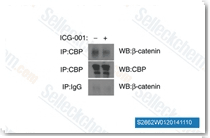
S2662 ICG-001 ICG-001 antagonizes Wnt/β-catenin/TCF-mediated transcription and specifically binds to CREB-binding protein (CBP) with IC50 of 3 μM, but is not the related transcriptional coactivator p300. ICG-001 induces apoptosis.
Cancer Discov, 2025, 10.1158/2159-8290.CD-25-0629
Adv Sci (Weinh), 2025, 12(40):e05702
Cell Rep Med, 2025, 6(2):101927
Verified customer review of ICG-001
S7086 IWR-1-endo IWR-1-endo (endo-IWR 1, IWR-1) is a Wnt pathway inhibitor with IC50 of 180 nM in L-cells expressing Wnt3A, induces Axin2 protein levels and promotes β-catenin phosphorylation by stabilizing Axin-scaffolded destruction complexes.
Nat Biotechnol, 2025, 10.1038/s41587-025-02833-3
Circulation, 2025, 151(20):1436-1448
Verified customer review of IWR-1-endo
S7085 IWP-2 IWP-2 is an inhibitor of Wnt processing and secretion with IC50 of 27 nM in a cell-free assay, selective blockage of Porcn-mediated Wnt palmitoylation, does not affect Wnt/β-catenin in general and displays no effect against Wnt-stimulated cellular responses. IWP-2 specifically inhibits CK1δ.
Sci Bull (Beijing), 2025, S2095-9273(25)00472-4
Nat Commun, 2025, 16(1):1999
Nat Commun, 2025, 16(1):4688
Verified customer review of IWP-2
S8320 SKL2001 SKL2001 is a novel agonist of the Wnt/β-catenin pathway. It disrupts the Axin/β-catenin interaction.
J Exp Clin Cancer Res, 2025, 44(1):19
Cancer Cell Int, 2025, 25(1):348
Nat Cancer, 2024, 10.1038/s43018-023-00716-7
Verified customer review of SKL2001
S8178 BML-284 (Wnt agonist 1) BML-284 (Wnt agonist 1) is a cell permeable Wnt signaling pathway activator, which induces β-catenin- and TCF-dependent transcriptional activity with an EC50 of 0.7 μM.
EMBO Mol Med, 2025, 17(7):1794-1824
Mol Psychiatry, 2025, 30(12):5731-5748
Oncol Rep, 2025, 53(1)7
Verified customer review of BML-284 (Wnt agonist 1)
S8968 Foscenvivint (PRI-724) Foscenvivint (PRI-724) is a potent and specific inhibitor that disrupts the interaction of β-catenin and CBP.
Cancer Discov, 2025, 10.1158/2159-8290.CD-25-0629
Cell Death Dis, 2025, 16(1):466
Biomed Pharmacother, 2025, 188:118225
S8129 Salinomycin (from Streptomyces albus) Salinomycin (from Streptomyces albus), traditionally used as an anti-coccidial drug, has recently been shown to possess anti-cancer and anti-cancer stem cell (CSC) effects.
Haematologica, 2025, 10.3324/haematol.2025.288464
Cell Death Discov, 2024, 10(1):9
Biomolecules, 2023, 13(6)965
Verified customer review of Salinomycin (from Streptomyces albus)
S7484 FH535 FH535 is a Wnt/β-catenin signaling inhibitor and also a dual PPARγ and PPARδ antagonist.
Int J Biol Sci, 2024, 20(6):2323-2338
Gastroenterology, 2023, S0016-5085(23)00114-2
Gastroenterology, 2023, 164(6):990-1005
Verified customer review of FH535
S8429 PNU-74654 PNU-74654 disrupts the Wnt signaling pathway via inhibition of the interaction (KD50=450 nM) between β-catenin and Tcf4.
Am J Cancer Res, 2025, 15(7):2949-2969
Viruses, 2025, 17(3)400
Cell Rep, 2024, 43(7):114414
S8474 LF3 LF3 is a specific inhibitor of canonical Wnt signaling by disrupting the interaction between β-catenin and TCF4 with an IC50 less than 2 μM.
Colloids Surf B Biointerfaces, 2025, 251:114586
Cell Mol Biol Lett, 2024, 29(1):103
Elife, 2024, 12RP86978
S8327 KYA1797K KYA1797K is a highly potent and selective Wnt/β-catenin inhibitor with IC50 of 0.75 µM (TOPflash assay).
Mil Med Res, 2025, 12(1):83
Gut Microbes, 2023, 15(1):2192501
Verified customer review of KYA1797K
S7096 KY02111 KY02111 promotes differentiation of hPSCs to cardiomyocytes by inhibiting Wnt signaling, may act downstream of APC and GSK3β.
Front Pharmacol, 2022, 13:889713
Sci Rep, 2022, 12(1):7
Stem Cell Res, 2022, 60:102686
Verified customer review of KY02111
S8647 iCRT3 iCRT3 is an antagonist of Wnt/β-catenin signaling with an IC50 of 8.2 nM in the Wnt responsive STF16-luc reporter assays.
iScience, 2025, 28(5):112398
Front Cell Dev Biol, 2024, 12:1302141
Cell Div, 2024, 19(1):25
S8761 Adavivint (SM04690) Adavivint (SM04690, Lorecivivint) is a potent and specific inhibitor of canonical Wnt signaling with an EC50 of 19.5 nM for inhibiting the TCF/LEF reporter. This compound is ∼150- to 500-fold more potent than other known Wnt inhibitors across multiple cellular assays.
Commun Biol, 2024, 7(1):1649
Elife, 2023, 12RP88508
Int J Mol Sci, 2023, 24(6)5252
S6901 MSAB MSAB is a selective inhibitor of Wnt/β-catenin signaling that binds to β-catenin, promoting its degradation, and specifically downregulates Wnt/β-catenin target genes. This compound shows potent anti-tumor effects.
Bioact Mater, 2025, 46:259-272
Oncogene, 2024, 10.1038/s41388-024-03008-1
Cells, 2024, 13(19)1663
S3842 Isoquercitrin Isoquercitrin (Hirsutrin, 3-Glucosylquercetin, Quercetin 3-o-glucopyranoside), a flavonoid compound with anticancer activity isolated from Bidens bipinnata L, is an inhibitor of Wnt/β-catenin that acts downstream of the β-catenin nuclear translocation.
Molecules, 2025, 30(6)1394
Commun Biol, 2023, 6(1):79
Front Pharmacol, 2023, 14:1290868
S8248 IQ-1 IQ-1 enables Wnt/β-catenin-driven expansion of mouse ESCs and prevents spontaneous differentiation, Maintains embryonic stem cell (ESC) pluripotency in Wnt3a-treated cells and prevents PP2A/Nkd interaction.
Haematologica, 2022, 10.3324/haematol.2022.280760
Neoplasia, 2020, 23(1):1-11
Cell Mol Life Sci, 2019, 76(14):2817-2832
S8704 iCRT14 iCRT14 is a β-catenin/Tcf inhibitor with a Ki value of 54 ± 5.2 μM in homogeneous fluorescence polarization (FP) assay.
Bone Res, 2023, 11(1):18
mBio, 2023, e0168823.
PLoS Pathog, 2022, 18(3):e1010354
S7981 CCT251545 CCT251545 is a potent, orally bioavailable inhibitor of WNT signaling with IC50 of 5 nM in 7dF3 cells. This compound also acts as a selective chemical probe for exploring the role of CDK8 and CDK19 in human disease.
Science, 2022, 378(6620):eabn5647
Pathol Oncol Res, 2022, 28:1610273
Front Cell Dev Biol, 2020, 8:408
S6745 JW55 JW55 is a potent and selective inhibitor of the canonical Wnt pathway that functions via inhibition of the PARP domain of tankyrase 1 and tankyrase 2 (TNKS1/2).
Cell Discov, 2024, 10(1):39
Oncotarget, 2021, 12(7):674-685
Chin J Integr Med, 2021, 10.1007/s11655-021-3282-0
S3630 Methyl Vanillate Methyl Vanillate, one of the ingredients in Hovenia dulcis Thunb, activates the Wnt/β-catenin pathway and induces osteoblast differentiation in vitro.
Sci Rep, 2022, 12(1):7
S9965 M435-1279 M435-1279 is a UBE2T inhibitor, inhibiting the Wnt/β-catenin signaling pathway hyperactivation through blocking UBE2T-mediated degradation of RACK1.
Drug Des Devel Ther, 2023, 17:1357-1369
S9828 WAY-262611 WAY-262611 (BML-WN110, Compound 5) is a beta-catenin (β-Catenin) agonist that increases bone formation rate with EC50 of 0.63 μM in TCF-Luciferase assay. This compound is also an inhibitor of dickkopf 1 (DKK1).
J Transl Med, 2025, 23(1):986
Cell Mol Life Sci, 2024, 81(1):260
J Orthop Surg Res, 2023, 18(1):751
E1731 JW74 JW74 is a specific inhibitor of the canonical Wnt signaling with IC50 790 nM in the ST-Luc assay. It inhibit the growth of tumor cells in both mouse xenograft model of colorectal cancer and in ApcMin mice.
Commun Biol, 2023, 6(1):197
E1486 Zamaporvint (RXC004) Zamaporvint (RXC004) is an orally active and selective inhibitor of Wnt. This compound targets membrane-bound o-acyltransferase Porcupine and inhibits Wnt ligand palmitoylation, secretion, and pathway activation. It exhibits potent antiproliferative effects in Wnt ligand-dependent colorectal and pancreatic cell lines and possesses multiple antitumor mechanisms.
S0733 Tegatrabetan (BC-2059) Tegatrabetan (BC-2059, Tegavivint), an antagonist of β-Catenin, disrupts the binding of β-catenin with the scaffold protein transducin β-like 1 (TBL1) and proteasomal degradation, leading to declines in the nuclear levels of β-catenin.
Nucleic Acids Res, 2024, 52(9):4950-4968
Cell Rep, 2024, 43(8):114532
J Transl Med, 2024, 22(1):201
E0769 Ginsenoside Rh4 Ginsenoside Rh4 is an important active ingredient of traditional Chinese medicine ginseng, which has been shown to inhibit Wnt/β-Catenin, JAK2/STAT3, TGF-β/Smad2/3 and other signaling pathways.
S8462 Toxoflavin PKF118-310 is a potent antagonist of transcription factor 4 (TCF4)/β-catenin signaling, and also an inhibitor of KDM4A . It exhibits anticancer activity and can be used in solid tumor research.
S8233 Prodigiosin Prodigiosin is a natural red pigment produced by numerous bacterial species which can inhibit Wnt/β-catenin pathway.
E4800 BML-284 BML-284 (Wnt Agonist) is a potent and cell-permeable activator of Wnt signaling that induces TCF-dependent transcriptional activity with an EC50 value of 0.7 µM. This compound also acts as an agonist of β-catenin that effectively activates direct Wnt-β-catenin signaling to induce adipocyte dedifferentiation while circumventing the apoptotic effect in the hypertonic treatment.
E6057New Pamidronate disodium pentahydrate Pamidronate disodium pentahydrate is a nitrogen-containing bisphosphonate and used to prevent bone loss due to steroid use like glucocorticoid-induced low bone mineral density in children or to inhibit calcium release from bone by impairing osteoclast-mediated bone resorption. It also inhibits the Wnt/β-catenin signaling pathway that controls osteogenic differentiation in bone marrow mesenchymal stem cells (BMMSCs).
S9416 Triptonide Triptonide, isolated from the roots of Tripterygium wilfordii, can effectively inhibit canonical Wnt/β-catenin signaling by targeting the downstream C-terminal transcription domain of β-catenin or a nuclear component associated with β-catenin. It is also an antineoplastic agent, an anti-inflammatory agent and an immunosuppressive agent.
Mil Med Res, 2024, 11(1):27
iScience, 2024, 27(10):110862
E0033 IWP-4

IWP-4 is a potent Wnt/β-catenin signaling pathway inhibitor with an IC50 of 25 nM.

Oncogene, 2023, 42(35):2629-2640
S0458 KY1220 KY1220 is a small molecule that destabilizes both β-catenin and Ras, via targeting the Wnt/β-catenin pathway with IC50 of 2.1 μM in HEK293 reporter cells.
S1263 CHIR-99021 (Laduviglusib) Laduviglusib (CHIR-99021, CT99021) is a GSK-3α and GSK-3β inhibitor with IC50 values of 10 nM and 6.7 nM, respectively. It does not exhibit cross-reactivity against cyclin-dependent kinases (CDKs) and shows a 350-fold selectivity toward GSK-3β compared to CDKs. This compound functions as a Wnt/β-catenin activator and induces autophagy.
Cancer Cell, 2025, 43(4):776-796.e14
Circulation, 2025, 151(20):1436-1448
Verified customer review of CHIR-99021 (Laduviglusib)
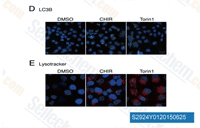
S2924 Laduviglusib (CHIR-99021) Hydrochloride Laduviglusib (CHIR-99021; CT99021) HCl is hydrochloride of CHIR-99021, which is a GSK-3α/β inhibitor with IC50 of 10 nM/6.7 nM; CHIR-99021 shows greater than 500-fold selectivity for GSK-3 versus its closest homologs Cdc2 and ERK2. CHIR-99021 is a potent pharmacological activators of the Wnt/beta-catenin signaling pathway. CHIR-99021 significantly rescues light-induced autophagy and augments GR, RORα and autophagy-related proteins.
Cell, 2025, S0092-8674(25)00807-4
Cell, 2025, 188(11):2974-2991.e20
Protein Cell, 2025, pwaf098
Verified customer review of Laduviglusib (CHIR-99021) Hydrochloride
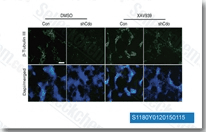
S1180 XAV-939 XAV-939 (NVP-XAV939) selectively inhibits Wnt/β-catenin-mediated transcription through tankyrase1/2 inhibition with IC50 of 11 nM/4 nM in cell-free assays, regulates axin levels and does not affect CRE, NF-κB or TGF-β.
Nat Biotechnol, 2025, 10.1038/s41587-025-02649-1
Nat Cell Biol, 2025, 27(8):1240-1255
Nat Cell Biol, 2025, NONE
Verified customer review of XAV-939
S2788 Capmatinib (INC280) Capmatinib is a novel, ATP-competitive inhibitor of c-MET with IC50 of 0.13 nM in a cell-free assay, inactive against RONβ, as well as EGFR and HER-3. Capmatinib (INCB28060) inhibits Wnt/β-catenin and EMT signaling pathways and induces apoptosis in diffuse gastric cancer positive for c-MET amplification. Phase 1.
Mol Cancer, 2025, 24(1):272
Cell Rep Med, 2025, 6(9):102335
J Biomed Sci, 2025, 32(1):94
Verified customer review of Capmatinib (INC280)
S7954 CP21R7 CP21R7 is a potent and selective GSK-3β inhibitor that can potently activate canonical Wnt signalling.
Am J Transl Res, 2025, 17(10):8060-8075
J Nanobiotechnology, 2024, 22(1):373
iScience, 2024, 27(10):110862
S5992 Heparan Sulfate Heparan sulfate (HS, Heparitin sulfate, Alpha-idosane, HHS 5, N-Acetylheparan Sulfate, Suleparoid, Tavidan), a constituent of HS proteoglycans (HSPGs), is a linear polysaccharide present on the cell surface. Heparan sulfate influences the binding affinity of intestinal epithelium cells (IECs) to Wnt, thereby promoting activation of canonical Wnt signaling and facilitating regeneration of small intestinal crypts after epithelial injury.
Mol Ther Methods Clin Dev, 2025, 33(1):101426
iScience, 2024, 27(6):110120
bioRxiv, 2024, 2024.05.23.595417
S7421 CGP 57380 CGP 57380 is a potent MNK1 inhibitor with IC50 of 2.2 μM, exhibiting no inhibitory activity on p38, JNK1, ERK1 and -2, PKC, or c-Src-like kinases. This compound upregulates β-catenin and potentiates radiation-induced apoptosis.
Sci Rep, 2025, 15(1):1973
Cell Commun Signal, 2023, 21(1):107
Fundam Clin Pharmacol, 2022, 10.1111/fcp.12759
Verified customer review of CGP 57380
S8392 NCB-0846 NCB-0846 is a novel, orally small-molecule Wnt inhibitor that inhibits TNIK (TRAF2 and NCK-Interacting Kinase, MAP4K7) with an IC50 value of 21 nM.
Nat Commun, 2024, 15(1):2551
Genes Dis, 2024, 11(3):100997
Sci Rep, 2022, 12(1):7
S7490 WIKI4 WIKI4 is a novel Tankyrase inhibitor with IC50 of 15 nM for TNKS2, and leads to inhibition of Wnt/beta-catenin signaling.
Sci Rep, 2022, 12(1):7
Carcinogenesis, 2020, 41(7):993-1004
Nat Commun, 2019, 10(1):4363
S7914 ISX-9 (Isoxazole 9) Isoxazole 9 (Isx-9) is a synthetic promotor of adult neurogenesis by triggering neuronal differentiation of adult neural stem/precursor cells (NSPCs). Isoxazole 9 (Isx-9) activates multiple pathways including TGF-β induced epithelial–mesenchymal transition (EMT) signaling, canonical and non-canonical Wnt signaling at different stages of cardiac differentiation.
iScience, 2025, 28(3):112015
Front Cell Dev Biol, 2025, 13:1513163
Cell Regen, 2025, 14(1):18
S3238 Resibufogenin Resibufogenin (Bufogenin, Recibufogenin), a component of huachansu with anticancer effect, triggers necroptosis through upregulating receptor-interacting protein kinase 3 (RIP3) and phosphorylating mixed lineage kinase domain-like protein at Ser358. This compound exerts cytotoxic effect by inducing reactive oxygen species (ROS) accumulation. It induces apoptosis and caspase-3 and caspase-8 activity. This chemical increases Bax/Bcl-2 expression, and suppresses cyclin D1, cyclin E, PI3K, p-AKT, p-GSK3β and β-catenin protein expression.
bioRxiv, 2025, 2025.07.17.665404
Research Square, 2024, 10.21203/rs.3.rs-3790060/v1
Phytomedicine, 2022, 102:154182
S6898 RCM-1 RCM-1 is a nontoxic inhibitor of Forkhead box M1 (FOXM1) that suppresses goblet cell metaplasia and prevents IL-13 and STAT6 signaling in allergen-exposed mice. This compound decreases carcinogenesis and nuclear β-catenin.
Gut, 2025, gutjnl-2025-335163
Parasit Vectors, 2025, 18(1):100
bioRxiv, 2025, 2025.05.25.655133
S5815 WAY-316606 WAY-316606, a specific antagonist of SFRP1, functions as an activator of canonical Wnt/β-catenin signalling in the human hair bulb.
Stem Cells Transl Med, 2024, szae006
Journal of Oral Health and Biosciences, 2023, Vol. 35, No. 2, pp. 52-60
J Bone Miner Res, 2021, 10.1002/jbmr.4435
S6961 Foxy-5 Foxy-5, a Wnt-5a mimicking hexapeptide, is a WNT signalling pathway modulator potentially for the treatment of metastatic breast cancer, prostate cancer and colorectal cancer.
J Nanobiotechnology, 2024, 22(1):128
CNS Neurosci Ther, 2023, 10.1111/cns.14099
S3223 L-Quebrachitol L-Quebrachitol (L-QCT), a natural product isolated from many plants, promotes proliferation and cell DNA synthesis. This compound upregulates bone morphogenetic protein-2 (BMP-2) and runt-related transcription factor-2 (Runx2) and regulatory genes associated with mitogen-activated protein kinase (MAPK) and Wnt/β-catenin signaling pathway, while down-regulating the receptor activator of the nuclear factor-κB(NF-κB) ligand (RANKL) mRNA level.
E1069 M2912 M2912 (MSC2504877) is a very potent TNKS1/TNKS2 inhibitor (IC50=0.6 nM for TNKS1) with exquisite selectivity over other PARP family enzymes and favorable compound properties. This inhibitor potently modulates the Wnt/β-catenin pathway by elevating the levels of axin2 (EC50=17 nM) and tankyrase in DLD1 cells in a dose-dependent manner resulting in reduced cellular Wnt reporter activity.
S5554 Lanatoside C Lanatoside C is a cardiac glycoside with antiviral and anti-tumor activity. This compound induces G2/M cell cycle arrest and induces autophagy and apoptosis via attenuating MAPK, Wnt, JAK-STAT, and PI3K/AKT/mTOR signaling pathways.
E0072 Indirubin-3′-oxime Indirubin-3′-oxime (IDR3O, I3O) is an indirubin analogue that shows favorable inhibitory activity targeting GSK-3β and CDKs. This compound also inhibits JNKs with IC50s of 0.8 μM, 1.4 μM, and 1.0 μM for JNK1, JNK2, and JNK3, respectively. It activates Wnt/β-catenin signaling and inhibits adipocyte differentiation and obesity.
S6085 KY19382 (A3051) KY19382 (A3051) is a Wnt/β-catenin signalling activator through inhibitory effects on both CXXC5–DVL interaction and GSK3β activity with IC50s of 19 nM and 10 nM, respectively.
E2376 KY-05009 KY-05009 is an ATP-competitive Traf2- and Nck-interacting kinase (TNIK) inhibitor with a Ki of 100 nM, which inhibits the protein expression of TNIK and transcriptional activity of Wnt target genes and induces apoptosis in cancer cells.
Front Public Health, 2025, 13:1582860
S2662 ICG-001 ICG-001 antagonizes Wnt/β-catenin/TCF-mediated transcription and specifically binds to CREB-binding protein (CBP) with IC50 of 3 μM, but is not the related transcriptional coactivator p300. ICG-001 induces apoptosis.
Cancer Discov, 2025, 10.1158/2159-8290.CD-25-0629
Adv Sci (Weinh), 2025, 12(40):e05702
Cell Rep Med, 2025, 6(2):101927
Verified customer review of ICG-001
S7086 IWR-1-endo IWR-1-endo (endo-IWR 1, IWR-1) is a Wnt pathway inhibitor with IC50 of 180 nM in L-cells expressing Wnt3A, induces Axin2 protein levels and promotes β-catenin phosphorylation by stabilizing Axin-scaffolded destruction complexes.
Nat Biotechnol, 2025, 10.1038/s41587-025-02833-3
Circulation, 2025, 151(20):1436-1448
Verified customer review of IWR-1-endo
S7085 IWP-2 IWP-2 is an inhibitor of Wnt processing and secretion with IC50 of 27 nM in a cell-free assay, selective blockage of Porcn-mediated Wnt palmitoylation, does not affect Wnt/β-catenin in general and displays no effect against Wnt-stimulated cellular responses. IWP-2 specifically inhibits CK1δ.
Sci Bull (Beijing), 2025, S2095-9273(25)00472-4
Nat Commun, 2025, 16(1):1999
Nat Commun, 2025, 16(1):4688
Verified customer review of IWP-2
S8129 Salinomycin (from Streptomyces albus) Salinomycin (from Streptomyces albus), traditionally used as an anti-coccidial drug, has recently been shown to possess anti-cancer and anti-cancer stem cell (CSC) effects.
Haematologica, 2025, 10.3324/haematol.2025.288464
Cell Death Discov, 2024, 10(1):9
Biomolecules, 2023, 13(6)965
Verified customer review of Salinomycin (from Streptomyces albus)
S7484 FH535 FH535 is a Wnt/β-catenin signaling inhibitor and also a dual PPARγ and PPARδ antagonist.
Int J Biol Sci, 2024, 20(6):2323-2338
Gastroenterology, 2023, S0016-5085(23)00114-2
Gastroenterology, 2023, 164(6):990-1005
Verified customer review of FH535
S8429 PNU-74654 PNU-74654 disrupts the Wnt signaling pathway via inhibition of the interaction (KD50=450 nM) between β-catenin and Tcf4.
Am J Cancer Res, 2025, 15(7):2949-2969
Viruses, 2025, 17(3)400
Cell Rep, 2024, 43(7):114414
S8474 LF3 LF3 is a specific inhibitor of canonical Wnt signaling by disrupting the interaction between β-catenin and TCF4 with an IC50 less than 2 μM.
Colloids Surf B Biointerfaces, 2025, 251:114586
Cell Mol Biol Lett, 2024, 29(1):103
Elife, 2024, 12RP86978
S8327 KYA1797K KYA1797K is a highly potent and selective Wnt/β-catenin inhibitor with IC50 of 0.75 µM (TOPflash assay).
Mil Med Res, 2025, 12(1):83
Gut Microbes, 2023, 15(1):2192501
Verified customer review of KYA1797K
S7096 KY02111 KY02111 promotes differentiation of hPSCs to cardiomyocytes by inhibiting Wnt signaling, may act downstream of APC and GSK3β.
Front Pharmacol, 2022, 13:889713
Sci Rep, 2022, 12(1):7
Stem Cell Res, 2022, 60:102686
Verified customer review of KY02111
S8761 Adavivint (SM04690) Adavivint (SM04690, Lorecivivint) is a potent and specific inhibitor of canonical Wnt signaling with an EC50 of 19.5 nM for inhibiting the TCF/LEF reporter. This compound is ∼150- to 500-fold more potent than other known Wnt inhibitors across multiple cellular assays.
Commun Biol, 2024, 7(1):1649
Elife, 2023, 12RP88508
Int J Mol Sci, 2023, 24(6)5252
S6901 MSAB MSAB is a selective inhibitor of Wnt/β-catenin signaling that binds to β-catenin, promoting its degradation, and specifically downregulates Wnt/β-catenin target genes. This compound shows potent anti-tumor effects.
Bioact Mater, 2025, 46:259-272
Oncogene, 2024, 10.1038/s41388-024-03008-1
Cells, 2024, 13(19)1663
S3842 Isoquercitrin Isoquercitrin (Hirsutrin, 3-Glucosylquercetin, Quercetin 3-o-glucopyranoside), a flavonoid compound with anticancer activity isolated from Bidens bipinnata L, is an inhibitor of Wnt/β-catenin that acts downstream of the β-catenin nuclear translocation.
Molecules, 2025, 30(6)1394
Commun Biol, 2023, 6(1):79
Front Pharmacol, 2023, 14:1290868
S8248 IQ-1 IQ-1 enables Wnt/β-catenin-driven expansion of mouse ESCs and prevents spontaneous differentiation, Maintains embryonic stem cell (ESC) pluripotency in Wnt3a-treated cells and prevents PP2A/Nkd interaction.
Haematologica, 2022, 10.3324/haematol.2022.280760
Neoplasia, 2020, 23(1):1-11
Cell Mol Life Sci, 2019, 76(14):2817-2832
S8704 iCRT14 iCRT14 is a β-catenin/Tcf inhibitor with a Ki value of 54 ± 5.2 μM in homogeneous fluorescence polarization (FP) assay.
Bone Res, 2023, 11(1):18
mBio, 2023, e0168823.
PLoS Pathog, 2022, 18(3):e1010354
S7981 CCT251545 CCT251545 is a potent, orally bioavailable inhibitor of WNT signaling with IC50 of 5 nM in 7dF3 cells. This compound also acts as a selective chemical probe for exploring the role of CDK8 and CDK19 in human disease.
Science, 2022, 378(6620):eabn5647
Pathol Oncol Res, 2022, 28:1610273
Front Cell Dev Biol, 2020, 8:408
S6745 JW55 JW55 is a potent and selective inhibitor of the canonical Wnt pathway that functions via inhibition of the PARP domain of tankyrase 1 and tankyrase 2 (TNKS1/2).
Cell Discov, 2024, 10(1):39
Oncotarget, 2021, 12(7):674-685
Chin J Integr Med, 2021, 10.1007/s11655-021-3282-0
S9965 M435-1279 M435-1279 is a UBE2T inhibitor, inhibiting the Wnt/β-catenin signaling pathway hyperactivation through blocking UBE2T-mediated degradation of RACK1.
Drug Des Devel Ther, 2023, 17:1357-1369
E1731 JW74 JW74 is a specific inhibitor of the canonical Wnt signaling with IC50 790 nM in the ST-Luc assay. It inhibit the growth of tumor cells in both mouse xenograft model of colorectal cancer and in ApcMin mice.
Commun Biol, 2023, 6(1):197
E1486 Zamaporvint (RXC004) Zamaporvint (RXC004) is an orally active and selective inhibitor of Wnt. This compound targets membrane-bound o-acyltransferase Porcupine and inhibits Wnt ligand palmitoylation, secretion, and pathway activation. It exhibits potent antiproliferative effects in Wnt ligand-dependent colorectal and pancreatic cell lines and possesses multiple antitumor mechanisms.
E0769 Ginsenoside Rh4 Ginsenoside Rh4 is an important active ingredient of traditional Chinese medicine ginseng, which has been shown to inhibit Wnt/β-Catenin, JAK2/STAT3, TGF-β/Smad2/3 and other signaling pathways.
S8233 Prodigiosin Prodigiosin is a natural red pigment produced by numerous bacterial species which can inhibit Wnt/β-catenin pathway.
E6057New Pamidronate disodium pentahydrate Pamidronate disodium pentahydrate is a nitrogen-containing bisphosphonate and used to prevent bone loss due to steroid use like glucocorticoid-induced low bone mineral density in children or to inhibit calcium release from bone by impairing osteoclast-mediated bone resorption. It also inhibits the Wnt/β-catenin signaling pathway that controls osteogenic differentiation in bone marrow mesenchymal stem cells (BMMSCs).
S9416 Triptonide Triptonide, isolated from the roots of Tripterygium wilfordii, can effectively inhibit canonical Wnt/β-catenin signaling by targeting the downstream C-terminal transcription domain of β-catenin or a nuclear component associated with β-catenin. It is also an antineoplastic agent, an anti-inflammatory agent and an immunosuppressive agent.
Mil Med Res, 2024, 11(1):27
iScience, 2024, 27(10):110862
E0033 IWP-4

IWP-4 is a potent Wnt/β-catenin signaling pathway inhibitor with an IC50 of 25 nM.

Oncogene, 2023, 42(35):2629-2640
S1180 XAV-939 XAV-939 (NVP-XAV939) selectively inhibits Wnt/β-catenin-mediated transcription through tankyrase1/2 inhibition with IC50 of 11 nM/4 nM in cell-free assays, regulates axin levels and does not affect CRE, NF-κB or TGF-β.
Nat Biotechnol, 2025, 10.1038/s41587-025-02649-1
Nat Cell Biol, 2025, 27(8):1240-1255
Nat Cell Biol, 2025, NONE
Verified customer review of XAV-939
S2788 Capmatinib (INC280) Capmatinib is a novel, ATP-competitive inhibitor of c-MET with IC50 of 0.13 nM in a cell-free assay, inactive against RONβ, as well as EGFR and HER-3. Capmatinib (INCB28060) inhibits Wnt/β-catenin and EMT signaling pathways and induces apoptosis in diffuse gastric cancer positive for c-MET amplification. Phase 1.
Mol Cancer, 2025, 24(1):272
Cell Rep Med, 2025, 6(9):102335
J Biomed Sci, 2025, 32(1):94
Verified customer review of Capmatinib (INC280)
S8392 NCB-0846 NCB-0846 is a novel, orally small-molecule Wnt inhibitor that inhibits TNIK (TRAF2 and NCK-Interacting Kinase, MAP4K7) with an IC50 value of 21 nM.
Nat Commun, 2024, 15(1):2551
Genes Dis, 2024, 11(3):100997
Sci Rep, 2022, 12(1):7
S7490 WIKI4 WIKI4 is a novel Tankyrase inhibitor with IC50 of 15 nM for TNKS2, and leads to inhibition of Wnt/beta-catenin signaling.
Sci Rep, 2022, 12(1):7
Carcinogenesis, 2020, 41(7):993-1004
Nat Commun, 2019, 10(1):4363
S3238 Resibufogenin Resibufogenin (Bufogenin, Recibufogenin), a component of huachansu with anticancer effect, triggers necroptosis through upregulating receptor-interacting protein kinase 3 (RIP3) and phosphorylating mixed lineage kinase domain-like protein at Ser358. This compound exerts cytotoxic effect by inducing reactive oxygen species (ROS) accumulation. It induces apoptosis and caspase-3 and caspase-8 activity. This chemical increases Bax/Bcl-2 expression, and suppresses cyclin D1, cyclin E, PI3K, p-AKT, p-GSK3β and β-catenin protein expression.
bioRxiv, 2025, 2025.07.17.665404
Research Square, 2024, 10.21203/rs.3.rs-3790060/v1
Phytomedicine, 2022, 102:154182
S6898 RCM-1 RCM-1 is a nontoxic inhibitor of Forkhead box M1 (FOXM1) that suppresses goblet cell metaplasia and prevents IL-13 and STAT6 signaling in allergen-exposed mice. This compound decreases carcinogenesis and nuclear β-catenin.
Gut, 2025, gutjnl-2025-335163
Parasit Vectors, 2025, 18(1):100
bioRxiv, 2025, 2025.05.25.655133
E1069 M2912 M2912 (MSC2504877) is a very potent TNKS1/TNKS2 inhibitor (IC50=0.6 nM for TNKS1) with exquisite selectivity over other PARP family enzymes and favorable compound properties. This inhibitor potently modulates the Wnt/β-catenin pathway by elevating the levels of axin2 (EC50=17 nM) and tankyrase in DLD1 cells in a dose-dependent manner resulting in reduced cellular Wnt reporter activity.
S5554 Lanatoside C Lanatoside C is a cardiac glycoside with antiviral and anti-tumor activity. This compound induces G2/M cell cycle arrest and induces autophagy and apoptosis via attenuating MAPK, Wnt, JAK-STAT, and PI3K/AKT/mTOR signaling pathways.
E2376 KY-05009 KY-05009 is an ATP-competitive Traf2- and Nck-interacting kinase (TNIK) inhibitor with a Ki of 100 nM, which inhibits the protein expression of TNIK and transcriptional activity of Wnt target genes and induces apoptosis in cancer cells.
Front Public Health, 2025, 13:1582860
S8178 BML-284 (Wnt agonist 1) BML-284 (Wnt agonist 1) is a cell permeable Wnt signaling pathway activator, which induces β-catenin- and TCF-dependent transcriptional activity with an EC50 of 0.7 μM.
EMBO Mol Med, 2025, 17(7):1794-1824
Mol Psychiatry, 2025, 30(12):5731-5748
Oncol Rep, 2025, 53(1)7
Verified customer review of BML-284 (Wnt agonist 1)
S3630 Methyl Vanillate Methyl Vanillate, one of the ingredients in Hovenia dulcis Thunb, activates the Wnt/β-catenin pathway and induces osteoblast differentiation in vitro.
Sci Rep, 2022, 12(1):7
E4800 BML-284 BML-284 (Wnt Agonist) is a potent and cell-permeable activator of Wnt signaling that induces TCF-dependent transcriptional activity with an EC50 value of 0.7 µM. This compound also acts as an agonist of β-catenin that effectively activates direct Wnt-β-catenin signaling to induce adipocyte dedifferentiation while circumventing the apoptotic effect in the hypertonic treatment.
S1263 CHIR-99021 (Laduviglusib) Laduviglusib (CHIR-99021, CT99021) is a GSK-3α and GSK-3β inhibitor with IC50 values of 10 nM and 6.7 nM, respectively. It does not exhibit cross-reactivity against cyclin-dependent kinases (CDKs) and shows a 350-fold selectivity toward GSK-3β compared to CDKs. This compound functions as a Wnt/β-catenin activator and induces autophagy.
Cancer Cell, 2025, 43(4):776-796.e14
Circulation, 2025, 151(20):1436-1448
Verified customer review of CHIR-99021 (Laduviglusib)
S2924 Laduviglusib (CHIR-99021) Hydrochloride Laduviglusib (CHIR-99021; CT99021) HCl is hydrochloride of CHIR-99021, which is a GSK-3α/β inhibitor with IC50 of 10 nM/6.7 nM; CHIR-99021 shows greater than 500-fold selectivity for GSK-3 versus its closest homologs Cdc2 and ERK2. CHIR-99021 is a potent pharmacological activators of the Wnt/beta-catenin signaling pathway. CHIR-99021 significantly rescues light-induced autophagy and augments GR, RORα and autophagy-related proteins.
Cell, 2025, S0092-8674(25)00807-4
Cell, 2025, 188(11):2974-2991.e20
Protein Cell, 2025, pwaf098
Verified customer review of Laduviglusib (CHIR-99021) Hydrochloride
S7954 CP21R7 CP21R7 is a potent and selective GSK-3β inhibitor that can potently activate canonical Wnt signalling.
Am J Transl Res, 2025, 17(10):8060-8075
J Nanobiotechnology, 2024, 22(1):373
iScience, 2024, 27(10):110862
S7421 CGP 57380 CGP 57380 is a potent MNK1 inhibitor with IC50 of 2.2 μM, exhibiting no inhibitory activity on p38, JNK1, ERK1 and -2, PKC, or c-Src-like kinases. This compound upregulates β-catenin and potentiates radiation-induced apoptosis.
Sci Rep, 2025, 15(1):1973
Cell Commun Signal, 2023, 21(1):107
Fundam Clin Pharmacol, 2022, 10.1111/fcp.12759
Verified customer review of CGP 57380
S7914 ISX-9 (Isoxazole 9) Isoxazole 9 (Isx-9) is a synthetic promotor of adult neurogenesis by triggering neuronal differentiation of adult neural stem/precursor cells (NSPCs). Isoxazole 9 (Isx-9) activates multiple pathways including TGF-β induced epithelial–mesenchymal transition (EMT) signaling, canonical and non-canonical Wnt signaling at different stages of cardiac differentiation.
iScience, 2025, 28(3):112015
Front Cell Dev Biol, 2025, 13:1513163
Cell Regen, 2025, 14(1):18
S3223 L-Quebrachitol L-Quebrachitol (L-QCT), a natural product isolated from many plants, promotes proliferation and cell DNA synthesis. This compound upregulates bone morphogenetic protein-2 (BMP-2) and runt-related transcription factor-2 (Runx2) and regulatory genes associated with mitogen-activated protein kinase (MAPK) and Wnt/β-catenin signaling pathway, while down-regulating the receptor activator of the nuclear factor-κB(NF-κB) ligand (RANKL) mRNA level.
E0072 Indirubin-3′-oxime Indirubin-3′-oxime (IDR3O, I3O) is an indirubin analogue that shows favorable inhibitory activity targeting GSK-3β and CDKs. This compound also inhibits JNKs with IC50s of 0.8 μM, 1.4 μM, and 1.0 μM for JNK1, JNK2, and JNK3, respectively. It activates Wnt/β-catenin signaling and inhibits adipocyte differentiation and obesity.
S6085 KY19382 (A3051) KY19382 (A3051) is a Wnt/β-catenin signalling activator through inhibitory effects on both CXXC5–DVL interaction and GSK3β activity with IC50s of 19 nM and 10 nM, respectively.
S8968 Foscenvivint (PRI-724) Foscenvivint (PRI-724) is a potent and specific inhibitor that disrupts the interaction of β-catenin and CBP.
Cancer Discov, 2025, 10.1158/2159-8290.CD-25-0629
Cell Death Dis, 2025, 16(1):466
Biomed Pharmacother, 2025, 188:118225
S8647 iCRT3 iCRT3 is an antagonist of Wnt/β-catenin signaling with an IC50 of 8.2 nM in the Wnt responsive STF16-luc reporter assays.
iScience, 2025, 28(5):112398
Front Cell Dev Biol, 2024, 12:1302141
Cell Div, 2024, 19(1):25
S0733 Tegatrabetan (BC-2059) Tegatrabetan (BC-2059, Tegavivint), an antagonist of β-Catenin, disrupts the binding of β-catenin with the scaffold protein transducin β-like 1 (TBL1) and proteasomal degradation, leading to declines in the nuclear levels of β-catenin.
Nucleic Acids Res, 2024, 52(9):4950-4968
Cell Rep, 2024, 43(8):114532
J Transl Med, 2024, 22(1):201
S8462 Toxoflavin PKF118-310 is a potent antagonist of transcription factor 4 (TCF4)/β-catenin signaling, and also an inhibitor of KDM4A . It exhibits anticancer activity and can be used in solid tumor research.
S8320 SKL2001 SKL2001 is a novel agonist of the Wnt/β-catenin pathway. It disrupts the Axin/β-catenin interaction.
J Exp Clin Cancer Res, 2025, 44(1):19
Cancer Cell Int, 2025, 25(1):348
Nat Cancer, 2024, 10.1038/s43018-023-00716-7
Verified customer review of SKL2001
S9828 WAY-262611 WAY-262611 (BML-WN110, Compound 5) is a beta-catenin (β-Catenin) agonist that increases bone formation rate with EC50 of 0.63 μM in TCF-Luciferase assay. This compound is also an inhibitor of dickkopf 1 (DKK1).
J Transl Med, 2025, 23(1):986
Cell Mol Life Sci, 2024, 81(1):260
J Orthop Surg Res, 2023, 18(1):751
S5815 WAY-316606 WAY-316606, a specific antagonist of SFRP1, functions as an activator of canonical Wnt/β-catenin signalling in the human hair bulb.
Stem Cells Transl Med, 2024, szae006
Journal of Oral Health and Biosciences, 2023, Vol. 35, No. 2, pp. 52-60
J Bone Miner Res, 2021, 10.1002/jbmr.4435
S0458 KY1220 KY1220 is a small molecule that destabilizes both β-catenin and Ras, via targeting the Wnt/β-catenin pathway with IC50 of 2.1 μM in HEK293 reporter cells.
S5992 Heparan Sulfate Heparan sulfate (HS, Heparitin sulfate, Alpha-idosane, HHS 5, N-Acetylheparan Sulfate, Suleparoid, Tavidan), a constituent of HS proteoglycans (HSPGs), is a linear polysaccharide present on the cell surface. Heparan sulfate influences the binding affinity of intestinal epithelium cells (IECs) to Wnt, thereby promoting activation of canonical Wnt signaling and facilitating regeneration of small intestinal crypts after epithelial injury.
Mol Ther Methods Clin Dev, 2025, 33(1):101426
iScience, 2024, 27(6):110120
bioRxiv, 2024, 2024.05.23.595417
S6961 Foxy-5 Foxy-5, a Wnt-5a mimicking hexapeptide, is a WNT signalling pathway modulator potentially for the treatment of metastatic breast cancer, prostate cancer and colorectal cancer.
J Nanobiotechnology, 2024, 22(1):128
CNS Neurosci Ther, 2023, 10.1111/cns.14099
E6057New Pamidronate disodium pentahydrate Pamidronate disodium pentahydrate is a nitrogen-containing bisphosphonate and used to prevent bone loss due to steroid use like glucocorticoid-induced low bone mineral density in children or to inhibit calcium release from bone by impairing osteoclast-mediated bone resorption. It also inhibits the Wnt/β-catenin signaling pathway that controls osteogenic differentiation in bone marrow mesenchymal stem cells (BMMSCs).

Signaling Pathway Map

The Wnt/β-catenin signalling pathway is an important mechanism of study for researchers of human diseases as it plays a role in oncology when overactivated, however, reduced signalling of this pathway also results in abnormal bone development and neurodegenerative illnesses. Depending on the indication of use, development of inhibitors or activators of the Wnt/β-catenin signalling pathway is an important area of focus.

Normally, regulation of the Wnt/β-catenin signalling pathway occurs by a large protein assembly called the β-catenin destruction complex that maintains low concentrations of β-catenin in the cytoplasm, and consequently in the nucleus. The β-catenin destruction complex is comprised of glycogen synthase kinase 3 (GSK3α/ GSK3β), casein kinase Iα (CKIα), Axin1/Axin2 scaffolding, and adenomatous polyposis coli (APC) – a tumor suppressor protein. Recruitment of β-catenin to the destruction complex leads to the phosphorylation of β-catenin N-terminus residues by CKIα and GSK3, following which ubiquitination and degradation events occur.  Sequestering β-catenin at several N-terminal serine and threonine residues to the β-catenin destruction complex are Axin and APC. Similarly, it is believed these constituents of the β-catenin destruction complex regulate β-catenin efflux from the nucleus. The low concentration of β-catenin in the cell restricts β-catenin to the essential role of cadherin-mediated cell adhesion.  An additional mechanism controlling the expression of Wnt signalling in the cell involves the inhibition of Wnt specific gene transcription by the T-cell factor (TCF) family of proteins.[1]

Activation of the Wnt/β-catenin signalling pathway is signified by the formation of a “Wnt signalosome” – a large protein complex that develops following the recognition of Wnt protein on the cell surface by a set of proteins called the seven-pass transmembrane Frizzled (Fz) family and its co-receptor, low density lipoprotein receptor related protein (LRP5/LRP6).ii The Wnt signalosome inhibits the activity of the β-catenin destruction complex by recruiting several components of the destruction complex to the membrane. As a consequence, the buildup of β-catenin’s unphosphorylated form results in the cytoplasm and subsequently in the nucleus. It is in the nucleus where rising concentrations of β-catenin combine with TCF proteins to transform this protein from an inhibitory protein to an activator of Wnt-signalling pathway by encouraging the transcription of the Wnt-responsive gene.[1]

Among cancer research, Wnt/β-catenin signalling is an area of focus since loss-of-function mutations in the APC gene results in β-catenin stabilization. Deletions within a chromosomal region containing the APC gene is understood to be associated with a hereditary disease known as familial adenomatous polyposis that yield intestinal polyps in large numbers that ultimately gives rise to tumors. Alternatively, mutations that promote gain-of-function of the APC gene inhibit the β-catenin destruction complex from limiting β-catenin concentrations in the cell. Additionally, some cancers have been correlated to a loss of Axin1 or Axin2 function. Overexpression of the Wnt/ β-catenin signalling pathway results in the constitutive activation of c-myc, and is most commonly linked to colorectal cancer.[2]

Since the Wnt/β-catenin signalling pathway plays a critical role in cancer, clinical research has yielded several new targets that may positively influence Wnt/β-catenin signalling where its absence is related to disease. Potential new drug targets include two lipid kinases that were found with the accumulation of β-catenin among HEK293T cells transfected with short inhibitory RNAs (siRNAs) targeting human kinases, these include: (1) phosphatidylinositol 4-kinase type IIα (PI4KIIα), and (2) phosphatidylinositol-4-phosphate 5-kinase type Iβ (PIP5Kiβ). Additionally, three human homologs of Drosophila PAR-1 can also provide useful drug targets as these elements activate Wnt/β-catenin signalling pathway as well.[2]

There are many enzymes involved in the Wnt/β-catenin signalling pathway and knowing whether activation or repression is best suited will determine the molecular strategy to explore for therapeutic benefit.