
-
 Australia
-
 Austria
-
 Belgium
-
 Brazil
-
 Canada
-
 China
China
-
 Czech Republic
-
 Denmark
-
 Finland
-
 France
-
 Germany
-
 Greece
-
 Hong Kong
-
 Hungary
-
 Iceland
-
 India
India
-
 Ireland
-
 Israel
-
 Italy
Italy
-
 Japan
Japan
-
 Korea
Korea
-
 Luxembourg
-
 Malaysia
-
 Netherlands
-
 New Zealand
-
 Norway
-
 Poland
-
 Qatar
Qatar
-
 Romania
-
 Saudi Arabia
-
 Singapore
-
 Spain
Spain
-
 Sweden
-
 Switzerland
-
 Taiwan
-
 Turkey
-
 United Kingdom
-
 United States
CDK Inhibitors
| Cat.No. | Product Name | Information | Product Use Citations | Product Validations |
|---|---|---|---|---|
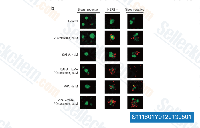
| S1116 | PD-0332991 (Palbociclib) Hydrochloride | Palbociclib (PD-0332991) HCl is a highly selective inhibitor of CDK4/6 with IC50 of 11 nM/16 nM in cell-free assays, respectively. It shows no activity against CDK1/2/5, EGFR, FGFR, PDGFR, InsR, etc. Phase 3. |
|
|
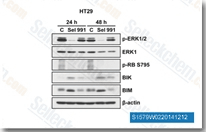
| S1579 | PD-0332991 (Palbociclib) Isethionate | Palbociclib Isethionate is a highly selective inhibitor of CDK4/6 with IC50 of 11 nM/16 nM in cell-free assays. It shows no activity against CDK1/2/5, EGFR, FGFR, PDGFR, InsR, etc. Phase 3. |
|
|
| S4482 | Palbociclib (PD-0332991) | Palbociclib (PD 0332991) is a highly specific inhibitor of cyclin-dependent kinase 4 (Cdk4) and Cdk6 with IC50 of 11 nM and 16 nM, respectively.This product has poor solubility, animal in vivo experiments are available, cell experiments please choose carefully! |
|
|
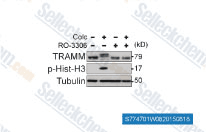
| S7747 | Ro-3306 | RO-3306 is an ATP-competitive, and selective CDK1 inhibitor with Ki of 20 nM, >15-fold selectivity against a diverse panel of human kinases. RO-3306 enhances p53-mediated Bax activation and mitochondrial apoptosis. |
|
|
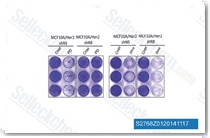
| S2768 | Dinaciclib (SCH 727965) | Dinaciclib is a novel and potent CDK inhibitor for CDK2, CDK5, CDK1 and CDK9 with IC50 of 1 nM, 1 nM, 3 nM and 4 nM in cell-free assays, respectively. It also blocks thymidine (dThd) DNA incorporation. Dinaciclib induces apoptosis through the activation of caspases 8 and 9. Phase 3. |
|
|
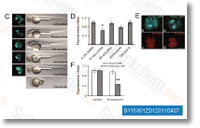
| S1230 | Flavopiridol (Alvocidib, HMR-1275) | Flavopiridol (Alvocidib) competes with ATP to inhibit CDKs including CDK1, CDK2, CDK4, CDK6, and CDK9 with IC50 values in the 20-100 nM range. It is more selective for CDK1, 2, 4, 6, 9 versus CDK7. Flavopiridol is initially found to inhibit EGFR and PKA. Flavopiridol induces autophagy and ER stress. Flavopiridol blocks HIV-1 replication. Phase 1/2. |
|
|
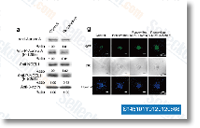
| S1153 | Roscovitine (Seliciclib) | Roscovitine is a potent and selective CDK inhibitor for Cdc2, CDK2 and CDK5 with IC50 of 0.65 μM, 0.7 μM and 0.16 μM in cell-free assays. It shows little effect on CDK4/6. Phase 2. |
|
|
| S5716 | Abemaciclib (LY2835219) | Abemaciclib is a cell cycle inhibitor selective for CDK4/6 with IC50 of 2 nM and 10 nM in cell-free assays, respectively. |
|
|
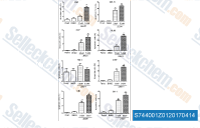
| S7440 | LEE011 (Ribociclib) | Ribociclib is an orally available, and highly specific inhibitor of CDK4 and CDK6 with IC50 of 10 nM and 39 nM. Phase 3. |
|
|
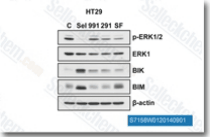
| S7158 | LY2835219 (Abemaciclib) Mesylate | Abemaciclib mesylate is a potent and selective inhibitor of CDK4 and CDK6 with IC50 of 2 nM and 10 nM in cell-free assays, respectively. Phase 3. |
|
|
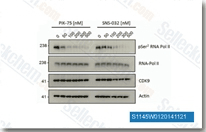
| S1145 | SNS-032 (BMS-387032) | SNS-032 (BMS-387032) has firstly been described as a selective inhibitor of CDK2 with IC50 of 48 nM in cell-free assays and is 10- and 20-fold selective over CDK1/CDK4. It is also found to be sensitive to CDK7/9 with IC50 of 62 nM/4 nM, with little effect on CDK6. This compound induces apoptosis. |
|
|
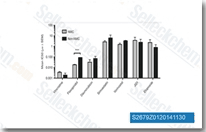
| S2679 | Flavopiridol (Alvocidib) HCl | Flavopiridol (Alvocidib) HCl competes with ATP to inhibit CDKs including CDK1, CDK2, CDK4 and CDK6 with IC50 of ~ 40 nM in cell-free assays. It is 7.5-fold more selective for CDK1/2/4/6 than CDK7. Flavopiridol is initially found to inhibit EGFR and PKA. Flavopiridol HCl induces autophagy and ER stress. Flavopiridol HCl blocks HIV-1 replication. Phase 1/2. |
|
|
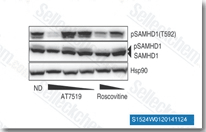
| S1524 | AT7519 | AT7519 is a multi-CDK inhibitor for CDK1, 2, 4, 6 and 9 with IC50 of 10-210 nM. It is less potent to CDK3 and little active to CDK7. This compound also decrease GSK3β phosphorylation. It induces apoptosis. Phase 2. |
|
|
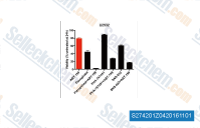
| S2742 | PHA-767491 HCl | PHA-767491 (CAY10572, NMS 1116354) HCl is a potent ATP-competitive dual Cdc7/CDK9 inhibitor with IC50 of 10 nM and 34 nM in cell-free assays, respectively.It displays ~20-fold selectivity against CDK1/2 and GSK3-β, 50-fold selectivity against MK2 and CDK5, 100-fold selectivity against PLK1 and CHK2. |
|
|
| S7461 | LDC000067 | LDC000067 (LDC067) is a highly selective CDK9 inhibitor with IC50 of 44 nM, 55/125/210/ >227/ >227-fold selectivity over CDK2/1/4/6/7. |
|
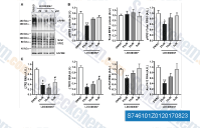
|
| S7549 | THZ1 2HCl | THZ1 is a covalent CDK7 inhibitor which has the unprecedented ability to target a remote cysteine residue located outside of the canonical kinase domain, providing an unanticipated means of achieving selectivity for CDK7. |
|
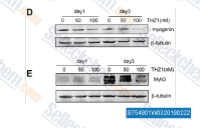
|
| S7547 | XL413 Hydrochloride (BMS-863233) | XL413 is a potent and selective cell division cycle 7 homolog (CDC7) kinase inhibitor with IC50 of 3.4 nM, showing 63-, 12- and 35-fold selectivity over CK2, Pim-1 and pMCM2, respectively. |
|
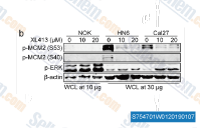
|
| S1249 | JNJ-7706621 | JNJ-7706621 is a pan-CDK inhibitor with the highest potency on CDK1/2 with IC50 of 9 nM/4 nM and showing >6-fold selectivity for CDK1/2 than CDK3/4/6 in cell-free assays. It also potently inhibits Aurora A/B and has no activity on Plk1 and Wee1. |
|
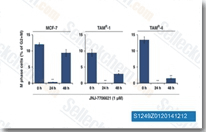
|
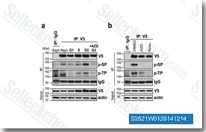
| S2621 | AZD5438 | AZD5438 is a potent inhibitor of CDK1/2/9 with IC50 of 16 nM/6 nM/20 nM in cell-free assays. It is less potent to CDK5/6 and also inhibits GSK3β. |
|
|
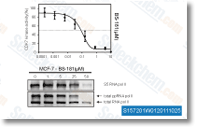
| S1572 | BS-181 HCl | BS-181 HCl is a highly selective CDK7 inhibitor with IC50 of 21 nM. It is more than 40-fold selective for CDK7 than CDK1, 2, 4, 5, 6, or 9. |
|
|
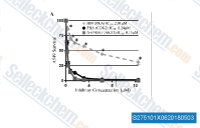
| S2751 | Milciclib | Milciclib is a potent, ATP-competitive CDK inhibitor for CDK2 with IC50 of 45 nM. It is >3-fold more selective for CDK2 than CDK1, 2, 4, 5, and 7, it's also an inhibitor of TRKA with IC50 of 53nM. This compound induces cell death through autophagy. Phase 2. |
|
|
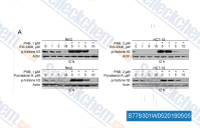
| S7793 | Purvalanol A | Purvalanol A is a potent, and cell-permeable CDK inhibitor with IC50 of 4 nM, 70 nM, 35 nM, and 850 nM for cdc2-cyclin B, cdk2-cyclin A, cdk2-cyclin E, and cdk4-cyclin D1, respectively. This compound induces endoplasmic reticulum stress-mediated apoptosis and autophagy. |
|
|
| S8100 | K03861 (AUZ454) | K03861 (AUZ454) is a type II CDK2 inhibitor with Kd of 50 nM, 18.6 nM, 15.4 nM, and 9.7 nM for CDK2(WT), CDK2(C118L), CDK2(A144C), and CDK2(C118L/A144C), respectlvely. |
|
|
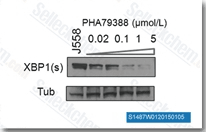
| S1487 | PHA-793887 | PHA-793887 is a novel and potent inhibitor of CDK2, CDK5 and CDK7 with IC50 of 8 nM, 5 nM and 10 nM. It is greater than 6-fold more selective for CDK2, 5, and 7 than CDK1, 4, and 9. This compound induces cell-cycle arrest and apoptosis. Phase 1. |
|
|
| S8719 | AZD4573 | AZD4573 is a potent inhibitor of CDK9 (IC50 of <0.004 μM) with fast-off binding kinetics (t1/2 = 16 min) and high selectivity versus other kinases, including other CDK family kinases. |
|
|
| S2014 | BMS-265246 | BMS-265246 is a potent and selective CDK1/2 inhibitor with IC50 of 6 nM/9 nM in a cell-free assay. It is 25-fold more selective for CDK1/2 than CDK4. |
|
|
| S5187 | Ribociclib hydrochloride | Ribociclib (LEE011) hydrochloride is a highly specific dual inhibitor of CDK4 and CDK6 with IC50 of 10 nM and 39 nM, respectively. |
|
|
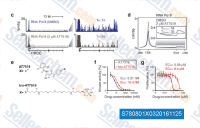
| S7808 | AT7519 HCl | AT7519 HCl is a multi-CDK inhibitor for CDK1, 2, 4, 6 and 9 with IC50 of 10-210 nM in cell-free assays. It is less potent to CDK3 and little active to CDK7. Phase 2. |
|
|
| S5188 | Ribociclib succinate | Ribociclib (LEE011) succinate is a highly specific dual inhibitor of CDK4 and CDK6 with IC50 of 10 nM and 39 nM, respectively. |
|
|
| S7320 | (E/Z)-TG003 | (E/Z)-TG003 is a potent and ATP-competitive Cdc2-like kinase (Clk) inhibitor with IC50 of 20 nM, 200 nM, and 15 nM for Clk1, Clk2, and Clk4, respectively. No inhibitory effect on Clk3, SRPK1, SRPK2, or PKC. |
|
|
| S8727 | Atuveciclib (BAY-1143572) | Atuveciclib (BAY-1143572) is a potent and highly selective PTEFb/CDK9 inhibitor with IC50 values of 13 nM for CDK9/CycT and the ratio of IC50 values for CDK2/CDK9 is about 100. Outside the CDK family, It inhibits GSK3 kinase with IC50 values of 45 nM and 87 nM for GSK3α and GSK3β respectively. |
|
|
| S7992 | LDC4297 | LDC4297 is a novel CDK7 inhibitor (IC50=0.13±0.06 nM for CDK7 versus IC50s between 10 nM and 10,000 nM for all other analyzed CDKs). |
|
|
| S8387 | MSC2530818 | MSC2530818, a CDK8 inhibitor with the IC50 of 2.6 nM, displays excellent kinase selectivity, biochemical and cellular potency, microsomal stability, and is orally bioavailable. |
|
|
| S8730 | Enitociclib (BAY 1251152) | Enitociclib (BAY 1251152) is a potent PTEFb/CDK9 inhibitor with an IC50 value of 3 nM for CDK9 and an at least 50-fold selectivity against other CDKs in enzymatic assays. It binds to and blocks the phosphorylation and kinase activity of CDK9, thereby preventing PTEFb-mediated activation of RNA Pol II and leading to the inhibition of gene transcription of various anti-apoptotic proteins. |
|
|
| S6595 | THZ531 | THZ531 is a selective covalent inhibitor of CDK12 and CDK13 with IC50 values of 158 and 69 nM, respectively. |
|
|
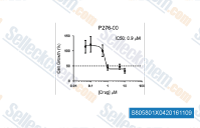
| S8058 | Riviciclib hydrochloride (P276-00) | Riviciclib hydrochloride (P276-00) is a novel CDK1, CDK4 and CDK9 inhibitor with IC50 of 79 nM, 63 nM and 20 nM, respectively. This compound induces apoptosis. Phase 2/3. |
|
|
| S6537 | CVT-313 | CVT-313 is a potent CDK2 inhibitor with an IC50 of 0.5 microM in vitro. It has no effect on other, nonrelated ATP-dependent serine/threonine kinases. |
|
|
| S8863 | YKL-5-124 | YKL-5-124 is a potent, selective and covalent CDK7 inhibitor with an IC50 of 9.7 nM, 1300 nM and 3020 nM for inhibiting CDK7/Mat1/CycH, CDK2 and CDK9 respectively. It displays biochemical and cellular selectivity for CDK7 over CDK12/13. |
|
|
| S2688 | R547 | R547 (Ro 4584820) is a potent ATP-competitive inhibitor of CDK1/2/4 with Ki of 2 nM/3 nM/1 nM. This compound is less potent to CDK7 and GSK3α/β, while inactive to other kinases. Phase 1. |
|
|
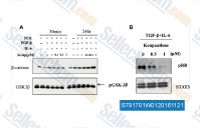
| S7917 | Kenpaullone | Kenpaullone (9-Bromopaullone, NSC-664704) is an ATP-competitive inhibitor of cyclin-dependent kinases (CDKs). It also inhibit glycogen synthase kinase 3β (GSK3β) with IC50 of 0.23 µM. |
|
|
| S8840 | SEL120 (SEL120-34A) hydrochloride | SEL120 (SEL120-34, SEL120-34A) is a novel inhibitor of Cyclin-dependent kinase 8 (CDK8) with IC50 values of 4.4 nM and 10.4 nM for CDK8/Cyclin C and CDK19/CyclinC respectively. |
|
|
| S7114 | NU6027 | NU6027 is a potent ATR/CDK inhibitor, inhibits CDK1/2, ATR and DNA-PK with Ki of 2.5 μM/1.3 μM, 0.4 μM and 2.2 μM, and this compound enters cells more readily than the 6-aminopurine-based inhibitors. |
|
|
| S8816 | PF-06873600 (Ebvaciclib) | PF-06873600 is an inhibitor of cyclin-dependent kinase 2 (CDK2), CDK4, and CDK6 with Ki values of 0.1, 1.2, and 0.1 nM, respectively, blocks the phosphorylation of retinoblastoma protein (RB1), and limits the proliferation of OVCAR-3 ovarian cancer cells with EC50s of 19 and 45 nM, respectively. |
|
|
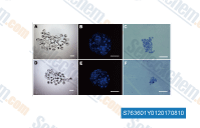
| S7636 | SU9516 | SU 9516 is a 3-substituted indolinone CDK inhibitor with IC50 of 22 nM, 40 nM, and 200 nM for CDK2, CDK1, and CDK4, respectively. |
|
|
| S8722 | Samuraciclib (ICEC0942) hydrochloride | Samuraciclib (ICEC0942) hydrochloride is a new, orally bioavailable CDK7 inhibitor with an IC50 of 40nM. The IC50 values for CDK1, CDK2, CDK5 and CDK9 were 45-, 15-, 230- and 30-fold higher. ICEC0942 (CT7001) promotes cell cycle arrest and apoptosis. |
|
|
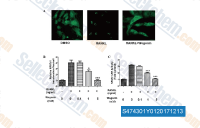
| S4743 | Wogonin | Wogonin (Vogonin), a natural and biologically-active flavonoid found in plants, is an inhibitor of CDK9 and does not inhibit CDK2, CDK4 and CDK6 at doses that inhibit CDK9 activity; This compound also inhibits N-acetyltransferase. |
|
|
| S8389 | Trilaciclib | Trilaciclib is a highly potent, selective and reversible cyclin-dependent kinase 4 and 6 (CDK4/6) inhibitor. This compound inhibits CDK4/cyclin D1 and CDK6/cyclin D3 with IC50 of 1 nM and 4 nM, respectively. |
|
|
| S8161 | ON123300 | ON123300 is a potent and multi-targeted kinase inhibitor with IC50 of 3.9 nM, 5 nM, 26 nM, 26 nM, 9.2 nM and 11nM for CDK4, Ark5/NUAK1, PDGFRβ, FGFR1, RET (c-RET), and Fyn, respectively. |
|
|
| S8520 | Senexin A | Senexin A is a potent and selective inhibitor of CDK8 and its nearest relative, CDK19 with Kd values of 0.83 μM and 0.31 μM for CDK8 and CDK19 ATP site binding, respectively. |
|
|
| S8963 | HLM006474 | HLM006474 is a small molecule pan-E2F inhibitor that inhibits DNA binding to E2F4 with IC50 of 29.8 µM in A375 cells. This compound induces a reduction in cell proliferation and an increase in apoptosis. The CDK/Rb/E2F pathway is commonly disrupted in lung cancer, and this chemical is shown to have efficacy in lung cancer. |
|
|
| S7511 | LY2857785 | LY2857785 is a type I reversible and competitive ATP kinase inhibitor against CDK9(IC50=0.011 μM) and this compound also inhibits other transcription kinases CDK8(IC50=0.016 μM) and CDK7 (IC50=0.246 μM). |
|
|
| S0273 | CDK2-IN-73 (CDK2-IN-4) | CDK2-IN-73 (CDK2-IN-4, CDK2 inhibitor 73) is a potent and selective inhibitor of CDK2 with IC50 of 44 nM for CDK2/cyclin A. |
|
|
| S8568 | G1T38 | G1T38 (Lerociclib) is a novel, potent, selective, and orally bioavailable CDK4/6 inhibitor with IC50 values of 0.001 μM, 0.002 μM and 0.028 μM for CDK4, CDK6 and CDK9 respectively. |
|
|
| S7371 | Fadraciclib (CYC065) | Fadraciclib (CYC065) is a novel, orally available ATP-competitive inhibitor of CDK2/CDK9 kinases with IC50 of 5 nM and 26 nM, respectively. |
|
|
| S5316 | NU2058 | NU2058 (O(6)-Cyclohexylmethylguanine) is an inhibitor of CDK2 with IC50 value of 17 μM in an isolated enzyme assay. This compound also potentiates melphalan (DMF 2.3), and monohydroxymelphalan (1.7), but not temozolomide or ionising radiation. |
|
|
| S2009 | Indirubin-3'-monoxime | Indirubin-3'-monoxime (Indirubin-3'-oxime) is a selective CDK inhibitor with IC50 of 0.18 μM, 0.44 μM, 0.25 μM, 3.33 μM, 0.065 μM for CDK1-cyclinB, CDK2-cyclinA, CDK2-cyclinE, CDK4-cyclinD1, CDK5-p35,respectively. This compound is a direct and selective 5-lipoxygenase inhibitor with IC50 of 7.8-10 µM. |
|
|
| S8894 | SR-4835 | SR-4835 is a highly selective dual inhibitor of CDK12 and CDK13 with IC50 of 99 nM and Kd of 98 nM for CDK12 and IC50 of 4.9 nM for CDK13. This compound disables triple-negative breast cancer (TNBC) cells. It promotes synergy with DNA-damaging chemotherapy and PARP inhibitors. |
|
|
| S7509 | ML167 | ML167 (CID 44968231) is a highly selective Cdc2-like kinase 4 (Clk4) inhibitor with IC50 of 136 nM, >10-fold selectivity for closely related kinases Clk1-3 and Dyrk1A/1B. |
|
|
| S8925 | Simurosertib | Simurosertib (TAK-931), an oral cell division cycle 7 (CDC7)-selective inhibitor with an IC50<0.3 nM, induces S phase delay and replication stress and causes mitotic aberrations through centrosome dysregulation and chromosome missegregation, resulting in irreversible antiproliferative effects in cancer cells. |
|
|
| S9878 | Tagtociclib (PF-07104091) | Tagtociclib (PF-07104091) inhibits CDK2, which may result in cell cycle arrest, induction of apoptosis, and inhibition of tumor cell proliferation. |
|
|
| E2642 | CGP60474 | CGP60474, a highly potent anti-endotoxemic agent, is a potent cyclin-dependent kinase (CDK) inhibitor (IC50 values are 26, 3, 4, 216, 10, 200 and 13 nM for CDK1/B, CDK2/E, CDK2/A, CDK4/D, CDK5/p25, CDK7/H and CDK9/T, respectively). |
|
|
| S6531 | Bohemine | Bohemine is a CDK inhibitor with IC50s of 4.6, 83, and 2.7 μM for Cdk2/cyclin E, Cdk2/cyclin A, and Cdk9/cyclin T1, respectively. |
|
|
| S6540 | NG 52 | NG-52 is a tri-substituted purine that binds to the ATP-binding site of yeast cyclin-dependent kinases, inhibiting Cdc28p and Pho85p with IC50s of 7 and 2 μM, respectively. |
|
|
| S0771 | BRD6989 | BRD6989 is a selective inhibitor of CDK8 and CDK19. This compound upregulates IL-10. It is an analog of the natural product cortistatin A (dCA). |
|
|
| S8903 | AS2863619 | AS2863619 is a small-molecule cyclin-dependent kinase CDK8/19 inhibitor with IC50 of 0.6099 nM and 4.277 nM, respectively. AS2863619 is a potent Foxp3 inducer in Tconv cells. |
|
|
| S1058 | BI-1347 | BI-1347 is a small molecule inhibitor of Cyclin-dependent kinase 8(CDK8) with IC50 of 1.1 nM. |
|
|
| S0354 | Alsterpaullone | Alsterpaullone (Alp, 9-Nitropaullone, NSC 705701) is a potent inhibitor of CDK with IC50 of 35 nM, 15 nM, 200 nM and 40 nM for CDK1/cyclin B, CDK2/cyclin A, CDK2/cyclin E and CDK5/p35, respectively. This compound also acts as a potent inhibitor of glycogen synthase kinase-3 (GSK-3) with IC50 of both 4 nM for GSK-3α and GSK-3β. It induces apoptosis by activation of caspase-9. This chemical has antitumor activity and possesses potential for the treatment of neurodegenerative and proliferative disorders. |
|
|
| S7773 | CDKI-73 | CDKI-73 (LS-007) is a potent CDK inhibitor in vitro with IC50 of 8.17 nM, 3.27 nM, 8.18 nM, and 5.78 nM for CDK1, CDK2, CDK4, and CDK9, respectively. This compound induces apoptosis in cancer cells. It is an orally bioavailable and highly efficacious CDK9 inhibitor against acute myeloid leukemia. |
|
|
| S8809 | MC180295 | MC180295 ((rel)-MC180295) is a novel potent and selective CDK9 inhibitor with an IC50 of 5 nM and is at least 22-fold more selective for this compound over other CDKs. |
|
|
| S8979 | THAL-SNS-032 | THAL-SNS-032 is a selective Cyclin-dependent kinase 9 (CDK9) degrader PROTAC consisting of a CDK-binding SNS-032 ligand linked to that binds the E3 ubiquitin ligase Cereblon (CRBN). |
|
|
| S8981 | NVP-2 | NVP-2, a potent, selective, non-neurotoxic and ATP-competitive cyclin dependent kinase 9 (CDK9) inhibitor with IC50 of 0.514 nM for CDK9/CycT activity and induces cell apoptosis. |
|
|
| S6777 | NSC95397 | NSC 95397 is a potent, selective Cdc25 dual specificity phosphatase inhibitor with Ki of 32 nM, 96 nM, 40 nM for Cdc25A, Cdc25B and Cdc25C, respectively. NSC 95397 has IC50 of 22.3 nM, 56.9 nM and 125 nM for human Cdc25A, human Cdc25C and Cdc25B, respectively. NSC 95397 inhibits mitogen-activated protein kinase phosphatase-1 (MKP-1) and suppresses proliferation and induces apoptosis in colon cancer cells through MKP-1 and ERK1/2 pathway. |
|
|
| S7047 | BAY 1000394 | BAY 1000394 (Roniciclib) is a potent inhibitor of pan-CDK, that inhibits the kinase activity of the cell-cycle cyclin-dependent kinases (CDKs), with IC50 of 7, 9, 11, 25 and 5 nmol/L for CDK1, CDK2, CDK4, CDK7 and CDK9, respectively. This compound induces cell-cycle arrest and apoptosis and exhibits potent antitumor activity. | ||
| E7822 | ON-013100 | ON-013100 is a benzylstyrylsulfone antineoplastic agent and a potent mitotic inhibitor. It inhibits CDK4 and cyclin D1 expression while suppressing MDM2 and reducing p53 levels, disrupting mitogenic signaling and enhancing its anticancer activity. | ||
| E4578 | Trilaciclib dihydrochloride | Trilaciclib dihydrochloride(G1T28 dihydrochloride) is a potent inhibitor of CDK4/cyclin D1 and CDK6/cyclin D3 with IC50s of 1 nM and 4 nM for CDK4 and CDK6, respectively. Trilaciclib hydrochloride regulates cell proliferation and protects against chemotherapy toxicity in murine and canine bone marrow cells. | ||
| E1520 | NSC 663284 | NSC 663284(DA-3003-10) is a potent, cell-permeable, and irreversible dual specificity phosphatase inhibitor of Cdc25, and exhibits an IC50 of 0.21 μM for Cdc25B2 and is 20 and 450-fold highly selective against Cdc25B2. This compound also inhibits NSD2 with an IC50 of 170 nM via a direct interaction with the catalytic SET domain. | ||
| S0500 | Purvalanol B | Purvalanol B (NG-95) is a potent and selective inhibitor of cyclin-dependent kinase (CDK) with IC50 of 6 nM, 6 nM, 9 nM and 6 nM for cdc2-cyclin B, CDK2-cyclin A, CDK2-cyclin E and CDK5-p35, respectively. | ||
| E1725New | T025 | T025 is as an orally available and potent inhibitor of Cdc2‐like kinases (CLKs) with an IC50s of 0.93 nM, 1 nM, 14 nM, 1.5 nM for CLK1, CLK2, CLK3, DYRK1B respectively. It exhibits anti‐tumor efficacy and can be used in MYC‐driven cancer research. | ||
| E2668 | Cirtuvivint | Cirtuvivint (SM08502) is a potent and orally active inhibitor of CDC-like kinase (CLK) and a DYRK (dual-specificity tyrosine kinase) that targets mRNA splicing and is optimized for Wnt pathway inhibition. This compound inhibits serine and arginine-rich splicing factor (SRSF) phosphorylation and disrupts spliceosome activity. It can be used for solid tumor research. | ||
| E4703 | Culmerciclib | Culmerciclib (TQB3616) is a potent inhibitor of cyclin dependent kinase (CDK)4/6 and exhibits highly effective antineoplastic activity. TQB3616 exhibits significant synergistic antitumor activity in estrogen receptor (ER)-positive/HER2-negative or HER2-positive breast cancer when combined with endocrine therapy or Human Epidermal Growth Factor Receptor 2 (HER2) targeted therapy. | ||
| S0734 | Aminopurvalanol A | Aminopurvalanol A, a selective,cell permeable and competitive inhibitor of cyclins/Cdk complexes, causes the reduction of in vitro fertilizing ability of boar spermatozoa, by negatively affecting the capacitation-dependent actin polymerization. | ||
| E8303New | YJ9069 | YJ9069 is a potent, selective and orally bioavailable PROTAC degrader of CDK12/CDK13. It inhibits proliferation in prostate cancer cells by inducing gene-length-dependent transcriptional elongation defects, leading to DNA damage, cell-cycle arrest, and significant tumor growth suppression in vivo. | ||
| S9901 | KB-0742 Dihydrochloride |
KB-0742 Dihydrochloride is a potent, selective, and orally bioavailable small molecule inhibitor of the transcription elongation cofactor CDK9 with IC50 of 6 nM for CDK9/cyclin T1 inhibition at 10 μM ATP. |
||
| E8287New | YX0597 | YX0597 is a potent and selective CDK9 PROTAC degrader that reduces RNA polymerase II S2 phosphorylation and MCL1 expression in GA0518 and AGS cells. It effectively inhibits GEAC cell growth, including radiation-resistant tumors, and suppresses tumor proliferation, metastasis, and cancer stem cells. | ||
| E2504 | Toyocamycin | Toyocamycin (Vengicide), an adenosine analog, acts as an inhibitor of XBP1. This compound is also a specific inhibitor of CDK9 with an IC50 value of 79 nM. | ||
| S8170 | Voruciclib | Voruciclib(P1446A-05) is a small molecule flavone derivative, a pan inhibitor of CDK with Ki's of 0.626 nM-9.1nM, that potently targets CDK9, represses expression of MCL-1 and leads to tumor cell apoptosis and tumor growth inhibition in multiple models of diffuse large B-cell lymphoma (DLBCL). | ||
| E0474 | 7BIO | 7-bromoindirubin-3-oxime (7BIO), an indirubin derivative derived from indirubin-3-oxime, possesses inhibitory effects against cyclin-dependent kinase-5 (CDK5) and glycogen synthase kinase-3β (GSK3β), also potently inhibits Aβ oligomer-induced neuroinflammation, synaptic impairments, tau hyper-phosphorylation, and activation of astrocytes and microglia. | ||
| E2404 | NVP-LCQ195 | NVP-LCQ195 (AT9311, LCQ195) is a small molecule heterocyclic inhibitor of CDK1, CDK2, CDK3 and CDK5 with IC50 of 1-42 nM. | ||
| E2370 | CDK-IN-2 | CDK-IN-2 is a potent and specific CDK9 inhibitor with IC50 of <8 nM. | ||
| E1495 | PF-07220060 (CDK4/6-IN-6) | PF-07220060 (CDK4/6-IN-6) is a potent CDK4/CDK6 inhibitor with a Ki of 0.6 nM and 13.9 nM for CDK4/Cyclin D1 and CDK6/Cyclin D3, respectively. | ||
| E7630New | TG003 | TG003 inhibits Clk1/Sty with potency, exhibiting IC50 values of 20 nM for Clk1 and 15 nM for Clk4. | ||
| E1041 | SY-5609 | SY-5609 (CDK7-IN-3) is an orally active and highly selective inhibitor of CDK7 with a KD value of 0.065 nM. This compound exhibits poor inhibition on CDK2, CDK9, CDK12. It displays antitumor activity and can induce apoptosis in tumor cells. | ||
| E6025 | Palbociclib 2HCL | Palbociclib 2HCL (PD-0332991 dihydrochloride), the dihydrochloride salt of Palbociclib, is a highly specific inhibitor of Cdk4 and Cdk6, with IC50 values of 11 nM and 16 nM, respectively. It is a potent antiproliferative agent against retinoblastoma (Rb)-positive tumor cells in vitro, inducing a selective G1 cell cycle arrest and reducing phosphorylation at Ser780 and Ser795 on the Rb protein. | ||
| E4717 | CP681301 | CP681301 is a highly specific, brain-permeable inhibitor of Cdk5. It exhibits antiproliferative and anti-tumor activity by reducing stem cell marker expression, and cell proliferation in mouse xenografts ex vivo. | ||
| S7969 | THZ2 | THZ2, a THZ1 analog, is a selective inhibitor of CDK7 with IC50 of 13.9 nM. This compound efficiently suppresses the clonogenic growth of TNBC cells with IC50 of ~10 nM. | ||
| E8310New | Ribociclib succinate hydrate | Ribociclib succinate hydrate is an orally bioavailable and selective, inhibitor of both CDK4 and CDK6 with IC50 values of 10 nM and 39 nM, respectively. It exhibits anticancer activitiy and can be used in breast cancer, melanoma, liposarcoma, non–small cell lung cancer, and neuroblastoma therapy research. | ||
| E1854 | INX-315 | INX-315 is an orally active and selective inhibitor of CDK2 that induces cell cycle arrest in the G1 phase. It exhibits an IC50 value of 2.3 nM in intracellular NanoBRET assay, respectively. It displays a 50-fold increased CDK2 selectivity compared to CDK1. INX-315 decreases the phosphorylation of CDK2 substrates and suppresses tumor growth in xenograft mouse models in a dose-dependent manner. | ||
| E2821 | RGB-286638 free base | RGB-286638 free base is a Cyclin-dependent kinase (CDK) inhibitor that inhibits the kinase activity of cyclin T1-CDK9, cyclin B1-CDK1, cyclin E-CDK2, cyclin D1-CDK4, cyclin E-CDK3, and p35-CDK5 with IC50s of 1, 2, 3, 4, 5 and 5 nM, respectively; also inhibits GSK-3β, TAK1, Jak2 and MEK1, with IC50s of 3, 5, 50, and 54 nM. | ||
| E1882 | THZ1 | THZ1 is a potent and covalent inhibitor of CDK7 with an IC50 of 3.2 nM. It also inhibits the CDK12 and CDK13 and downregulates MYC expression. It exhibits strong anti proliferative effect across a broad range of cancer cell lines including human T-cell acute lymphoblastic leukaemia (T-ALL) cancer. | ||
| S9650 | LY3143921 hydrate | LY3143921 hydrate is an orally administered ATP-competitive CDC7 inhibitor. | ||
| E0647 | (R)-CR8 trihydrochloride | (R)-CR8 trihydrochloride, one of CR8 isomers, is a potent inhibitor CDK1/2/5/7/9 with antiproliferative effect and proapoptotic effect on CML cell lines. | ||
| E1729 | Senexin B | Senexin B (SNX2-1-165, BCD-115) is a potent and selective small-molecule inhibitor of CDK8/19, with Kd values of 140 nM for CDK8 and 80 nM for CDK19. It significantly slows tumor growth and inhibits Triple-Negative Breast Cancer (TNBC) xenograft tumor progression. | ||
| S8783 | JSH-150 | JSH-150 is a highly selective and potent inhibitor of CDK9 with IC50 of 1 nM. | ||
| E4603New | Monzosertib | Monzosertib (AS-0141) is a potent, selective, orally bioavailable inhibitor of CDC7 with an IC50 2.4 nM. It demonstrates antitumor efficacy and can be used in research to study treatments for advanced, metastatic, relapsed, or refractory malignancies, including acute myeloid leukemia (AML) and solid tumors. | ||
| S6884 | LY3405105 | LY3405105 is an orally active CDK7 inhibitor with an IC50 of 92.8 nM. This compound shows potential antineoplastic activity. | ||
| E1952 | BLU-222 | BLU-222 is an oral, potent, and selective inhibitor of cyclin-dependent kinase (CDK) 2 and exhibits significant antitumor activity in the OVCAR-3 CDX model. | ||
| E2658 | FN-1501 | FN-1501 is a potent inhibitor of Fms-like receptor tyrosine kinase 3 (FLT3) and cyclin-dependent kinase (CDK), with IC50s of 2.47, 0.85, 1.96, and 0.28 nM for CDK2/cyclin A, CDK4/cyclin D1, CDK6/cyclin D1 and FLT3, respectively. | ||
| E1863 | Inixaciclib | Inixaciclib (NUV-422) is a potent inhibitor of CDK2, CDK4, and CDK6. It inhibits the growth of glioma cell lines in vitro and exhibits antitumor activity in GB xenograft models, PDX models of HR+ HER2- metastatic breast cancer resistant to CDK4/6 inhibitors and prostate cancer resistant to anti-androgens. | ||
| E2640 | M2N12 | M2N12 is a potent and highly selective cell division cycle 25C protein phosphatase (Cdc25C) inhibitor with an IC50 value of 0.09 μM, also shows promising activity against Cdc25A and Cdc25B with IC50 values of 0.53 μM and 1.39 μM, respectively. | ||
| E1972 | AZD8421 | AZD8421 is a potent and highly selective inhibitor of Cyclin-dependent Kinase 2 (CDK2), with an IC50 against CDK2 of 9nM with selectivity over CDK1, CDK4 and CDK6. It also exhibits an anti-proliferative effect, effectively inhibits Rb phosphorylation, and shows strong activity both as a monotherapy and in combination with CDK4/6 inhibitors in breast and ovarian cancer models. | ||
| E1605 | Avotaciclib trihydrochloride | Avotaciclib trihydrochloride(BEY1107 trihydrochloride) is a potent and orally active inhibitor of cyclin dependent kinase 1 (CDK1). It can be used for the research of locally advanced or metastatic pancreatic cancer. | ||
| S8815 | BSJ-03-123 | BSJ-03-123 is a phthalimide-based degrader of cyclin-dependent kinase 6 (CDK6). (PROTAC) | ||
| E4702 | SRX3177 | SRX3177 is a potent triple inhibitor targeting CDK4/6, PI3K, and BRD4, with IC50 values of 33 nM for BRD4 BD1, 89 nM for BRD4 BD2, 79 nM for PI3Kα, 83 nM for PI3Kδ, 3.18 μM for PI3Kγ, <2.5 nM for CDK4, and 3.3 nM for CDK6. By simultaneously inhibiting these key pathways, this compound disrupts cancer cell signalling and exhibits significant cytotoxic effects in tumors. | ||
| E0951 | Dalpiciclib | Dalpiciclib (SHR-6390), a highly selective, orally bioavailable CDK4/6 inhibitor with comparable potencies against CDK4 and CDK6, exerts potent antitumor activity in esophageal squamous cell carcinoma by inhibiting phosphorylated tumor-suppressor retinoblastoma protein (Rb) and inducing G1 cell cycle arrest. This product has poor solubility, animal experiments are available, cell experiments please choose carefully! | ||
| E2373 | CAN508 | CAN508 is a potent, ATP-competitive CDK9/cyclin T1 inhibitor with an IC50 of 0.35 μM, exhibits a 38-fold selectivity for CDK9/cyclin T1 over other CDK/cyclin complexes. | ||
| S9859 | BSJ-4-116 | BSJ-4-116 is a specific degrader of cyclin-dependent kinase 12 (CDK12). This compound exhibits potent antiproliferative effects. | ||
| S9880 | MS140 | MS140 is a specific and highly potent CDK4/6 kinase inhibitor and also a CDK4/6 degrader (PROTAC). | ||
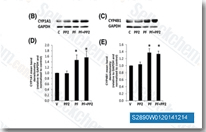
| S2890 | PF-562271 (VS-6062) | PF-562271 (PF-00562271) is a potent, ATP-competitive, reversible inhibitor of FAK with IC50 of 1.5 nM in cell-free assays, ~10-fold less potent for Pyk2 than FAK and >100-fold selectivity against other protein kinases, except for some CDKs. |
|
|
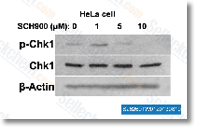
| S2735 | MK-8776 (SCH 900776) | MK-8776 (SCH 900776) is a selective Chk1 inhibitor with IC50 of 3 nM in a cell-free assay, showing 500-fold selectivity against Chk2. It is in Phase 2. |
|
|
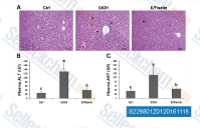
| S2298 | Fisetin | Fisetin (Fustel) is a potent sirtuin activating compound (STAC) and an agent that modulates sirtuins. |
|
|
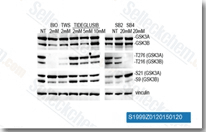
| S7198 | GSK-3 Inhibitor IX (BIO) | BIO (GSK-3 Inhibitor IX, 6-bromoindirubin-3-oxime, 6-Bromoindirubin-3'-oxime, MLS 2052) is a specific inhibitor of GSK-3 with IC50 of 5 nM for GSK-3α/β in a cell-free assay, shows >16-fold selectivity over CDK5, also a pan-JAK inhibitor with IC50 of 30 nM for Tyk2. BIO induces apoptosis in human melanoma cells. |
|
|
| S7357 | PF-562271 HCl | PF-562271 HCl is the hydrochloride salt of PF-562271, which is a potent, ATP-competitive, reversible inhibitor of FAK with IC50 of 1.5 nM, ~10-fold less potent for Pyk2 than FAK and >100-fold selectivity against other protein kinases, except for some CDKs. Phase 1. |
|
|
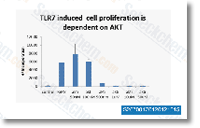
| S2670 | A-674563 HCl | A-674563 HCl is an Akt1 inhibitor with Ki of 11 nM in cell-free assays, modest potent to PKA and >30-fold selective for Akt1 over PKC. |
|
|
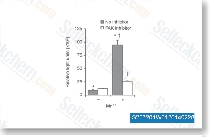
| S2672 | PF-562271 Besylate | PF-562271 Besylate is the benzenesulfonate salt of PF-562271, which is a potent, ATP-competitive, reversible inhibitor of FAK with IC50 of 1.5 nM, ~10-fold less potent for Pyk2 than FAK and >100-fold selectivity against other protein kinases, except for some CDKs. Phase 1. |
|
|
| S6871 | Sodium oxamate | Sodium oxamate (SO, Aminooxoacetic acid, Oxamic acid) is an inhibitor of lactate dehydrogenase (LDH) that specificly inhibits LDH‑A. This compound induces G2/M cell cycle arrest via downregulation of the CDK1/cyclin B1 pathway and promotes apoptosis through enhancement of mitochondrial ROS generation. |
|
|
| S1949 | Menadione (Vitamin K3) | A fat-soluble compound, Menadione (Vitamin K3) is an inhibitor of Cdc25 phosphatase and mitochondrial DNA polymerase γ (pol γ), used as a nutritional supplement. |
|
|
| S7648 | OTS964 | OTS964 is a potent TOPK inhibitor with high affinity and selectivity and IC50 value is 28 nM. This compound is also a potent inhibitor of the cyclin-dependent kinase CDK11 with Kd of 40 nM. This chemical treatment activates autophagy in glioma cells and induces apoptosis of human lung cancer cells in mouse xenografts. |
|
|
| S9605 | Apcin | Apcin (APC inhibitor) is an inhibitor of the E3 ligase activity of the mitotic anaphase-promoting complex/cyclosome (APC/C) that binds to Cdc20 and competitively inhibits the ubiquitylation of D-box-containing substrates. |
|
|
| S3238 | Resibufogenin | Resibufogenin (Bufogenin, Recibufogenin), a component of huachansu with anticancer effect, triggers necroptosis through upregulating receptor-interacting protein kinase 3 (RIP3) and phosphorylating mixed lineage kinase domain-like protein at Ser358. This compound exerts cytotoxic effect by inducing reactive oxygen species (ROS) accumulation. It induces apoptosis and caspase-3 and caspase-8 activity. This chemical increases Bax/Bcl-2 expression, and suppresses cyclin D1, cyclin E, PI3K, p-AKT, p-GSK3β and β-catenin protein expression. |
|
|
| S9742 | Indisulam (E7070) | Indisulam (E7070), a sulfonamide anticancer agent, is a potent carbonic anhydrase (CA) inhibitor that inhibits cytosolic isozymes I and II, and transmembrane, tumor-associated isozyme IX. Indisulam suppresses the expression of cyclin E and phosphorylation of CDK2, both of which are essential for the G1 to S transition. |
|
|
| S5953 | Menadione bisulfite sodium | Menadione(Vitamin K3) bisulfite sodium, a fat-soluble compound, is an inhibitor of Cdc25 phosphatase and mitochondrial DNA polymerase γ (pol γ), used as a nutritional supplement. |
|
|
| S2642 | 1-Naphthyl PP1(1-NA-PP1) | 1-Naphthyl PP1 (1-NA-PP1) is a highly selective and potent pan-PKD inhibitor with IC50 values of 154.6 nM, 133.4 nM, and 109.4 nM for PKD1, PKD2, and PKD3, respectively. It also acts as a selective inhibitor of Src family kinases (v-Src, c-Fyn) and the tyrosine kinase c-Abl, with IC50 values of 1.0 μM, 0.6 μM, 0.6 μM, 18 μM, and 22 μM for v-Src, c-Fyn, c-Abl, CDK2, and CAMK II, respectively. |
|
|
| S6885 | Ailanthone | Ailanthone (AIL, Δ13-Dehydrochaparrinone), a natural anti-hepatocellular carcinoma (HCC) component in Ailanthus altissima, induces G0/G1-phase cell cycle arrest by decreasing expression of cyclins and CDKs and increases expression of p21 and p27. This compound triggers DNA damage characterized by activation of the ATM/ATR pathway. It induces apoptosis which is mitochondrion-mediated and involves the PI3K/AKT signaling pathway in Huh7 cells. This chemical is also a potent inhibitor of both full-length Androgen Receptor (AR-FL) and constitutively active truncated AR splice variants (AR-Vs, AR1-651) with IC50 of 69 nM and 309 nM, respectively. |
|
|
| E2914 | 5,6-Dichlorobenzimidazole 1-beta-D-ribofuranoside | 5,6-Dichlorobenzimidazole riboside(DRB) is a nucleoside analog that inhibits several carboxyl-terminal domain (CTD) kinases including casein kinase II and CDKs. It trigger p53-dependent apoptosis of human colon adenocarcinoma cells without inducing genotoxic stress to healthy cells. |
|
|
| S9665 | Motixafortide (BL-8040, BKT140) | Motixafortide (BL-8040, BKT140, TF 14016, 4-fluorobenzoyl, 4F-benzoyl-TN14003, T140) is an antagonist of CXCR4 with IC50 of ~1 nM. BL-8040 induces the apoptosis of AML blasts by down-regulating ERK, BCL-2, MCL-1 and cyclin-D1 via altered miR-15a/16-1 expression. |
|
|
| S6383 | 1-NM-PP1 | 1-NM-PP1 (PP1 Analog II, 1NM-PP1, analogue 9) is a potent inhibitor of Src family kinases with IC50 of 4.3 nM and 3.2 nM for v-Src-as1 and c-Fyn-as1, respectively. This compound also inhibits CDK2-as1, CAMKII-as1 and c-Abl-as2 with IC50 of 5.0 nM, 8.0 nM and 120 nM, respectively. |
|
|
| E3037 | Solanum lyratum Extract | Solanum lyratum Extract (300 μg/ml) increases Bax levels and decreases Bcl-2 levels, which cause the loss of mitochondrial membrane potential (Δæm) followed by cytochrome C release and caspase-9 and -3 activation, finally leading to apoptosis. This compound also promotes p53 and p27, but decreases the levels of cyclin B1 thus causing S-phase arrest. | ||
| E1455New | BTX-A51 | BTX-A51 (Casein Kinase inhibitor A51) is a first-in-class oral and potent inhibitor of casein kinase 1α (CK1α) and cyclin dependent kinase (CDK7/9) with an IC50 of 17 nM for CK1α and Kd of 1.3 nM and 4 nM for CDK7 and CDK9, respectively. It induces apoptosis of leukemic cells by activating p53 and inhibiting expression of Mcl1 and can be used in Acute myeloid leukemia (AML) cancer research. | ||
| S3224 | Cinobufagin | Cinobufagin (Cinobufagine), an active ingredient of Venenum Bufonis, inhibits tumor development. This compound increases ATM and Chk2 and decreases CDC25C, CDK1, and cyclin B. It inhibits PI3K, AKT and Bcl-2 while increases levels of cleaved caspase-9 and caspase-3. Thus, this chemical induces cell cycle arrest at the G2/M phase and apoptosis. | ||
| E1849 | TL12-186 | TL12-186 is a cereblon-dependent multi-kinase PROTAC degrader. This compound also inhibits CDK2/cyclin A and CDK9/cyclin T1 with IC50 values of 73 nM and 55 nM, respectively. | ||
| E0072 | Indirubin-3′-oxime | Indirubin-3′-oxime (IDR3O, I3O) is an indirubin analogue that shows favorable inhibitory activity targeting GSK-3β and CDKs. This compound also inhibits JNKs with IC50s of 0.8 μM, 1.4 μM, and 1.0 μM for JNK1, JNK2, and JNK3, respectively. It activates Wnt/β-catenin signaling and inhibits adipocyte differentiation and obesity. | ||
| E7359 | A-674563 | A-674563 is a selective, orally active inhibitor of Akt1 with a Ki of 11 nM. It also inhibits PKA with Ki of 16 nM and CDK2 with Ki of 46 nM. This compound reduces Akt downstream target phosphorylation and inhibits tumor cell proliferation in vitro with an EC50 of 0.4 µM. | ||
| E2202 | 1-Naphthyl PP1 hydrochloride | 1-Naphthyl PP1 hydrochloride (1-NA-PP 1 hydrochloride) is a selective inhibitor of Src family kinases, inhibits v-Src, c-Fyn, c-Abl, CDK2 and CAMKII with IC50s of 1.0, 0.6, 0.6, 18 and 22 μM, respectively. | ||
| S6768 | CC-671 | CC-671 is a selectively dual inhibitor of TTK (human protein kinase monopolar spindle 1 [hMps1]) and CDC like kinase 2 (CLK2) with IC50s of 5 nM and 3 nM for TTK and CLK2, respectively. |

Products are for research use only. Not for human use. We do not sell to patients.
©Copyright 2013 Selleck Chemicals. All Rights Reserved.