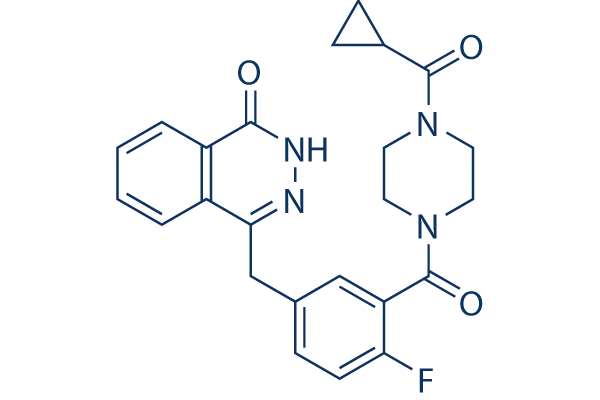
Olaparib (AZD2281, Ku-0059436)
Catalog No.S1060
Molecular Weight(MW): 434.46
Olaparib (AZD2281, KU0059436) is a selective inhibitor of PARP1/2 with IC50 of 5 nM/1 nM in cell-free assays, 300-times less effective against tankyrase-1.
17 Customer Reviews
-
CYREN does not regulate repair of replication-induced DSBs. Representative images of chromosomes.
Nature, 2017, 549(7673):548-552. Olaparib (AZD2281, Ku-0059436) purchased from Selleck.
Clonogenic survival of cells expressing BARD1(WT)res or BARD1(AAE)res after treatment with olaparib or MMC. Data are means ± s.d., n = 3. EV, empty vector. P values were calculated using two-way ANOVA and multiple comparisons were corrected by the Bonferroni method. ** P < 0.01.
Nature, 2017, 550(7676):360-365. Olaparib (AZD2281, Ku-0059436) purchased from Selleck.
-
Western blot analysis showing PARylated proteins in cells subject to the indicated PARP inhibitor treatments (5 μM Olaparib and 10 μM NU1025).
Cell, 2018, 172(3):439-453. Olaparib (AZD2281, Ku-0059436) purchased from Selleck.
SAHA and olaparib synergistically induced apoptosis and compromised DNA repair in the sensitive HCC cells. Cells were treated with 0.5 uM SAHA, 3 uM olaparib alone or in combination for 48 hours, and protein extracts were subjected to western blot analysis with the indicated antibodies.
Hepatology 2012 55, 1840-1851. Olaparib (AZD2281, Ku-0059436) purchased from Selleck.
-
SAHA and olaparib synergistically induced apoptosis and compromised DNA repair in the sensitive HCC cells. Cells were treated with 0.5 uM SAHA, 3 uM olaparib alone or in combination for 48 hours, and protein extracts were subjected to western blot analysis with the indicated antibodies.
Hepatology 2012 55, 1840-1851. Olaparib (AZD2281, Ku-0059436) purchased from Selleck.
SAHA and olaparib synergistically induced apoptosis and compromised DNA repair in the sensitive HCC cells. Cells were treated with 0.5 uM SAHA, 3 uM olaparib alone or in combination for 24 (A) or 12 (B) hours, subjected to staining with propidium iodide (A) or FITC-Annexin V (B), and then analyzed by flow cytometry.
Hepatology 2012 55, 1840-1851. Olaparib (AZD2281, Ku-0059436) purchased from Selleck.
-
Role of PARP and BER in the synergy between PTX and GMX in A549 cells. A) Cells were pre-treated +/- 1 uM olaparib (2h) then sequentially +/- 150nM PTX (24h) then +/- GMX 12nM (48h). Cells were harvested for (left) NAD+ quantification by LC-MS/MS (mean +/-SD of quadruplicates) or (right) viability by CellTiter-Glo (mean +/-SD of duplicates) B) PAR modification of proteins and γ-H2AX levels were measured in extracts treated as in A) by western blotting.
Cancer Res 2014 74(21), 5948-54. Olaparib (AZD2281, Ku-0059436) purchased from Selleck.
Mechanism of FK866/olaparib synergy. FK866 exacerbates levels of gH2AX caused by olaparib. CAL51 cells were exposed to FK866 and/or olaparib for 48 h and cell lysates generated and immunoblotted for total and gH2AX.
EMBO Mol Med 2012 4, 1087-1096. Olaparib (AZD2281, Ku-0059436) purchased from Selleck.
-
(A) Representative confocal microscopy images of nuclear γ-H2AX (red) and DAPI (blue) staining in FKO1 cells 30 minutes following irradiation. Cells pre-treated for 24hr with 1μM NanoOlaparib, olaparib, or a vehicle control before irradiation.
Mol Cancer Ther, 2017, 16(7):1279-1289. Olaparib (AZD2281, Ku-0059436) purchased from Selleck.
MSH3-deficient cells are sensitive to olaparib, a PARP inhibitor, and the combination with oxaliplatin. A, clonogenic survival of HCT11635, G5 without doxycycline (DOX), and G5 cells with doxycycline, which were treated with 2 μM of oxaliplatin, 2 μM of olaparib, and the combination of these two drugs. B, clonogenic survival of HT29 cells, which were treated with 1 μM oxaliplatin, 2 μM olaparib, and the combination of these two drugs.
J Biol Chem 2011 286, 12157-12165. Olaparib (AZD2281, Ku-0059436) purchased from Selleck.
-
Logarithmic growth curves of human Burkitt lymphoma cells over 5 days with 500 nmol/l of ABT-888 and AZD-2281 in combination with 0 Gy (a), 4 Gy (b), 8 Gy (c), and 12 Gy (d) of external beam radiation. The maximal relative reduction was 65.5% of viable cells and occurred with AZD-2281 (500 nmol/l) on day 5. DMSO, dimethyl sulfoxide.
Nucl Med Commun 2011 32, 1046-51. Olaparib (AZD2281, Ku-0059436) purchased from Selleck.
-
Number of foci detected using laser confocal microscopy and fluorescent Fluor 647 anti-H2A.X-phosphorylated (Ser139) antibody. Double-stranded breaks (red) are clearly augmented in cells incubated with 500 nmol/l of ABT-888 and 500 nmol/l of AZD-2281 compared with PBS and 1% dimethyl sulfoxide controls. Image analysis was performed using ImageJ and the ‘analyze particle’ function.
Nucl Med Commun 2011 32, 1046–1051 . Olaparib (AZD2281, Ku-0059436) purchased from Selleck.
-
Olaparib inhibited cell proliferation, and CRC cells with high XRCC2 expression had higher olaparib sensitivity. The surviving fractions of SW480 cells treated with (A) 1 mM, (B) 10 mM, and (C) 50 mM olaparib were measured using CCK-8. (D) The relation between cell viability and olaparib concentration.
Medicine (Baltimore) 2014 93(28), e294. Olaparib (AZD2281, Ku-0059436) purchased from Selleck.
in vivo suppression of PAR formation by the PARP inhibitor AZD2281 upon induction of DNA damage Primary human lung fibroblast cells (MRC-5) were pre-treated with the indicated concentration of the PARP inhibitor AZD2281 for two hours. Oxidative DNA damage was induced by 500 µM H2O2 for 10 min and cellular PARP activity was measured by immuno-staining of poly(ADP)-ribose (PAR) (right panels). The in vivo effect of PARP inhibition was compared to cells without DNA damage induction and inhibitor (control) and H2O2-treated cells without inhibitor. Average nuclear PAR staining intensities of more than 50 cells were statistically analysed by Kruskal-Wallis and the post-hoc Dunn’s Multiple Comparison tests (left panel). Asterisks indicate highly significant (p<1%) differences to H2O2-treated cells without PARP inhibitor. Thick horizontal bars mark medians and error bars the interquartile range.
2010 Dr. David Schrmann from University of Base. Olaparib (AZD2281, Ku-0059436) purchased from Selleck.
Purity & Quality Control
Choose Selective PARP Inhibitors
Biological Activity
| Description | Olaparib (AZD2281, KU0059436) is a selective inhibitor of PARP1/2 with IC50 of 5 nM/1 nM in cell-free assays, 300-times less effective against tankyrase-1. | ||||||||||||||||||||||||||||||||||||||||||||||||||||||||||||||||||||||||||||||||||||||||||||||||||||||||||||||||||||||||||||||||||||||||||||||||||||||||||||||||||||||||||||||||||||||||||||||||||||||||||||||||||||||||||||||||||||||||||||||||||||||||||||||||||||||||||||||||||||||||||||||||||||||||||||||||||||||||||||||||||||||||||||||||||||||||||||||||||||||||||||||||||||||||||||||||||||||||||||||||||||||||||||||||||||||||||||||||||||||||||||||||||||||||||||||||||||||||||||||||||||||||||||||||||||||||||||||||||||||||||||||||||||||||||||||||||||||||||||||||||||||||||||||||||||||||||||||||||||||||||||||||||||||||||||||||||||||||||||||||||||||||||||||||||||||||||||||||||||||||||||||||||||||||||||||||||||||||||||||||||||||||||||||||||||||||||||||||||||||||||||||||||||||||||||||||||||||||||||||||||||||||||||||||||||||||||||||||||||||||||||||||||||||||||||||||||||||||||||||||||||||||||||||||||||||||||||||||||||||||||||||||||||||||||||||||||||||||||||||||||||||||||||||||||||||||||||||||||||||
|---|---|---|---|---|---|---|---|---|---|---|---|---|---|---|---|---|---|---|---|---|---|---|---|---|---|---|---|---|---|---|---|---|---|---|---|---|---|---|---|---|---|---|---|---|---|---|---|---|---|---|---|---|---|---|---|---|---|---|---|---|---|---|---|---|---|---|---|---|---|---|---|---|---|---|---|---|---|---|---|---|---|---|---|---|---|---|---|---|---|---|---|---|---|---|---|---|---|---|---|---|---|---|---|---|---|---|---|---|---|---|---|---|---|---|---|---|---|---|---|---|---|---|---|---|---|---|---|---|---|---|---|---|---|---|---|---|---|---|---|---|---|---|---|---|---|---|---|---|---|---|---|---|---|---|---|---|---|---|---|---|---|---|---|---|---|---|---|---|---|---|---|---|---|---|---|---|---|---|---|---|---|---|---|---|---|---|---|---|---|---|---|---|---|---|---|---|---|---|---|---|---|---|---|---|---|---|---|---|---|---|---|---|---|---|---|---|---|---|---|---|---|---|---|---|---|---|---|---|---|---|---|---|---|---|---|---|---|---|---|---|---|---|---|---|---|---|---|---|---|---|---|---|---|---|---|---|---|---|---|---|---|---|---|---|---|---|---|---|---|---|---|---|---|---|---|---|---|---|---|---|---|---|---|---|---|---|---|---|---|---|---|---|---|---|---|---|---|---|---|---|---|---|---|---|---|---|---|---|---|---|---|---|---|---|---|---|---|---|---|---|---|---|---|---|---|---|---|---|---|---|---|---|---|---|---|---|---|---|---|---|---|---|---|---|---|---|---|---|---|---|---|---|---|---|---|---|---|---|---|---|---|---|---|---|---|---|---|---|---|---|---|---|---|---|---|---|---|---|---|---|---|---|---|---|---|---|---|---|---|---|---|---|---|---|---|---|---|---|---|---|---|---|---|---|---|---|---|---|---|---|---|---|---|---|---|---|---|---|---|---|---|---|---|---|---|---|---|---|---|---|---|---|---|---|---|---|---|---|---|---|---|---|---|---|---|---|---|---|---|---|---|---|---|---|---|---|---|---|---|---|---|---|---|---|---|---|---|---|---|---|---|---|---|---|---|---|---|---|---|---|---|---|---|---|---|---|---|---|---|---|---|---|---|---|---|---|---|---|---|---|---|---|---|---|---|---|---|---|---|---|---|---|---|---|---|---|---|---|---|---|---|---|---|---|---|---|---|---|---|---|---|---|---|---|---|---|---|---|---|---|---|---|---|---|---|---|---|---|---|---|---|---|---|---|---|---|---|---|---|---|---|---|---|---|---|---|---|---|---|---|---|---|---|---|---|---|---|---|---|---|---|---|---|---|---|---|---|---|---|---|---|---|---|---|---|---|---|---|---|---|---|---|---|---|---|---|---|---|---|---|---|---|---|---|---|---|---|---|---|---|---|---|---|---|---|---|---|---|---|---|---|---|---|---|---|---|---|---|---|---|---|---|---|---|---|---|---|---|---|---|---|---|---|---|---|---|---|---|---|---|---|---|---|---|---|---|---|---|---|---|---|---|---|---|---|---|---|---|---|---|---|---|---|---|---|---|---|---|---|---|---|---|---|---|---|---|---|---|---|---|---|---|---|---|---|---|---|---|---|---|---|---|---|---|---|---|---|---|---|---|---|---|---|---|---|---|---|---|---|---|---|---|---|---|---|---|---|---|---|---|---|---|---|---|---|---|---|---|---|---|---|---|---|---|---|---|---|---|---|---|---|---|---|---|---|---|---|---|---|---|---|---|---|---|---|---|---|---|---|---|---|---|---|---|---|---|---|---|---|---|---|---|---|---|---|---|---|---|---|---|---|---|---|---|---|---|---|---|---|---|---|---|---|---|---|---|---|---|---|---|---|---|---|---|---|---|---|---|---|---|---|---|---|---|---|---|---|---|---|---|---|---|---|---|---|---|---|---|---|---|---|---|---|---|---|---|---|---|---|---|---|---|---|---|---|---|---|---|---|---|---|---|---|---|---|---|---|---|---|---|---|---|---|---|---|---|---|---|---|---|---|---|---|---|---|---|---|---|---|---|---|---|---|---|---|---|---|---|---|---|---|---|---|---|---|---|---|---|---|---|---|---|---|---|---|---|---|---|---|---|---|---|---|---|---|---|---|---|---|---|---|---|---|---|---|---|---|---|---|---|---|---|---|---|---|---|---|---|---|---|---|---|---|---|---|---|---|---|---|---|---|---|---|---|---|---|---|---|---|---|---|---|---|---|---|---|---|---|---|---|---|---|---|---|---|---|---|---|---|
| Features | A potent PARP inhibitor (currently in late stage clinical trials). | ||||||||||||||||||||||||||||||||||||||||||||||||||||||||||||||||||||||||||||||||||||||||||||||||||||||||||||||||||||||||||||||||||||||||||||||||||||||||||||||||||||||||||||||||||||||||||||||||||||||||||||||||||||||||||||||||||||||||||||||||||||||||||||||||||||||||||||||||||||||||||||||||||||||||||||||||||||||||||||||||||||||||||||||||||||||||||||||||||||||||||||||||||||||||||||||||||||||||||||||||||||||||||||||||||||||||||||||||||||||||||||||||||||||||||||||||||||||||||||||||||||||||||||||||||||||||||||||||||||||||||||||||||||||||||||||||||||||||||||||||||||||||||||||||||||||||||||||||||||||||||||||||||||||||||||||||||||||||||||||||||||||||||||||||||||||||||||||||||||||||||||||||||||||||||||||||||||||||||||||||||||||||||||||||||||||||||||||||||||||||||||||||||||||||||||||||||||||||||||||||||||||||||||||||||||||||||||||||||||||||||||||||||||||||||||||||||||||||||||||||||||||||||||||||||||||||||||||||||||||||||||||||||||||||||||||||||||||||||||||||||||||||||||||||||||||||||||||||||||||
| Targets |
|
||||||||||||||||||||||||||||||||||||||||||||||||||||||||||||||||||||||||||||||||||||||||||||||||||||||||||||||||||||||||||||||||||||||||||||||||||||||||||||||||||||||||||||||||||||||||||||||||||||||||||||||||||||||||||||||||||||||||||||||||||||||||||||||||||||||||||||||||||||||||||||||||||||||||||||||||||||||||||||||||||||||||||||||||||||||||||||||||||||||||||||||||||||||||||||||||||||||||||||||||||||||||||||||||||||||||||||||||||||||||||||||||||||||||||||||||||||||||||||||||||||||||||||||||||||||||||||||||||||||||||||||||||||||||||||||||||||||||||||||||||||||||||||||||||||||||||||||||||||||||||||||||||||||||||||||||||||||||||||||||||||||||||||||||||||||||||||||||||||||||||||||||||||||||||||||||||||||||||||||||||||||||||||||||||||||||||||||||||||||||||||||||||||||||||||||||||||||||||||||||||||||||||||||||||||||||||||||||||||||||||||||||||||||||||||||||||||||||||||||||||||||||||||||||||||||||||||||||||||||||||||||||||||||||||||||||||||||||||||||||||||||||||||||||||||||||||||||||||||||
| In vitro |
Olaparib would act against BRCA1 or BRCA2 mutations. Olaparib is not sensitive to tankyrase-1 (IC50 >1 μM). Olaparib could ablate the PARP-1 activity at concentrations of 30-100 nM in SW620 cells. Olaparib is hypersensitive to BRCA1-deficient cell lines (MDA-MB-463 and HCC1937), compared with BRCA1- and BRCA2-proficient cell lines (Hs578T, MDA-MB-231, and T47D). [1] Olaparib is strongly sensitive to KB2P cells due to suppression of base excision repair by PARP inhibition, which may result in the conversion of single-strand breaks to double-strand breaks during DNA replication, thus activating BRCA2-dependent recombination pathways. [2] |
||||||||||||||||||||||||||||||||||||||||||||||||||||||||||||||||||||||||||||||||||||||||||||||||||||||||||||||||||||||||||||||||||||||||||||||||||||||||||||||||||||||||||||||||||||||||||||||||||||||||||||||||||||||||||||||||||||||||||||||||||||||||||||||||||||||||||||||||||||||||||||||||||||||||||||||||||||||||||||||||||||||||||||||||||||||||||||||||||||||||||||||||||||||||||||||||||||||||||||||||||||||||||||||||||||||||||||||||||||||||||||||||||||||||||||||||||||||||||||||||||||||||||||||||||||||||||||||||||||||||||||||||||||||||||||||||||||||||||||||||||||||||||||||||||||||||||||||||||||||||||||||||||||||||||||||||||||||||||||||||||||||||||||||||||||||||||||||||||||||||||||||||||||||||||||||||||||||||||||||||||||||||||||||||||||||||||||||||||||||||||||||||||||||||||||||||||||||||||||||||||||||||||||||||||||||||||||||||||||||||||||||||||||||||||||||||||||||||||||||||||||||||||||||||||||||||||||||||||||||||||||||||||||||||||||||||||||||||||||||||||||||||||||||||||||||||||||||||||||||
| Cell Data |
|
||||||||||||||||||||||||||||||||||||||||||||||||||||||||||||||||||||||||||||||||||||||||||||||||||||||||||||||||||||||||||||||||||||||||||||||||||||||||||||||||||||||||||||||||||||||||||||||||||||||||||||||||||||||||||||||||||||||||||||||||||||||||||||||||||||||||||||||||||||||||||||||||||||||||||||||||||||||||||||||||||||||||||||||||||||||||||||||||||||||||||||||||||||||||||||||||||||||||||||||||||||||||||||||||||||||||||||||||||||||||||||||||||||||||||||||||||||||||||||||||||||||||||||||||||||||||||||||||||||||||||||||||||||||||||||||||||||||||||||||||||||||||||||||||||||||||||||||||||||||||||||||||||||||||||||||||||||||||||||||||||||||||||||||||||||||||||||||||||||||||||||||||||||||||||||||||||||||||||||||||||||||||||||||||||||||||||||||||||||||||||||||||||||||||||||||||||||||||||||||||||||||||||||||||||||||||||||||||||||||||||||||||||||||||||||||||||||||||||||||||||||||||||||||||||||||||||||||||||||||||||||||||||||||||||||||||||||||||||||||||||||||||||||||||||||||||||||||||||||||
| In vivo | Combining with temozolomide, Olaparib (10 mg/kg, p.o.) significantly suppresses tumor growth in SW620 xenografts. [1] Olaparib shows great response to Brca1-/-;p53-/- mammary tumors (50 mg/kg i.p. per day), while no responses to HR-deficient Ecad-/-;p53-/- mammary tumors. Olaparib even does not show dose-limiting toxicity in tumor-bearing mice. [3] Olaparib has been used to treat with BRCA mutated tumors, such as ovarian, breast and prostate cancers. Moreover, Olaparib shows selectively inhibition to ATM (Ataxia Telangiectasia Mutated)-deficient tumor cells, which indicates to be a potential agent for treating ATM mutant lymphoid tumors. [4] |
Protocol
| Kinase Assay: |
+ Expand
FlashPlate assay (96-well screening assay): To columns 1 through 10, 1 μL of Olaparib (in DMSO) is added, and 1 μL DMSO only is added to the positive (POS) and negative (NEG) control wells (columns 11 and 12, respectively) of a pretreated FlashPlate. PARP-1 is diluted 1:40 in buffer (buffer B: 10% glycerol (v/v), 25 mM HEPES, 12.5 mM MgCl2,50 mM KCl, 1 mM DTT, 0.01% NP-40 (v/v), pH 7.6) and 40 μL added to all 96 wells (final PARP-1 concentration in the assay is ~1 ng/μL). The plate is sealed and shaken at RT for 15 min. Following this, 10 μL of positive reaction mix (0.2 ng/μL of double-stranded oligonucleotide [M3/M4] DNA per well, 5 μM of NAD+ final assay concentration, and 0.075 μCi 3H-NAD+ per well) is added to the appropriate wells (columns 1-11). The negative reaction mix, lacking the DNA oligonucleotide, is added to column 12 (with the mean negative control value used as the background). The plate is resealed and shaken for a further 60 min at RT to allow the reaction to continue. Then, 50 μL of ice-cold acetic acid (30%) is added to each well to stop the reaction, and the plate is sealed and shaken for a further 60 min at RT. Tritiated signal bound to the FlashPlate is then determined in counts per minute (CPM) using the TopCount plate reader. |
|---|---|
| Cell Research: |
+ Expand
|
| Animal Research: |
+ Expand
|
Solubility (25°C)
| In vitro | DMSO | 86 mg/mL warmed (197.94 mM) |
|---|---|---|
| Water | 0.002 mg/mL (0.0 mM) | |
| Ethanol | Insoluble | |
| In vivo | Add solvents to the product individually and in order: 4% DMSO+30% PEG 300+ddH2O For best results, use promptly after mixing. |
5mg/mL |
* Please note that Selleck tests the solubility of all compounds in-house, and the actual solubility may differ slightly from published values. This is normal and is due to slight batch-to-batch variations.
Chemical Information
| Molecular Weight | 434.46 |
|---|---|
| Formula | C24H23FN4O3 |
| CAS No. | 763113-22-0 |
| Storage | powder |
| in solvent | |
| Synonyms | N/A |
Bio Calculators
Molarity Calculator
Calculate the mass, volume or concentration required for a solution. The Selleck molarity calculator is based on the following equation:
Mass (g) = Concentration (mol/L) × Volume (L) × Molecular Weight (g/mol)
*When preparing stock solutions, please always use the batch-specific molecular weight of the product found on the via label and MSDS / COA (available on product pages).
Dilution Calculator
Calculate the dilution required to prepare a stock solution. The Selleck dilution calculator is based on the following equation:
Concentration (start) x Volume (start) = Concentration (final) x Volume (final)
This equation is commonly abbreviated as: C1V1 = C2V2 ( Input Output )
* When preparing stock solutions always use the batch-specific molecular weight of the product found on the vial label and MSDS / COA (available online).
Molecular Weight Calculator
Enter the chemical formula of a compound to calculate its molar mass and elemental composition:
Tip: Chemical formula is case sensitive. C10H16N2O2 c10h16n2o2
Instructions to calculate molar mass (molecular weight) of a chemical compound:
To calculate molar mass of a chemical compound, please enter its chemical formula and click 'Calculate'.
Definitions of molecular mass, molecular weight, molar mass and molar weight:
Molecular mass (molecular weight) is the mass of one molecule of a substance and is expressed in the unified atomic mass units (u). (1 u is equal to 1/12 the mass of one atom of carbon-12)
Molar mass (molar weight) is the mass of one mole of a substance and is expressed in g/mol.
Molarity Calculator
Clinical Trial Information
| NCT Number | Recruitment | Conditions | Sponsor/Collaborators | Start Date | Phases |
|---|---|---|---|---|---|
| NCT01758731 | Active, not recruiting | Squamous Cell Carcinoma of the Head and Neck | University of Colorado, Denver | July 9, 2012 | Phase 1 |
| NCT02484404 | Recruiting | Lung Cancer|Breast Cancer|Ovarian Cancer|Colorectal Cancer|Prostate Cancer|Triple Negative Breast Cancer | National Cancer Institute (NCI)|National Institutes of Health Clinical Center (CC) | June 4, 2015 | Phase 1|Phase 2 |
| NCT02769962 | Recruiting | Solid Tumors|Small Cell Lung Carcinoma|Carcinoma, Non-Small-Cell Lung|Lung Neoplasms | National Cancer Institute (NCI)|National Institutes of Health Clinical Center (CC) | May 3, 2016 | Phase 1|Phase 2 |
| NCT01237067 | Completed | Cervical Cancer|Ovarian Cancer|Breast Cancer|Primary Peritoneal Cancer|Fallopian Tube Cancer|Endometrial Cancer | National Cancer Institute (NCI)|National Institutes of Health Clinical Center (CC) | October 26, 2010 | Phase 1 |
| NCT00678132 | Completed | Neoplasms | National Cancer Institute (NCI)|National Institutes of Health Clinical Center (CC) | April 24, 2008 | Phase 1 |
| NCT02121990 | Active, not recruiting | Ovarian Cancer|Primary Peritoneal Cancer|Fallopian Tube Cancer | Memorial Sloan Kettering Cancer Center|AstraZeneca|Genentech, Inc. | April 21, 2014 | Phase 1 |
Tech Support
Answers to questions you may have can be found in the inhibitor handling instructions. Topics include how to prepare stock solutions, how to store inhibitors, and issues that need special attention for cell-based assays and animal experiments.
Tel: +1-832-582-8158 Ext:3
If you have any other enquiries, please leave a message.

Frequently Asked Questions
-
Question 1:
I saw that the solubility of the compound for in vivo on the website had been changed, why the change has been made?
-
Answer:
For the formulation for in vivo, the compound dissolving in 15% Captisol (former solubility) is a suspension, and it is fine for oral gavage. And now, dissolving in 4% DMSO+30% PEG 300+ddH2O is a clear solution, and is for injection.
-
Question 2:
How long can the chemical compound be stable in DMEM at 4 ℃?
-
Answer:
The compound is stable in DMEM at 4 degree for one week.