BIOSTEC: International Conference on Bioimaging
Summary: The BIOSTEC International Conference on Bioimaging serves as a premier academic forum dedicated to the complex chain of acquiring, processing, and visualizing structural or functional images of living objects. Integrating classical image processing methods with modern deep learning techniques, the conference facilitates research in clinical diagnosis, disease examination, and fundamental anatomical physiology, providing a comprehensive platform for interdisciplinary innovation.
Core Technologies and Research Domains
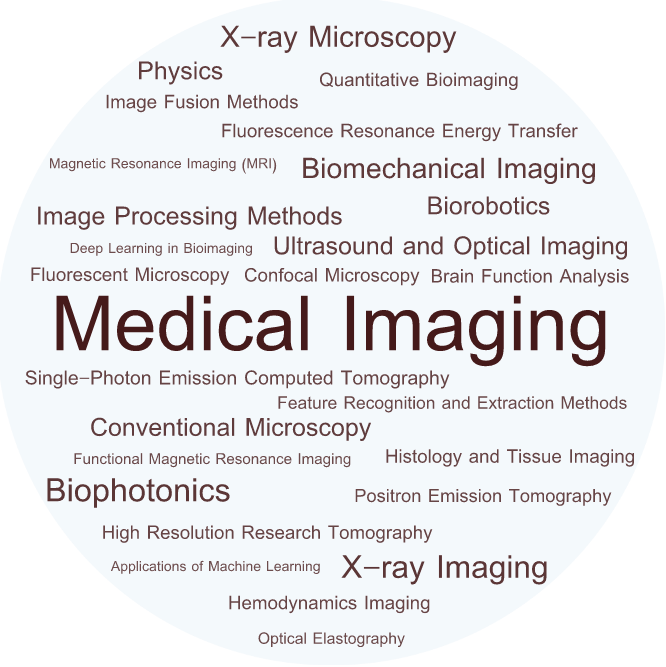
Bioimaging encompasses a wide range of imaging modalities, including X-ray, CT, MRI, fMRI, PET, HRRT PET, SPECT, and MEG. Modern advancements rely heavily on the synergy between established processing methodologies—such as denoising, segmentation, deconvolution, and registration—and cutting-edge machine learning and deep learning approaches.
High-quality research often requires precise validation of molecular pathways. For example, the use of targeted inhibitors like S63845 is instrumental in apoptosis studies to track therapeutic responses in preclinical imaging models.
Furthermore, understanding pathway modulation through tools like Ibrutinib enhances the accuracy of data interpretation in oncology, ensuring that biological findings correlated with structural or functional imaging are robust and reproducible.
Submission and Review Guidelines
All submissions undergo a rigorous double-blind peer review process, involving at least two to three expert reviewers. Papers are systematically screened for plagiarism and rated based on their relevance, originality, technical quality, significance, and clarity of presentation. Reviewers provide constructive feedback on abstract quality, experimental results, comparative evaluation, and the robustness of conclusions to guide authors through the revision process.
Conference Co-chairs:
Ana Fred, Instituto de Telecomunicações and Instituto Superior Técnico (University of Lisbon), Portugal Hugo Gamboa, LIBPhys, Physics Department, Nova School of Science and Technology, Nova University of Lisbon, Portugal
Paper Formats and Publication
Authors may submit 'Regular Papers' (completed, validated research, recommended 8-10 pages) or 'Position Papers' (ongoing work or speculative ideas, recommended 6-7 pages). Accepted papers are published in the SCITEPRESS Digital Library and presented via oral or poster sessions. Proceedings are submitted for indexing in major international databases, including Scopus, DBLP, Web of Science, and the Engineering Index, ensuring maximum visibility for the presented scientific contributions.